
Sabarmati Ashram
.jpg&w=1920&q=75)
Overview
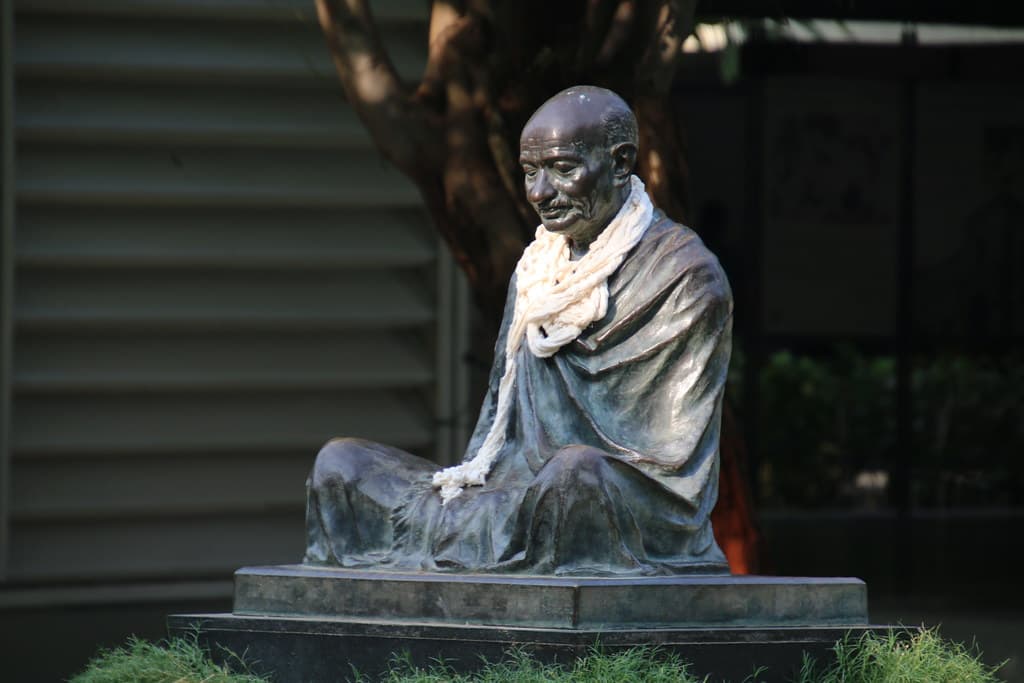
Sabarmati Ashram, also known as Gandhi Ashram, is one of the most significant historical landmarks in India. Located on the banks of the Sabarmati River in Ahmedabad, Gujarat, this ashram served as the residence of Mahatma Gandhi from 1917 to 1930. It was from here that Gandhi led the Dandi March, a pivotal event in the Indian independence movement. The ashram is a symbol of peace and simplicity, attracting thousands of visitors annually who come to learn about Gandhi's life and principles.
Label: Must visit
How to reach: Bus, cab, taxi, rickshaw
Timings: 8:30 AM to 6:30 PM
Time Required: 1-2 hours
Entry Fee: Free
Key Features and Attractions
Here are some important features and attractions of the Sabarmati Ashram
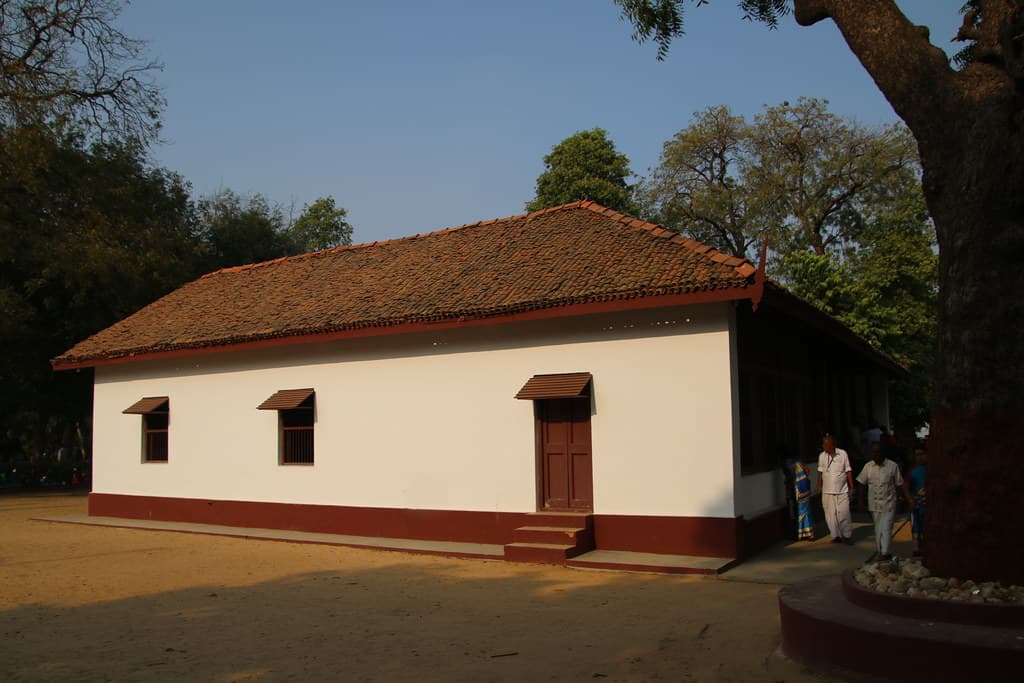
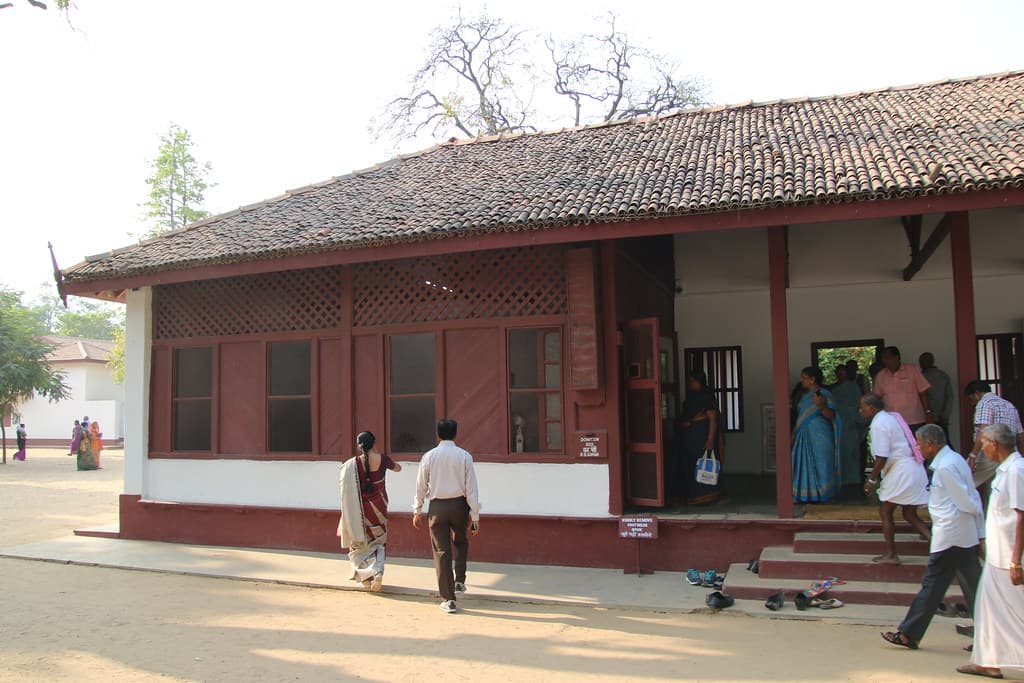
Hriday Kunj
This was the cottage where Mahatma Gandhi lived. It has been preserved to look exactly as it did when he resided there, complete with his personal belongings.
Gandhi Memorial Museum
The museum houses a rich collection of photographs, manuscripts, and books written by and about Gandhi. It also contains letters written by him, offering a deep insight into his life and thoughts.
Vinoba-Mira Kutir
This was the hut where Vinoba Bhave, a close associate of Gandhi, and Mirabehn (Madeleine Slade), a British follower of Gandhi, stayed.
Magan Niwas
This cottage was the residence of Maganlal Gandhi, the ashram’s manager, and a close associate of Mahatma Gandhi.
Prayer Grounds
This is where Gandhi held his daily prayers and discussions. The atmosphere here remains serene and reflective.
Library
The ashram's library contains a vast collection of books, periodicals, and other publications on the life, teachings, and philosophies of Mahatma Gandhi.
Ashram Bookstore
This bookstore offers a range of books and souvenirs related to Mahatma Gandhi and his teachings.
Cultural Heritage
Sabarmati Ashram is a beacon of Gandhian philosophy and Indian history. It embodies the principles of simplicity, non-violence, and self-reliance. The ashram played a crucial role in the Indian freedom struggle, serving as a center for planning and executing key activities and movements. It stands today as a reminder of Gandhi's enduring legacy and his contributions to India and the world.
Nearby Attractions
Here is a list of nearby attractions to visit near the Ashram

Leave the planning to a local expert
Kite Museum
Located in Ahmedabad, this museum displays a stunning collection of kites from different parts of the world.
Sardar Vallabhbhai Patel National Memorial
This museum is dedicated to Sardar Patel, one of India's foremost freedom fighters and the first Deputy Prime Minister of India.
Adalaj Stepwell
A beautiful stepwell located near Ahmedabad, known for its intricate carvings and historical significance.
Jama Masjid
A magnificent mosque built in 1424, it is one of the finest architectural specimens in Ahmedabad.
Calico Museum of Textiles
This museum showcases an exquisite collection of Indian textiles, including rare tapestries, carpets, and costumes.
Local Cuisine
Visitors to Sabarmati Ashram can indulge in the local Gujarati cuisine, known for its distinct flavors and variety. Some popular dishes include:
Dhokla: A steamed savory cake made from fermented rice and chickpea batter.
Khandvi: Rolled, savory snacks made from gram flour and yogurt.
Thepla: Spicy flatbreads made from whole wheat flour, fenugreek leaves, and spices.
Undhiyu: A mixed vegetable dish cooked with a variety of spices and herbs.
Fafda-Jalebi: A popular breakfast combination of crunchy gram flour snacks and sweet, syrupy jalebis.
Tips for Visitors
Best Time to Visit: The best time to visit Sabarmati Ashram is between November and February when the weather is pleasant.
Guided Tours: Opt for a guided tour to gain in-depth knowledge about the ashram and Gandhi's life.
Respect the Atmosphere: The ashram is a place of historical significance and quiet reflection. Maintain decorum and respect the peaceful environment.
Photography: While photography is allowed in most areas, check for any restrictions before taking pictures.
Footwear: Visitors are required to remove their footwear before entering certain parts of the ashram, so wearing easily removable shoes is advisable.
Conclusion
Sabarmati Ashram is not just a tourist destination but a place of immense historical and cultural significance. It offers a glimpse into the life and philosophy of Mahatma Gandhi, inspiring visitors with its message of peace, non-violence, and simplicity. A visit to this serene and educational site is a must for anyone interested in India's history and the legacy of one of its greatest leaders.