
Gobindgarh Fort
Overview
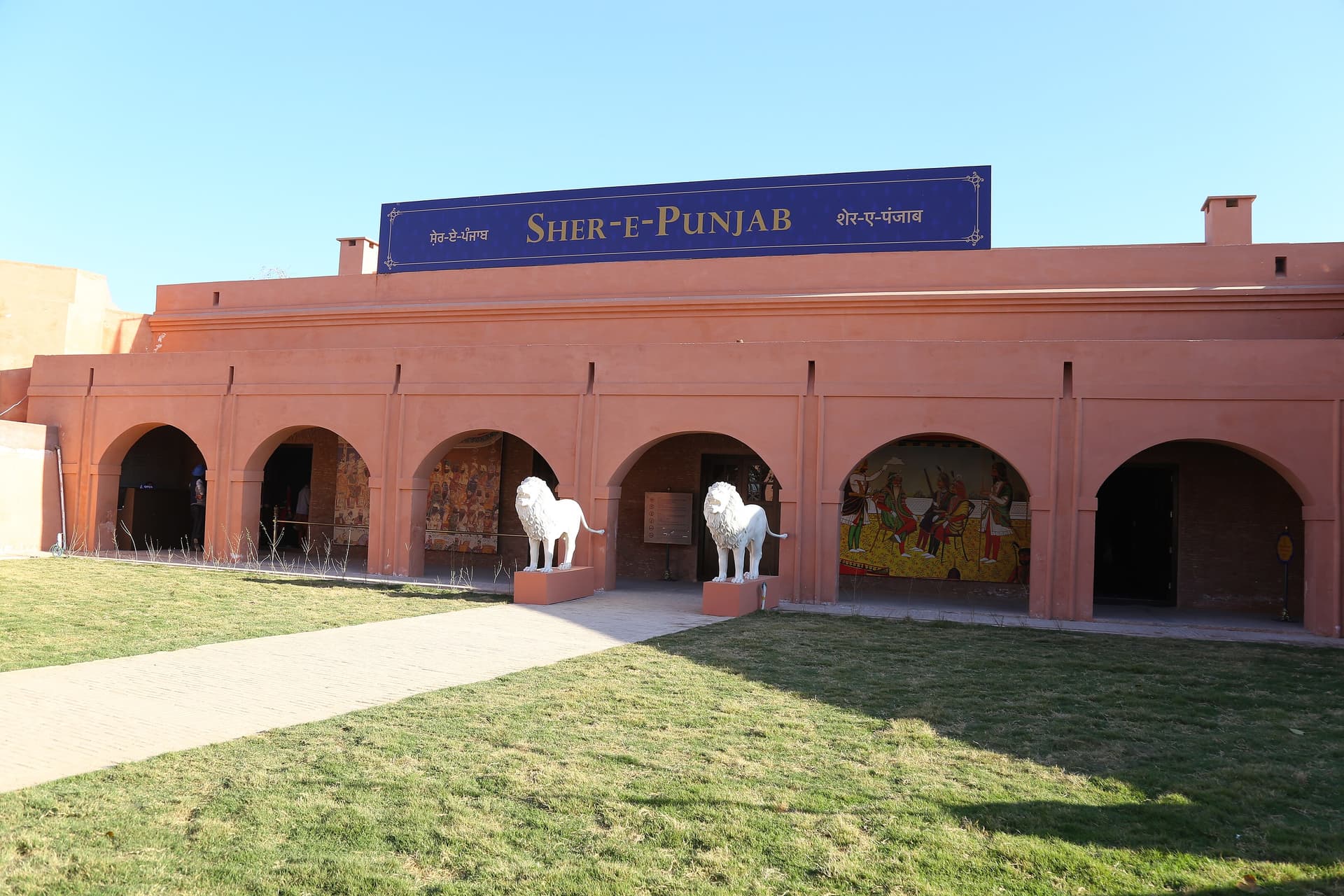
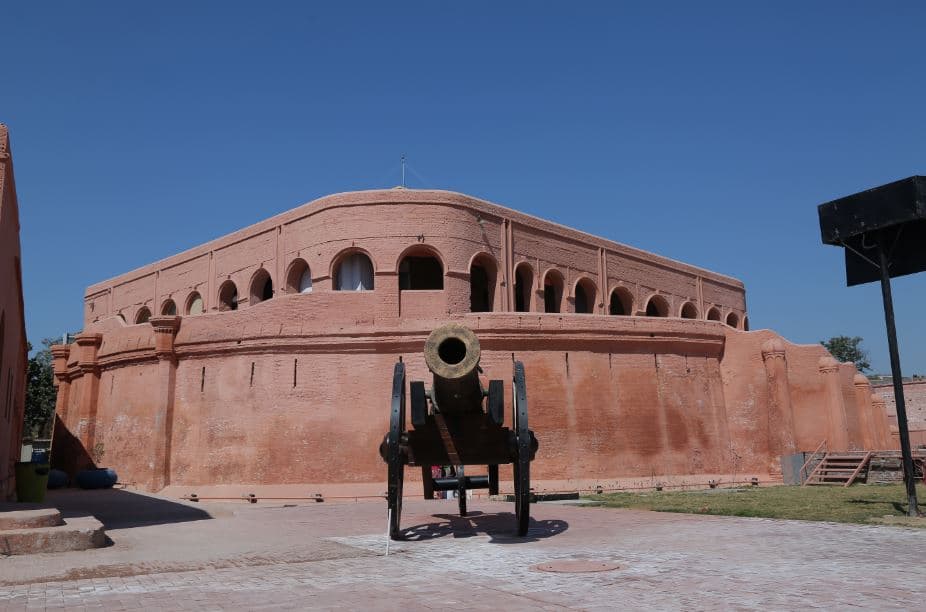
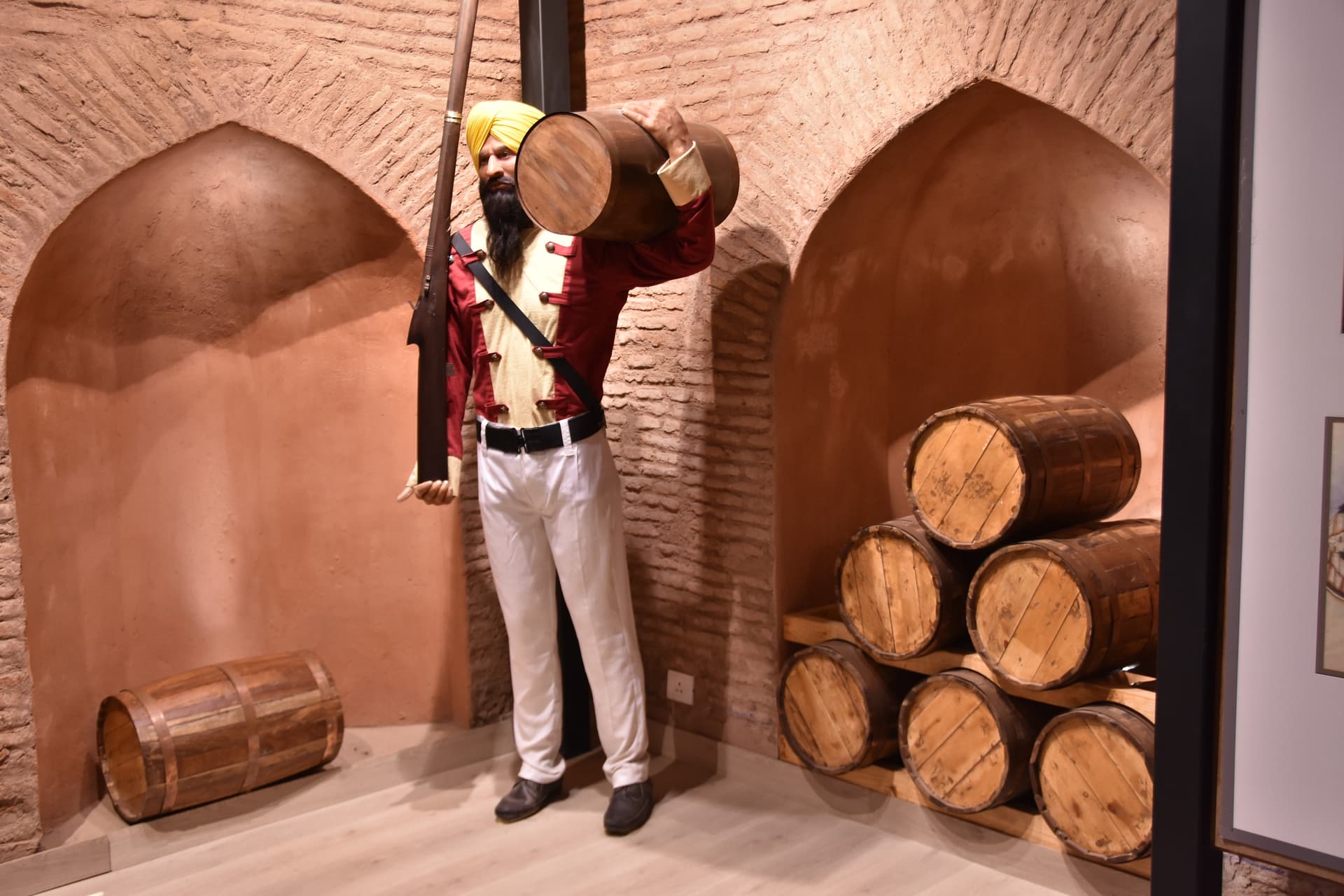
Situated in the centre of Amritsar, Gobindgarh Fort is a historically significant site that presents a diverse range of Punjab's cultural and military legacy. The fort, which was first constructed in the 18th century and has since undergone several renovations and alterations, is a well-known landmark in the city. It now functions as a vibrant cultural hub that gives guests an understanding of Punjab's past, present, and customs.
Label: Off beat
How to reach: Bike, bus, taxi, auto
Timings: 10:00 AM to 10:00 PM
Time Required: 2 hours
Entry Fee: INR 445
Key Features
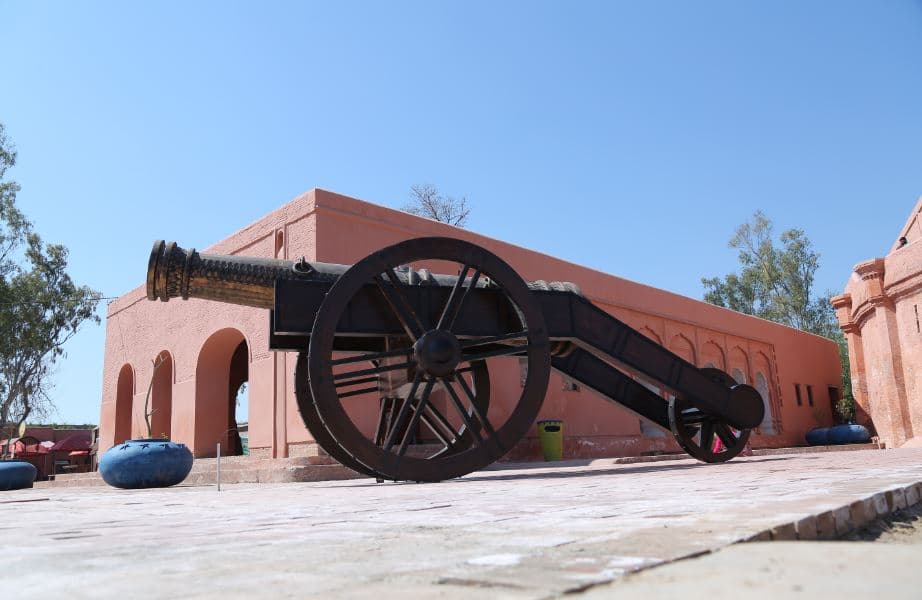
Historical Significance: Gobindgarh Fort was originally constructed in 1760 by the then Maharaja of Patiala, Sahib Singh Barnala. It played a significant role in the military history of Punjab and was an important stronghold during various historical periods. The fort has been meticulously restored to reflect its historical grandeur and serves as a key symbol of Amritsar’s rich heritage.
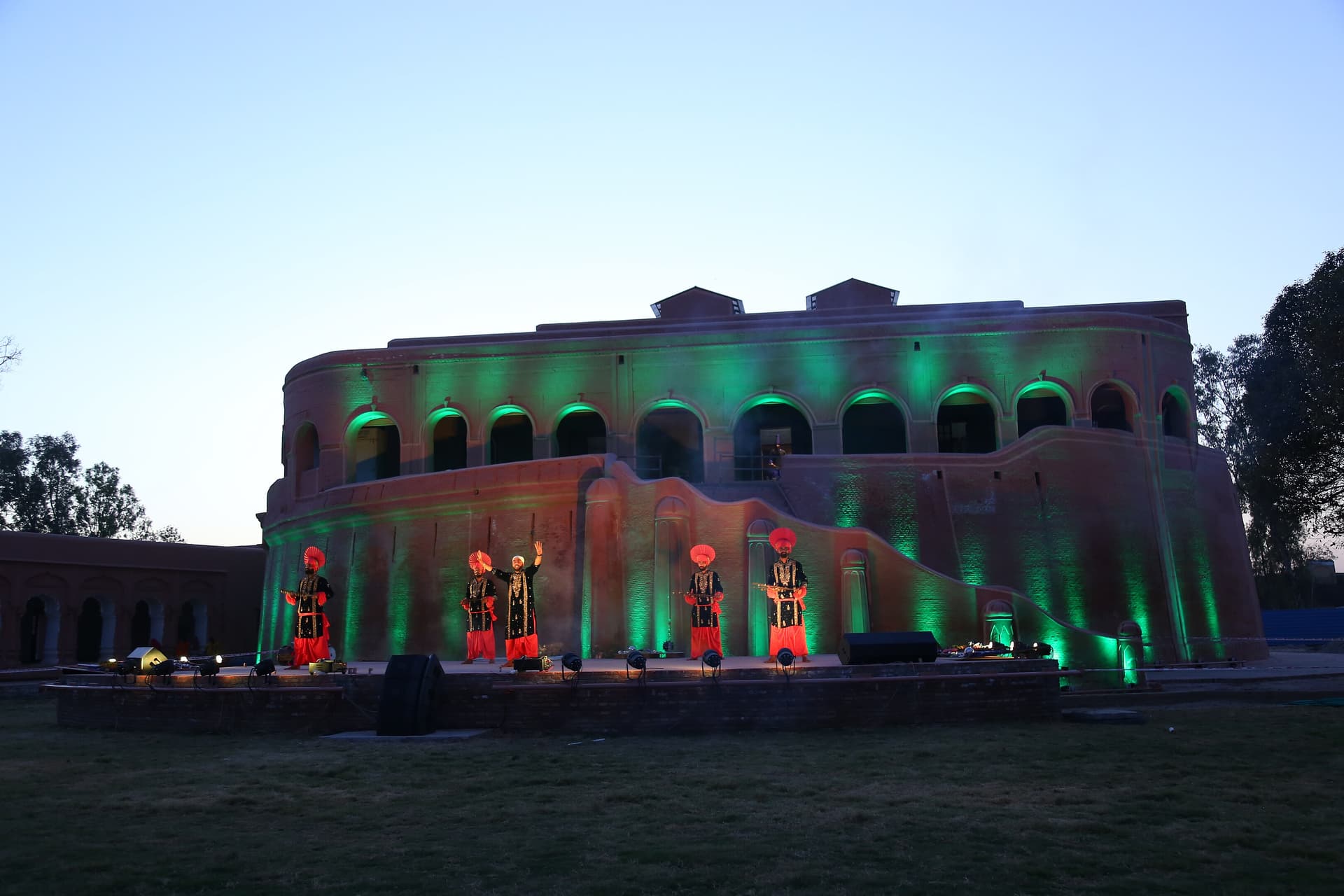
Cultural Hub: The fort has been transformed into a vibrant cultural destination featuring a range of attractions. It hosts interactive exhibits, cultural performances, and traditional Punjabi activities. Visitors can experience live performances of Punjabi music and dance, explore art installations, and participate in workshops that showcase local crafts and traditions.
Attractions within the Fort:
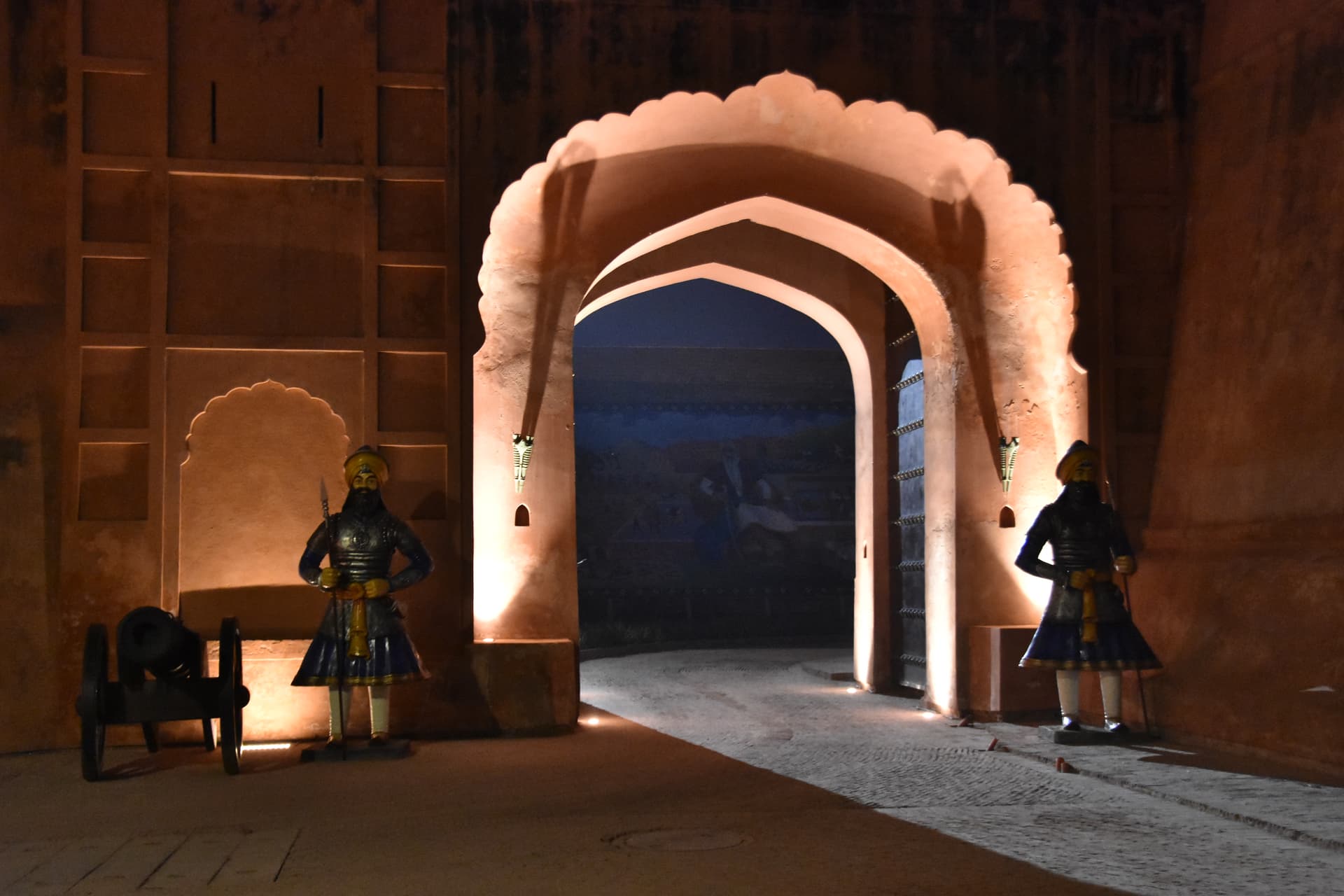
- Heritage Walk: The fort features a Heritage Walk that guides visitors through various sections of the fort, including the old walls, bastions, and gates. This walk offers historical narratives and insights into the fort’s past.
- 3D Shows: Gobindgarh Fort hosts immersive 3D shows that recreate historical events and bring the fort’s past to life. These shows offer a fascinating glimpse into Punjab’s history and culture.
- Punjabi Cuisine: The fort’s food courts offer traditional Punjabi cuisine, allowing visitors to savor local dishes in a historic setting.
- Museum: The fort houses a museum with displays of artifacts, weapons, and historical documents related to the fort and the region.
Architectural Highlights: The fort's architecture reflects a blend of Mughal and Sikh styles, characterized by its imposing walls, large courtyards, and intricately designed gateways. The fort’s design and construction showcase the military and architectural prowess of its time.
Nearby Attractions
Golden Temple: Located just a short drive from Gobindgarh Fort, the Golden Temple is the holiest site in Sikhism and one of Amritsar’s most famous landmarks. Its stunning architecture, serene atmosphere, and the community kitchen (Langar) offering free meals are major attractions.
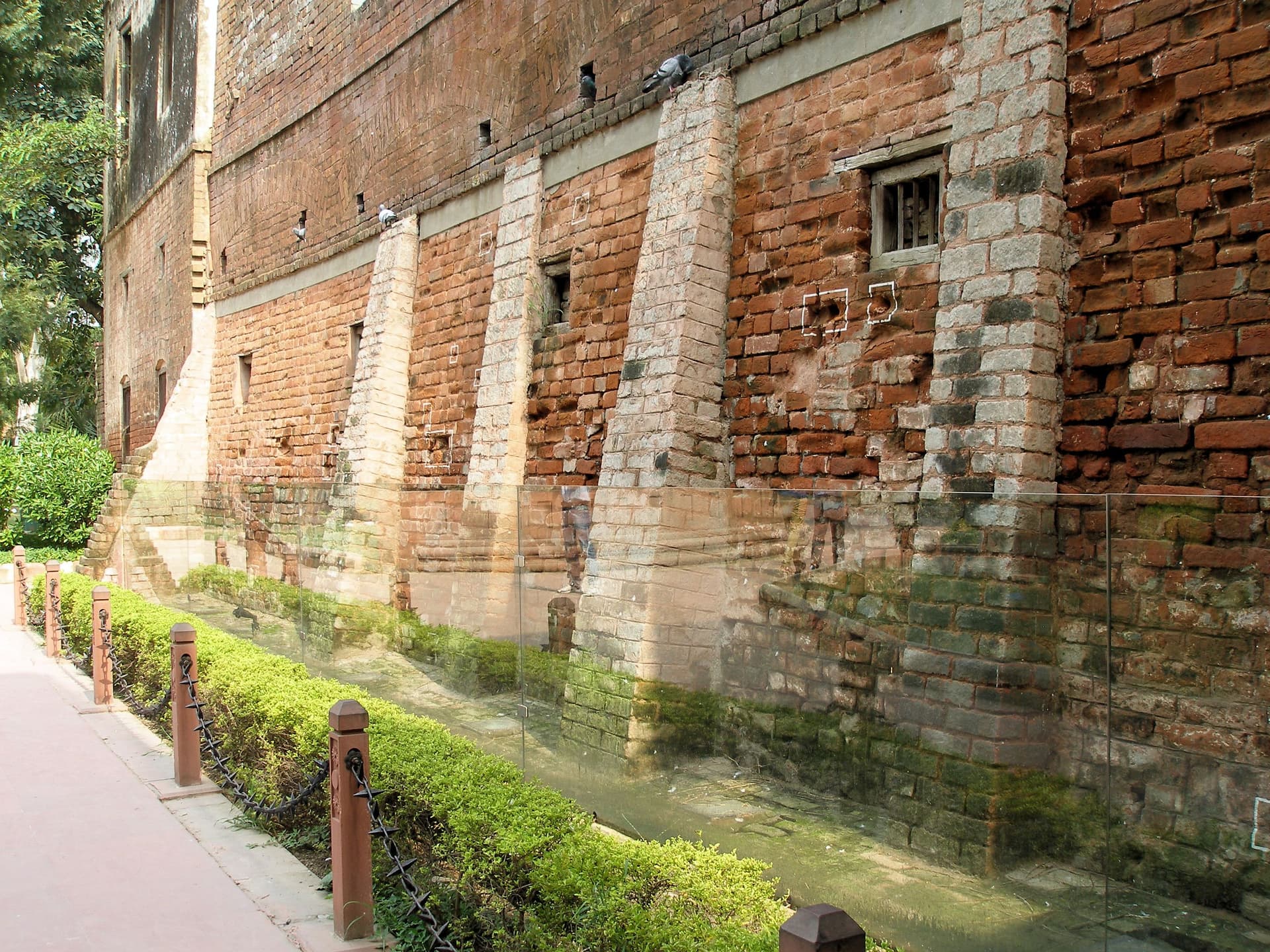
Jallianwala Bagh: This historic garden, also close to the fort, commemorates the 1919 massacre, where British troops opened fire on a peaceful gathering. The site features a memorial and museum that provide insights into this significant event in Indian history.
Partition Museum: Situated near the fort, the Partition Museum focuses on the impact of the 1947 partition of India and Pakistan. It showcases personal stories, artifacts, and historical documents related to this major event.
Wagah Border: About 30 kilometers from the fort, the Wagah Border is famous for its daily Beating Retreat Ceremony, a dramatic display of military precision by Indian and Pakistani border guards. This event draws large crowds and offers a unique experience of Indo-Pakistani relations.
Best Time to Visit
The best time to visit Gobindgarh Fort is from October to March. During these months, Amritsar experiences cooler and more comfortable weather, making it ideal for outdoor activities and exploring the fort. The summer months (April to June) can be extremely hot, with temperatures often exceeding 40 °C (104 °F), making travel less comfortable. Winter (December to February) offers pleasant temperatures and is the peak tourist season, ensuring a lively atmosphere and numerous cultural events.

Leave the planning to a local expert
Conclusion
Gobindgarh Fort stands as a testament to Amritsar’s rich cultural and military heritage. Its transformation into a dynamic cultural center offers visitors a unique opportunity to explore Punjab’s history, art, and traditions. With its interactive exhibits, cultural performances, and historical narratives, the fort provides a comprehensive experience of the region’s past and present.
A visit to Gobindgarh Fort not only enriches one’s understanding of Punjab’s history but also offers a memorable cultural experience in a historic setting. Its well-preserved architecture, engaging exhibits, and vibrant cultural events make it a must-visit attraction in Amritsar.