
Harike Wetlands

Overview
Situated in Punjab near the meeting point of the Beas and Sutlej rivers, the Harike Wetlands, sometimes referred to as Hari-ke-Pattan, constitute one of the biggest wetland ecosystems in northern India. Covering an area of more than 86 square kilometres, it provides a vital natural environment as well as a haven for a diverse range of plants and animals. Harike Wetlands was designated as a Ramsar site in 1990 and is a popular spot for bird watchers, nature lovers, and environmentalists.
Label: outdoor activity
How to reach: Bike, bus, taxi, auto
Timings: 24 hours
Time Required: 2 hours
Entry Fee: Free
Key Features
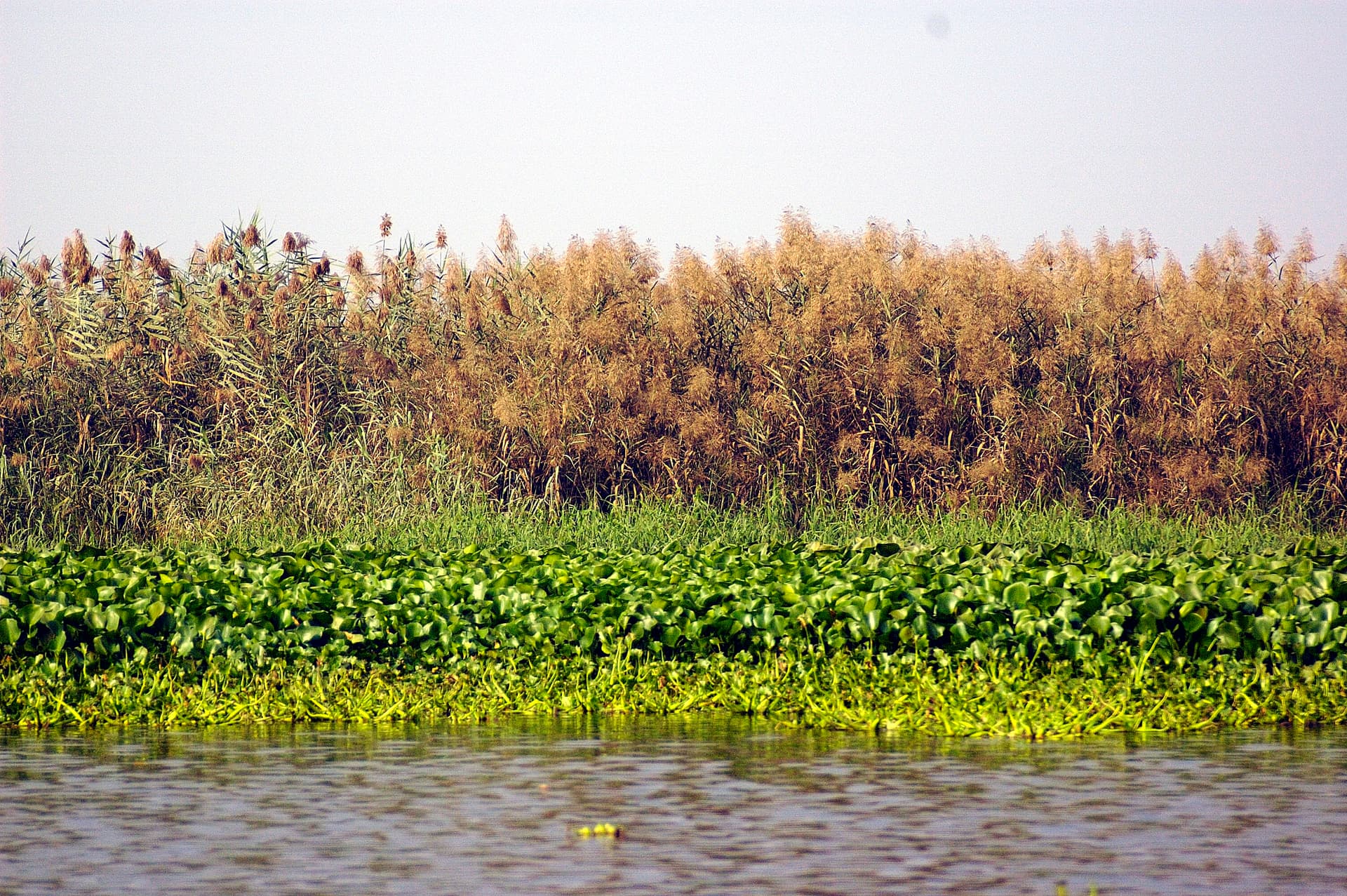
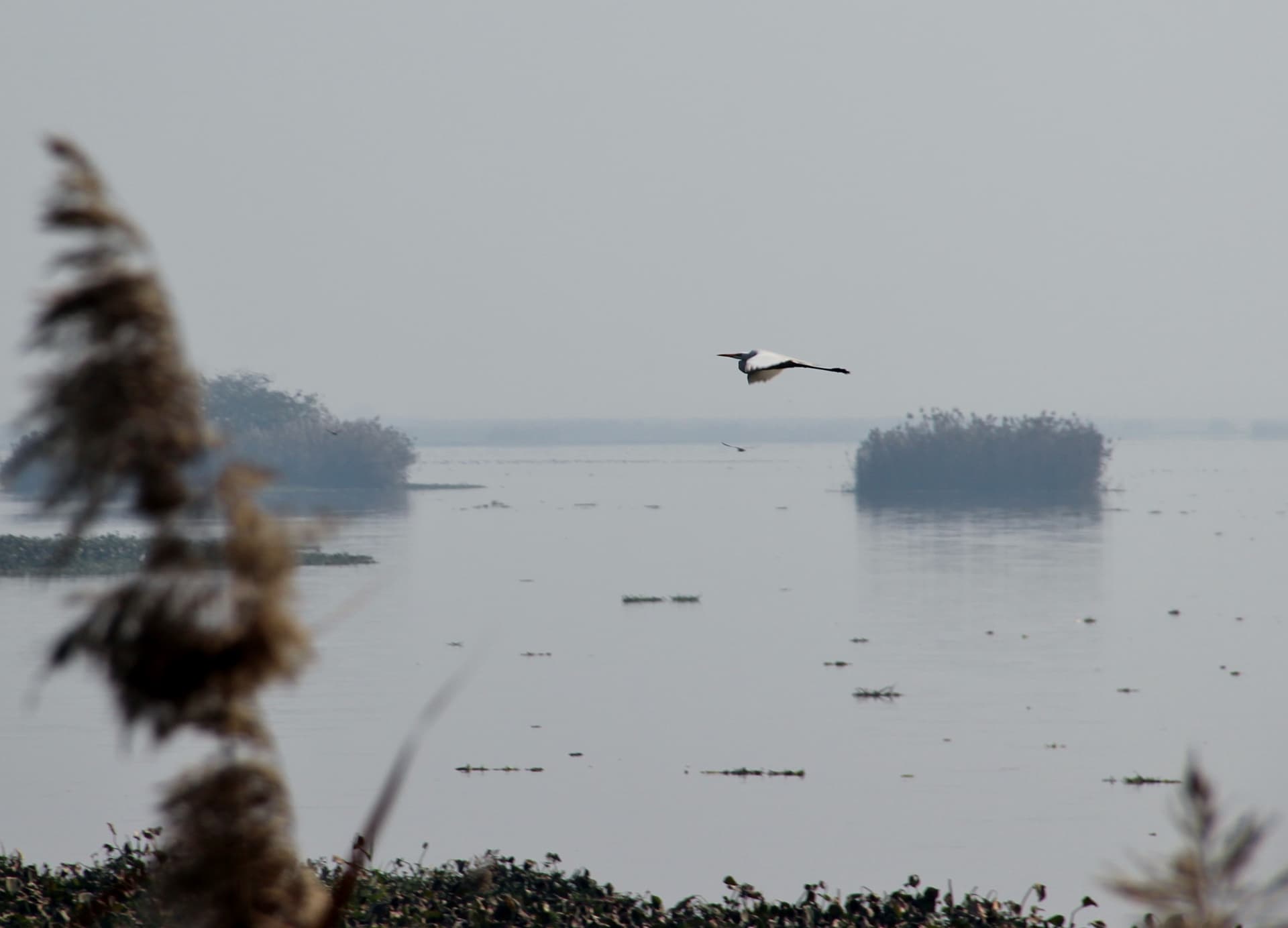
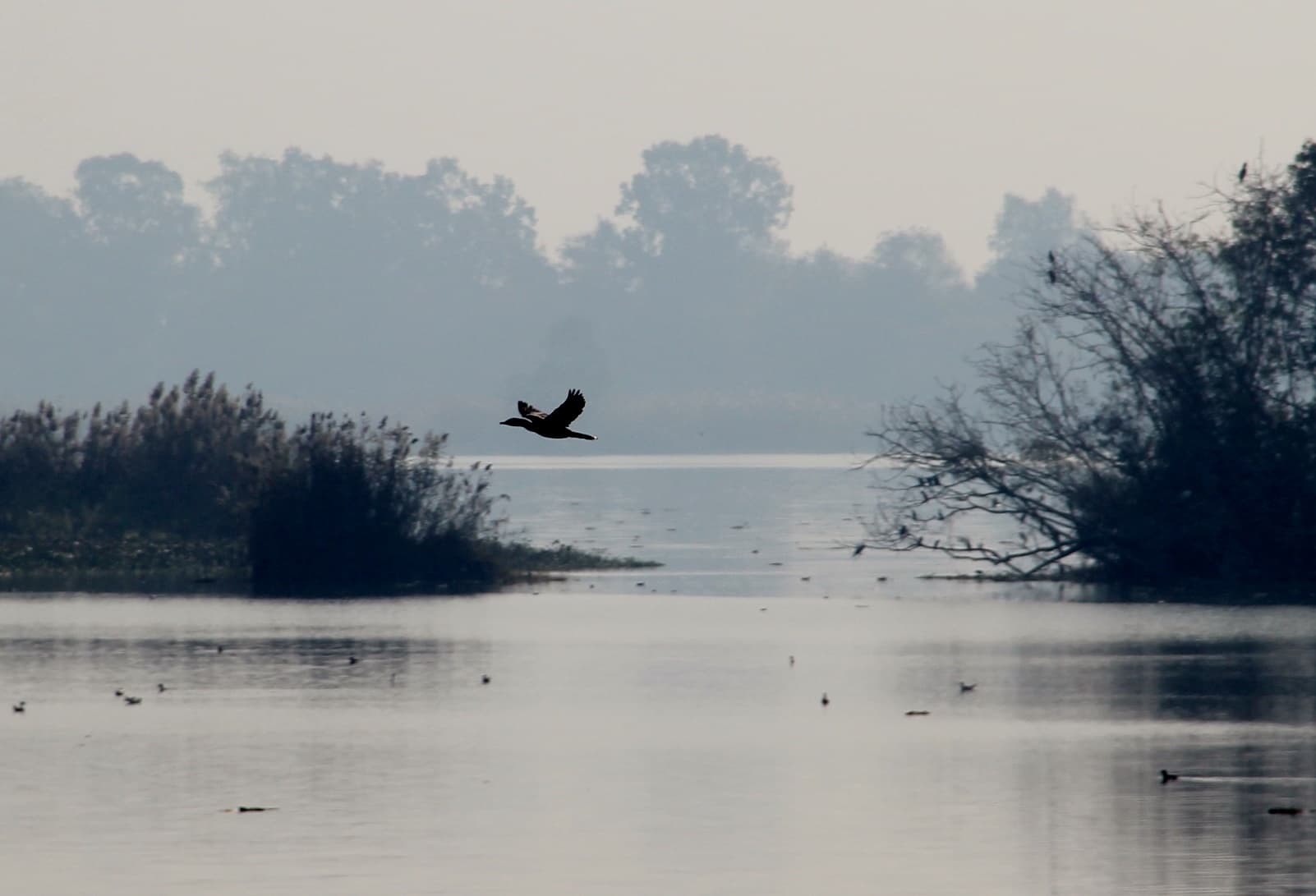
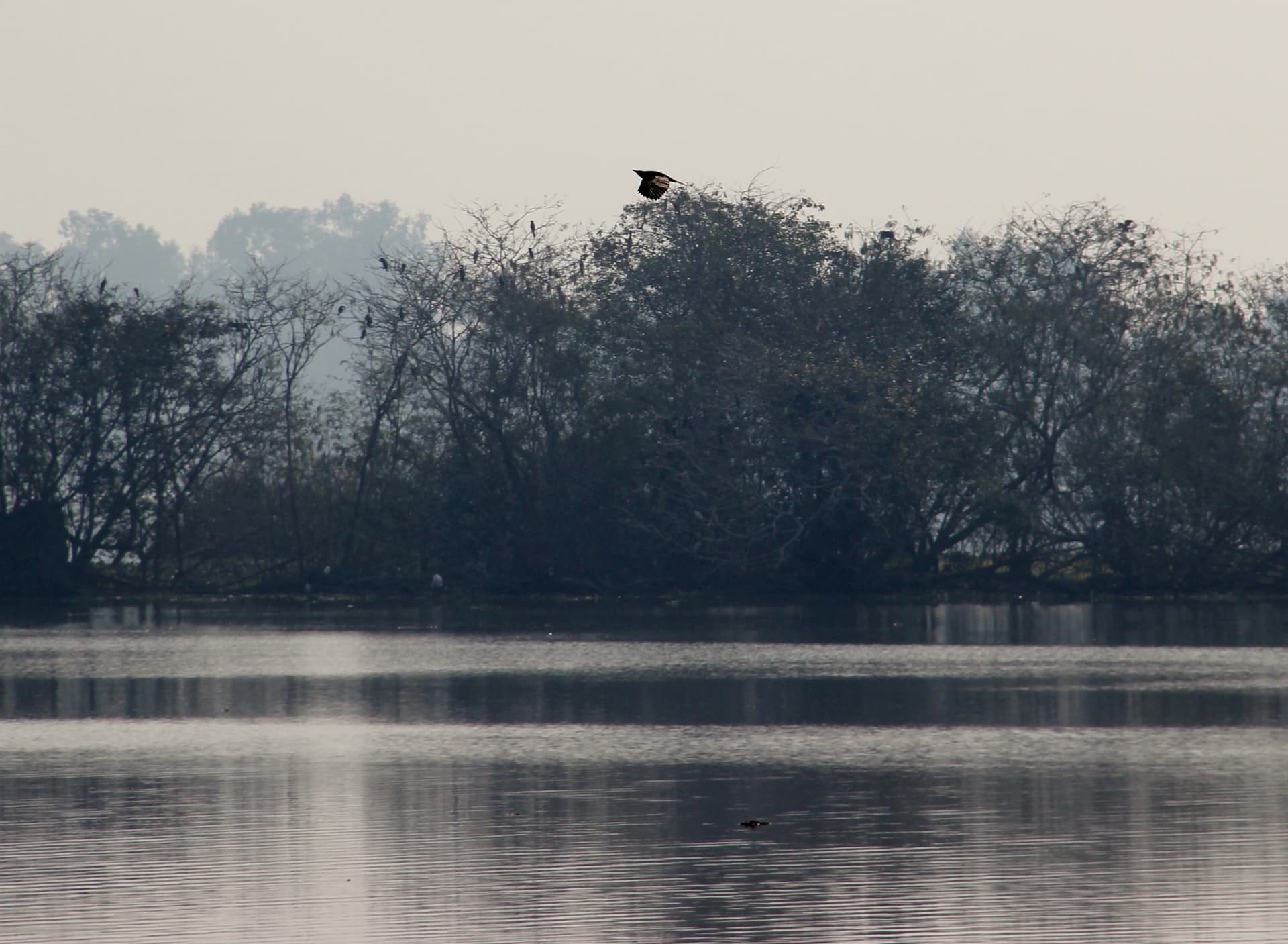
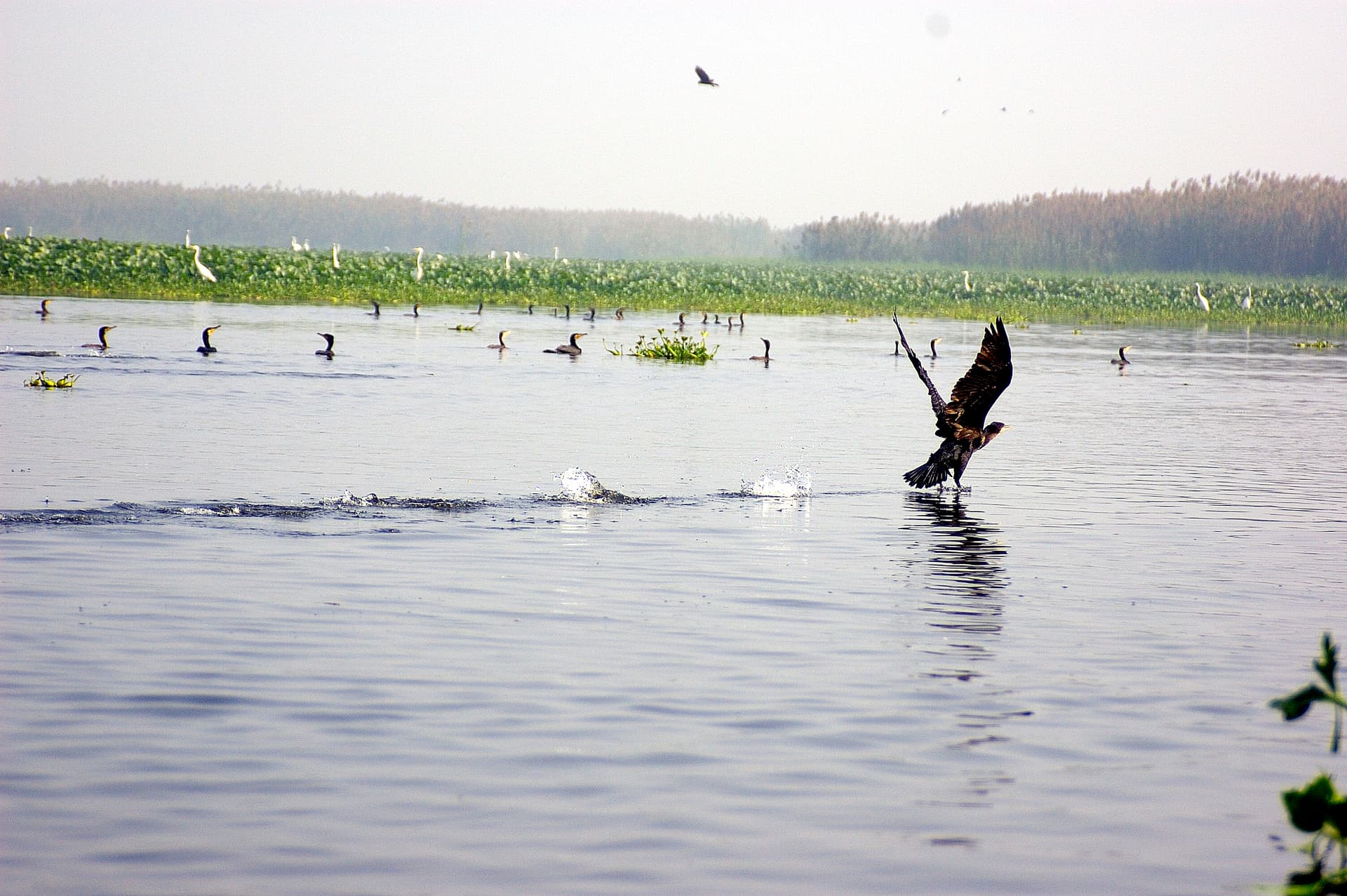
Biodiversity: Harike Wetlands is renowned for its rich biodiversity. The wetland supports over 200 species of birds, making it a birdwatcher’s paradise. During the winter months, the wetlands become a temporary home for migratory birds from as far as Siberia and the Arctic. Species such as the Eurasian wigeon, common teal, and bar-headed goose are commonly sighted. Apart from birds, the wetlands also host various species of fish, amphibians, reptiles, and mammals, contributing to their ecological importance.
Scenic Beauty: The wetlands offer breathtaking natural scenery. The vast expanse of water, interspersed with lush green vegetation, creates a serene and picturesque landscape. The tranquil environment, combined with the sounds of chirping birds and flowing water, makes it an ideal spot for relaxation and photography.
Ecological Importance: Harike Wetlands play a vital role in maintaining the ecological balance of the region. They act as a natural water purifier, trapping sediments and absorbing pollutants, thus improving water quality. The wetlands also help with groundwater recharge and flood control, providing essential ecosystem services.
Bird Watching and Nature Trails: The wetlands offer excellent opportunities for bird watching and nature trails. Designated watchtowers and observation points are strategically placed to offer the best views of the avian population. Guided tours are available, providing insights into the various species and the ecological significance of the wetlands. Nature trails around the wetlands allow visitors to explore the diverse flora and fauna up close.
Nearby Attractions

Keshopur-Miani Community Reserve: Located approximately 70 kilometers from Harike Wetlands, Keshopur-Miani Community Reserve is another important bird sanctuary in Punjab. It provides a similar bird-watching experience and serves as an extension of the biodiversity seen at Harike.
Kapurthala: About 35 kilometers from Harike Wetlands, Kapurthala is known for its architectural marvels, including the Jagatjit Palace and the Moorish Mosque. The town offers a glimpse into the royal history and cultural heritage of Punjab.
Amritsar: Situated around 65 kilometers from Harike Wetlands, Amritsar is home to the iconic Golden Temple and the historic Jallianwala Bagh. Visitors can explore the rich cultural and historical sites of Amritsar before or after their trip to Harike.
Gurdwara Darbar Sahib, Tarn Taran: Approximately 35 kilometers from Harike Wetlands, this gurdwara is a significant Sikh pilgrimage site. Known for its serene ambiance and historical importance, it is worth a visit for those interested in Sikh history and architecture.
Best Time to Visit
The best time to visit Harike Wetlands is during the winter months, from November to March. During this period, the wetlands are teeming with migratory birds, offering a spectacular bird-watching experience. The weather is also pleasant, making it ideal for outdoor activities and exploration. Early mornings and late afternoons are the best times of the day for bird watching, as this is when birds are most active.

Leave the planning to a local expert
Conclusion
Harike Wetlands is a natural gem that offers a unique blend of ecological significance, scenic beauty, and rich biodiversity. As one of the largest wetlands in northern India, it plays a crucial role in maintaining the region's ecological balance. The wetland's diverse avian population, particularly during the migratory season, makes it a haven for bird watchers and nature enthusiasts. The serene environment, coupled with opportunities for guided tours and nature trails, enhances the overall experience, making it a must-visit destination for anyone interested in nature and wildlife.
In conclusion, Harike Wetlands stands as a testament to the natural beauty and ecological importance of wetland ecosystems. Its rich biodiversity, serene landscapes, and proximity to other attractions make it a valuable destination for eco-tourism in Punjab. A visit to Harike Wetlands not only offers a chance to connect with nature but also underscores the importance of preserving such vital ecological habitats for future generations.