
Jallianwala Bagh
Overview
The tragic historical site of Jallianwala Bagh, located in Amritsar, Punjab, is deeply significant to India's quest for freedom. This location, which is most known for the horrible murder that took place there in 1919, has been converted into a sombre memorial to the victims of British colonial control.
Label: Must visit
How to reach: Bike, bus, taxi, auto
Timings: 6:30 AM to 7:30 PM
Time Required: 2 hours
Entry Fee: Free
Key Features
Historical Significance: Jallianwala Bagh is most famous for the tragic incident that took place on April 13, 1919. On this day, British Brigadier General Reginald Dyer ordered his troops to fire upon a peaceful gathering of unarmed Indian civilians protesting against repressive laws. The brutal massacre resulted in hundreds of deaths, although the exact number remains debated. The site is now a powerful symbol of resistance and the quest for freedom.
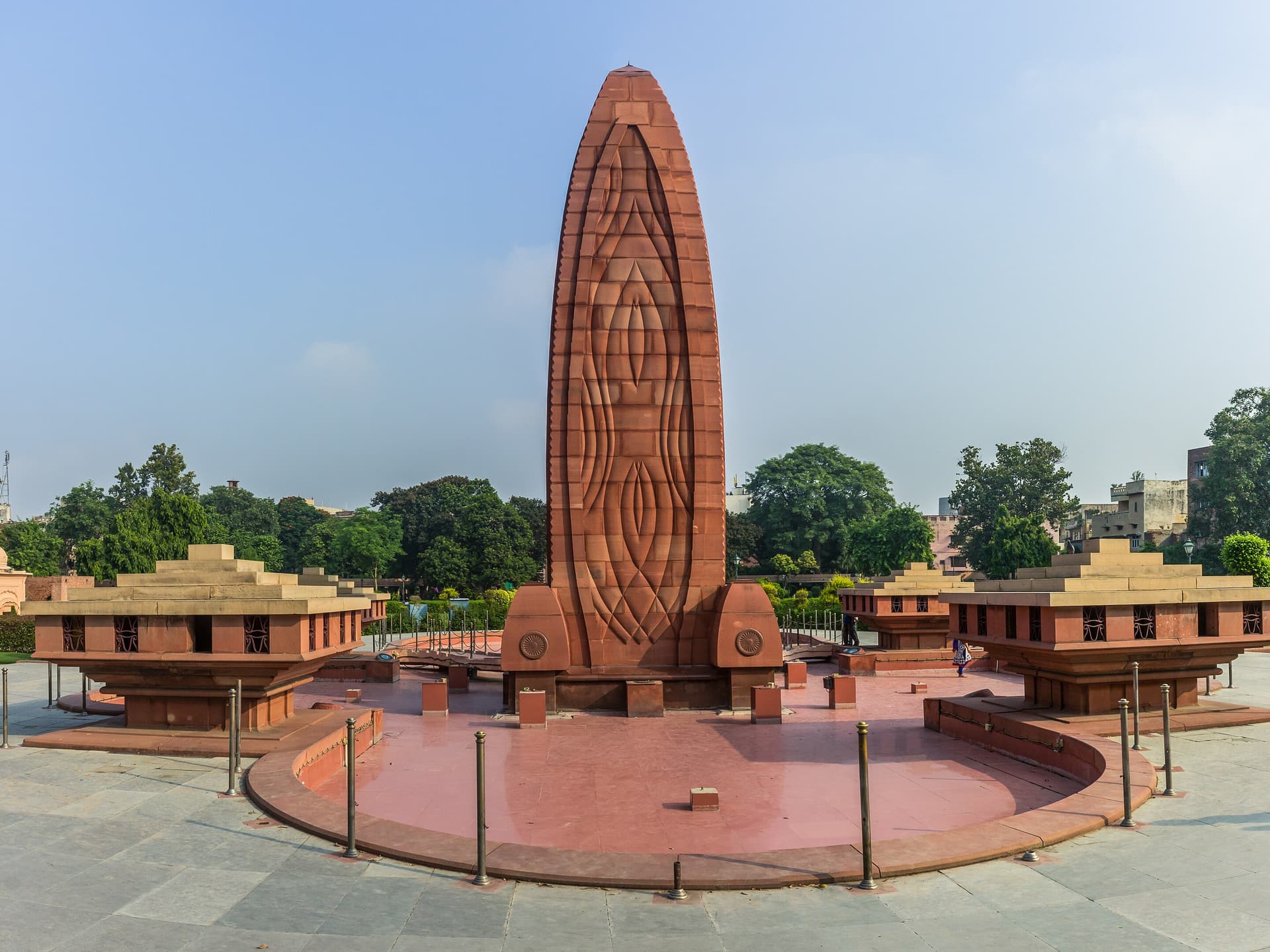
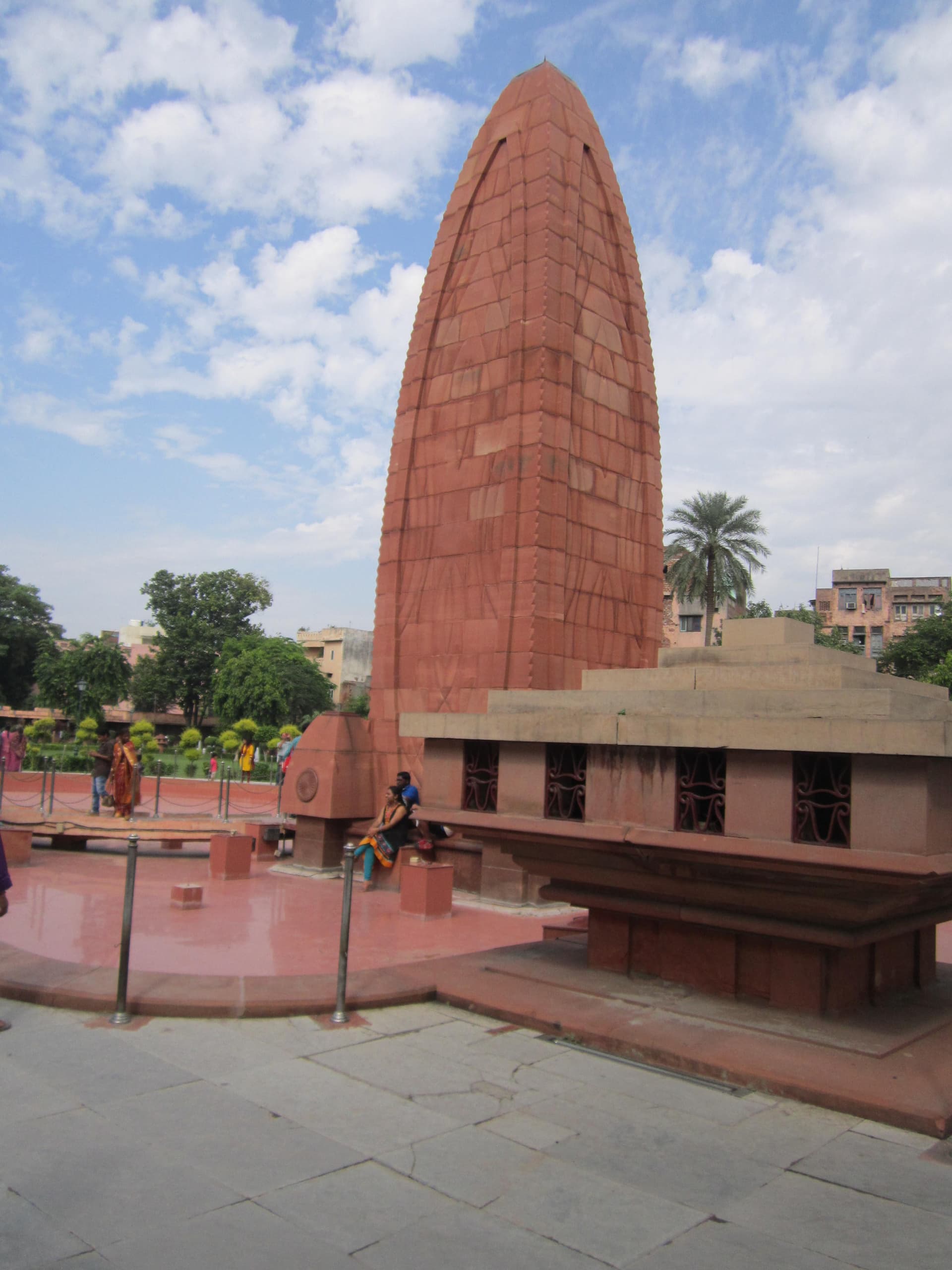
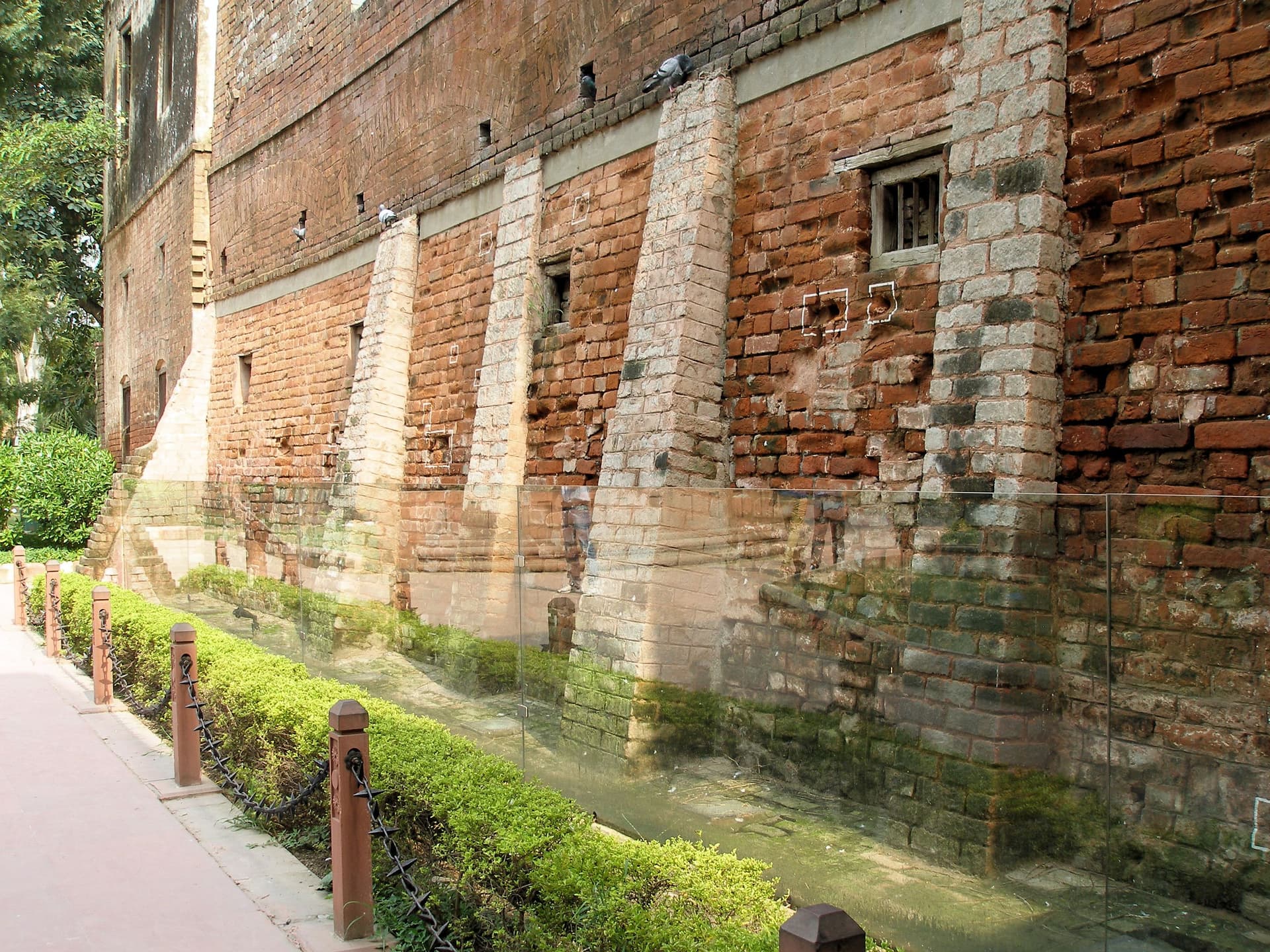
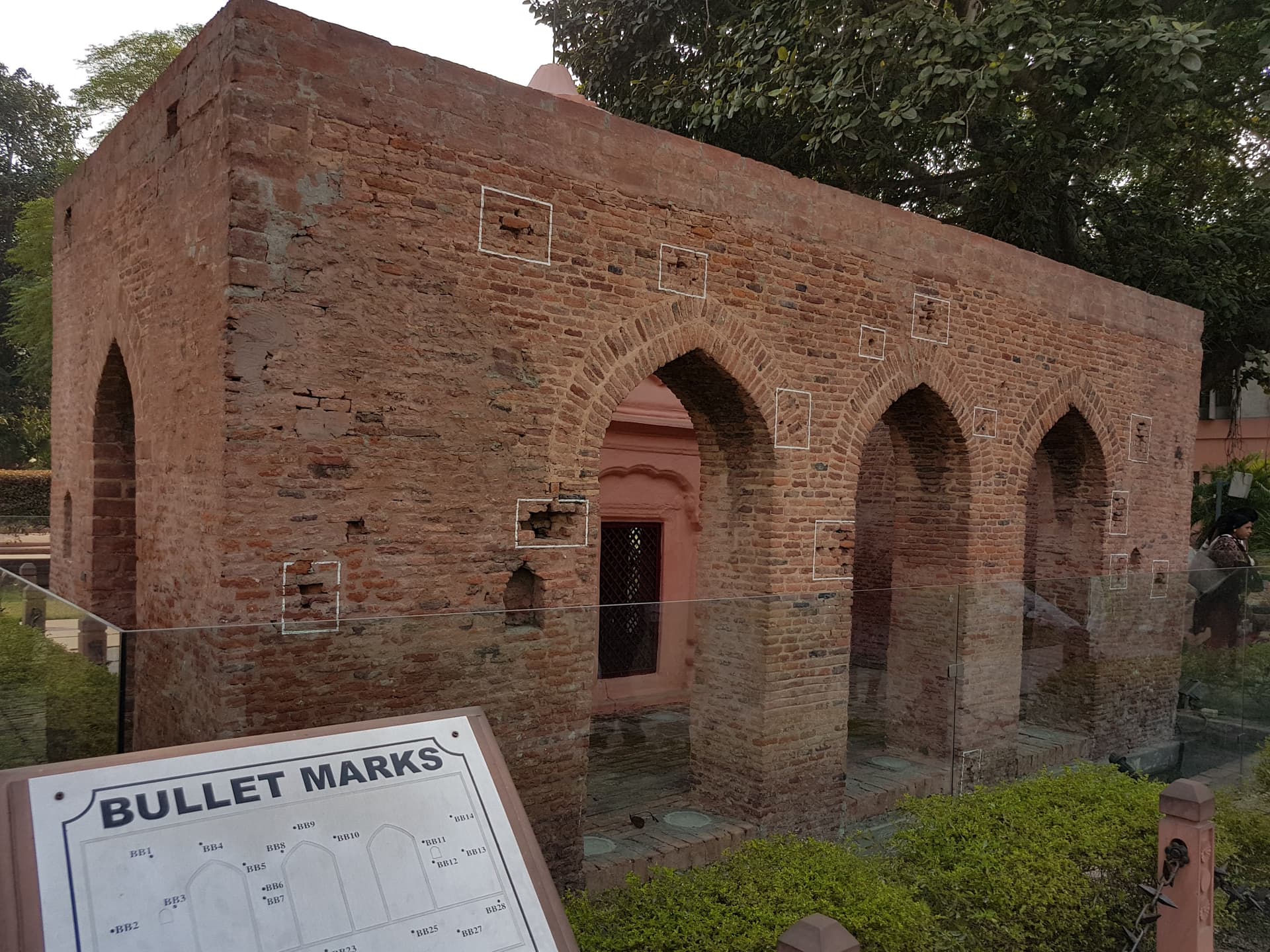
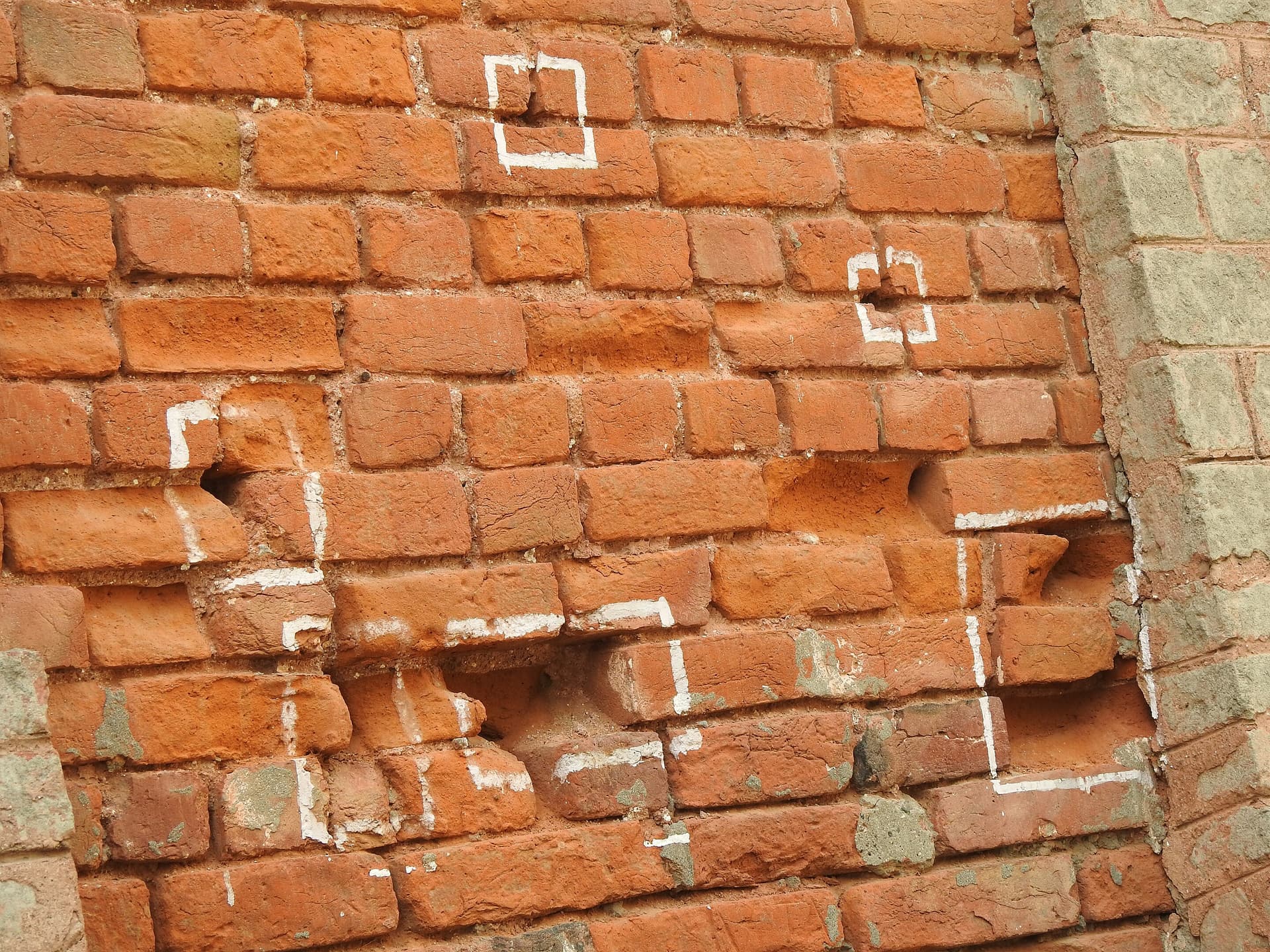
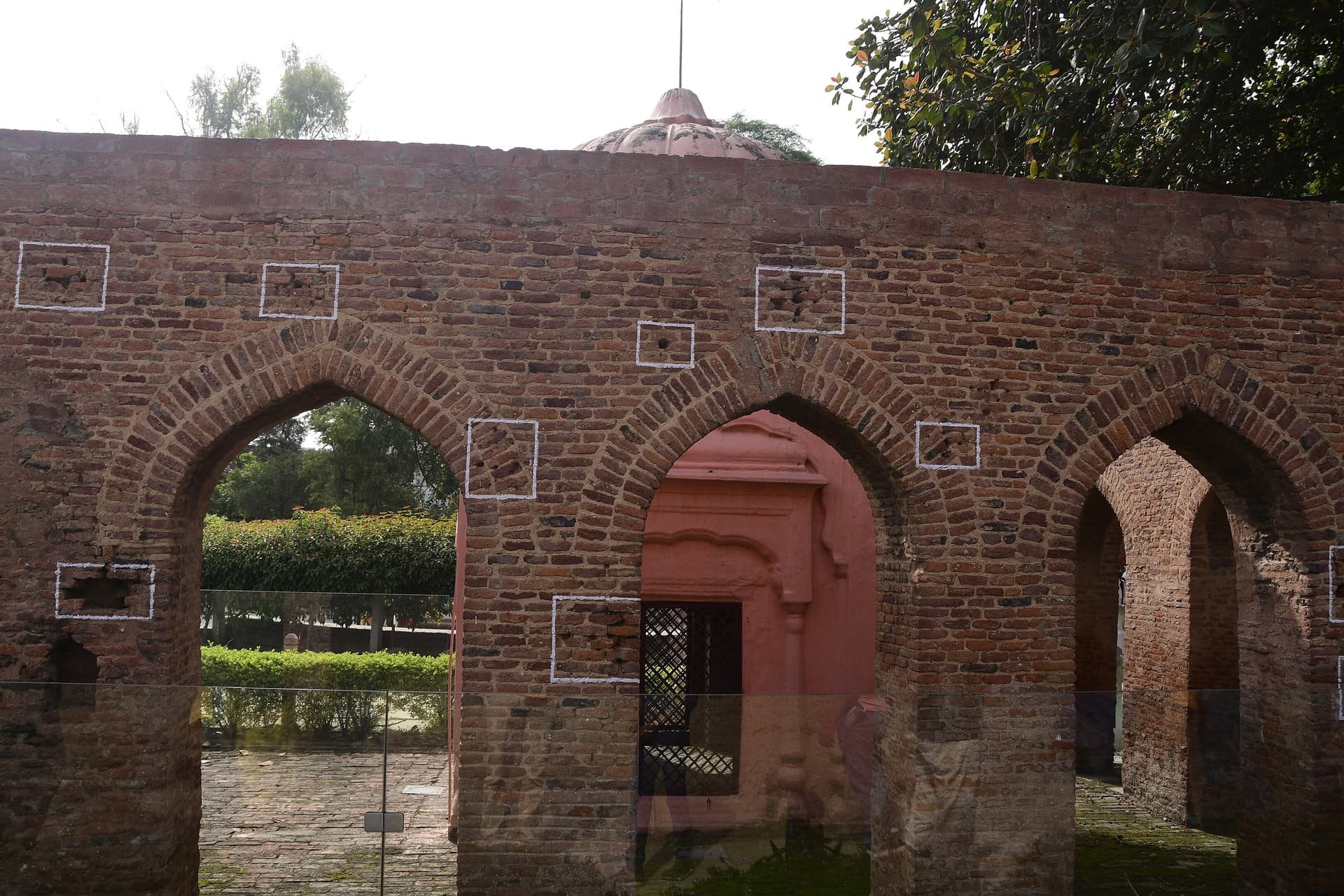
Memorial and Museum: The park has been transformed into a memorial with various features to honor the victims. A key attraction is the memorial well, where many people jumped in to escape the gunfire, leading to numerous deaths. The bullet marks on the walls of the park are preserved as a stark reminder of the violence. A museum within the complex provides detailed exhibits and information about the events of the massacre, offering visitors a deeper understanding of the historical context.
Garden and Architecture: The park itself is laid out as a garden, designed to offer a peaceful setting amidst the historical gravity. The layout includes various memorials and plaques dedicated to those who lost their lives. The architecture of the memorial reflects early 20th-century colonial designs, adding to the historical ambiance.
Nearby Attractions
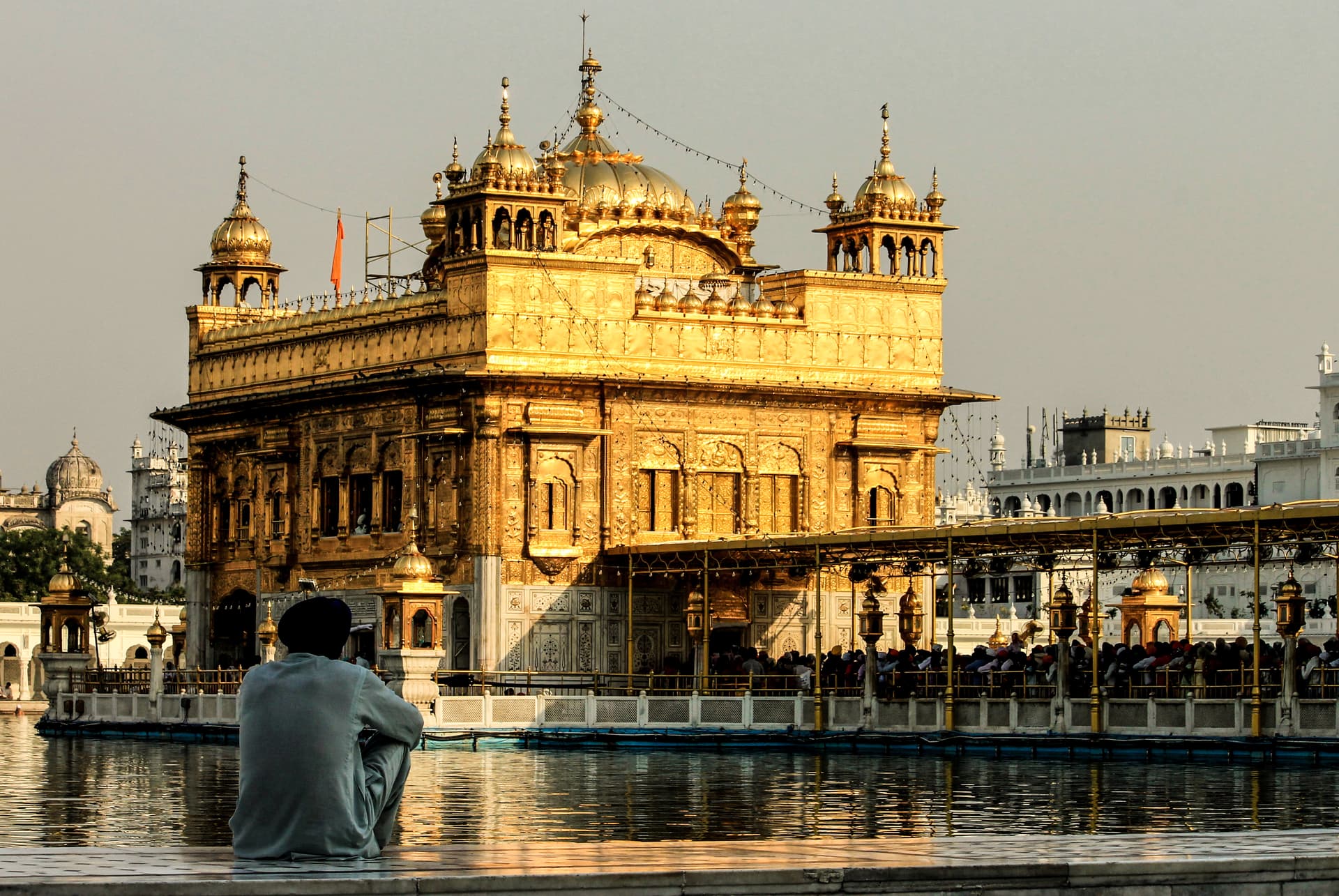
Golden Temple: Just a short distance from Jallianwala Bagh, the Golden Temple is the holiest shrine in Sikhism and a major attraction in Amritsar. Its golden façade and serene surroundings offer a spiritual retreat and a striking contrast to the somber history of Jallianwala Bagh.
Wagah Border: Located approximately 30 kilometers from Amritsar, the Wagah Border is renowned for the daily Beating Retreat Ceremony, which is a grand display of ceremonial military activity between India and Pakistan. This site provides a patriotic experience and a unique view of Indo-Pakistani relations.
Gobindgarh Fort: A historic fort located near Jallianwala Bagh, Gobindgarh Fort has been recently renovated and features exhibits on Punjab's history, including cultural performances and interactive displays. It offers insights into the region’s heritage and history.
Partition Museum: Situated in the Town Hall of Amritsar, the Partition Museum provides a detailed account of the 1947 partition of India and Pakistan, featuring artifacts, personal stories, and historical documentation related to this critical event.
Best Time to Visit
The best time to visit Jallianwala Bagh is from October to March. During these months, the weather in Amritsar is relatively mild and pleasant, making it comfortable for sightseeing and exploring. The summer months (April to June) can be extremely hot, with temperatures often exceeding 40 °C (104 °F), which can make visits less enjoyable. The winter months (December to February) are particularly popular, as the cool weather is ideal for outdoor activities and historical tours.

Leave the planning to a local expert
Conclusion
Jallianwala Bagh stands as a powerful testament to India's struggle for independence and a memorial to the innocent lives lost during the tragic massacre of 1919. Its transformation from a site of sorrow to a place of remembrance underscores its importance in the collective memory of the nation.
The park’s memorials, bullet-marked walls, and the well where many perished serve as stark reminders of the brutality of colonial rule and the resilience of the Indian spirit. Visiting Jallianwala Bagh offers not just a historical experience but also a moment of reflection on the sacrifices made for India’s freedom.