
Sri Harmandir Sahib
Overview
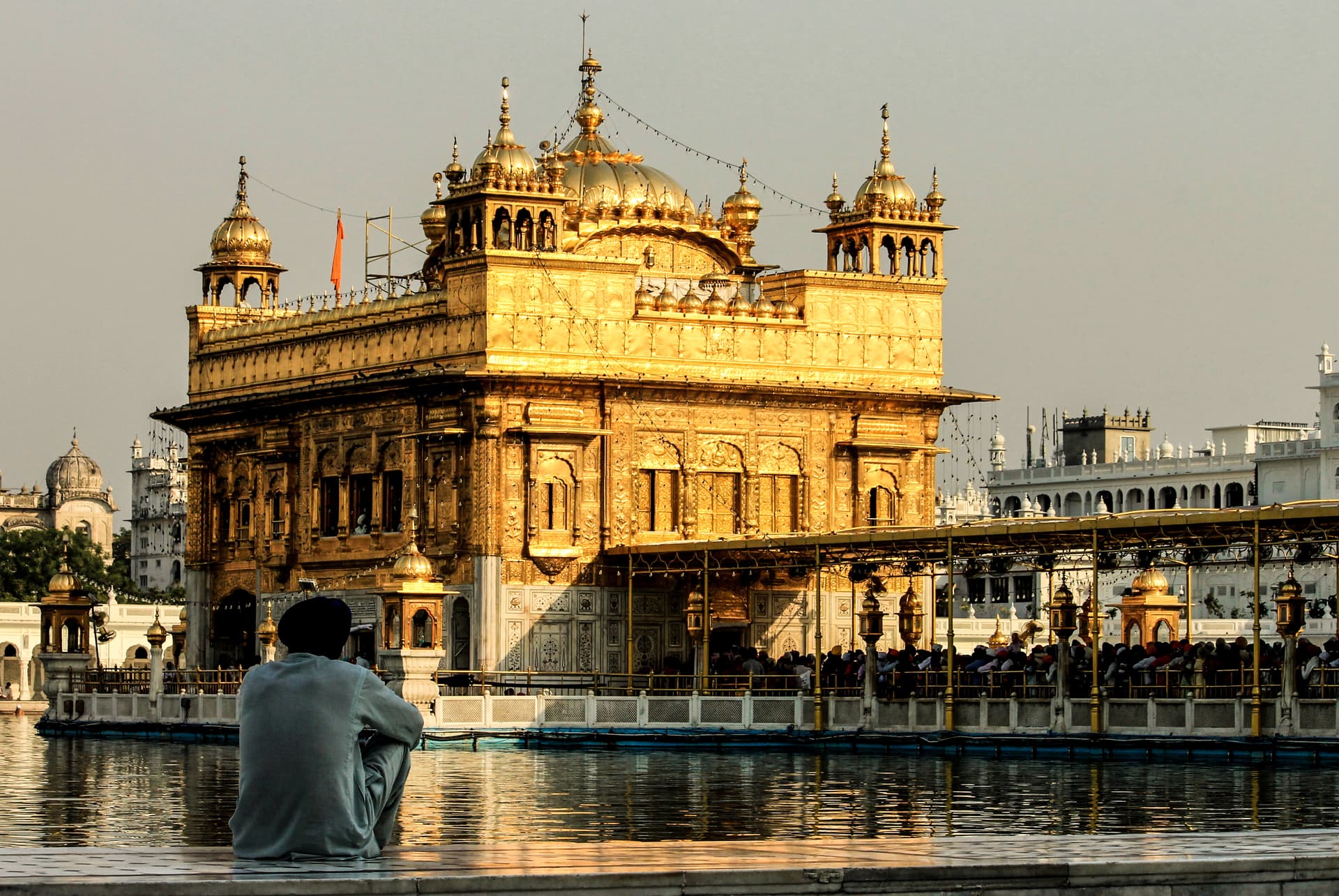
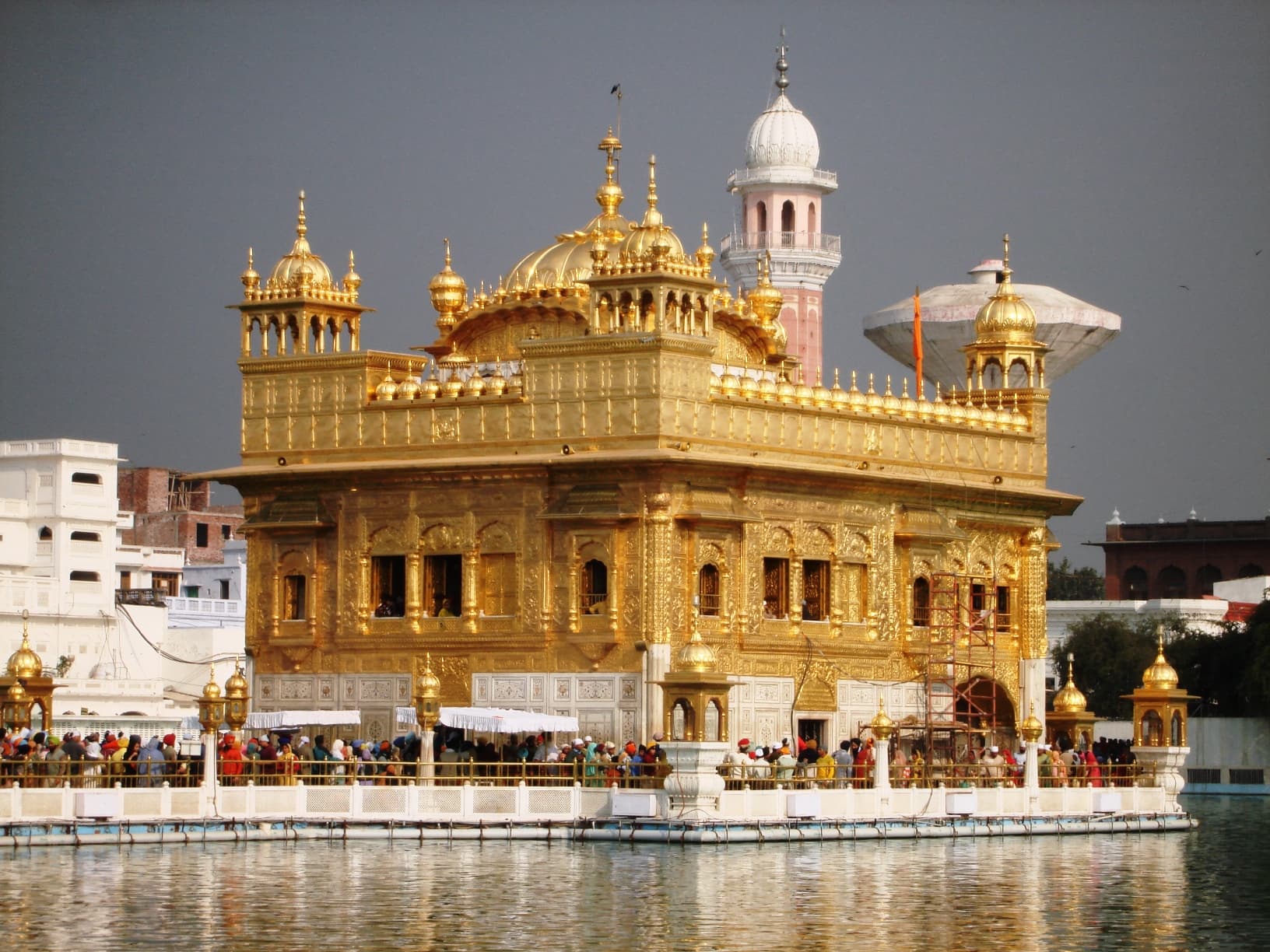
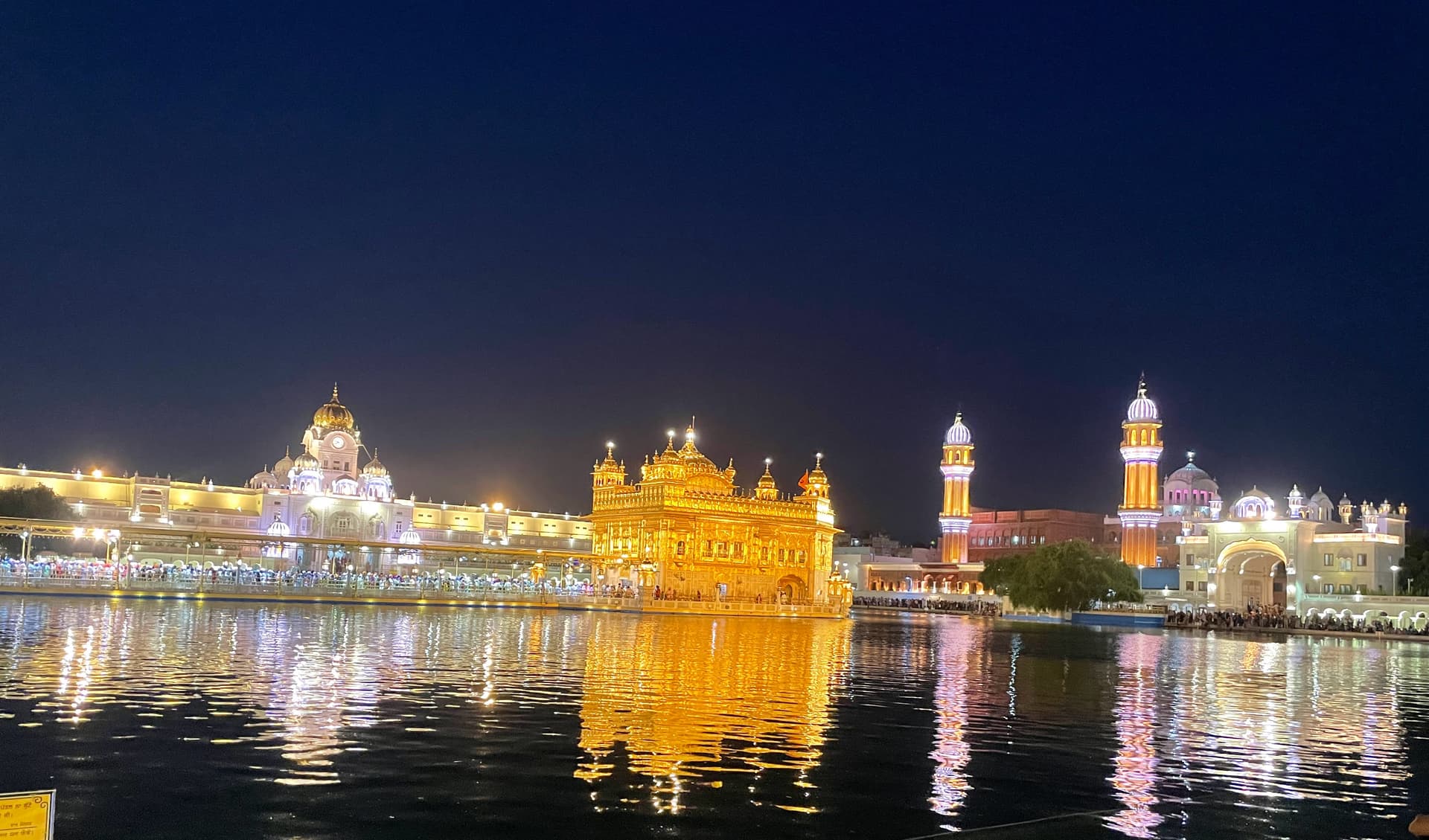
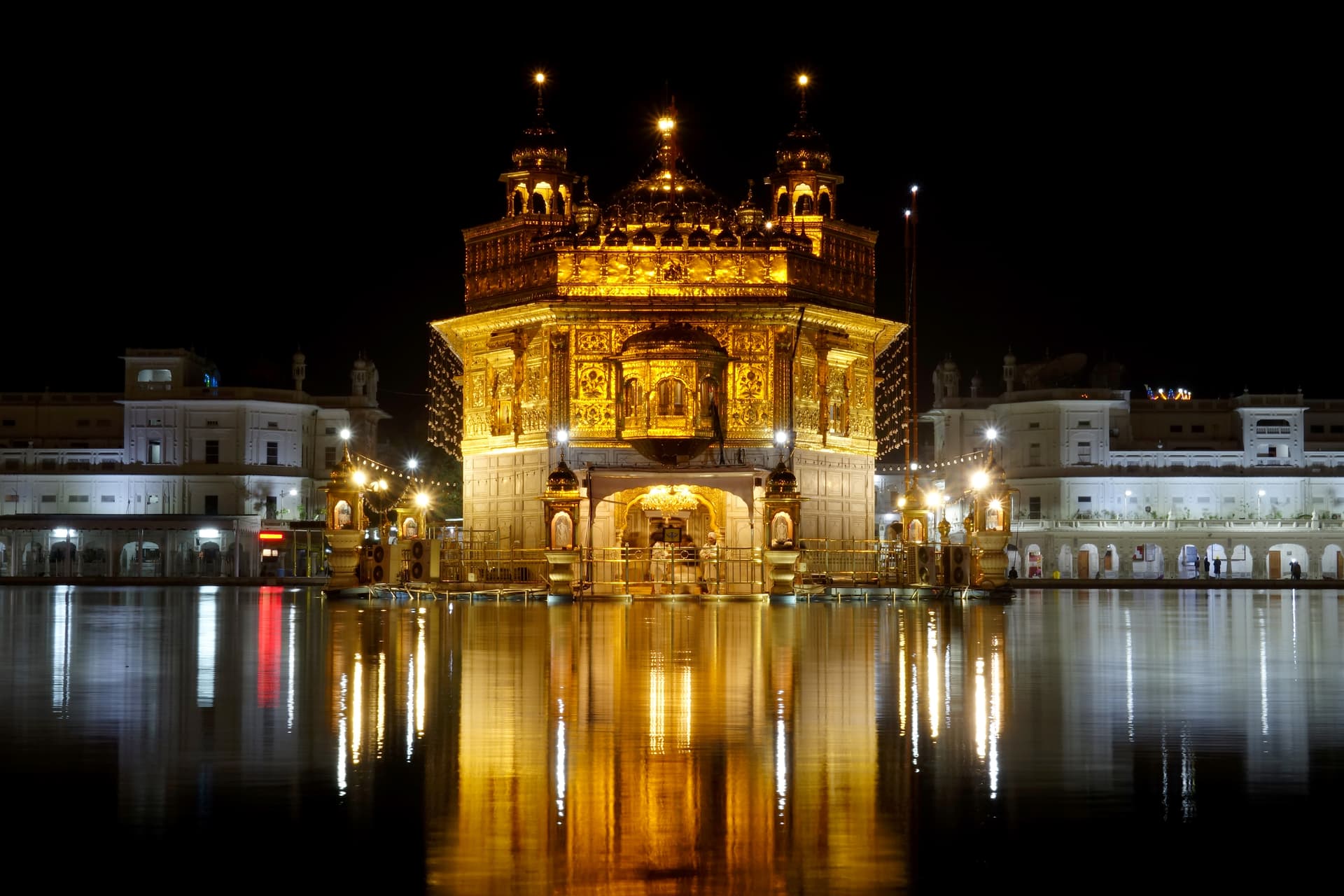
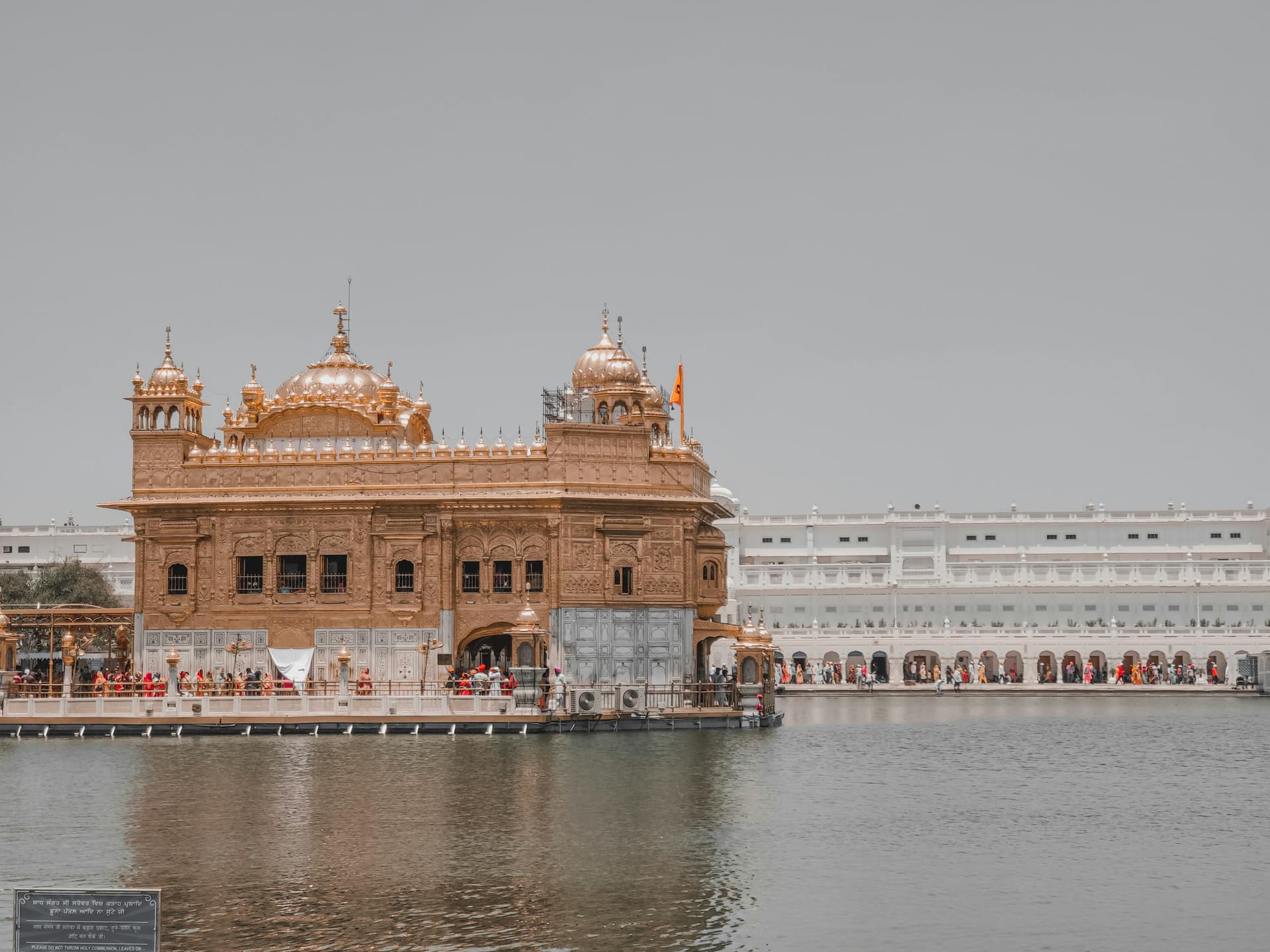
In Amritsar, Punjab, Sri Harmandir Sahib, often referred to as the Golden Temple, is a shining example of architectural beauty, cultural relevance, and spiritual solace. The Golden Temple, the holiest temple in Sikhism, is not only a significant religious location but also a representation of tolerance and unselfish giving.
Label: Must visit
How to reach: Bike, bus, taxi, auto
Timings: 4:00 AM to 10:00 PM
Time Required: 2 hours
Entry Fee: Free
Key Features
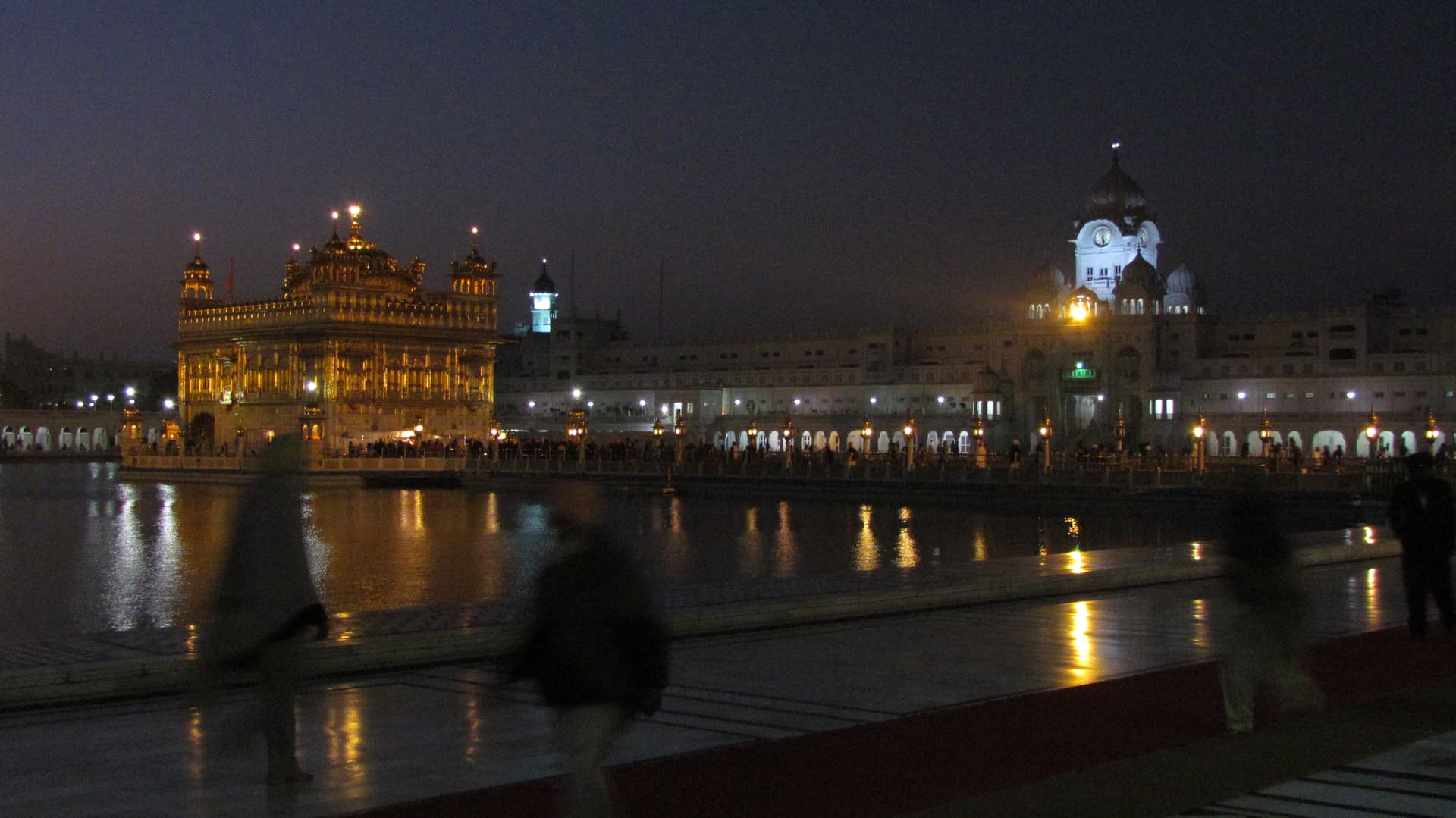
Architectural Marvel: The Golden Temple's architecture is a masterpiece of Indo-Saracenic style, blending elements from Hindu, Islamic, and Persian designs. The temple's golden façade, which gives it its name, is covered in gold leaf and contrasts strikingly with the surrounding white marble. The intricate marble inlay work, especially in the main prayer hall, reflects a high degree of craftsmanship and attention to detail.
The Amrit Sarovar: The temple is set around a large, sacred pool known as the Amrit Sarovar, or “Pool of Nectar.” This serene water body not only enhances the temple’s aesthetic beauty but also holds deep spiritual significance, symbolizing the purity and sanctity of the Sikh faith. Pilgrims and visitors often take a ritualistic dip in the pool, believed to cleanse them of sins and bring peace.
Langar (Community Kitchen): One of the most remarkable aspects of the Golden Temple is its langar, the free community kitchen that serves meals to thousands of visitors daily, regardless of their background or status. This practice of selfless service reflects the Sikh principles of equality and communal support.
The Harmandir Sahib Complex: The complex includes several other significant buildings, such as the Akal Takht, the highest temporal seat of Sikh authority, and the Guru Ram Das Langar Hall. The overall layout is designed to encourage a sense of calm and spiritual introspection.
Nearby Attractions
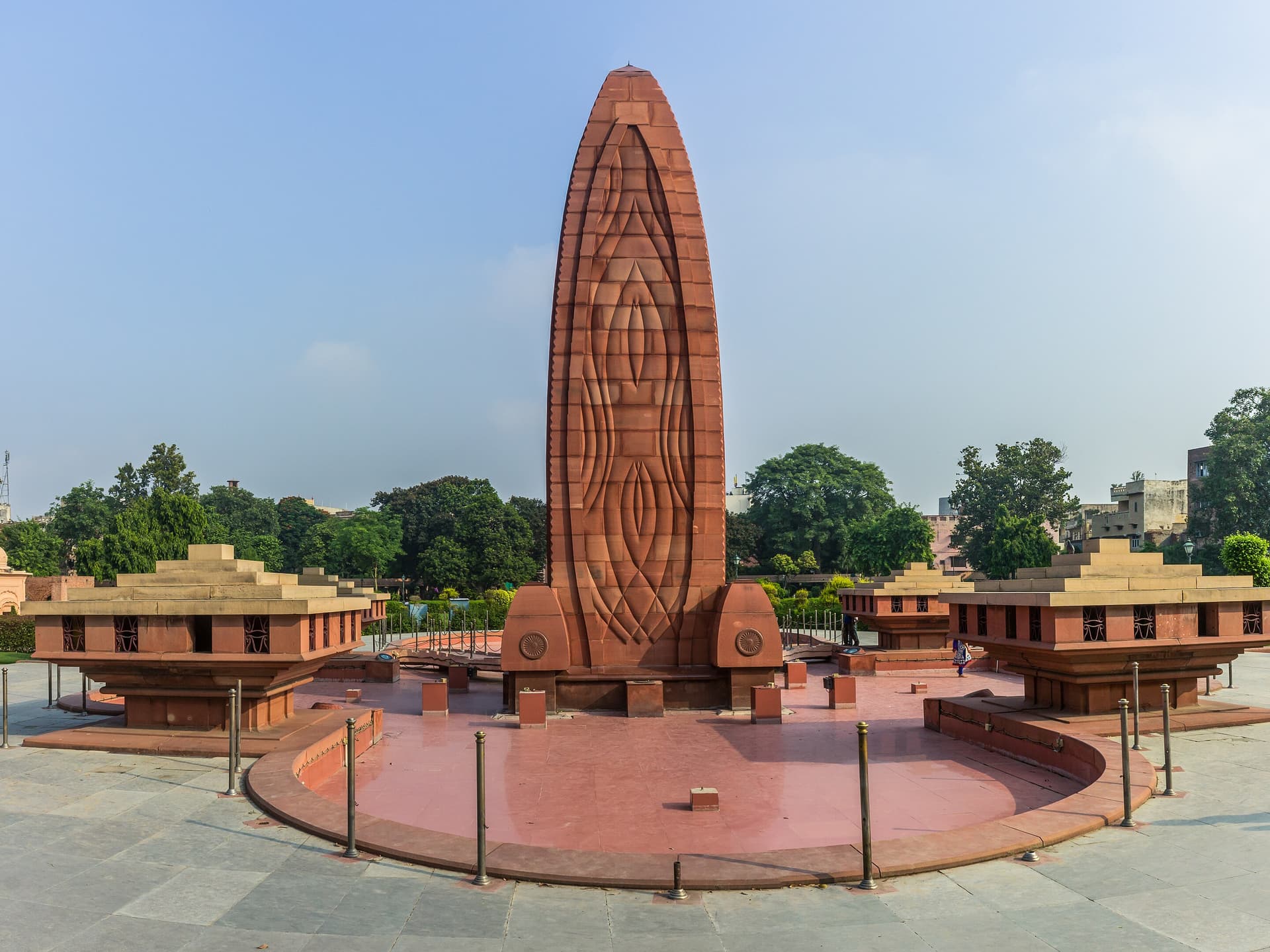
Jallianwala Bagh: Located about a kilometer from the Golden Temple, Jallianwala Bagh is a historical garden and memorial commemorating the 1919 massacre where British troops killed hundreds of unarmed Indian civilians. It’s a place of reflection on India's struggle for independence.
Wagah Border: Approximately 30 kilometers from Amritsar, the Wagah Border hosts the daily Beating Retreat Ceremony, a dramatic and ceremonial border-closing event involving Indian and Pakistani soldiers. It’s a popular attraction for those interested in military history and patriotic displays.
Gobindgarh Fort: A short drive from the Golden Temple, Gobindgarh Fort is a recently renovated historic fort that offers insights into Punjab's history through interactive exhibits and cultural performances.
Partition Museum: Situated in the Town Hall, this museum provides a poignant look at the 1947 Partition of India and Pakistan, featuring personal stories and historical artifacts related to the event.
Best Time to Visit
The best time to visit the Golden Temple is from October to March. During these months, the weather in Amritsar is cool and pleasant, making it ideal for sightseeing and experiencing the temple’s serene environment. The summer months (April to June) can be extremely hot, with temperatures exceeding 40 °C (104 °F), which might make exploring less comfortable. The winter season (December to February) is particularly popular, as the weather is mild and conducive to extended visits.

Leave the planning to a local expert
Conclusion
Sri Harmandir Sahib, or the Golden Temple, is a profound symbol of Sikhism and an architectural marvel that continues to captivate visitors from around the world. Its golden exterior, tranquil surroundings, and the spirit of selfless service embodied by the langar make it a unique and inspiring destination.
Whether you seek spiritual solace, historical insight, or simply wish to witness a stunning example of Indian architecture, the Golden Temple offers a compelling and immersive experience. Its timeless beauty and enduring principles make it a must-visit destination for anyone traveling to Amritsar.