
Culture
A Complete Guide to Bangalore: History and Architecture
3 minutes
3rd July 2024
 by Shakti Iyer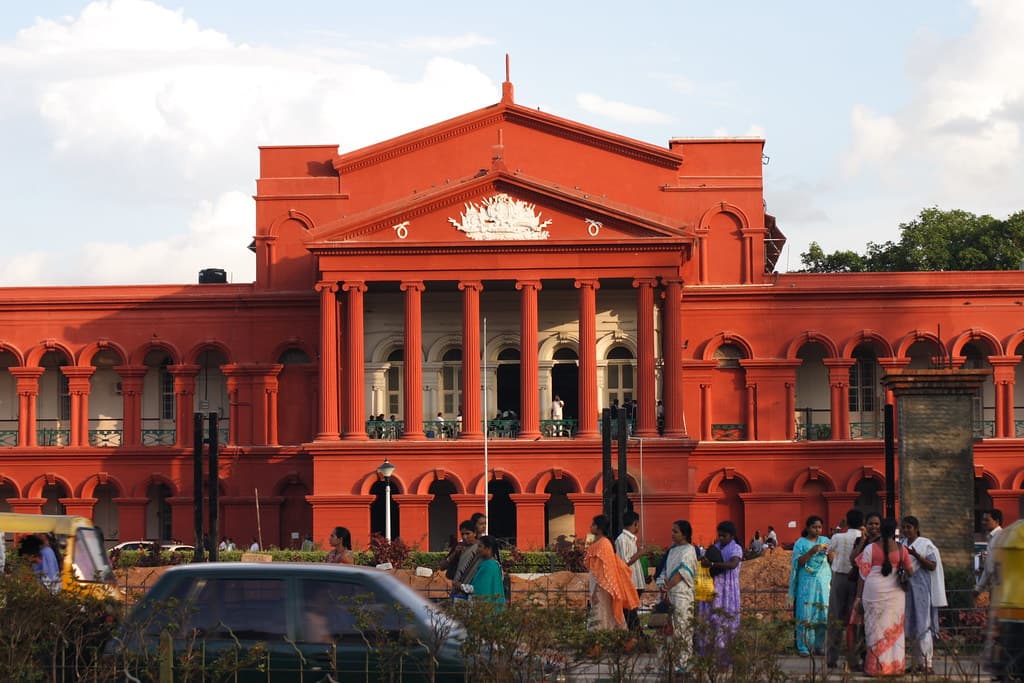
Bangalore has something for everyone....
Bangalore, officially known as Bengaluru, is a city that effortlessly blends the past and the present. Known as the Silicon Valley of India, this bustling metropolis has a rich history and a diverse architectural landscape. Whether you're a tech enthusiast, a history buff, or an architecture aficionado, Bangalore has something for everyone. This guide will take you through the city's vibrant history, stunning architecture, and essential tips for making the most of your visit.
History of Bangalore
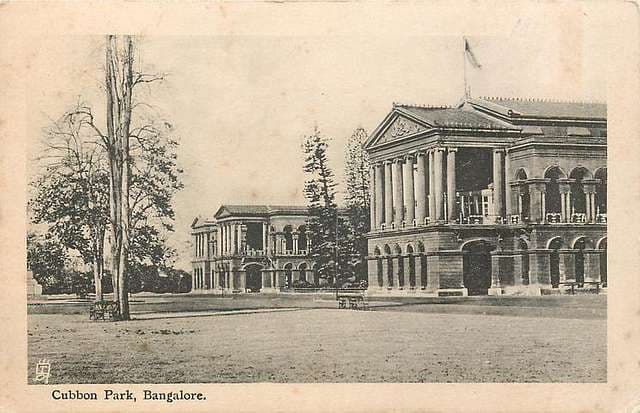
Ancient picture of karnataka high court - Courtesy of Photographer
Bangalore's history dates back to around 890 AD, with the earliest records found in the form of stone inscriptions. The city, originally called "Bengaval-uru" (meaning the city of guards), was founded by the Western Ganga dynasty.
In the 16th century, Kempegowda I, a chieftain under the Vijayanagara Empire, established the foundation of modern Bangalore. He envisioned a city with a robust infrastructure, marked by the construction of forts, temples, and water reservoirs. His planning laid the groundwork for Bangalore's growth into a significant urban center.
The British influence in Bangalore began in the early 19th century. The city became a major military cantonment, which led to the establishment of several colonial-style buildings and infrastructure. This period saw Bangalore transform into a prominent administrative and educational hub.
After India gained independence in 1947, Bangalore emerged as a key center for science and technology. Institutions like the Indian Institute of Science (IISc) and Hindustan Aeronautics Limited (HAL) played a significant role in this transformation. The IT boom of the late 20th century further propelled Bangalore into the global spotlight.
Architecture of Bangalore
Bangalore’s architectural landscape is a fascinating blend of ancient, colonial, and modern styles. Here are some must-visit architectural wonders in the city:
This imposing structure, built in 1956, serves as the seat of the state legislature of Karnataka. Vidhana Soudha is an excellent example of Neo-Dravidian architecture, with intricate carvings and grand staircases. The building is especially breathtaking when illuminated at night.
Inspired by England’s Windsor Castle, Bangalore Palace is a stunning example of Tudor-style architecture. Constructed in 1878 by Chamaraja Wadiyar, the palace features elegant wood carvings, Gothic windows, and battlemented parapets. The expansive grounds host various cultural events and concerts.
A striking example of Indo-Islamic architecture, Tipu Sultan’s Summer Palace was completed in 1791. The two-story structure is made of teak wood and adorned with beautiful frescoes and intricate carvings. It offers a glimpse into the life of Tipu Sultan, the ruler of the Kingdom of Mysore.
Built in 1808, St. Mark’s Cathedral is an architectural gem in Bangalore. The colonial-style church, with its elegant building and towering spire, reflects the British influence on the city’s architecture. The cathedral is known for its exquisite stained-glass windows and peaceful ambiance.
Representing modern Bangalore, UB City is a luxury commercial complex that epitomizes contemporary architecture. Designed by architect Hafeez Contractor, the sleek skyscrapers house high-end retail stores, offices, and fine dining restaurants. UB City is a testament to Bangalore’s rapid urbanization and global outlook.
Tips for Exploring Bangalore
- Public Transport: Bangalore has a well-connected public transport system, including buses, auto-rickshaws, and the Namma Metro. The metro is an efficient way to avoid the city’s notorious traffic jams.
- Cab Services: App-based cab services like Uber and Ola are widely available and convenient for getting around the city.
Best Time to Visit
- Weather: Bangalore enjoys a moderate climate throughout the year. The best time to visit is from October to February when the weather is pleasant and ideal for sightseeing.
- Festivals: Plan your trip around major festivals like Dussehra, Diwali, and the Bangalore Karaga for a glimpse of the city’s vibrant culture.
Accommodation
- Luxury Hotels: For a lavish stay, consider hotels like The Leela Palace, Taj West End, or ITC Gardenia. These hotels offer world-class amenities and impeccable service.
- Budget Options: For budget travelers, there are numerous mid-range and budget hotels available. Areas like MG Road, Indiranagar, and Koramangala have plenty of affordable options.
Food and Dining
- Local Cuisine: Don’t miss out on Bangalore’s local cuisine. Try dishes like Benne Dosa, Bisi Bele Bath, and Mysore Pak. Popular eateries include MTR, Vidyarthi Bhavan, and CTR.
- Global Flavors: Bangalore’s cosmopolitan culture means you can find a variety of international cuisines. Areas like Indiranagar and Koramangala are known for their trendy cafes and global dining options.
Shopping
- Commercial Street: A shopper’s paradise, Commercial Street offers a mix of high-street brands and local boutiques. It’s the perfect place to shop for clothing, accessories, and souvenirs.
- Brigade Road: Another popular shopping destination, Brigade Road is known for its vibrant atmosphere and eclectic mix of stores. From electronics to fashion, you’ll find it all here.
- Local Markets: For a more traditional shopping experience, visit markets like KR Market and Gandhi Bazaar. These bustling markets are great for purchasing fresh produce, flowers, and traditional items.
Cultural Experiences
- Art Galleries: Bangalore has a thriving art scene with numerous galleries showcasing contemporary and traditional art. Venues like National Gallery of Modern Art and Venkatappa Art Gallery are worth a visit.
- Theatre and Music: The city has a vibrant performing arts scene. Catch a play at Ranga Shankara or attend a concert at Chowdiah Memorial Hall to experience Bangalore’s cultural richness.
- Parks and Gardens: Known as the Garden City, Bangalore is home to lush green spaces like Lalbagh Botanical Garden and Cubbon Park. These parks offer a serene escape from the urban hustle.
Final Thoughts
Bangalore is a city that has something for everyone. Its rich history, diverse architecture, and dynamic culture make it a fascinating destination. Whether you’re exploring ancient temples, admiring colonial buildings, or enjoying the city’s modern amenities, Bangalore promises an unforgettable experience. Use this guide to navigate the city’s many offerings and make the most of your visit to this vibrant metropolis.