
Culture
The Art of Thai Massage
5 minutes
3rd June 2024
 by Malayanur Rohit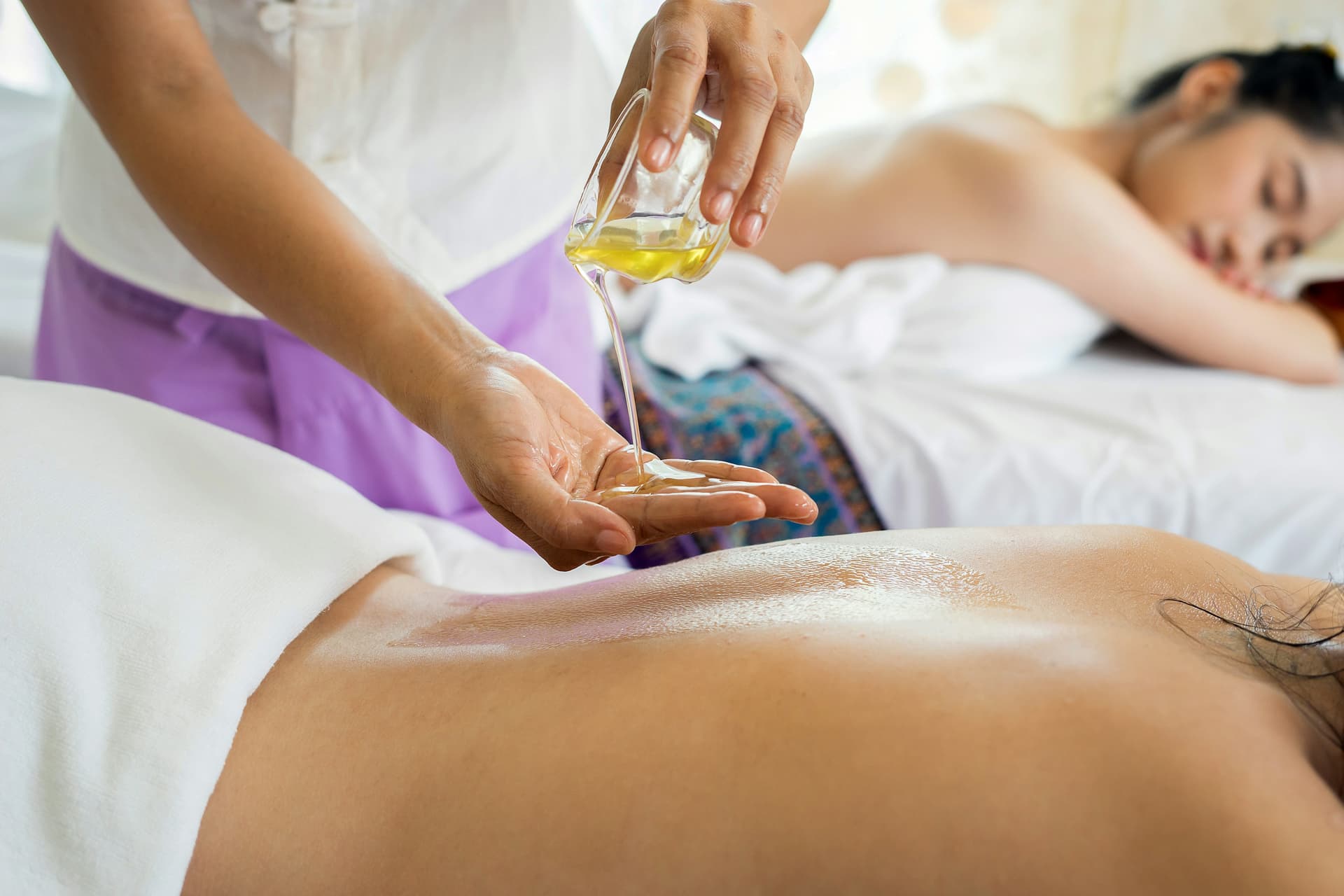
Origins and Practices in Bangkok's Wellness Culture
In the busy streets of Bangkok, between the vivid markets and towering skyscrapers, is a centuries-old custom that has become associated with Thailand's cultural heritage: Thai massage. Thai massage, known for its therapeutic advantages and holistic approach to treatment, has charmed people from all over the world and plays an important role in Bangkok's burgeoning health culture.
Thai massage (Nuad Boran) dates back over 2,500 years to ancient India and is profoundly steeped in Buddhist teachings and traditional healing techniques. Thai massage, which takes influence from yoga, Ayurveda, and Chinese medicine, uses gentle stretching, acupressure, and rhythmic compression methods to relieve stress, enhance circulation, and promote general well-being.
Thai massage has become a recognised art form in Bangkok, with various spas, massage parlours, and wellness centres providing a diverse range of therapies to meet every need and inclination. Visitors to Bangkok have a plethora of options for partaking in this ancient medicinal technique, ranging from basic Thai massage to specialised therapies such as herbal compress massage and foot reflexology.
Join us on a journey into the history, traditions, and therapeutic advantages of Thai massage as we explore Bangkok's thriving health culture and experience the transformational power of this age-old art form.
Origins
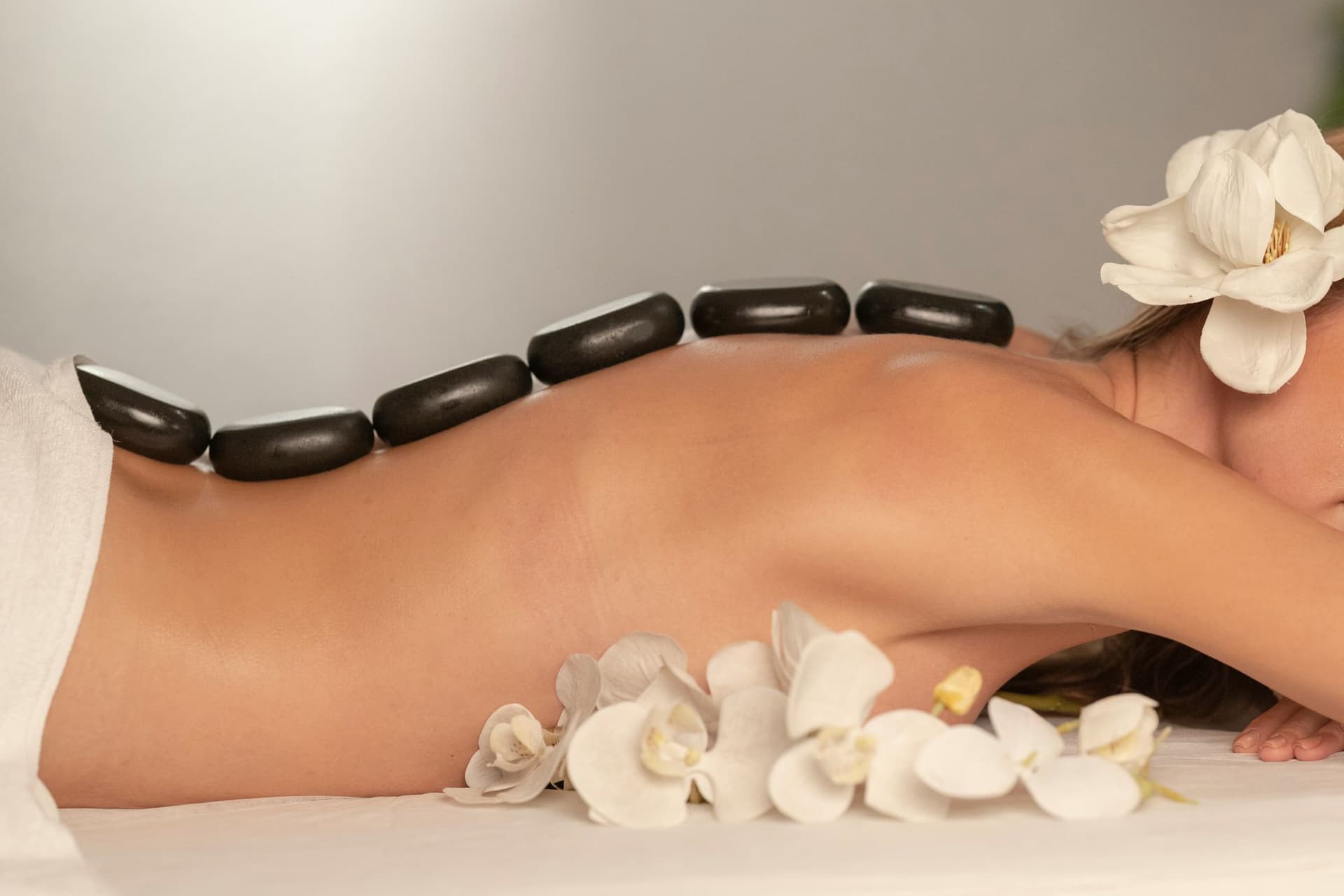
A women indulging in Thai massage - Courtesy of Photographer
When one examines the evolution of Thai therapeutic massage techniques, one realises that the oldest origins of Thai massage may be found in India rather than Thailand. The fabled creator of the art is thought to have been a doctor from northern India. Jivaka Kumar Bhaccha, a contemporary of the Buddha, served as the Magadha King Bimbisara's personal physician more than 2,500 years ago. Kumar Bhaccha's teachings most likely arrived in what is now Thailand at the same time as Buddhism, maybe as early as the third or second century B.C.
The Indian roots and impact are apparent here, since this notion is obviously based on yoga philosophy. According to yoga philosophy, life energy (prana) is absorbed through the air we breathe and the food we eat. The human body receives this critical energy through a network of energy channels known as the Prana Nadis. Thai massage has chosen ten major energy channels with particularly essential acupressure spots. Massaging these lines and points allows you to cure a wide range of ailments and reduce pain. The ten major lines are adequate to provide practical therapy for the entire body and its internal organs.
Thai massage developed into a distinct discipline that combines components of traditional Chinese medicine, yoga, and Ayurveda. The practice was largely taught and done at Buddhist temples, with the goal of improving the health and well-being of monks and other members of the community.
Recent Developments
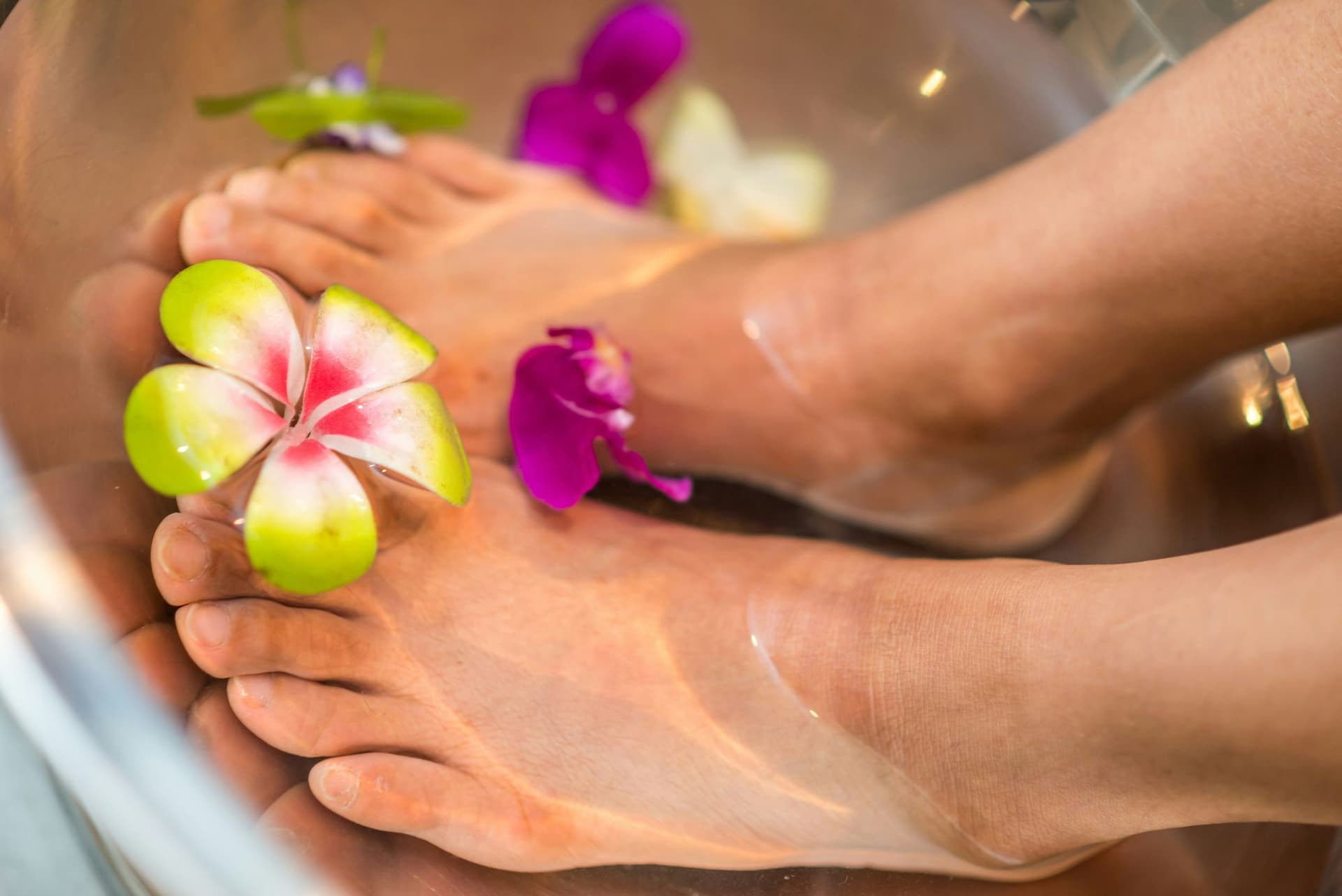
feet massage - Courtesy of Photographer
Thai massage gained popularity outside of temple settings in the 19th century, making it more freely available to the general population. At the same time, Western medicine was gaining traction in Thailand, and Thai massage practitioners began to incorporate Western anatomy and physiology into their teachings.
In the mid-twentieth century, Pehr Henrik Ling, renowned as the founder of Swedish massage, visited Thailand and was pleased with Thai massage's efficiency. Ling's visit piqued Western practitioners' interest in Thai massage, and the technique grew in popularity.
Thai massage is currently widely performed across the world, and it is well-known for its comprehensive approach to treatment. Thai massage practitioners seek to balance the body's energy flow, known as "sen lines," by combining stretching, acupressure, and other techniques to relieve stress and promote relaxation.
Role of Buddhism in Thai Massage
Buddhism had an essential influence in the creation of Thai massage, and many of the methods utilised in the practice are based on Buddhist teachings. In Buddhism, the body is viewed as a receptacle for the mind and soul, with physical health regarded as a vital component of general well-being.
Thai massage involves traditional Thai medicinal ideas, which are closely related to Buddhist teachings about balance and harmony. The technique centres on Sen lines, or energy corridors, which are analogous to nadis in yoga and acupuncture meridians. Thai massage works by activating these channels with acupressure, stretching, and rhythmic compressions to relieve blockages and restore free flow of energy, boosting general well-being.
Thai massage therapists frequently incorporate Buddhist meditation practices into their treatments. Before commencing a session, they may guide the client through a brief meditation to help them relax and become more open to the treatment.

Leave the planning to a local expert
Conclusion
Thai massage is a distinct and complicated discipline that has developed over thousands of years. Its roots may be traced back to ancient Indian healing traditions and Buddha's teachings. Thai massage is becoming a popular kind of bodywork that emphasises holistic treatment and the value of mind-body-spirit harmony.
If you want to learn more about Thai massage, try taking a course or visiting a practitioner in Thailand or your local area. Experience the advantages of Thai massage firsthand to obtain a better knowledge of this ancient healing technique and its role in promoting health and wellness.