
Culture
The Influence of Royalty: Understanding the Monarchy's Impact on Bangkok's Culture
5 minutes
3rd June 2024
 by Malayanur Rohit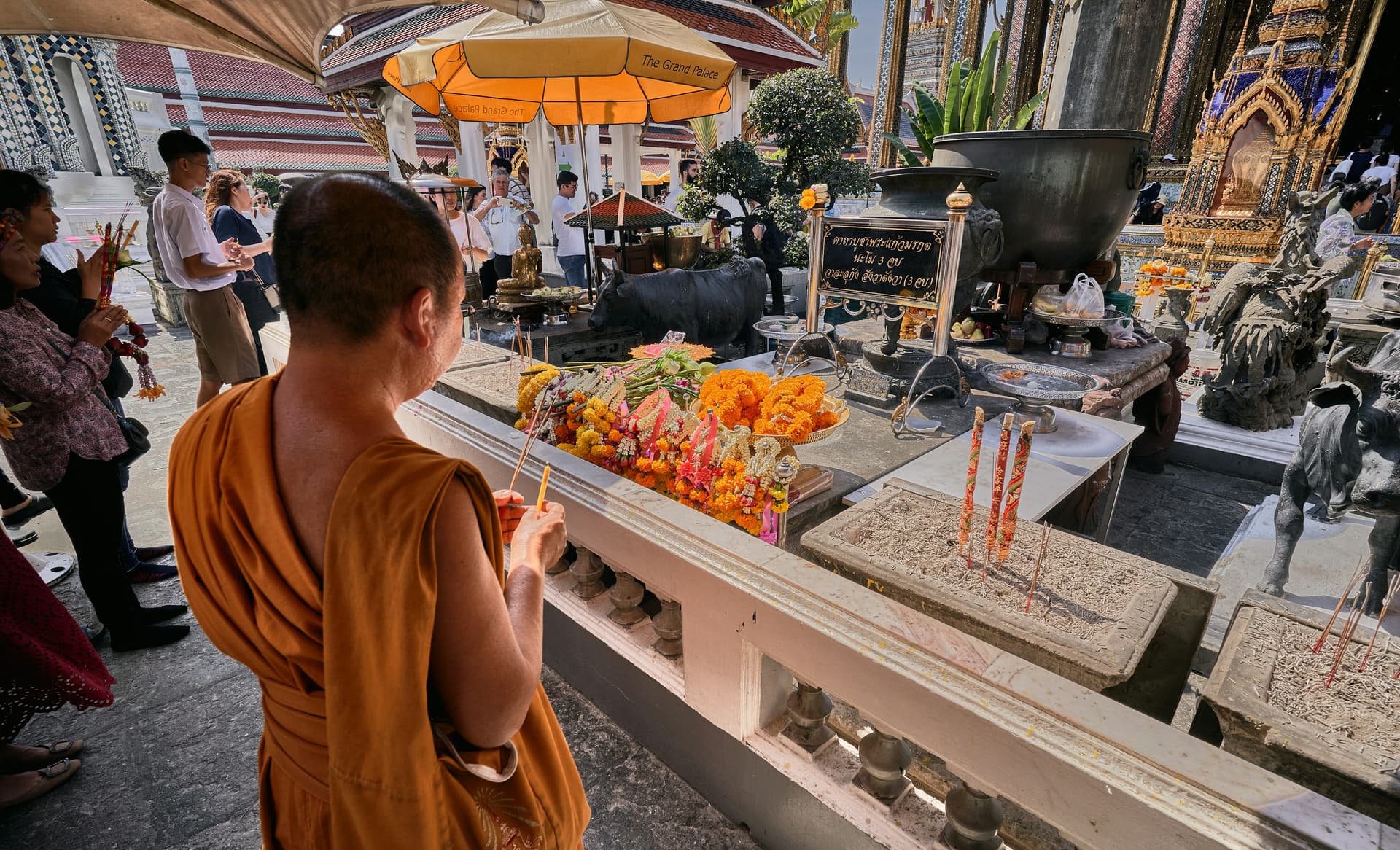
Monarch and its Legacy
The vibrant capital of Thailand, Bangkok, has a rich cultural legacy that is deeply influenced by the monarchy. The people of Thailand hold the Thai monarchy in high regard, and it has been instrumental in forming Bangkok's culture, customs, and values. The sanctified Wat Phra Kaew and the opulence of the Grand Palace are only two examples of how royal sponsorship has permanently altered the city's spiritual and architectural surroundings. Since it came to power in the 18th century, the Chakri Dynasty has played a significant role in advancing both national unity and cultural preservation. Thais are encouraged to feel a sense of pride and continuity in their monarchy through royal rituals, festivals, and public holidays that commemorate its significance.
The Thai monarchy has been a source of stability in Thailand. Thai identity is inextricably related to the monarchy, which has existed for almost 700 years. Even now, the organisation serves as a unifying force and represents the togetherness of Thai communities.
In this blog, we will look at how the Thai monarchy's historical heritage affects daily life in Bangkok, as well as the symbiotic link between the royal family and the cultural lifeblood of this lively city.
The Beginning of Monarch
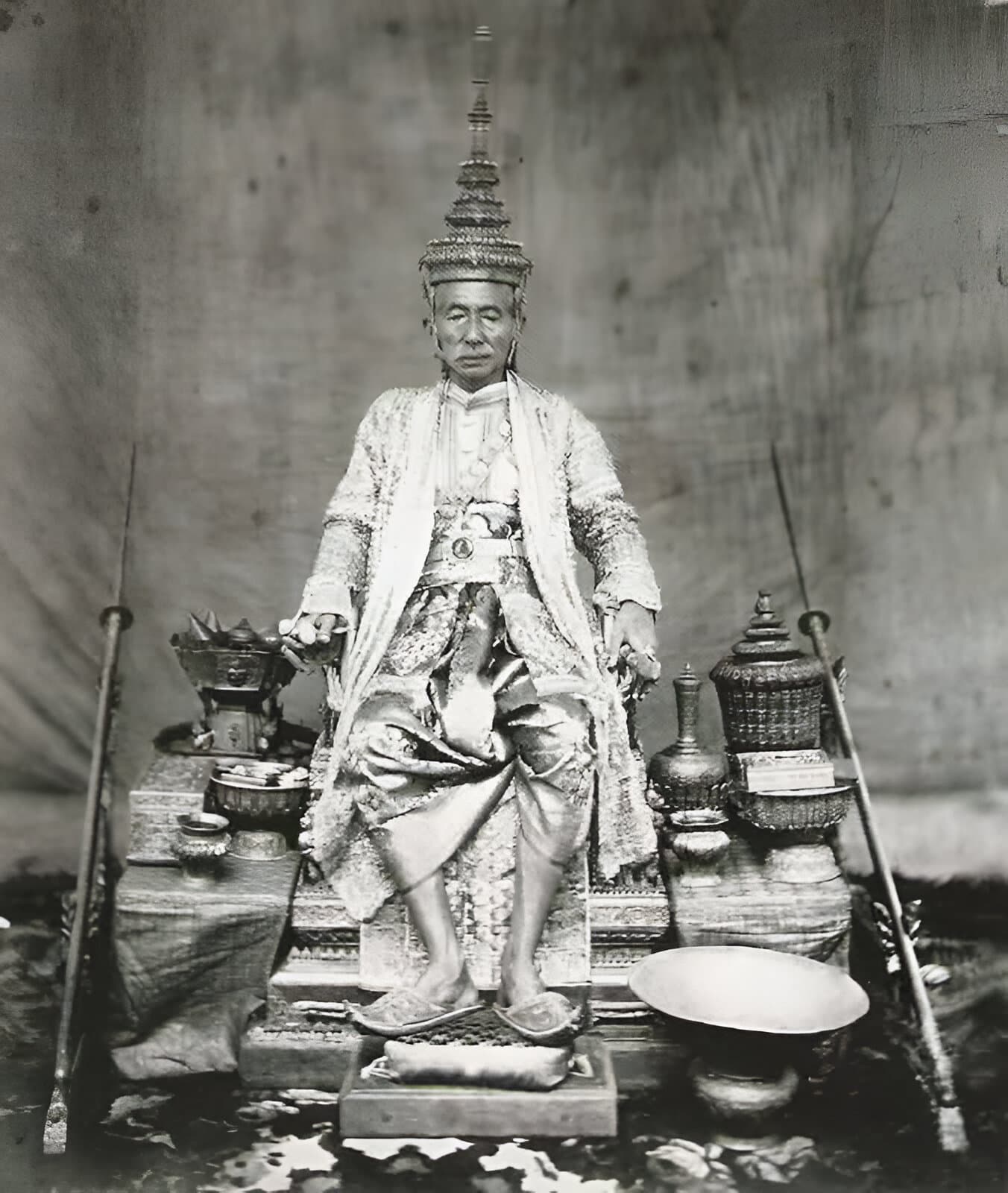
Photgraph of the first Thai King - Courtesy of Photographer
Thai monarchy originated in Sukhothai, which was created in the early 13th century and is often recognised as Thailand's first really autonomous kingdom. The notion of a paternalistic monarch attuned to his people's needs and conscious of his obligation to lead them was created here, notably during the reign of King Ramkhamhaeng the Great (1275–1317), which differed significantly from the Khmers' practice of divine kingship.
The paternalistic ideal was occasionally lost throughout the long Ayutthaya era, when Khmer influence on kingship returned and the monarch became a high, inaccessible figure rarely seen by the inhabitants. Nonetheless, the four-century period saw the reigns of some outstanding emperors whose accomplishments were far-reaching.
With the creation of the Chakri dynasty in 1782 and Bangkok as the capital, the monarchy became predominantly centred on Buddhist moral principles. The Bangkok era has produced a string of very capable rulers capable of handling a wide range of problems for both the country and the monarchy itself.
A Symbol of National Unity
The Thai monarchy has long been a supporter of the arts and culture, passionately advocating for the preservation and advancement of Thailand's cultural legacy. King Rama IX, in particular, was a fervent supporter of cultural preservation, establishing organisations like the Fine Arts Department and the Thai National Heritage Conservation Centre. His Majesty's efforts to preserve Thailand's cultural assets, including as historic temples, artefacts, and traditional arts, have left an indelible mark that continues to enrich Bangkok's cultural tapestry.
Change of Power
Move Forward's proposed amendment reflects cultural shifts that have occurred in Thailand in recent years, where the king has long been revered as practically semi-divine.
On the surface, many things stay the same. The king's image hangs on city streets and buildings. The Royal News, which airs every night, highlights the royal family's charitable efforts.
However, modest alterations are noticeable. In cinemas, many people no longer stand for the regal hymn before each screening. Satirical memes appear on social media before the government requests their removal.
The most significant shift, however, is political. In the 2019 election, no party would have dared to propose altering the lese majeste legislation.
However, Move Forward not only dared but also gained the most seats in May, despite the fact that the amendment was merely one component of a progressive agenda.
The transition began with student-led demonstrations in 2020, which began as rallies against military authority but quickly grew into criticism of what the protestors dubbed a military-palace power nexus and then into condemnation of the monarch.
Politicians did not lead the demonstrations, but Move Forward advocated for change of the lèse majestè legislation when activists were charged with it.
According to Thai Lawyers for Human Rights, around 250 of the 1,900 indictments tied to the 2020 demonstrations were based on Article 112.

Leave the planning to a local expert
Projects done by the Monarch
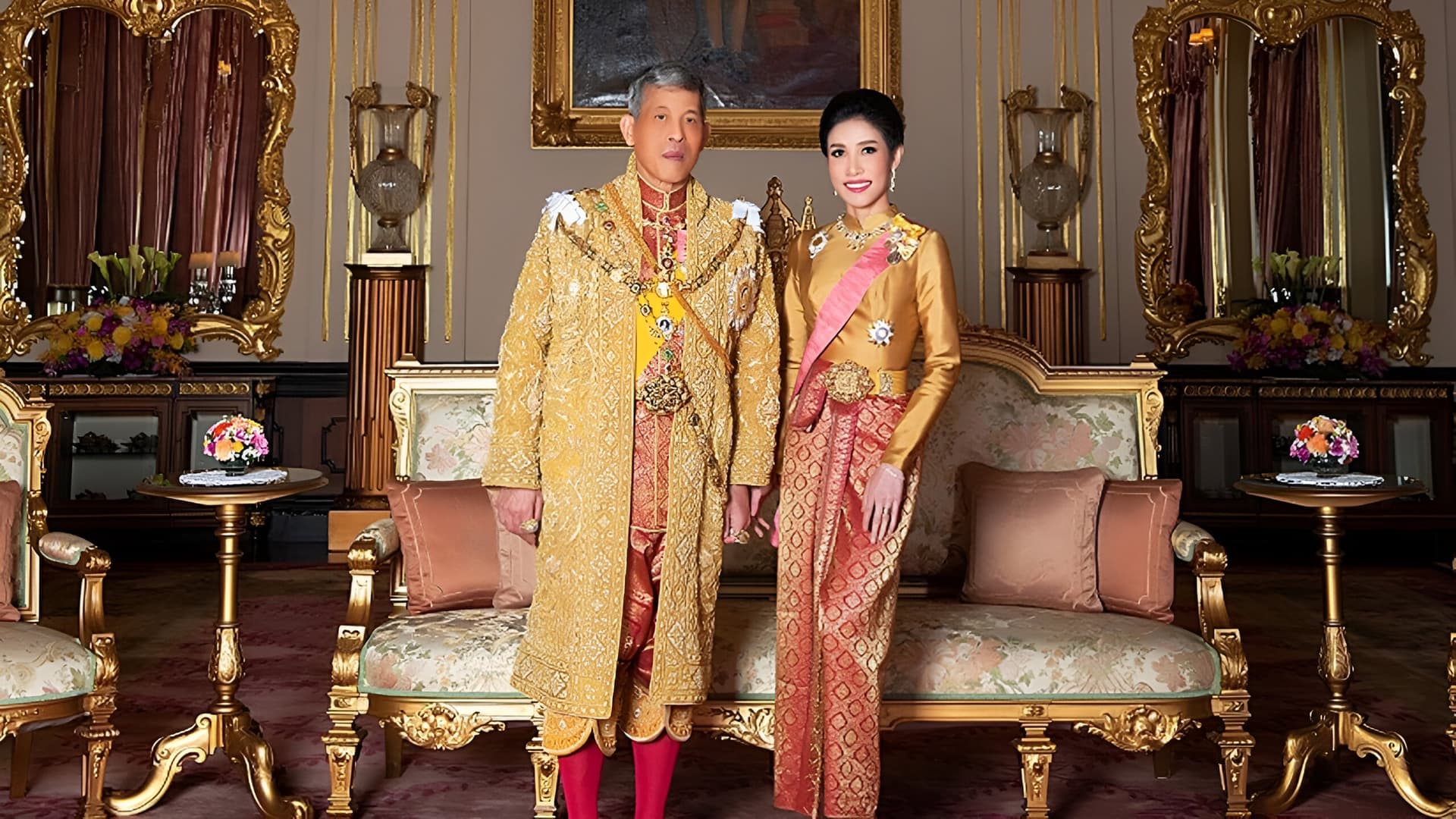
The present king, King Maha Vajiralongkorn - Courtesy of Photographer
Thailand is currently a constitutional monarchy with a democratic system of governance. Since 1932, Thailand's kings have used their constitutional legislative powers through a bicameral National Assembly. Thai kings exercise executive authority through a government led by a prime minister, as well as judicial power through the courts. While not actively participating in Thailand's political life, the King has significant moral authority over carefully chosen matters.
The present king, King Maha Vajiralongkorn, has embraced his position as a symbol of continuity and stability, sustaining the traditions and ideals that have distinguished the Thai monarchy over generations.
Conclusion
Finally, the Thai monarchy has had a tremendous and long-lasting impact on Bangkok's culture, influencing the city's character and customs in a variety of ways. From architectural wonders to cultural institutions, the royal family's patronage and leadership have left an unmistakable imprint on the city's landscape. As Bangkok evolves and modernises, the monarchy remains a staunch beacon of tradition and unity, ensuring that the rich fabric of Thai culture is preserved for future generations.