Bhutan; Happiness personified!
Welcome to Bhutan, the land where happiness is an official measure of success! In the Eastern Himalayas, this tiny kingdom might be small in size, but it's brimming with charm, mystery, and a delightful mix of the old and new.
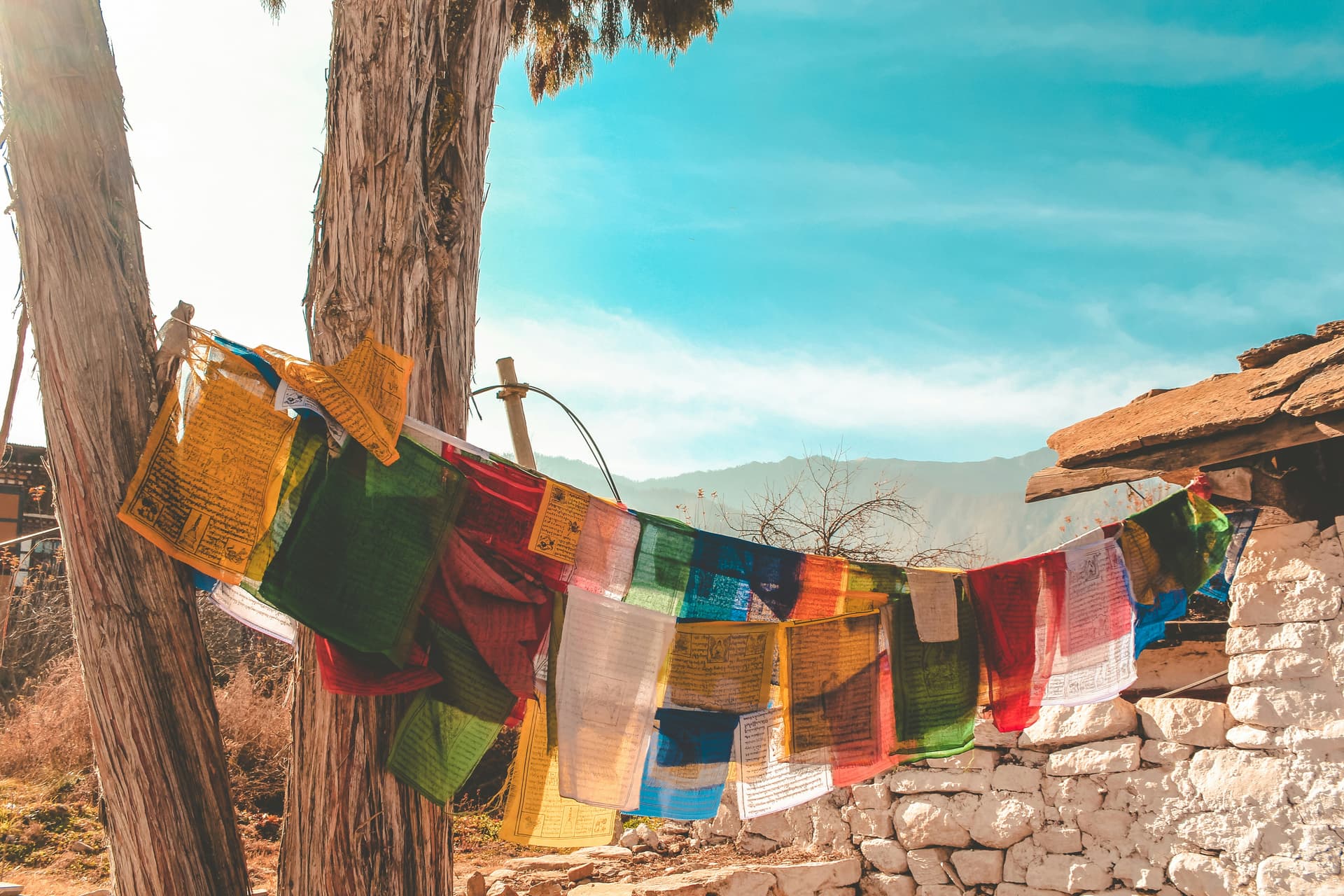
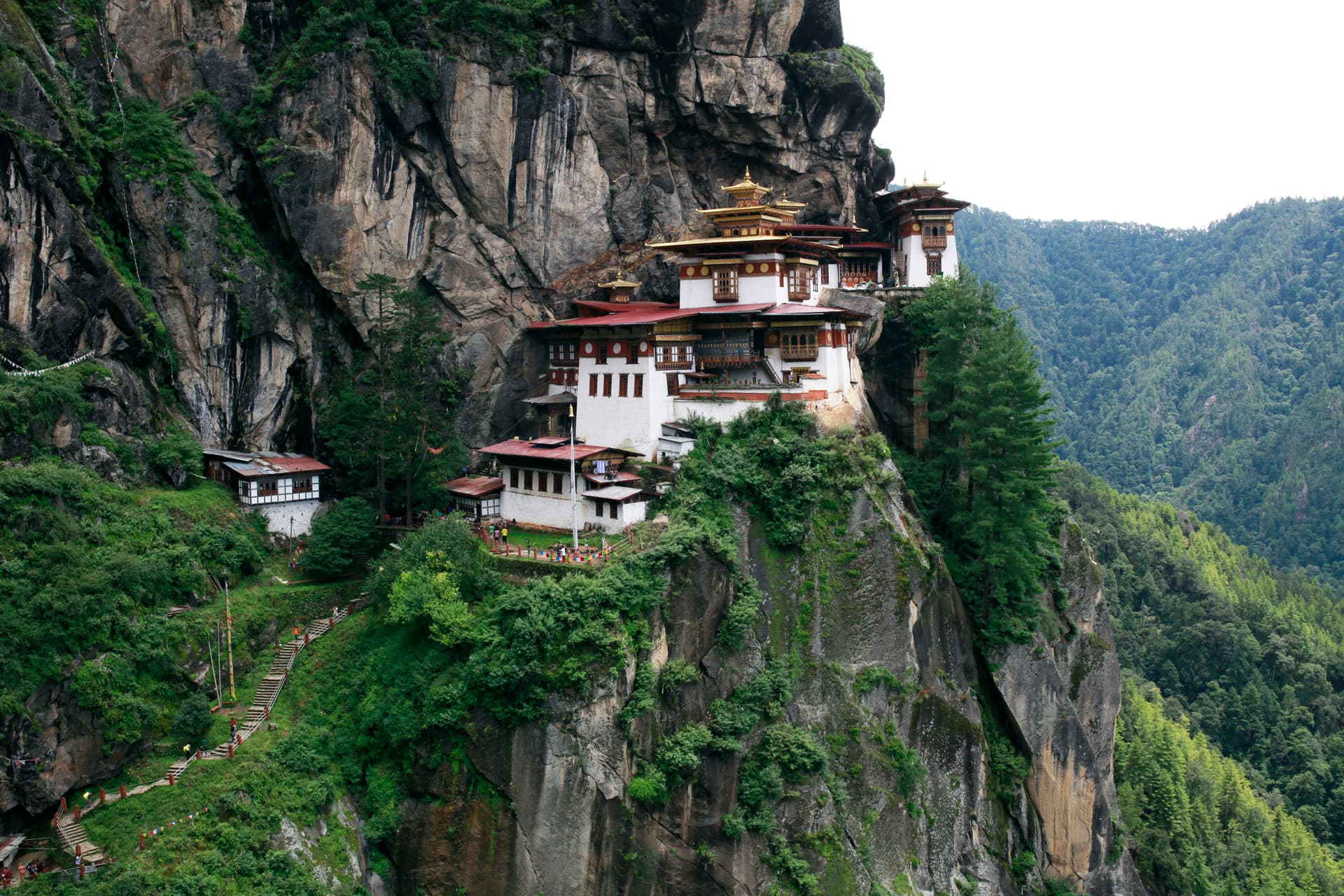
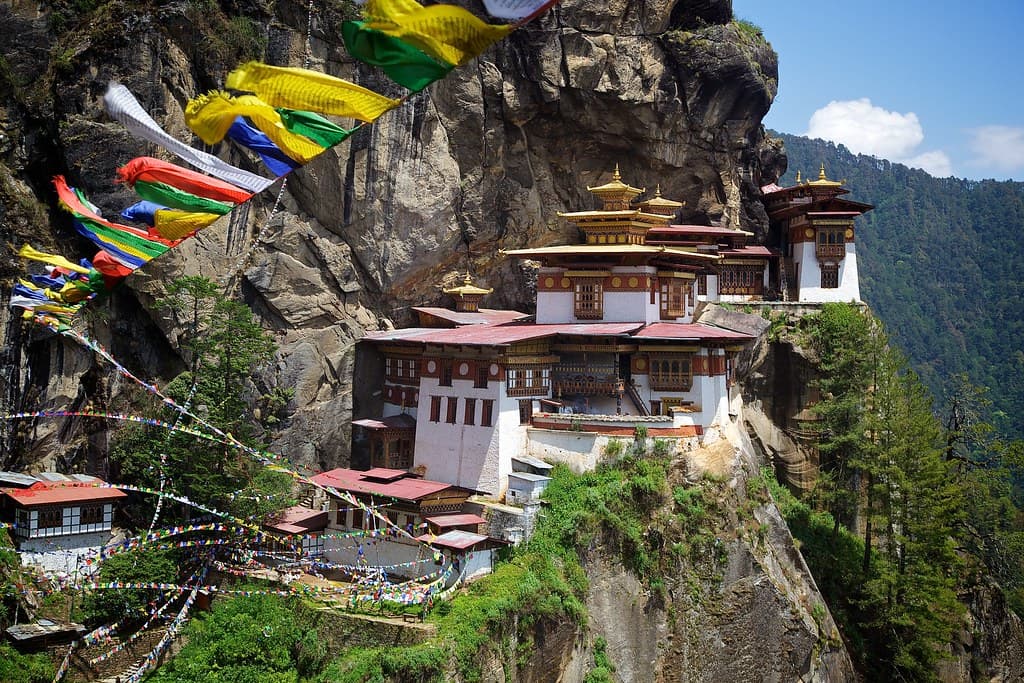
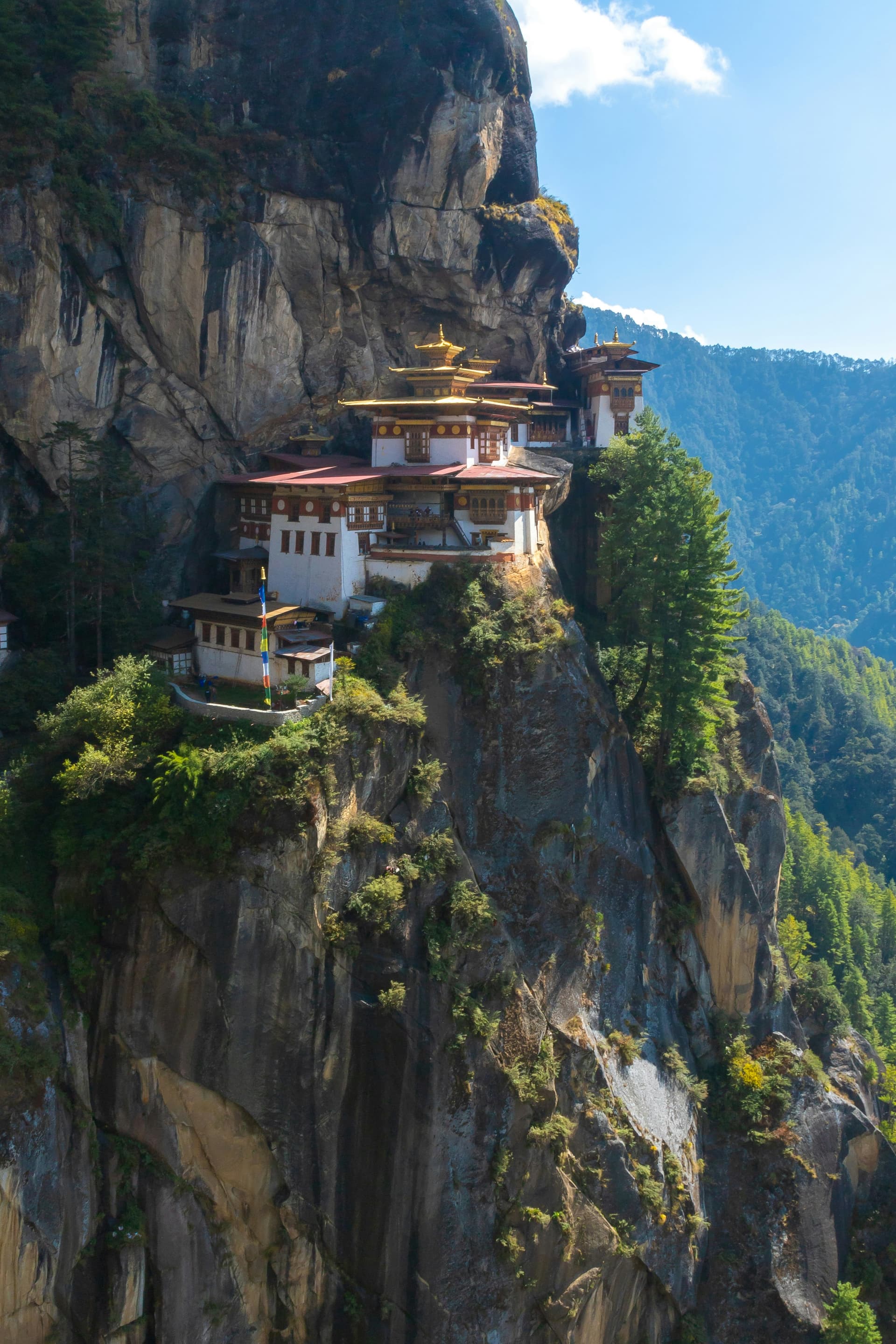
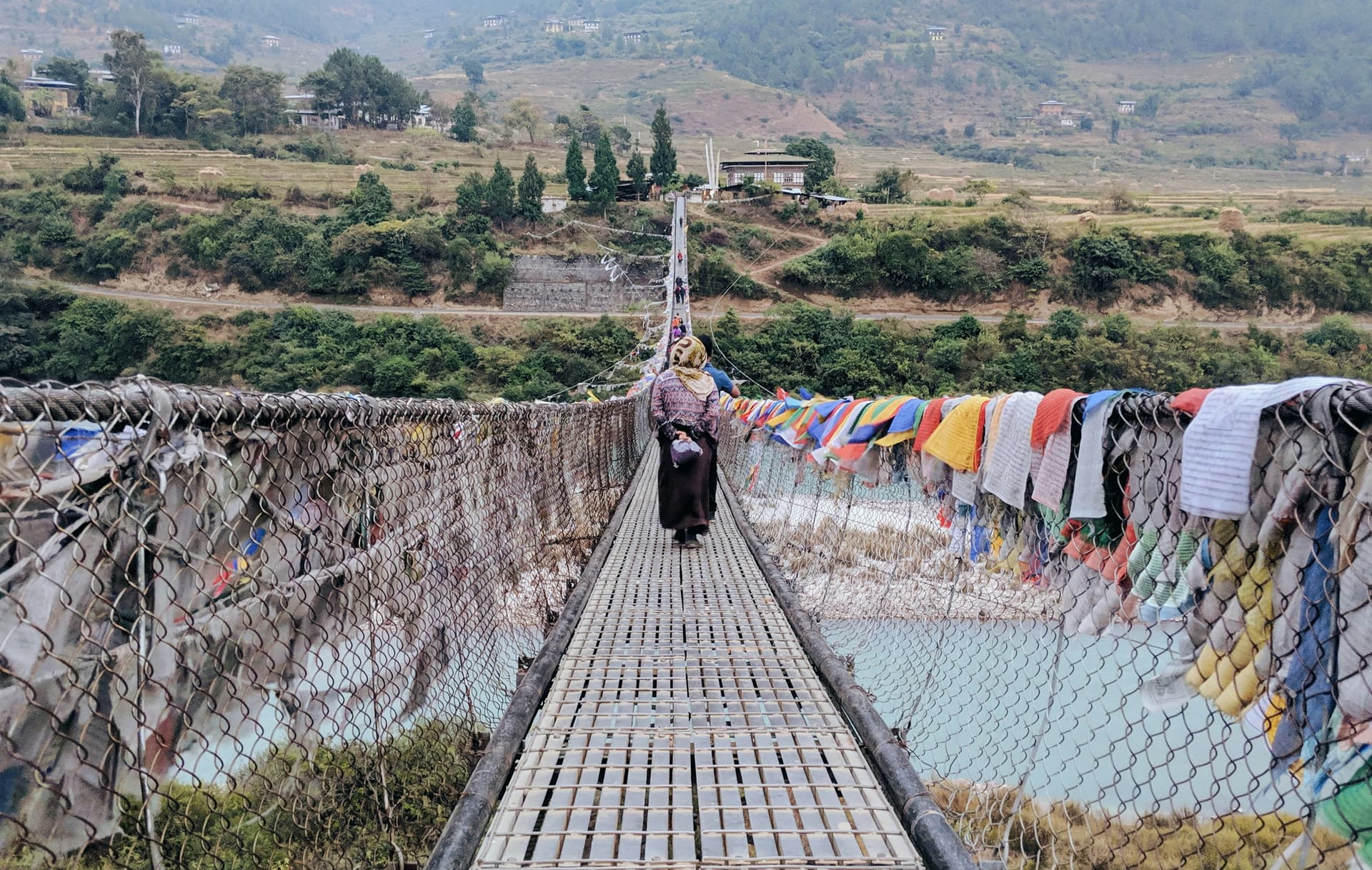
In Bhutan, you'll find monasteries perched precariously on cliffs, prayer flags fluttering in the mountain breeze, and monks deep in meditation. One of the most iconic sights is the Paro Taktsang, also known as the Tiger's Nest Monastery. This architectural marvel clings to a cliffside, and the trek up is as much a spiritual journey as it is a physical one. Legend has it that Guru Rinpoche flew to this spot on the back of a tigress, hence the name.
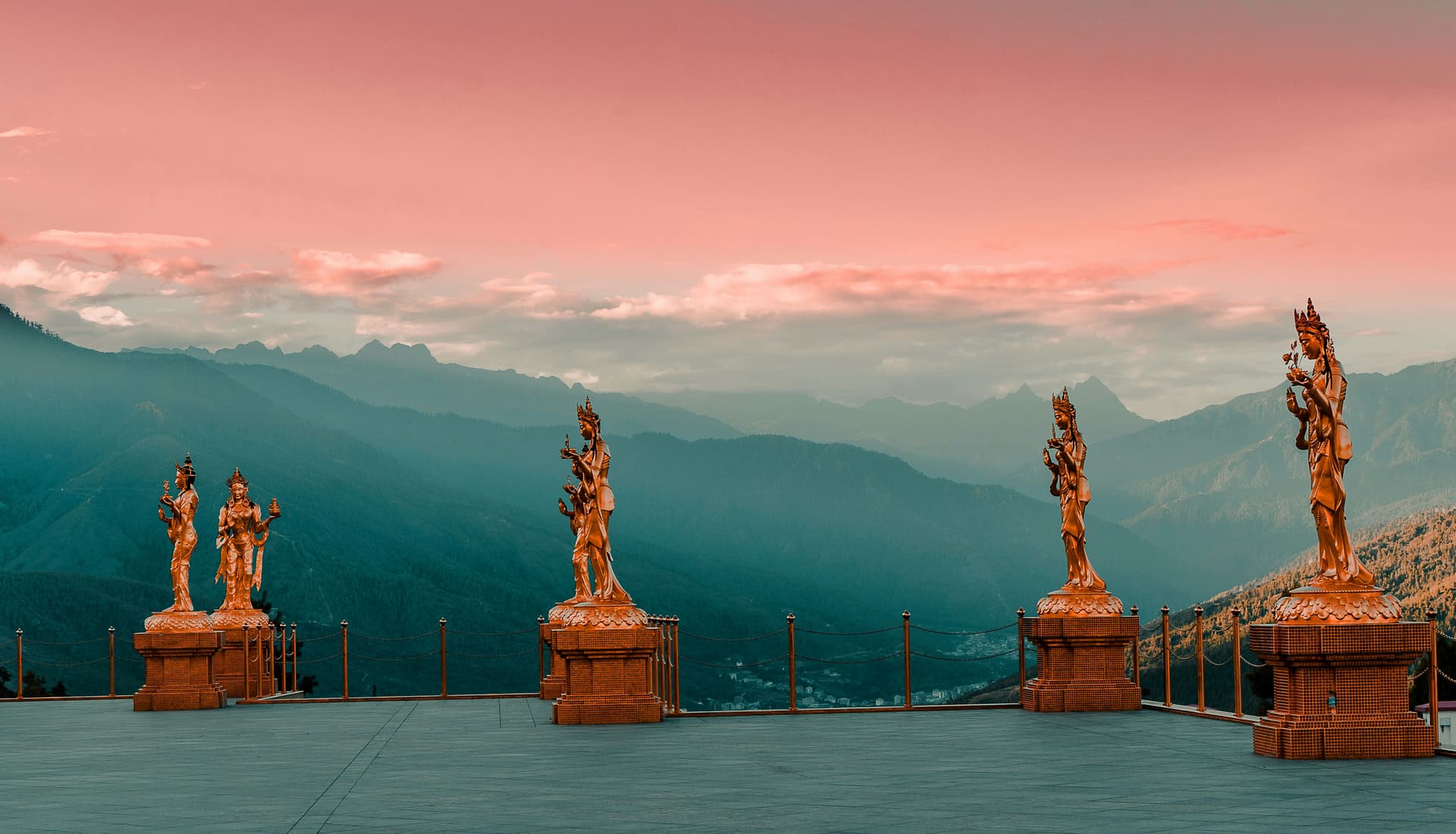
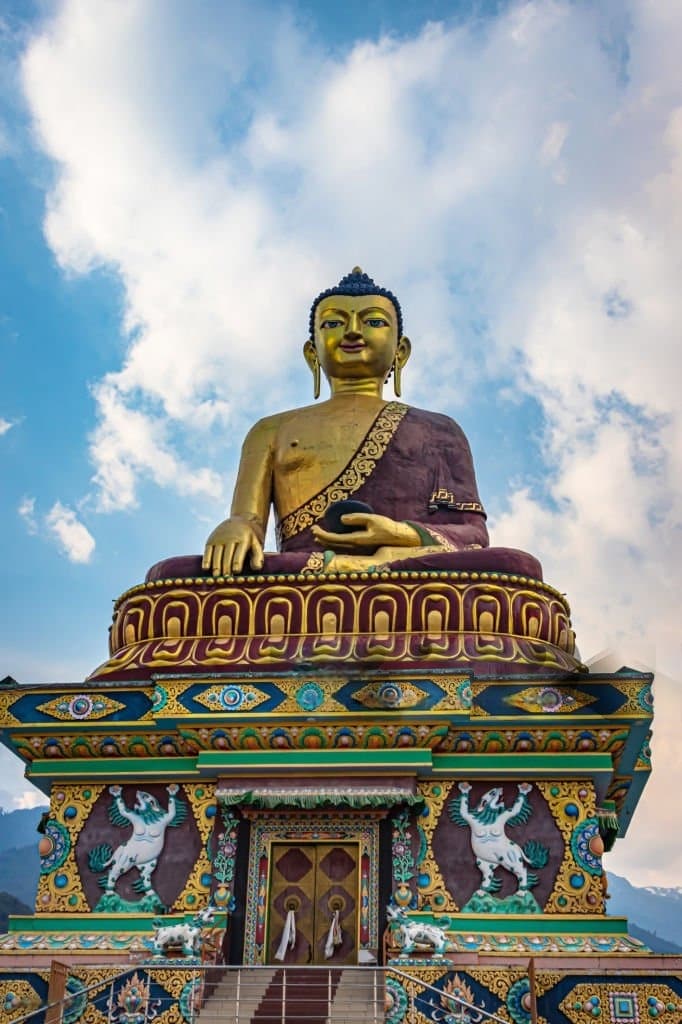
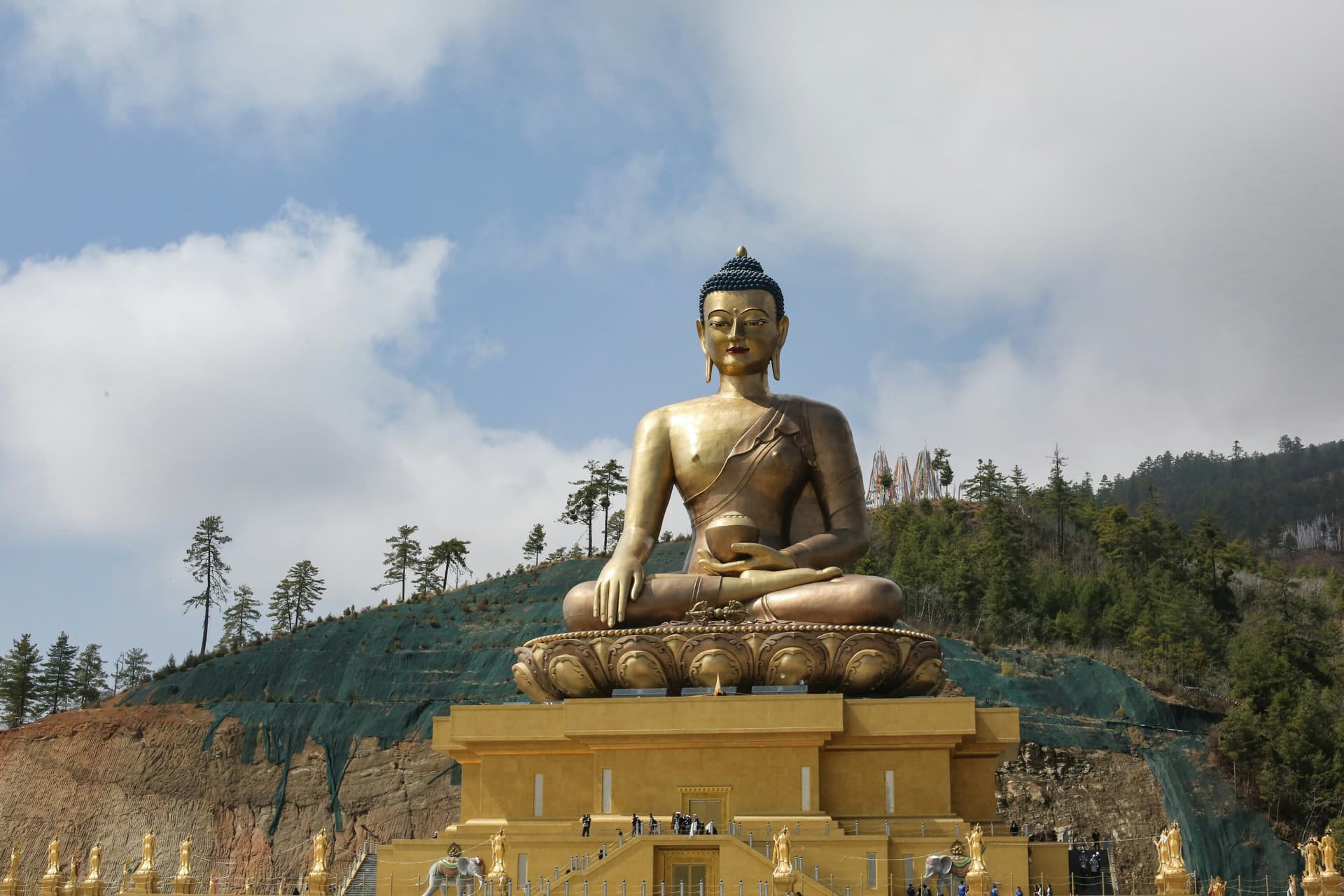
But don't be fooled into thinking Bhutan is stuck in the past. The capital city, Thimphu, offers a unique blend of tradition and modernity. It's the only capital in the world without traffic lights. Instead, you'll find white-gloved traffic police elegantly directing cars, making the whole process look more like a graceful dance than rush-hour chaos. Thimphu is also home to vibrant markets, trendy cafes, and the impressive Buddha Dordenma, a gigantic golden statue that watches serenely over the city.
Bhutan is often called the "Last Shangri-La," and for good reason. Imagine a place where Gross National Happiness (GNH) trumps Gross Domestic Product (GDP). Yes, Bhutan is the quirky kingdom where the pursuit of happiness is a serious business!
Bhutan's approach to tourism is equally distinctive. To preserve its culture and environment, the government has adopted a "High Value, Low Impact" tourism policy. This means tourists are required to spend a minimum daily tariff, which covers accommodation, meals, a guide, and a driver. This might sound pricey, but it ensures that your visit supports sustainable tourism and that you experience Bhutan's best in comfort and style.
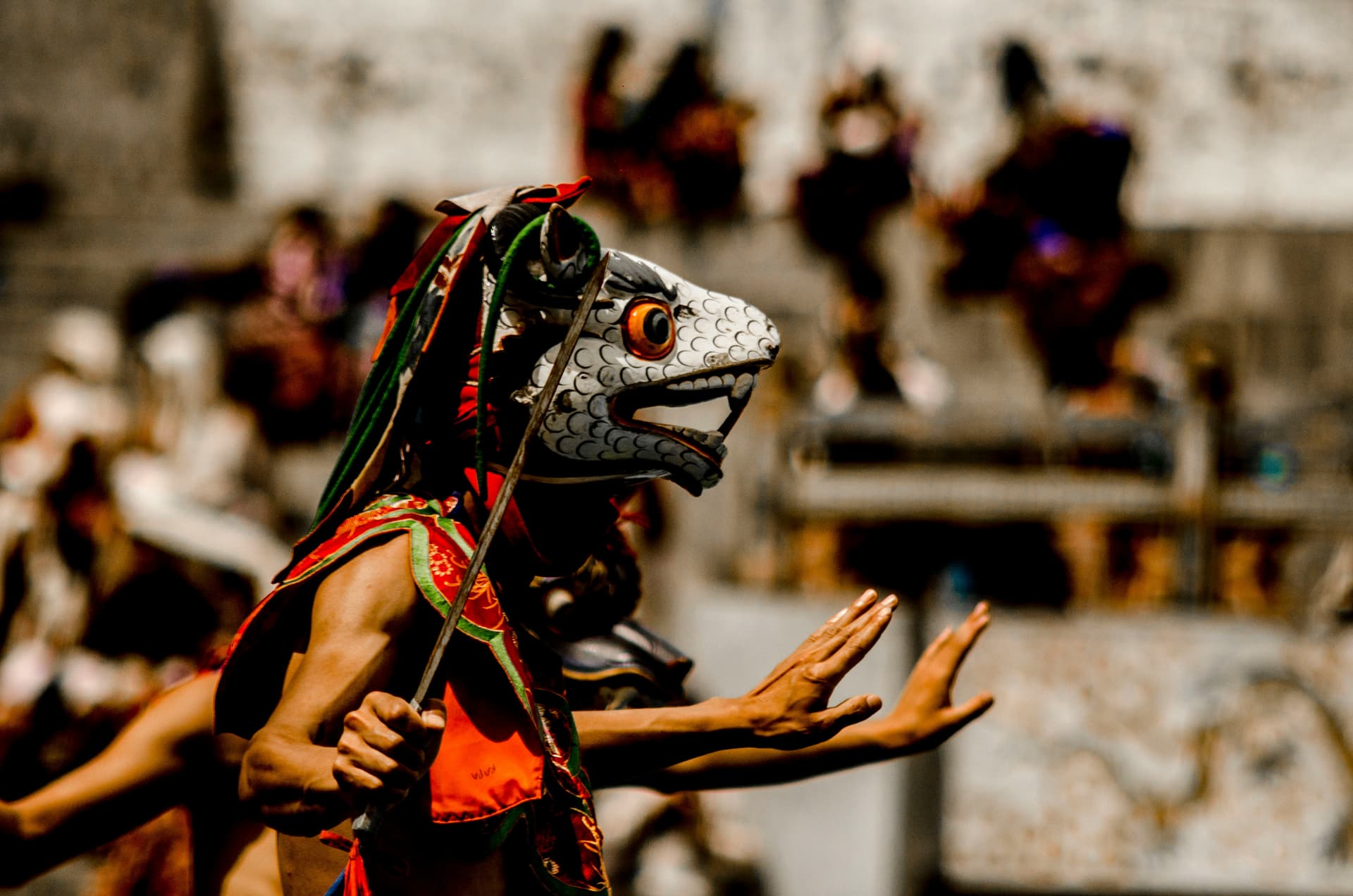
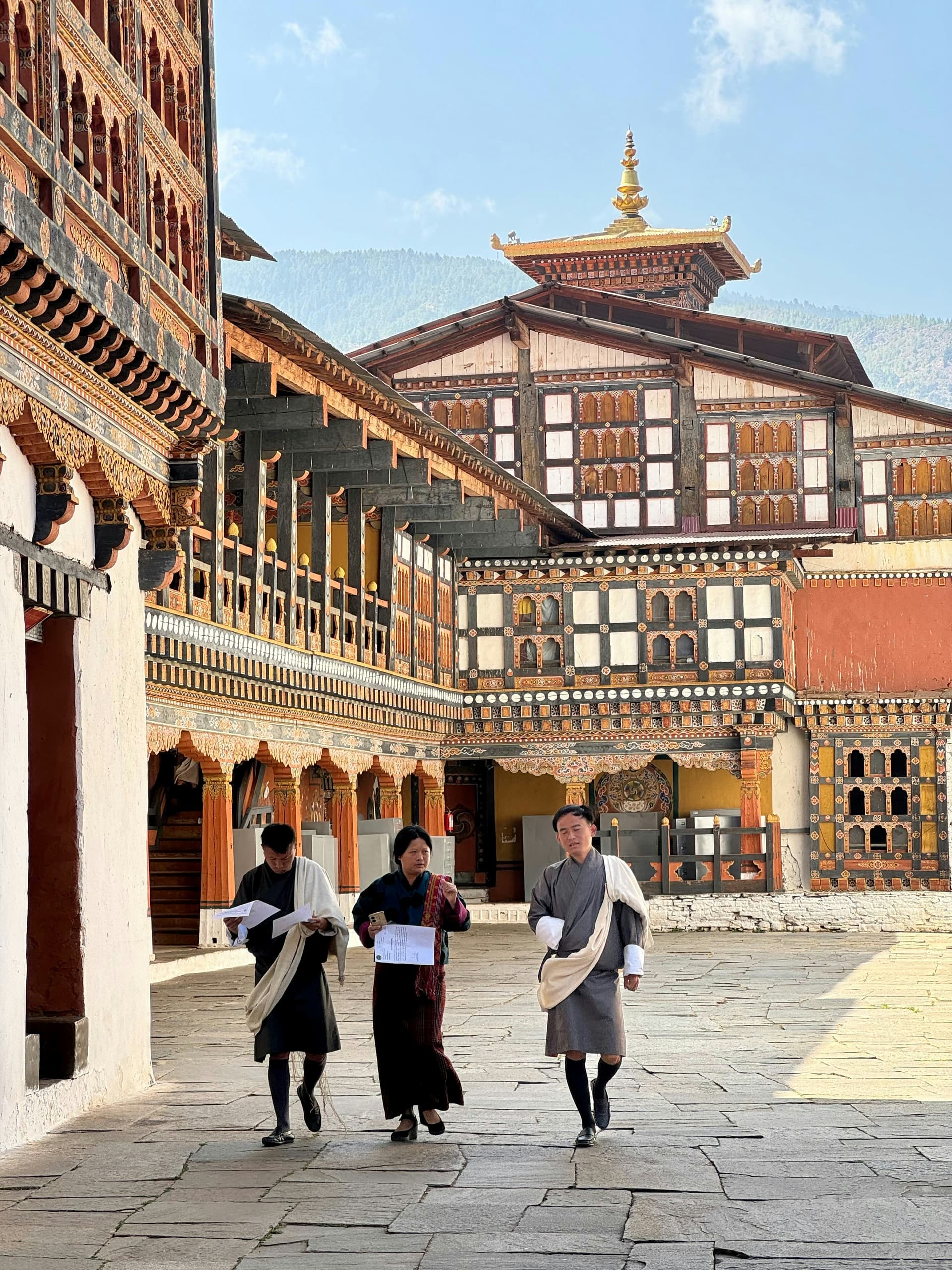
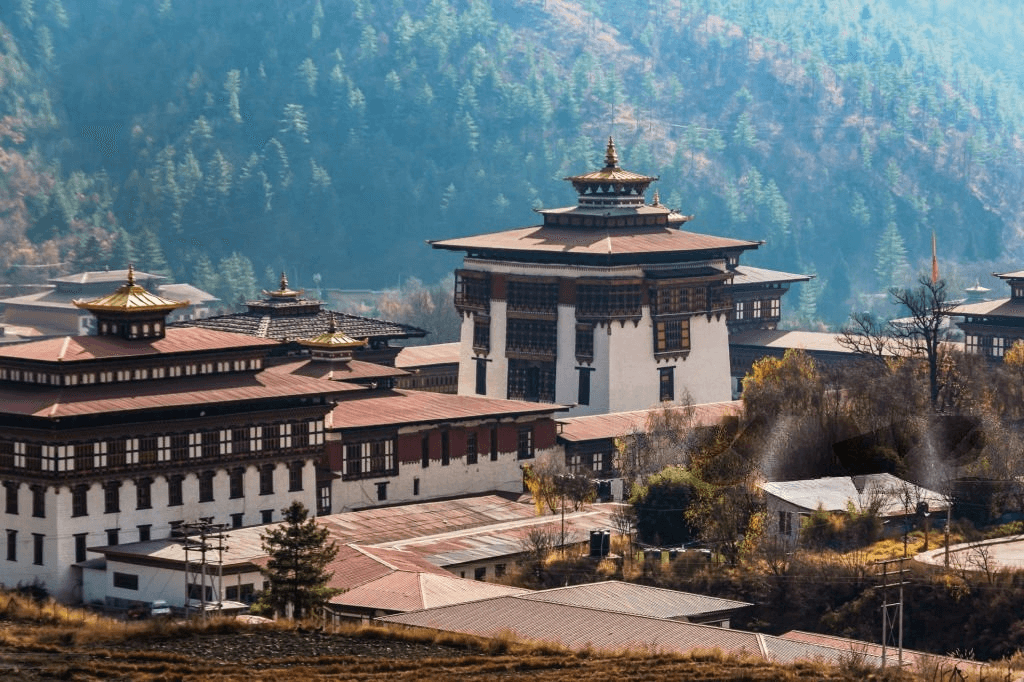
One of the most enchanting aspects of Bhutan is its festivals, known as tshechus. These vibrant celebrations, held in various dzongs (fortresses) and monasteries across the country, are a feast for the senses. Expect to see masked dances, traditional music, and colorful costumes, all celebrating Bhutanese culture and Buddhist teachings. The Paro Tshechu and Thimphu Tshechu are among the most famous, drawing locals and tourists alike.
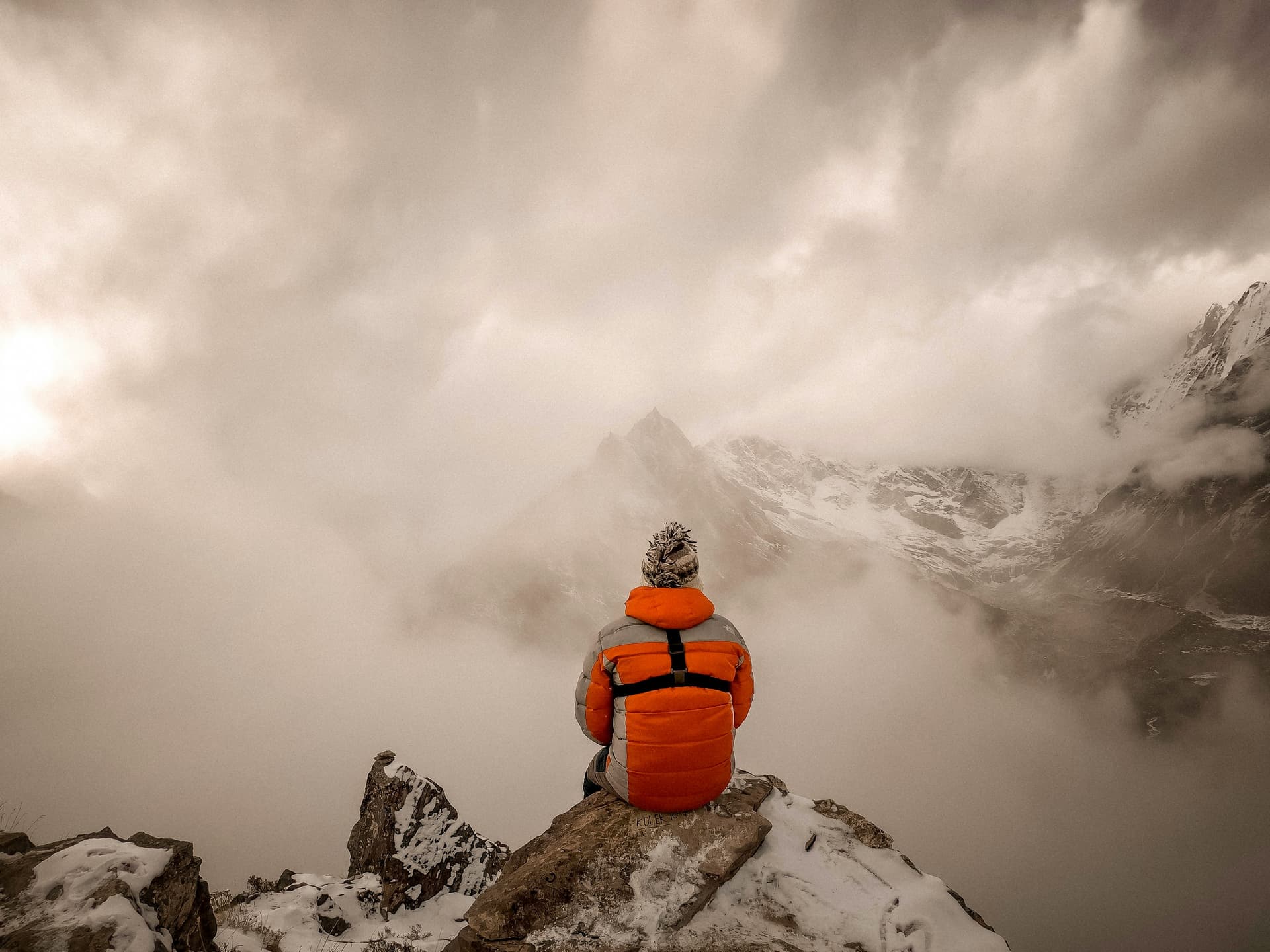
Bhutan is also a paradise for nature lovers. With over 70% of its land covered in forests, it's no wonder this kingdom is a biodiversity hotspot. The country's commitment to conservation is evident in its numerous protected areas and national parks. For those seeking adventure, Bhutan offers trekking routes through pristine landscapes, such as the Druk Path and the Snowman Trek, one of the most challenging treks in the world.
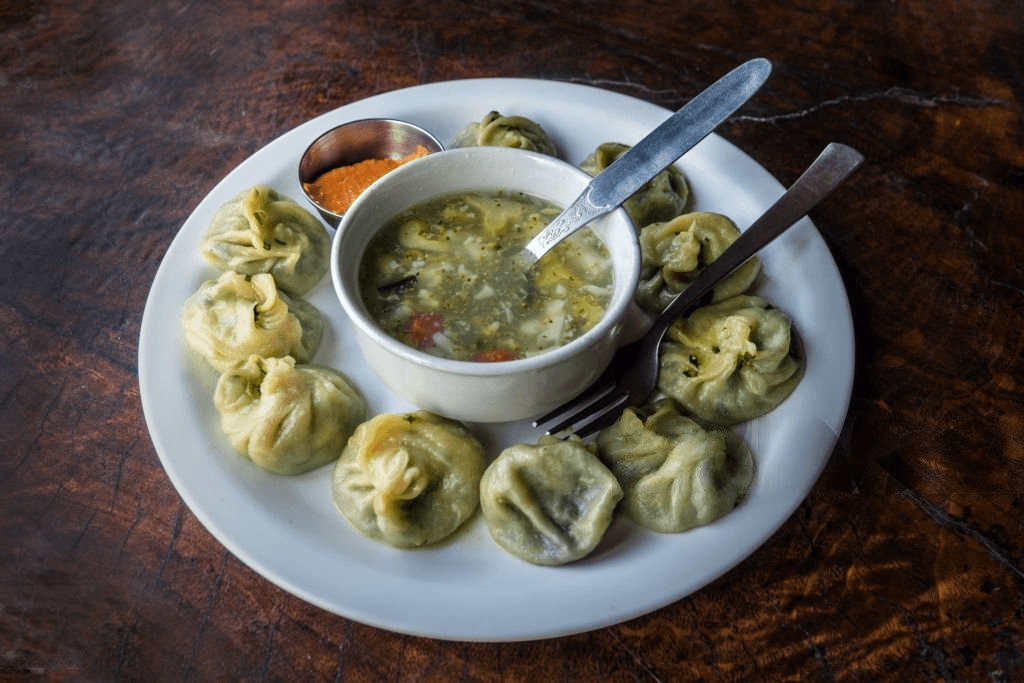
Food in Bhutan is another delightful surprise. Get ready for a culinary adventure featuring spicy dishes that will leave your taste buds tingling. The national dish, ema datshi, is a fiery mix of chilies and cheese that’s both comforting and exhilarating. Pair it with red rice and a side of suja (butter tea) for a truly authentic Bhutanese meal.
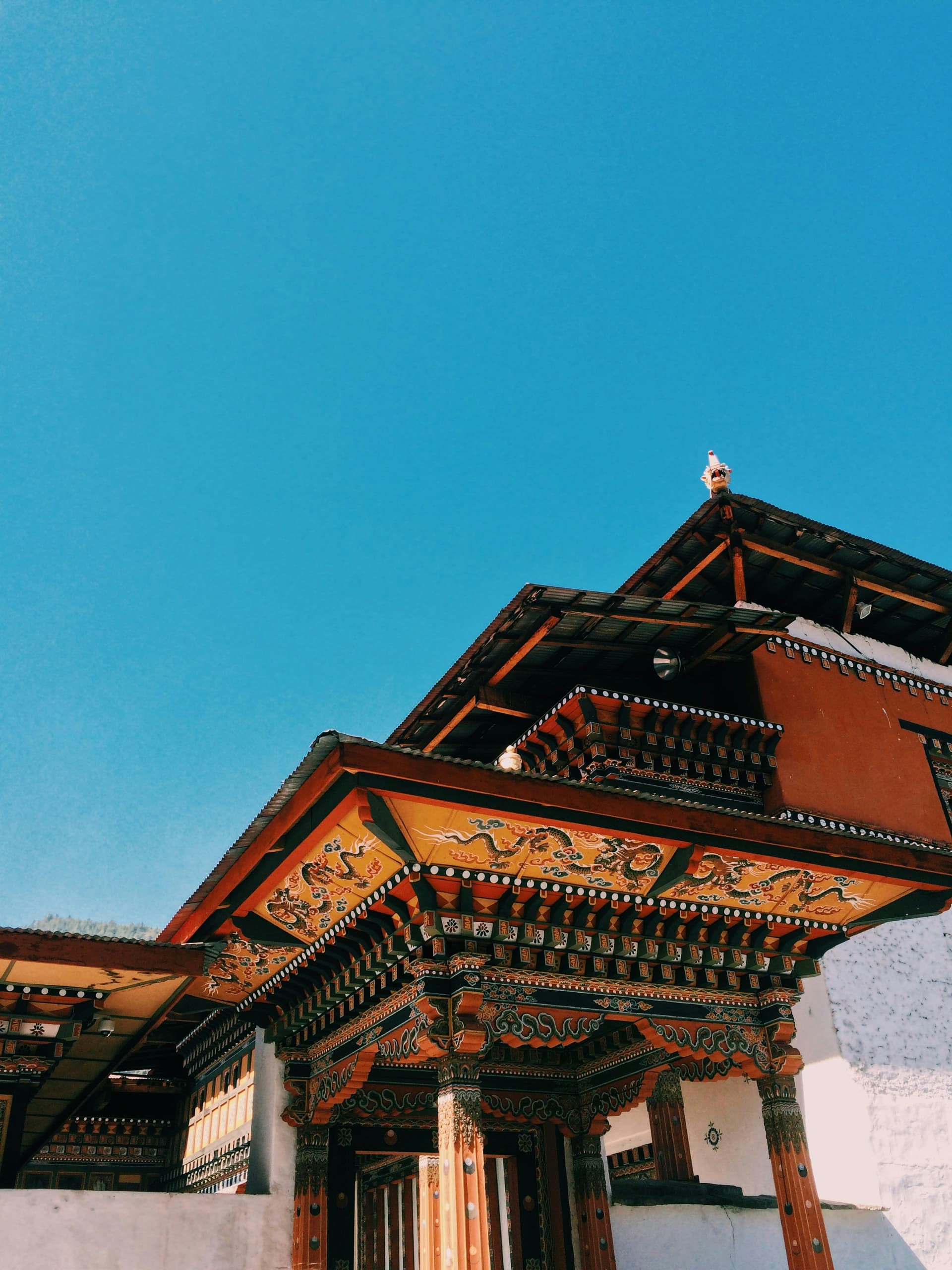
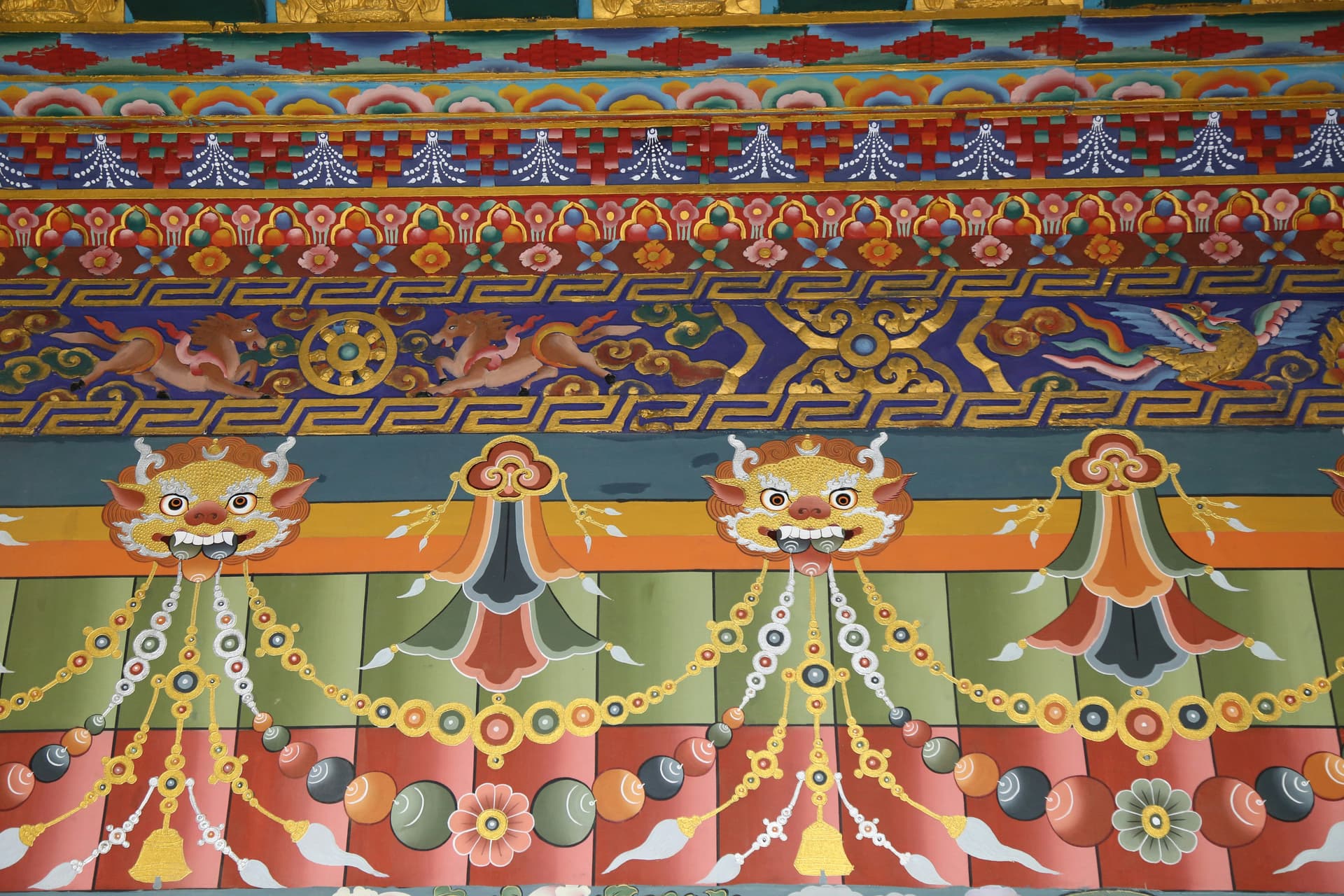
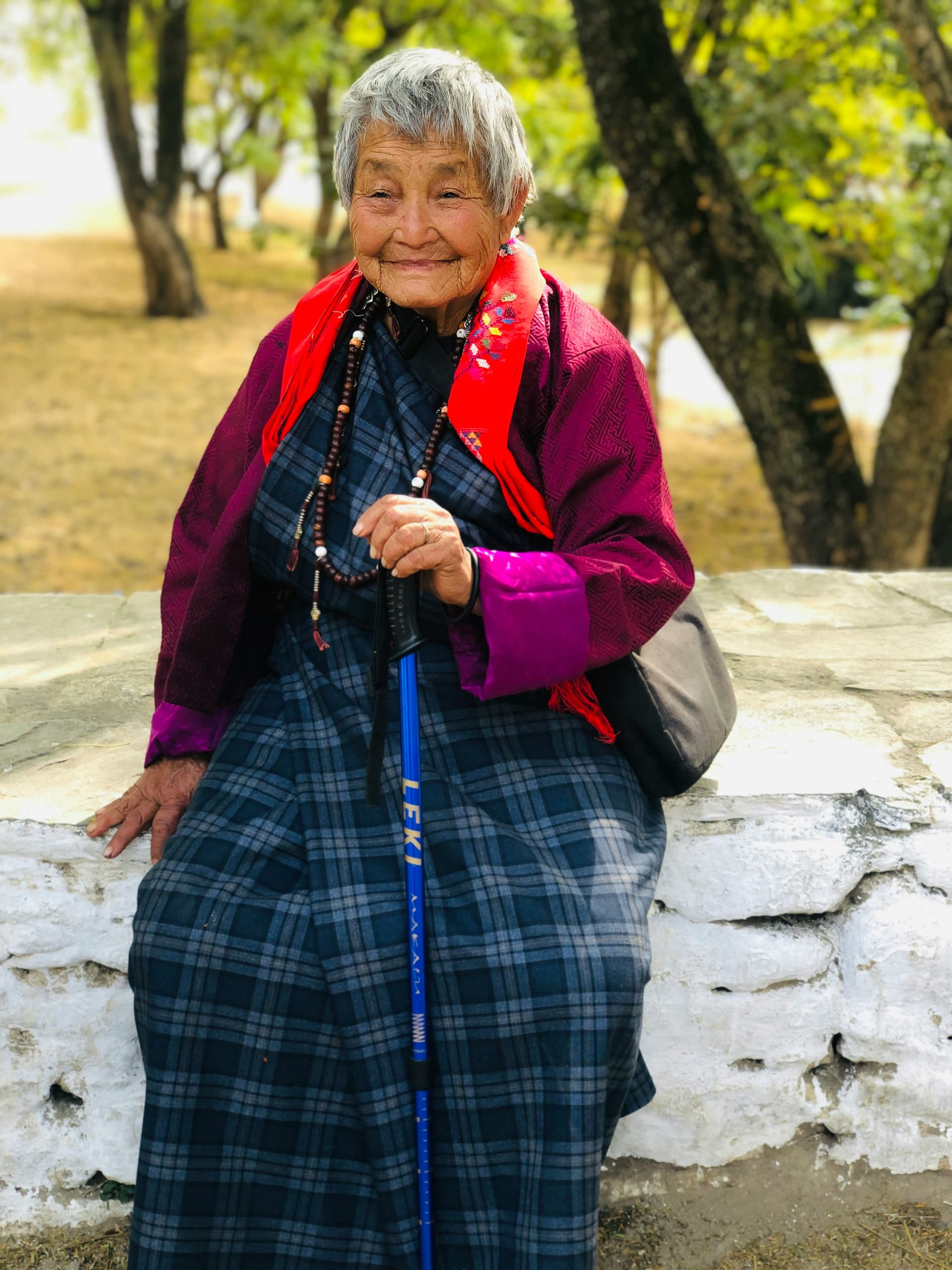
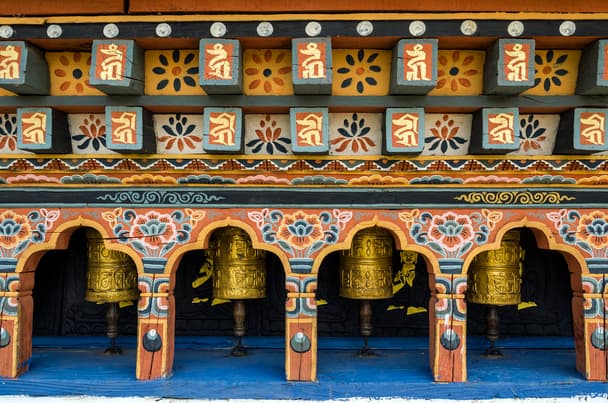
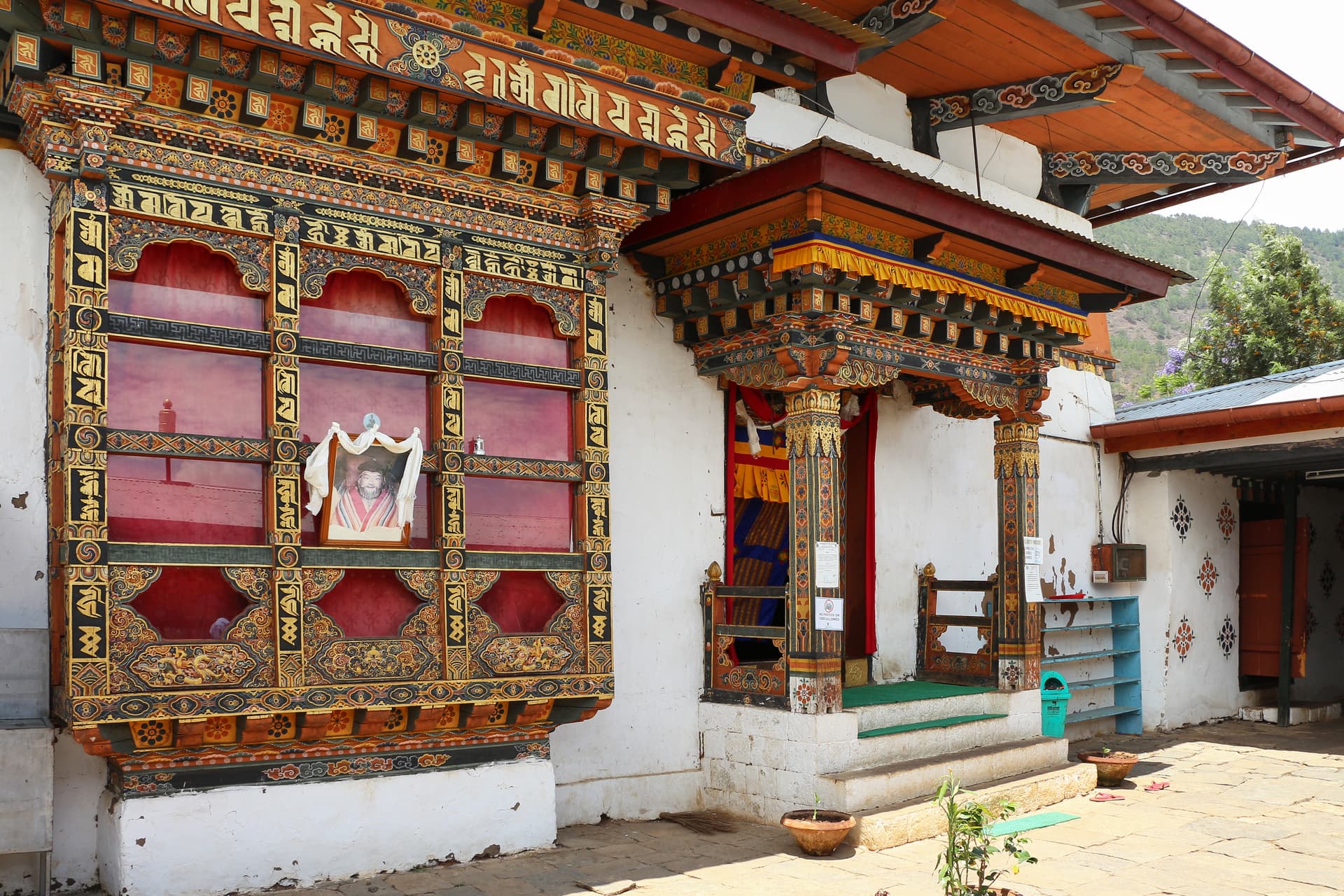
Despite its rapid modernization, Bhutan has managed to hold on to its unique identity. Traditional attire is still worn daily by many Bhutanese, and the country's architecture, characterized by ornate woodwork and colorful paintings, remains largely untouched by modern influences.
In Bhutan, every corner tells a story, and every face greets you with a smile. It's a place where ancient traditions thrive alongside modern sensibilities, where happiness is woven into the very fabric of society, and where every visitor leaves with a sense of wonder and a heart full of joy. So, pack your bags, bring your sense of adventure, and get ready to explore the enchanting kingdom of Bhutan!
Bhutan
Bhutan Tour Packages
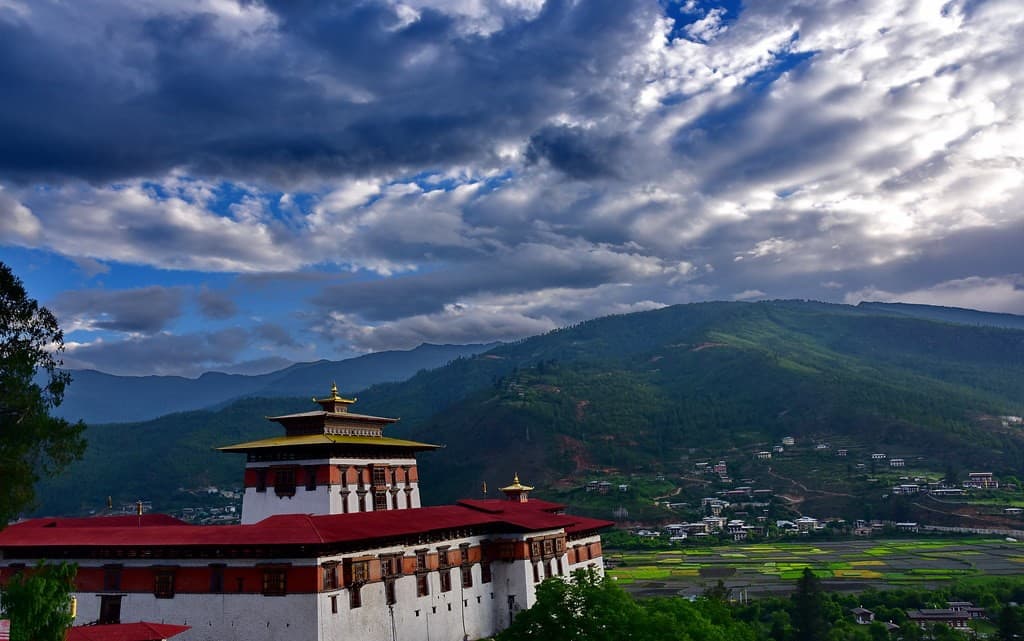
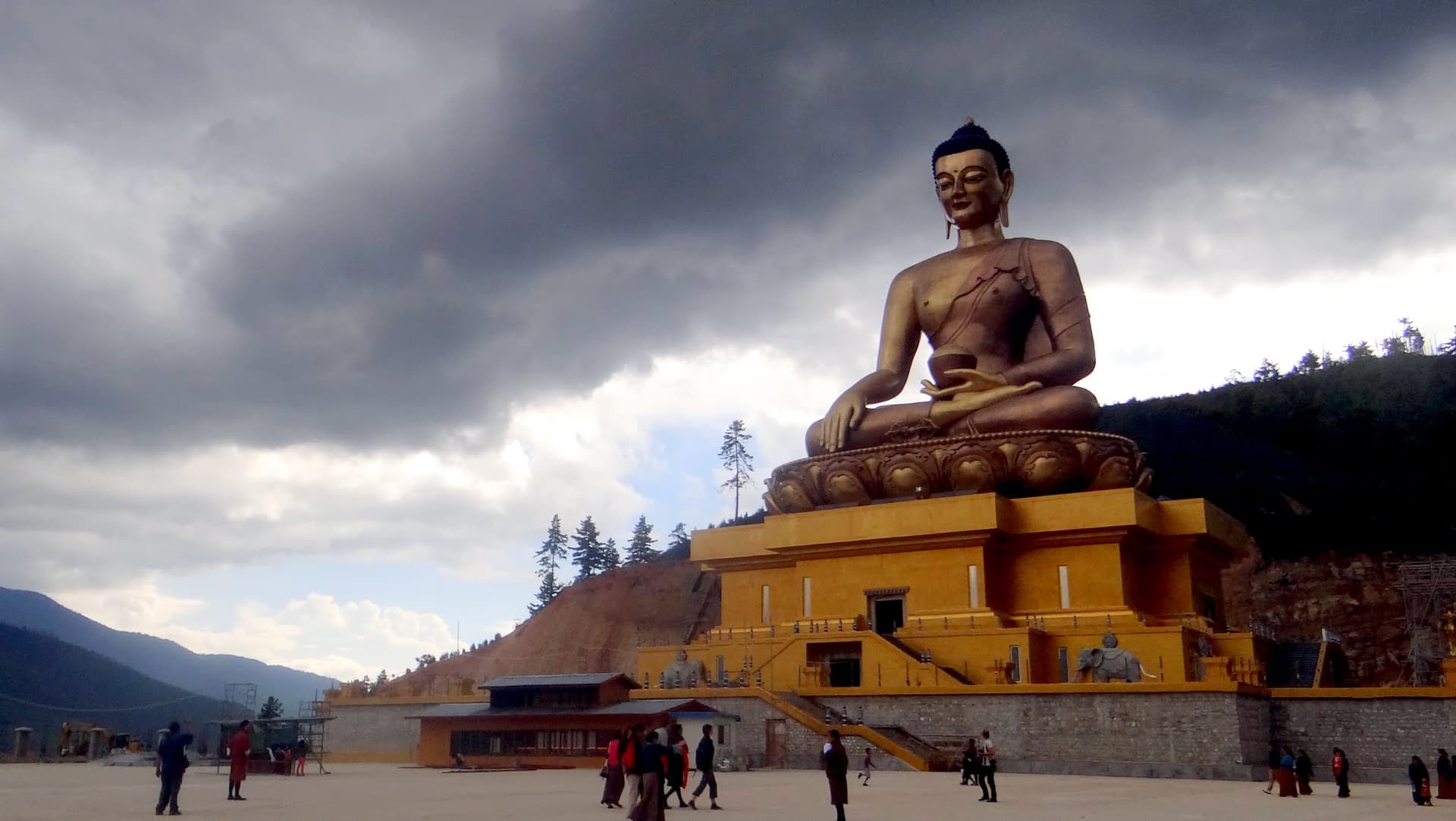
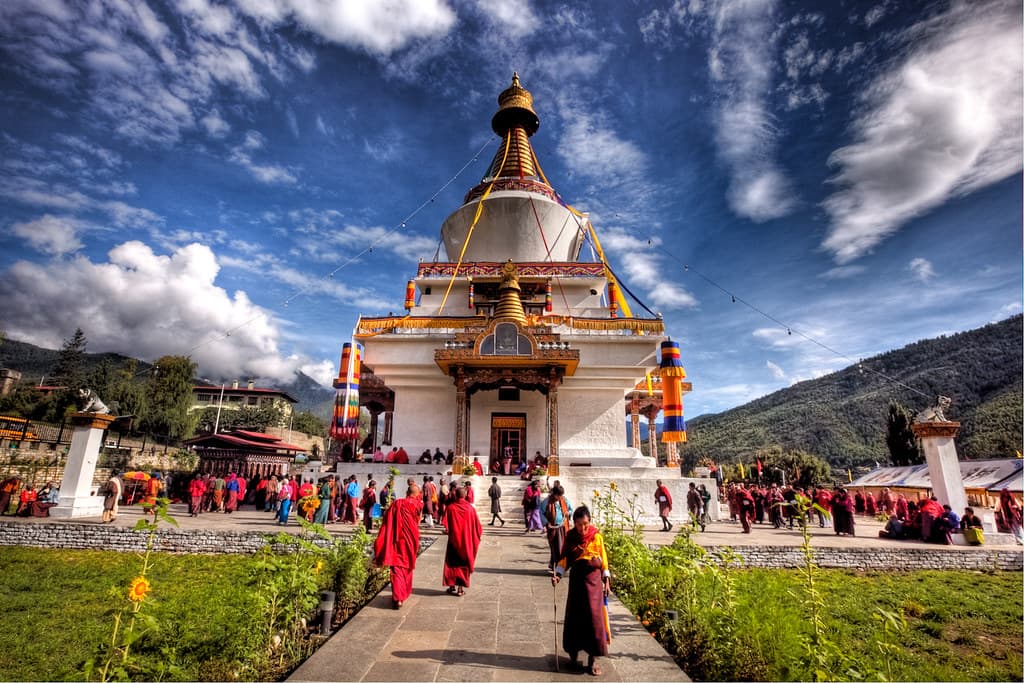
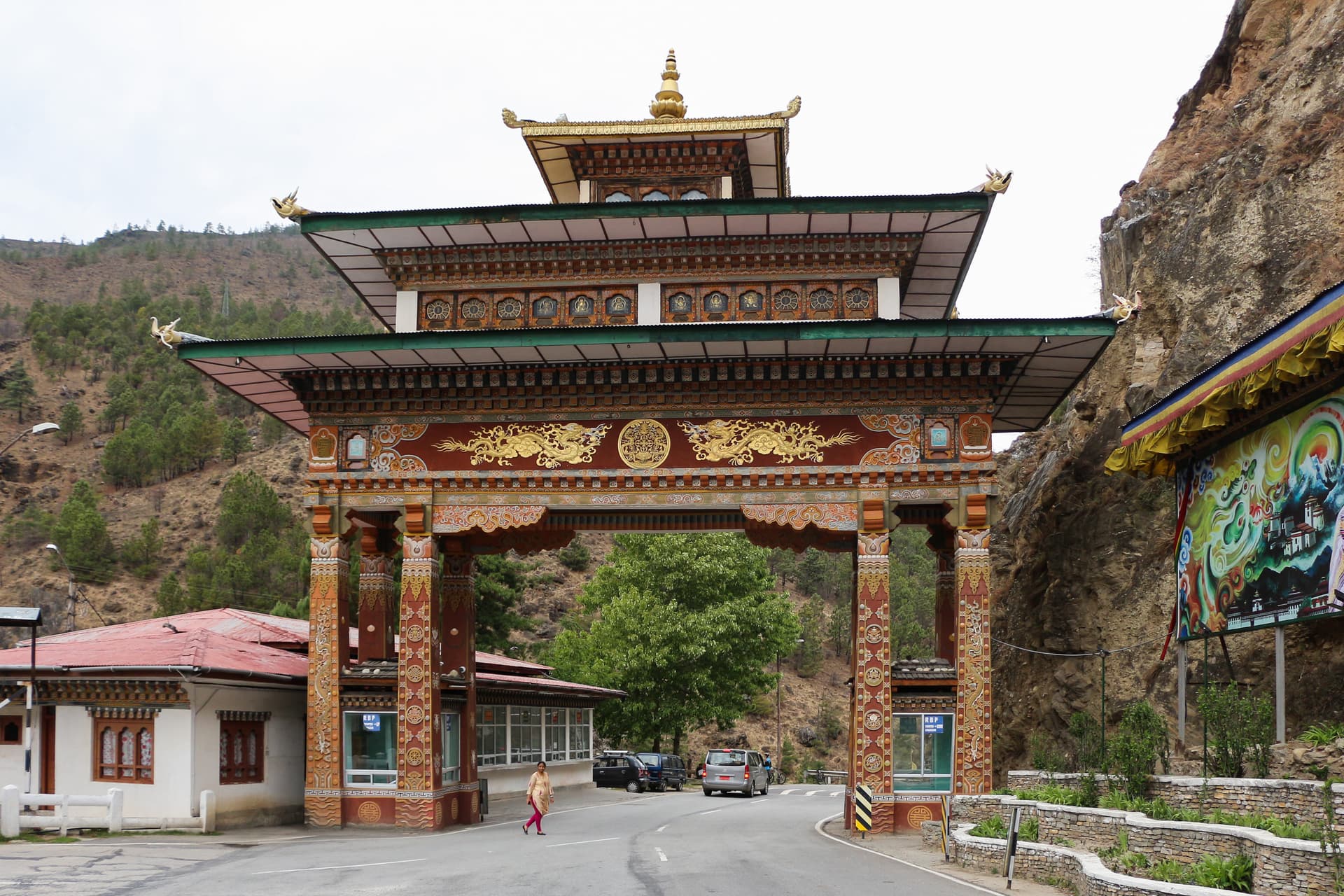
Attractions in Bhutan
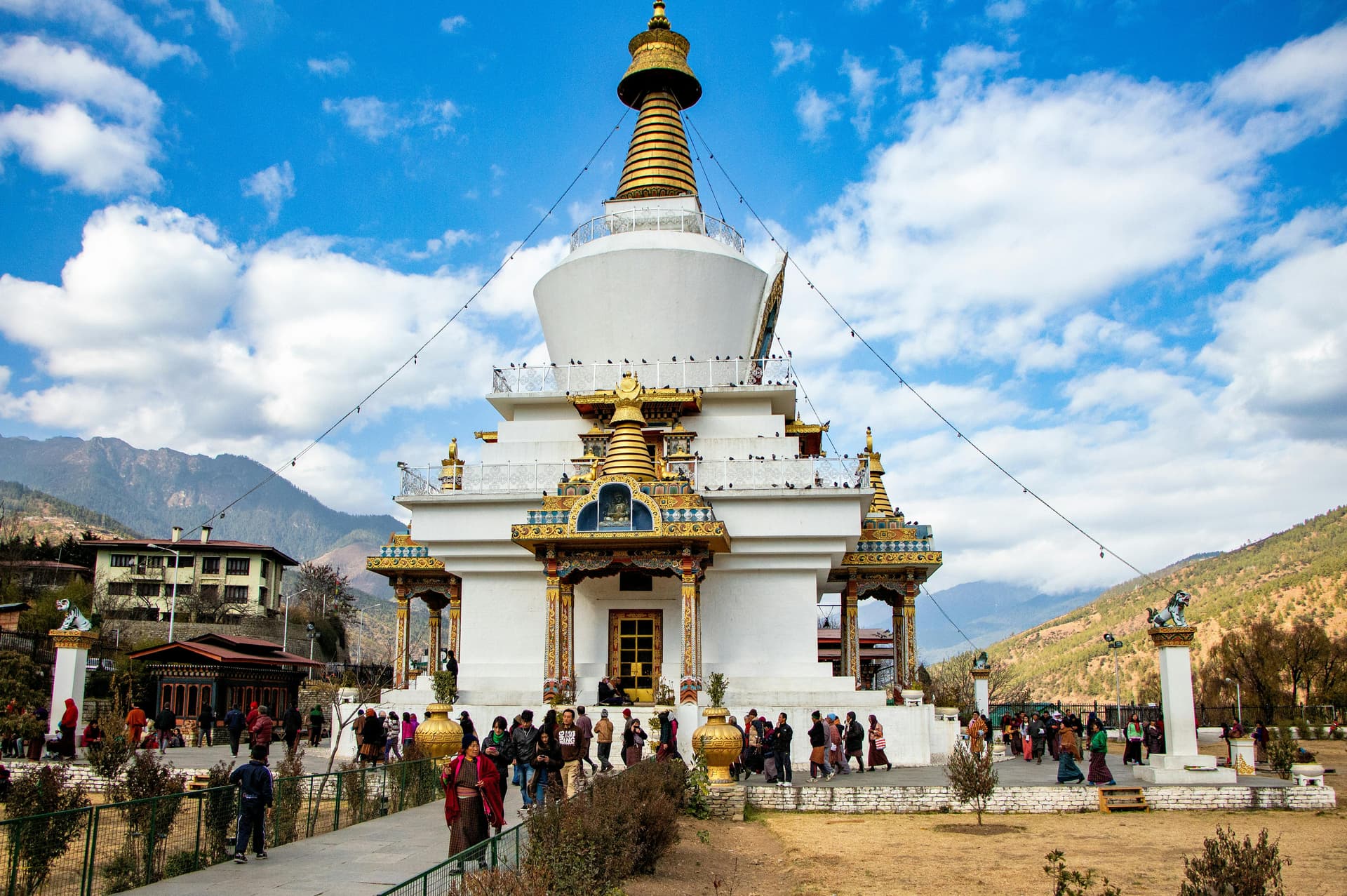
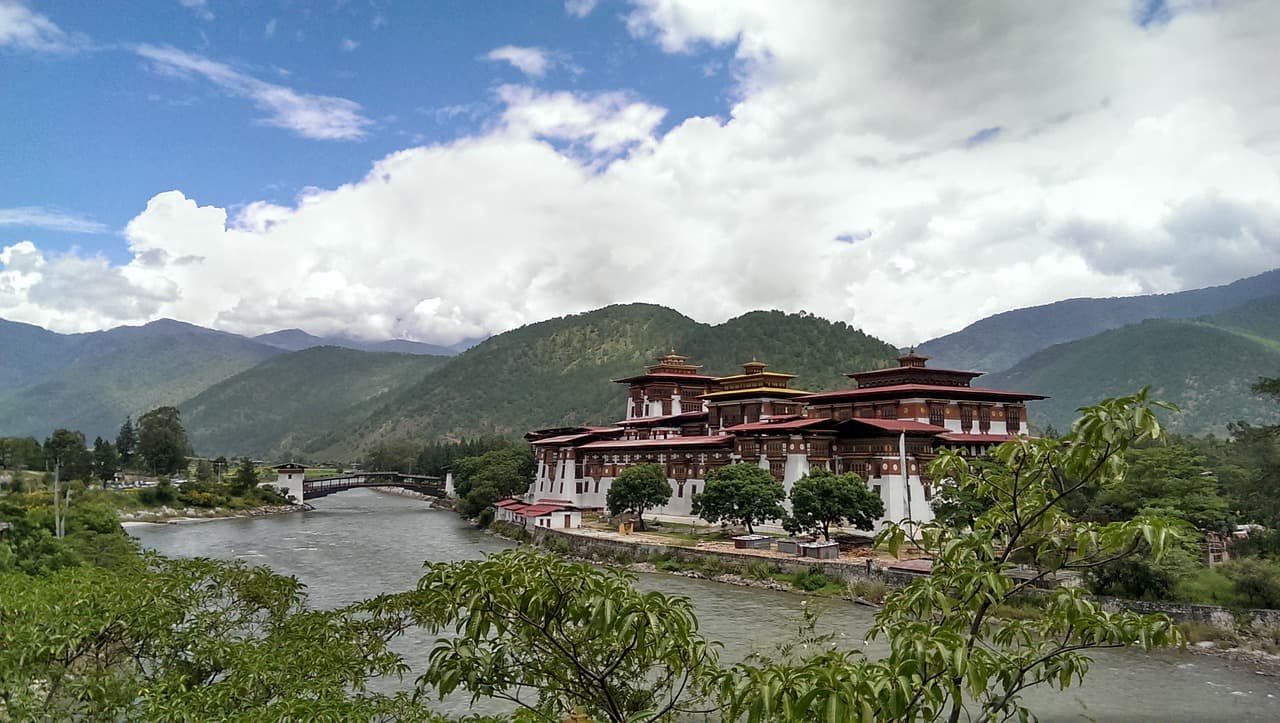
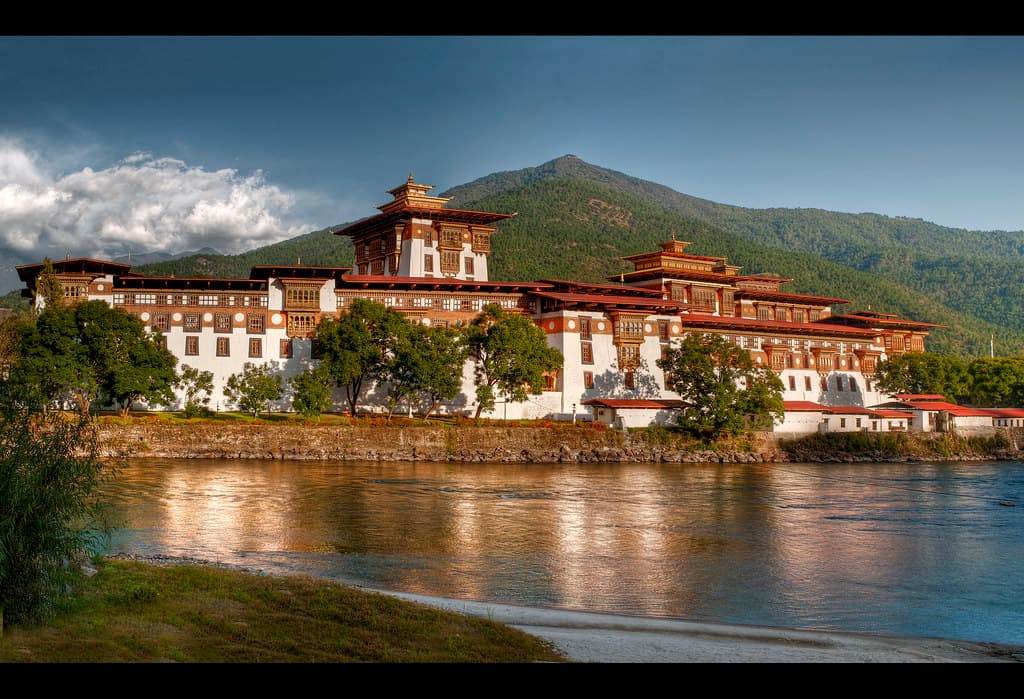
Bhutan, a land of rich cultural heritage and breathtaking landscapes, offers a plethora of attractions that captivate visitors from around the world. One of the most iconic landmarks is the Paro Taktsang, also known as the Tiger's Nest Monastery. This stunning monastery clings to a cliffside 900 met
.jpeg&w=1920&q=75)
.jpg&w=1920&q=75)
.jpg&w=1920&q=75)
Adventurer's Digest
Curated guides for every traveler's need.