Blog
5 minutes
16th July 2024
by Shakti Iyer
Welcome to Bhutan, the Land of the Thunder Dragon, where happiness isn't just a fleeting emotion but a guiding principle enshrined in the nation's policy. In a world obsessed with GDP, stock markets, and economic growth, Bhutan stands out with its unique and holistic approach to development: Gross National Happiness (GNH). This quirky, groundbreaking philosophy has put Bhutan on the map as a nation that values the well-being of its people above all else. So, grab your happiness hats, because we’re about to dive into the wonderfully whimsical world of Bhutan's GNH.
The story of GNH begins with Bhutan’s fourth king, Jigme Singye Wangchuck. In the 1970s, while the rest of the world was chasing industrialization and economic growth, this visionary monarch declared that "Gross National Happiness is more important than Gross National Product." This wasn’t just royal rhetoric; it was a radical shift in thinking that would define Bhutan’s path to development.
Imagine a kingdom tucked away in the Himalayas, where the king prioritizes happiness over wealth. This declaration was more than just a catchy slogan—it was a profound statement about what truly matters in life. It was a challenge to the conventional wisdom that wealth and economic growth are the ultimate goals of a society. Instead, Bhutan set out to prove that a nation could prosper by focusing on the happiness and well-being of its people.
GNH is built on four pillars, each designed to create a balanced and harmonious society. These pillars are:
These pillars might sound like the ingredients for a utopian fantasy, but in Bhutan, they are the foundation of everyday life.
Imagine a world where economic policies are crafted with the well-being of every citizen in mind, where wealth isn’t concentrated in the hands of a few but shared equitably among all. In Bhutan, this is the reality. The government focuses on creating opportunities for all citizens, ensuring that economic growth benefits everyone, not just a privileged few.
From healthcare to education, Bhutan invests heavily in public services to improve the quality of life for its people. The result? A society where progress is measured not just by financial metrics but by the well-being and happiness of its citizens.
Bhutan takes its commitment to the environment seriously—so seriously that it's written into the constitution that 60% of the country must remain forested. Picture this: a nation that prioritizes green over gold, where the lush landscapes of the Himalayas are protected and cherished.
Bhutan’s dedication to conservation isn’t just about preserving natural beauty; it’s about ensuring that future generations inherit a healthy, vibrant ecosystem. The country’s environmental policies are designed to promote sustainable practices, from organic farming to eco-friendly tourism. In Bhutan, the environment isn’t an afterthought; it’s a cornerstone of national happiness.
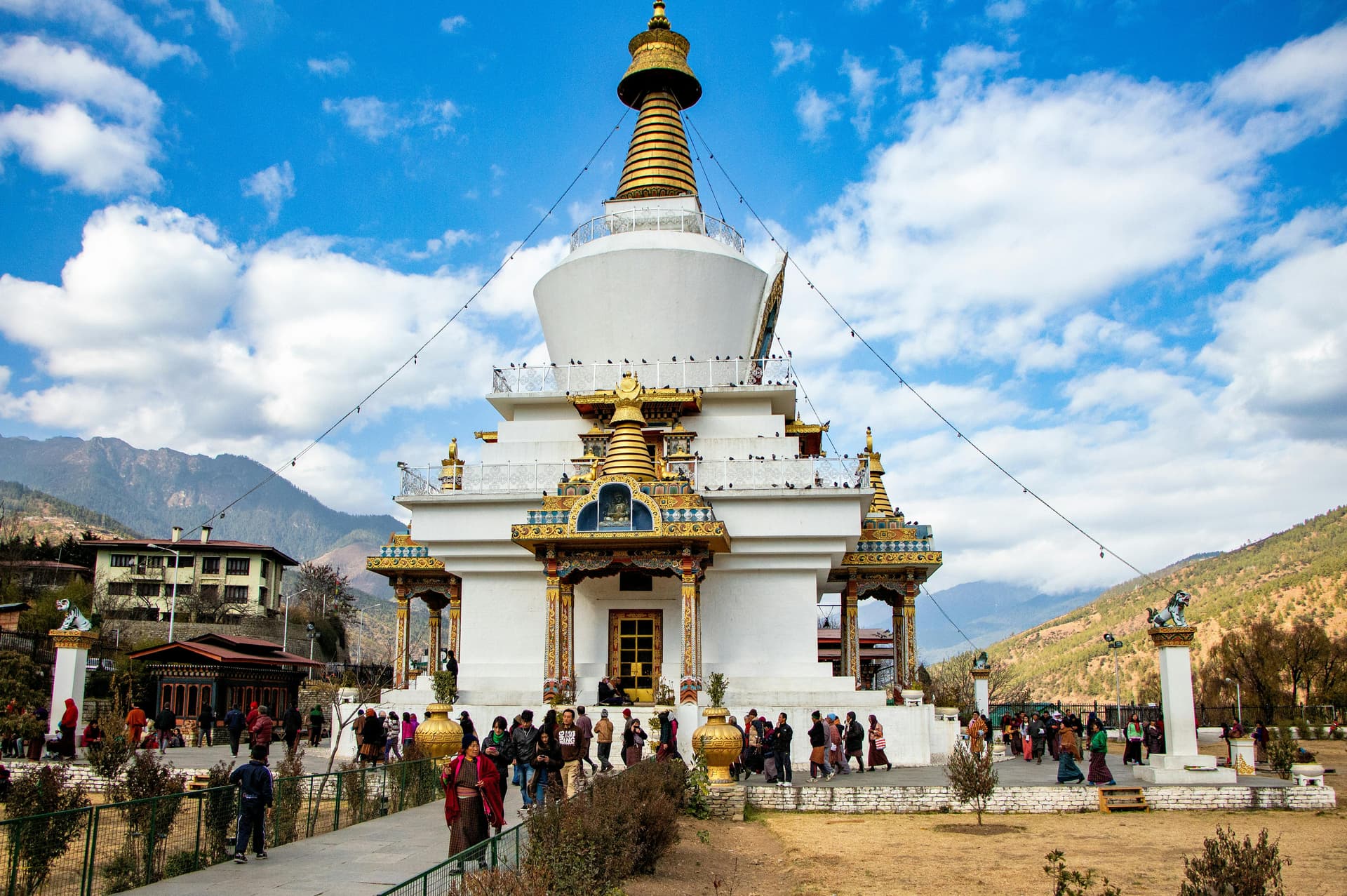
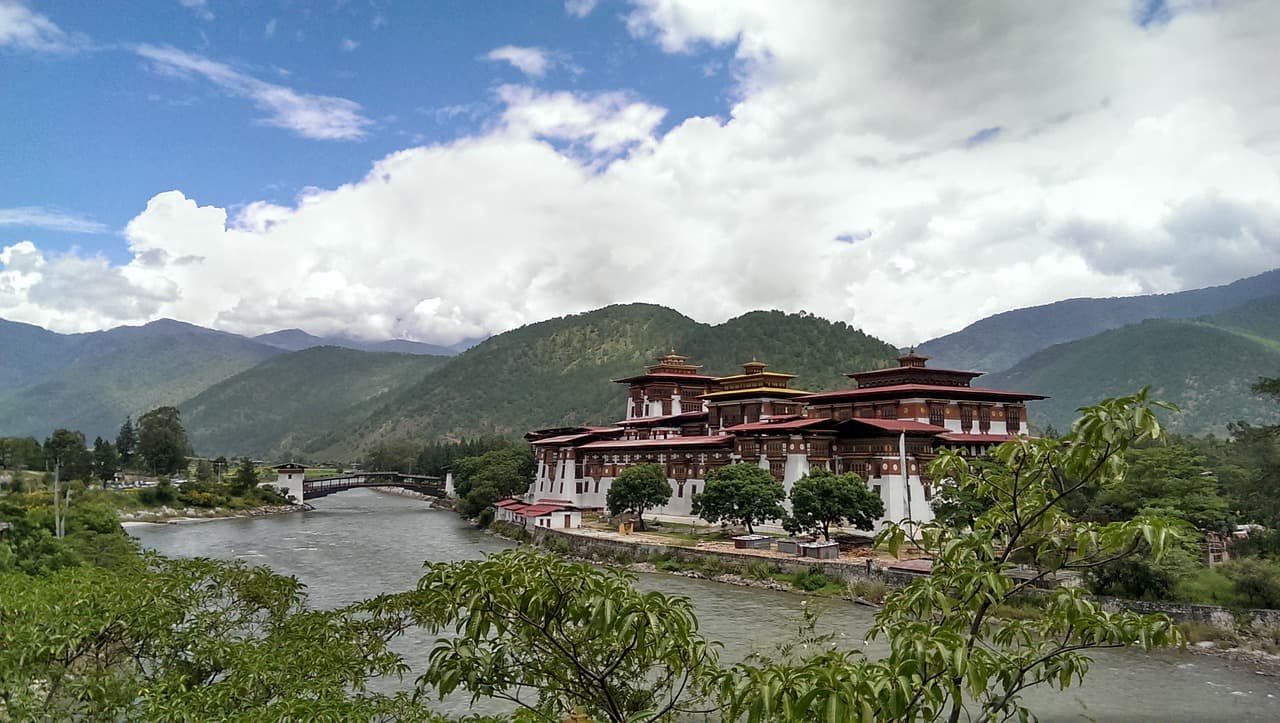
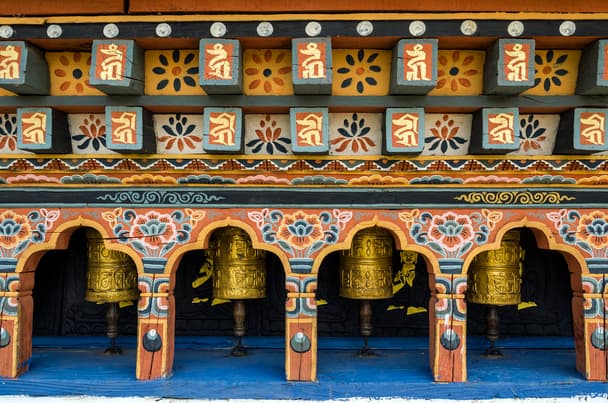
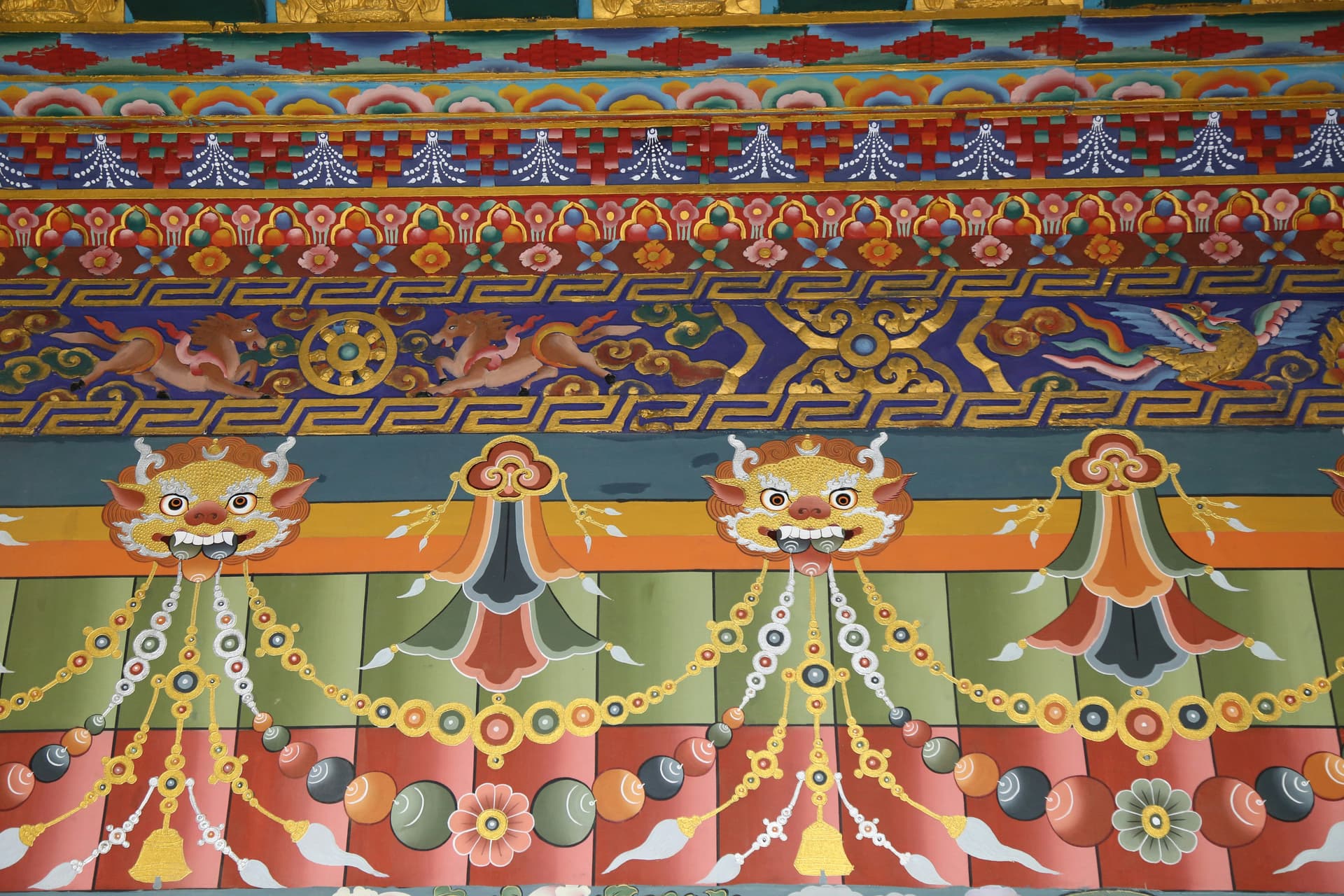
In Bhutan, tradition and modernity coexist in a harmonious dance. The preservation and promotion of culture are central to GNH, ensuring that Bhutan’s rich heritage remains vibrant and relevant in the 21st century.
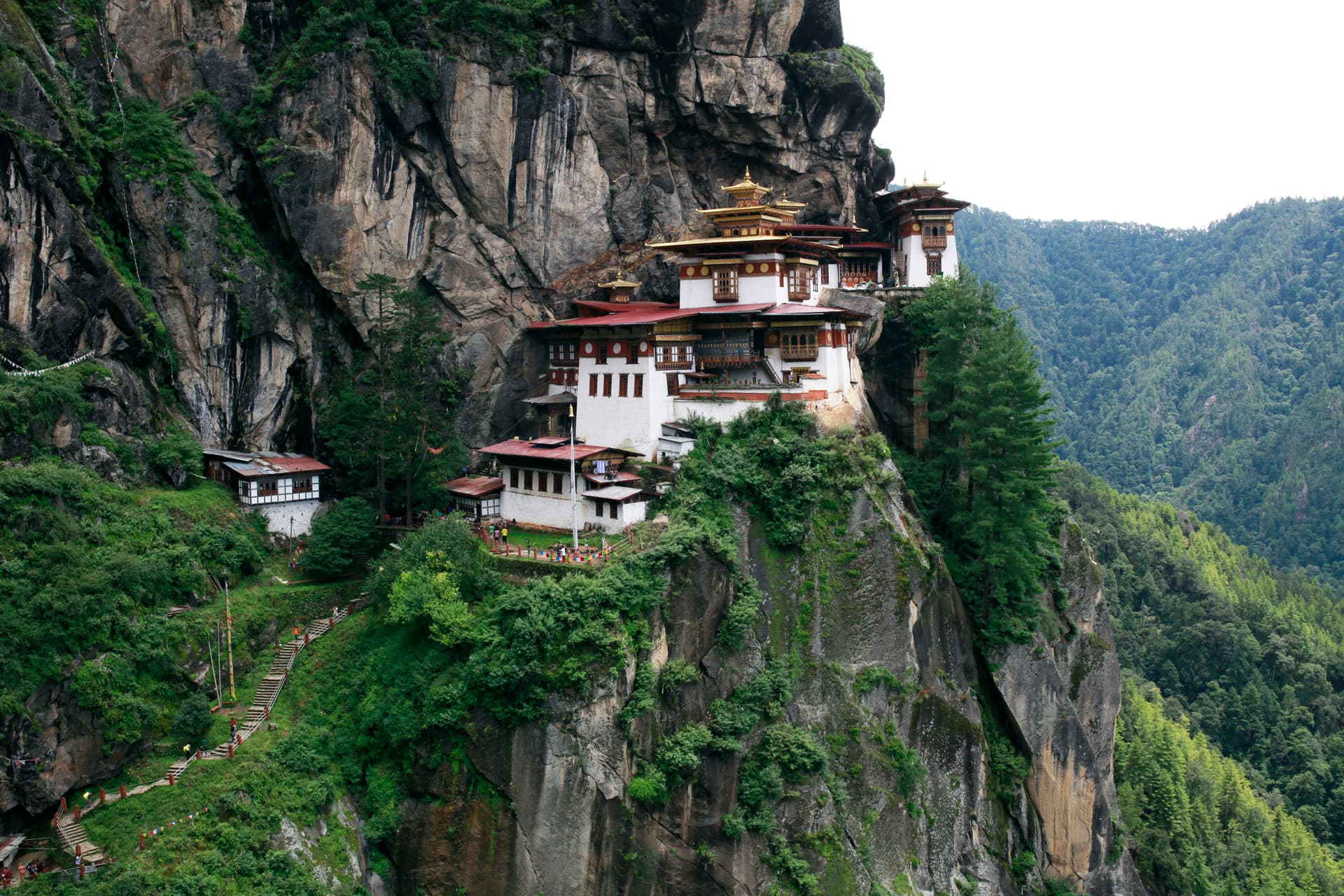
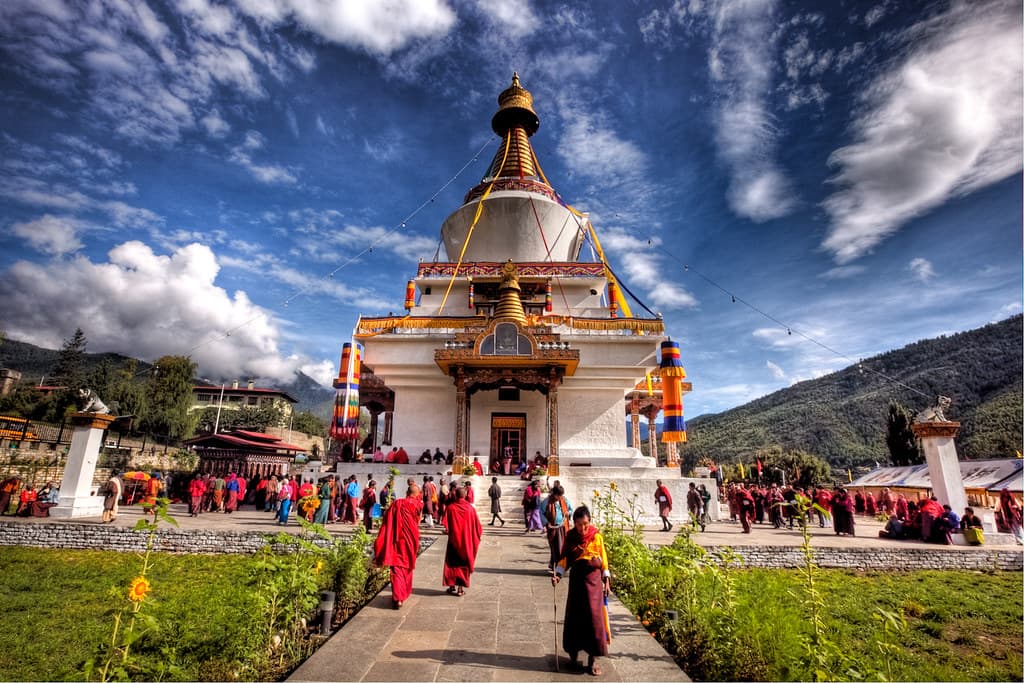
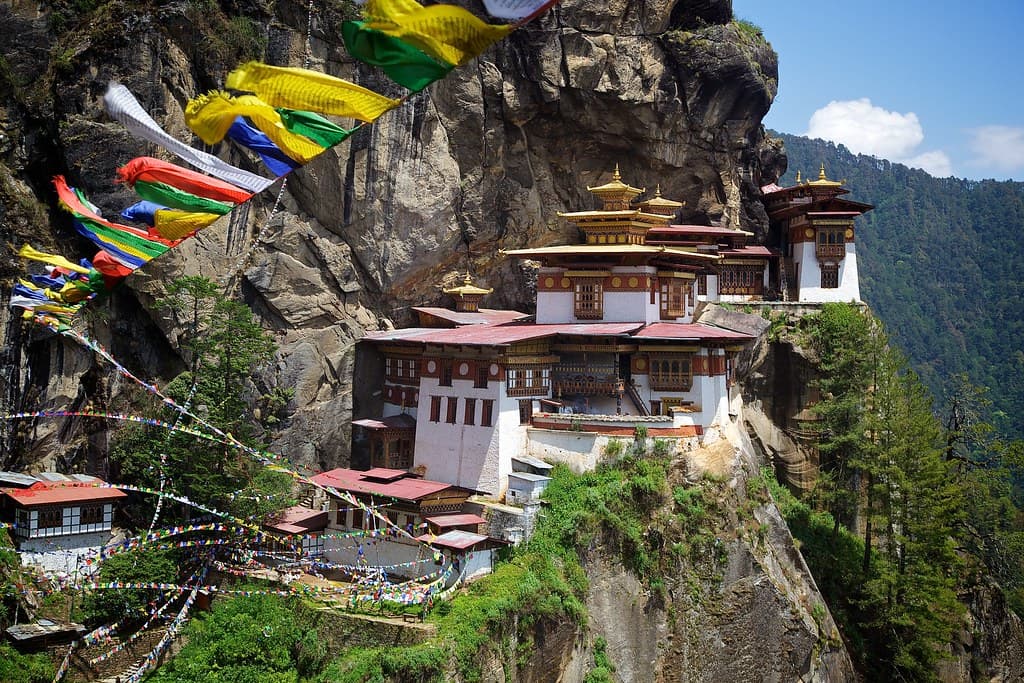
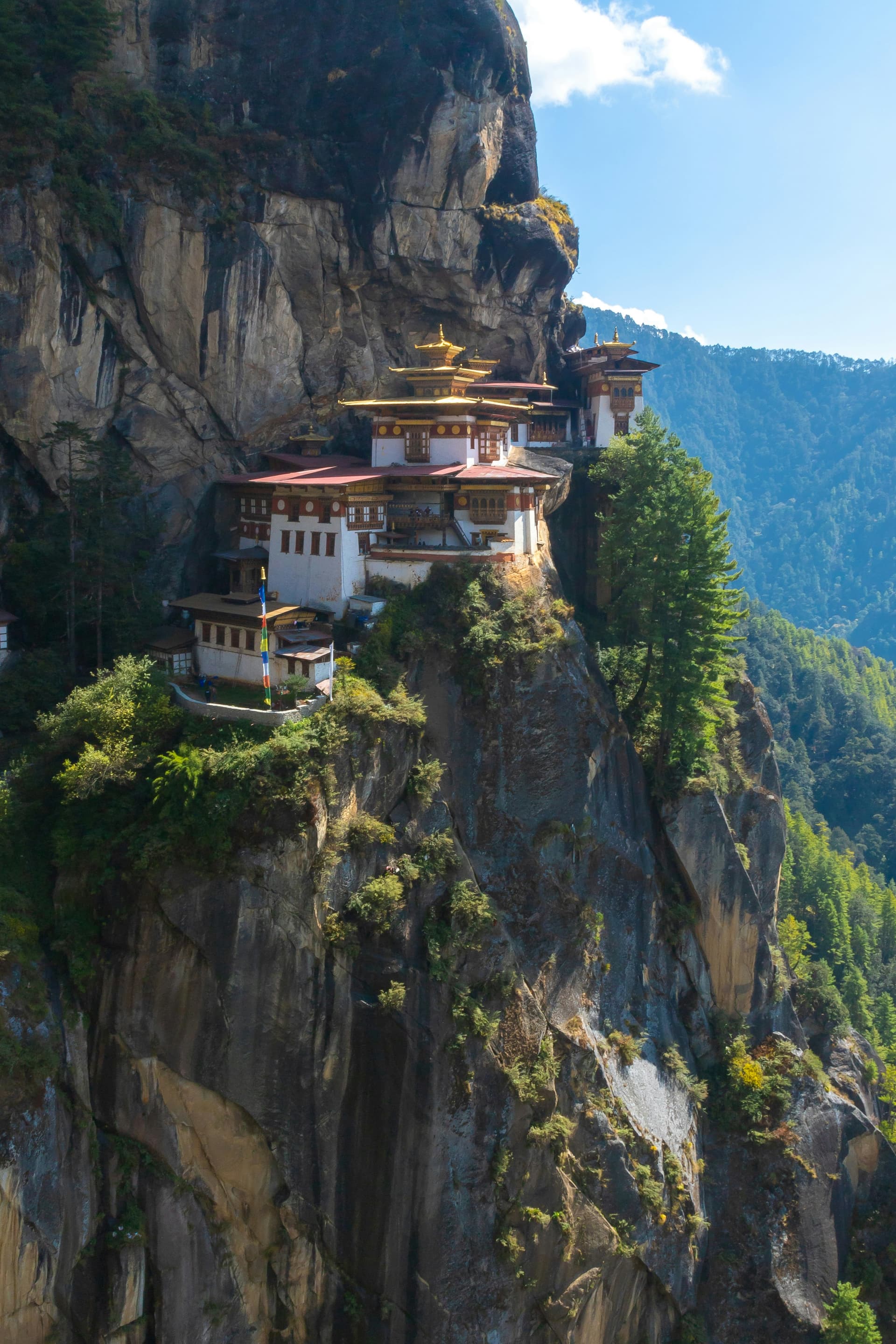
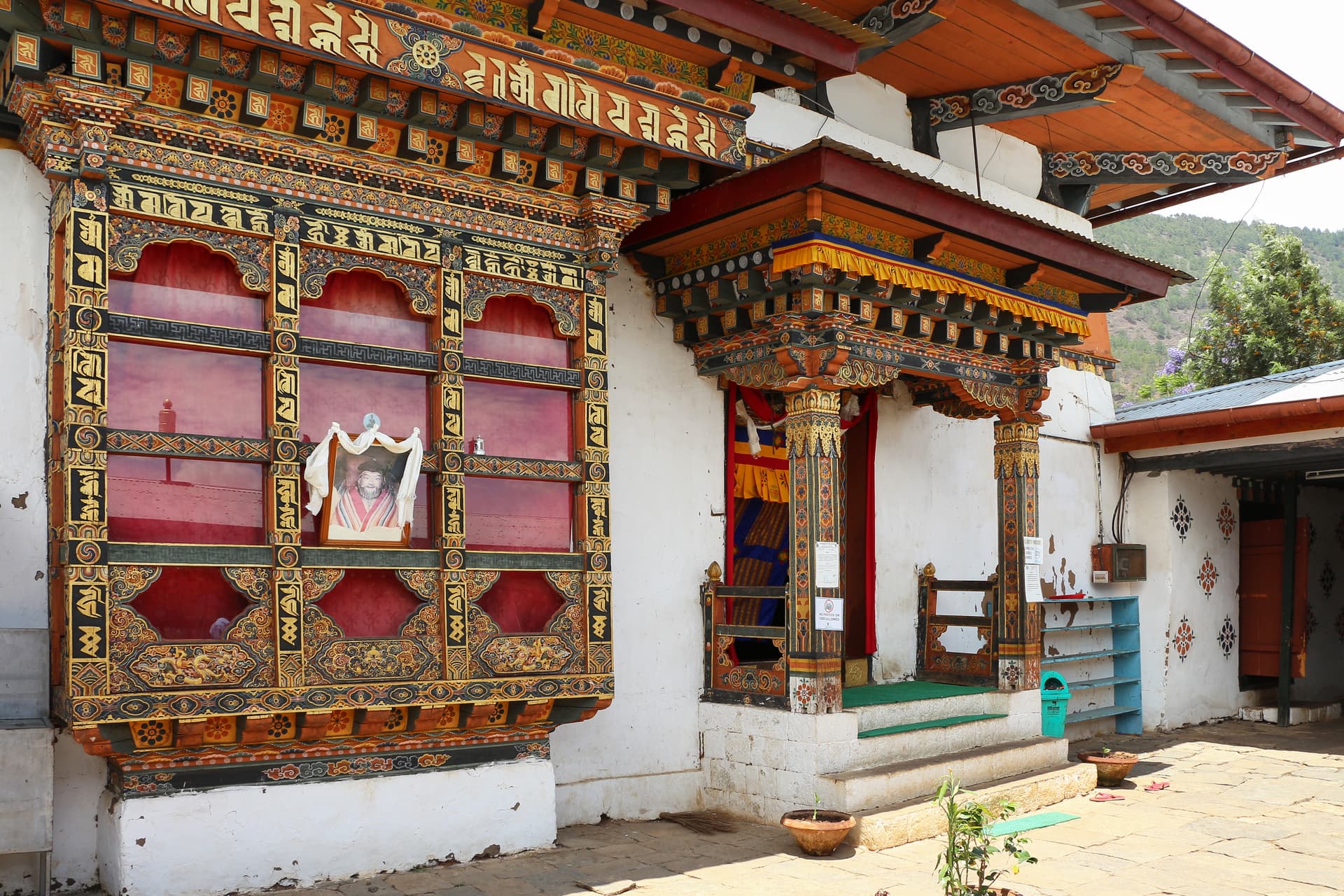
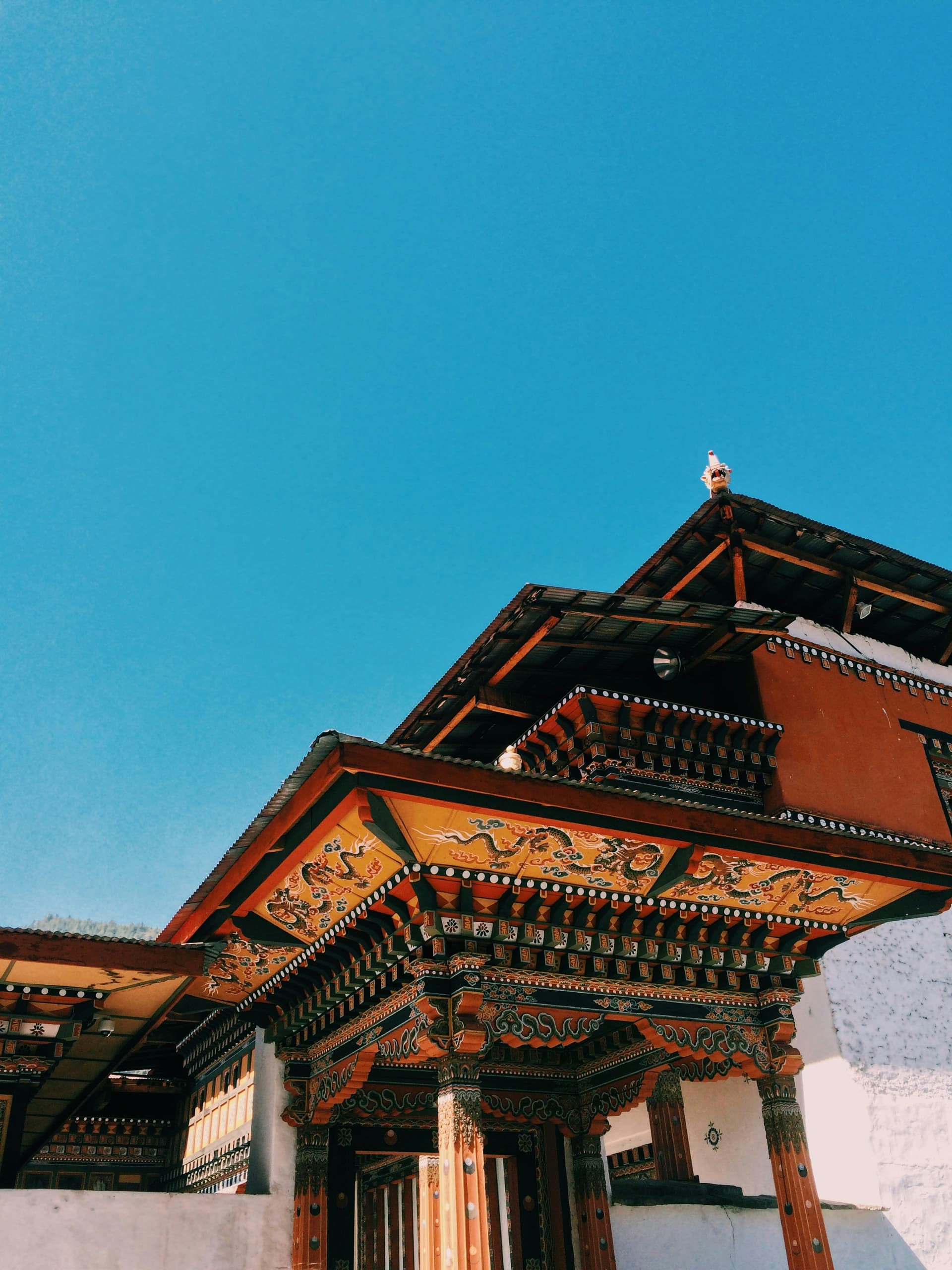
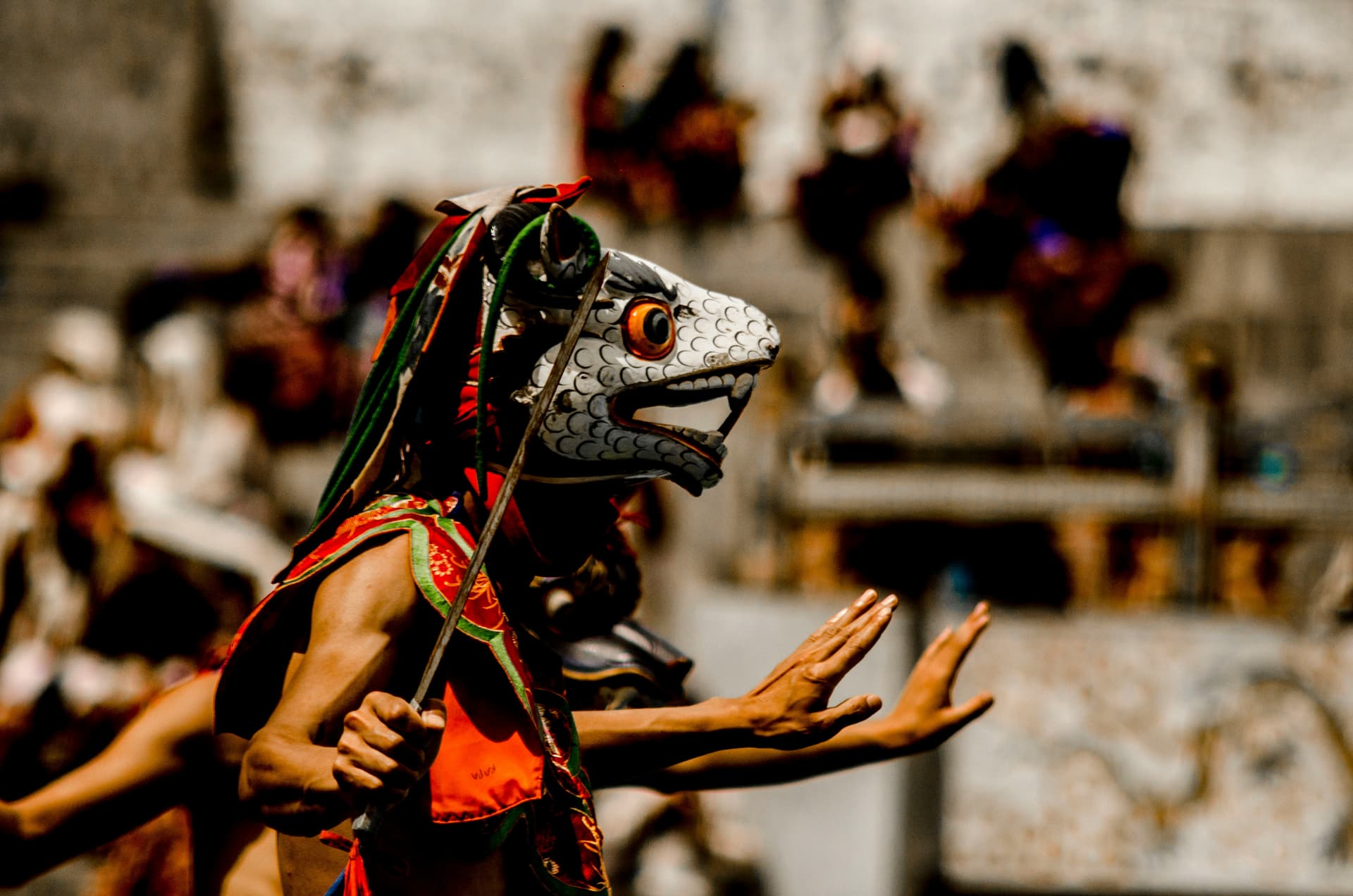
Imagine a place where ancient festivals, dances, and rituals are not just historical curiosities but living, breathing parts of everyday life. From the colorful Tsechu festivals to the serene monasteries perched on mountain cliffs, Bhutan’s cultural heritage is a source of pride and identity. By preserving these traditions, Bhutan fosters a sense of belonging and continuity, grounding its people in their rich cultural roots.

Good governance is the secret sauce that holds the other pillars together. In Bhutan, governance isn’t just about politics; it’s about creating a system that serves the people and promotes their happiness.
Imagine a government that prioritizes transparency, accountability, and citizen participation. In Bhutan, policies are designed to be inclusive and participatory, ensuring that every voice is heard. This approach fosters trust and cooperation between the government and the people, creating a stable and harmonious society.

You might be wondering, "How do you measure something as abstract as happiness?" Bhutan has an answer: the GNH Index. This quirky yet rigorous tool assesses the well-being of Bhutanese citizens across nine domains:
Each domain is carefully analyzed to provide a comprehensive picture of national happiness. Surveys and data collection efforts ensure that every aspect of life is considered, from emotional well-being to environmental quality. This holistic approach allows Bhutan to craft policies that address the full spectrum of human experience, ensuring that every citizen has the opportunity to thrive.
What makes Bhutan’s pursuit of happiness so endearing are the quirky, heartfelt initiatives that emerge from this philosophy. Take, for example, the initiative to measure happiness levels through door-to-door surveys. Imagine government officials visiting every household, not to check taxes or impose regulations, but to ask, "How happy are you today?"
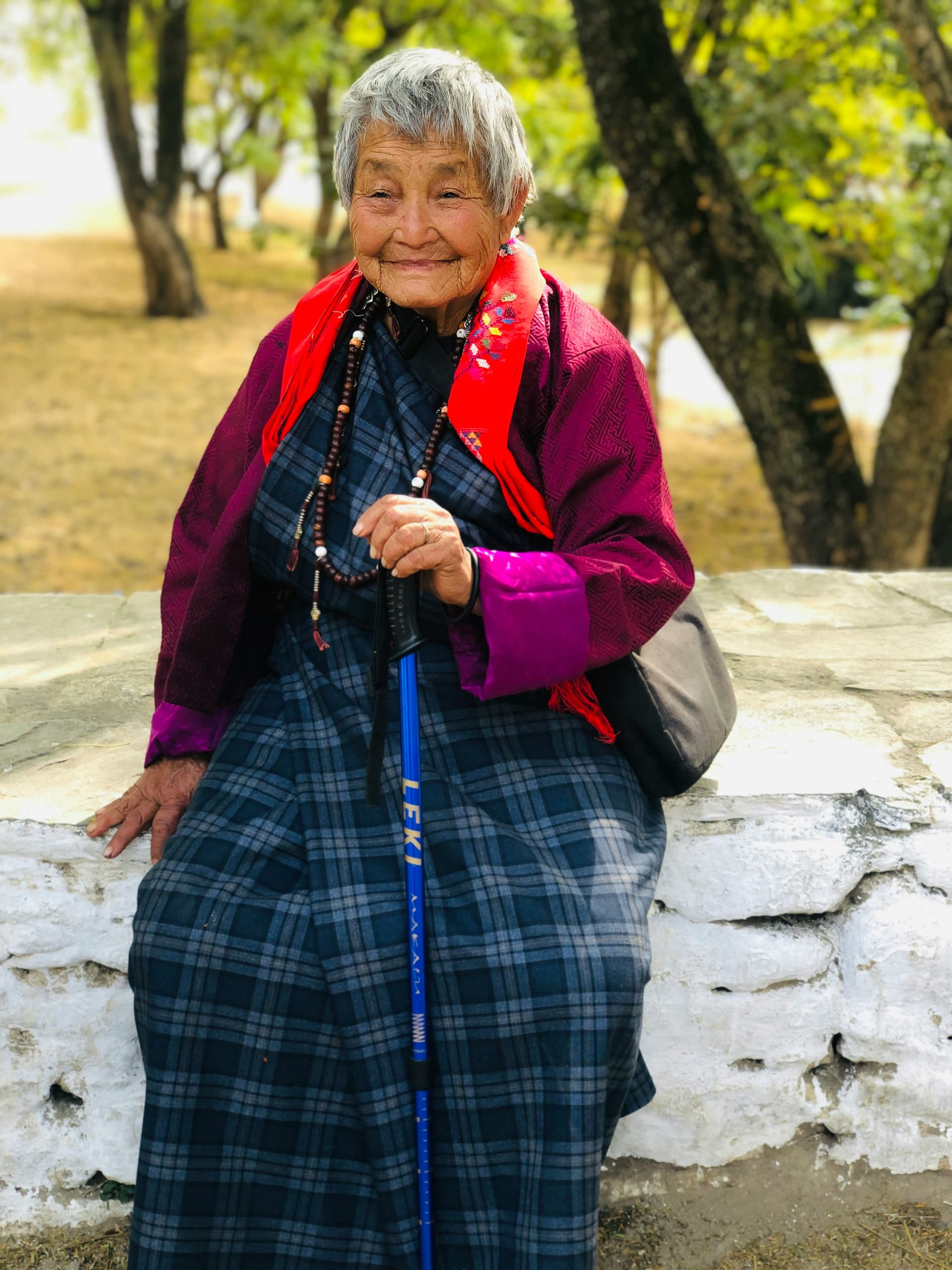
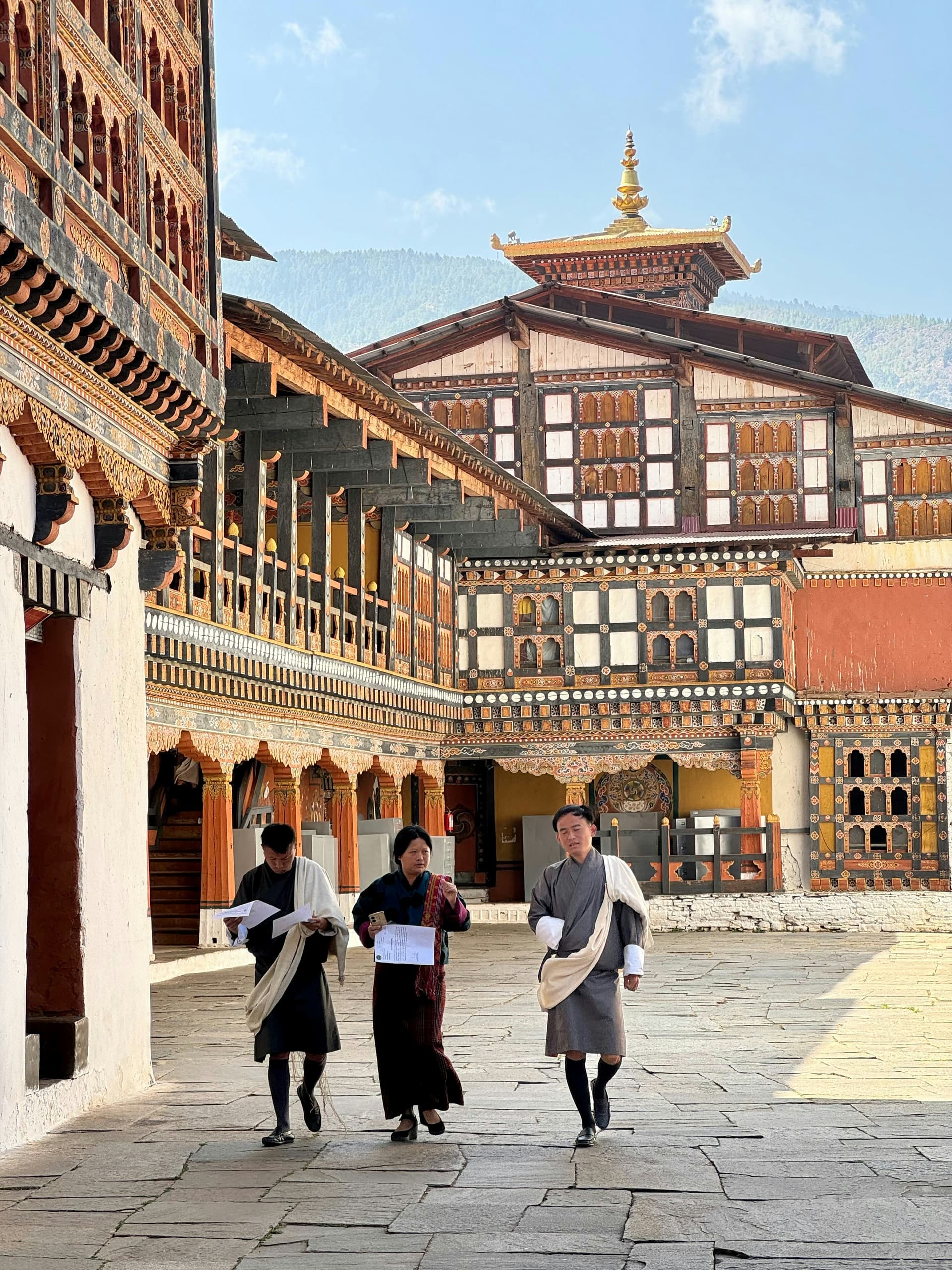
Then there’s the initiative to ban plastic bags to protect the environment, or the national dress code that encourages citizens to wear traditional attire, fostering a sense of pride and cultural identity. These quirky yet meaningful actions are a testament to Bhutan’s commitment to GNH.
One of the quirkiest aspects of Bhutan’s GNH is its approach to tourism. Bhutan restricts the number of tourists allowed in the country each year, implementing a "high value, low impact" policy. This ensures that tourism benefits the local economy while preserving the country’s cultural and environmental integrity. Imagine visiting a place where you’re not just another tourist but a valued guest, welcomed with open arms into a culture that values authenticity over mass appeal.
The impact of GNH is evident in the daily lives of Bhutanese citizens. Education is free and accessible to all, with a strong emphasis on holistic development. Schools incorporate lessons on emotional well-being, cultural heritage, and environmental stewardship, ensuring that students grow up with a balanced and well-rounded perspective.
Healthcare in Bhutan is another area where GNH shines. The government provides free healthcare services to all citizens, focusing on preventive care and traditional medicine alongside modern treatments. This approach ensures that health is viewed not just as the absence of disease but as a state of complete physical, mental, and social well-being.
Community vitality is another cornerstone of GNH. Bhutanese society is characterized by strong communal bonds, with people coming together to celebrate festivals, support one another, and engage in collective decision-making. This sense of community fosters resilience and mutual support, creating a society where individuals are valued and cared for.

No journey is without its bumps, and Bhutan’s pursuit of GNH is no exception. Critics argue that GNH can be difficult to quantify and that its implementation can sometimes be inconsistent. Additionally, as Bhutan modernizes, there are concerns about balancing economic development with the principles of GNH.
Globalization and modernization pose significant challenges to maintaining Bhutan’s unique identity and traditions. As the country opens up to the world, it must navigate the complexities of integrating new technologies and ideas while preserving its cultural heritage and environmental integrity.
Moreover, there are economic challenges. Bhutan’s economy relies heavily on hydropower exports to India, making it vulnerable to external market fluctuations. Balancing economic growth with the principles of GNH requires careful planning and sustainable practices.
Despite these challenges, Bhutan remains committed to GNH, constantly evolving and adapting its approach to meet the needs of its people. The government continues to refine the GNH index, ensuring that it remains relevant and effective in guiding national policy.
Bhutan’s GNH has not only transformed the nation but also inspired a global movement. Countries around the world are beginning to recognize the limitations of GDP as a measure of progress and are exploring more holistic approaches to development.
The United Nations has acknowledged Bhutan’s contributions to promoting happiness and well-being, and several countries have started to incorporate happiness metrics into their own national policies. Bhutan’s GNH serves as a powerful reminder that development should be about more than just economic growth; it should be about creating conditions for all people to lead fulfilling, happy lives.
In a world that often prioritizes profits over people, Bhutan’s Gross National Happiness stands as a beacon of hope and inspiration. It’s a reminder that happiness is not just a personal pursuit but a collective responsibility. By focusing on well-being, sustainability, culture, and good governance, Bhutan has created a model for a more compassionate and balanced world.
As we journey through life, perhaps we can all take a leaf out of Bhutan’s book and prioritize happiness in our own quirky ways. Whether it’s fostering stronger community bonds, protecting the environment, or simply taking the time to ask ourselves, "How happy am I today?" we can all contribute to a world where happiness is the true measure of success.
So here’s to Bhutan, the land of the Thunder Dragon, where happiness reigns supreme, and where the pursuit of joy is a national duty. May we all find inspiration in this small Himalayan kingdom and embark on our own quirky adventures toward a happier, more fulfilling life.