
Culture
Cultural Etiquette in Bhutan: The Do’s and Don’ts
5 minutes
17th July 2024
by Shakti Iyer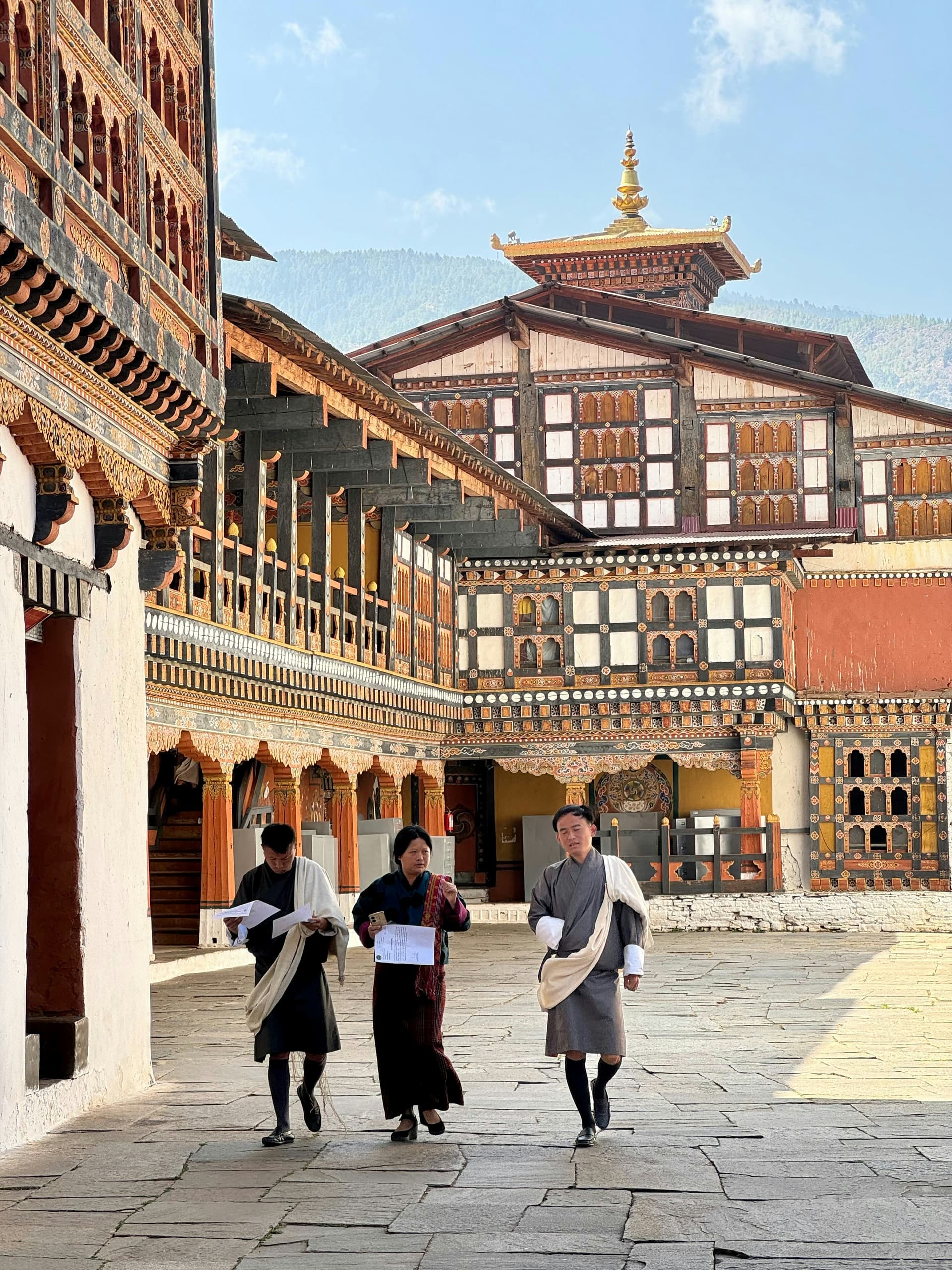
Here's what you can do and you can not do!
Traveling to Bhutan is like stepping into a fairytale—majestic monasteries perched on cliffs, lush valleys that stretch into the horizon, and a culture so rich, it's almost tangible. But as you prepare to explore this mystical kingdom, it’s important to know the do’s and don’ts of Bhutanese cultural etiquette. Fear not, dear traveler! This guide, sprinkled with a touch of quirk, will help you navigate Bhutan’s social norms with respect and charm.
Do: Dress to Impress (and Respect!)
Bhutanese people take pride in their traditional attire. The gho for men and kira for women aren’t just fashion statements; they’re a cultural heritage. While you’re not expected to don these outfits (though it would be a fun experience!), you should dress modestly. That means no shorts, tank tops, or revealing clothes, especially when visiting religious sites.
Imagine this: you’re about to enter a stunning dzong (fortress), and suddenly, you remember you’re in a spaghetti strap top. Oops! Instead, opt for long sleeves and trousers or skirts that fall below the knee. And remember, the brighter, the better—Bhutanese culture loves vibrant colors!
Don’t: Point with Your Fingers
In Bhutan, pointing with your fingers is considered impolite. It’s like the social equivalent of using a megaphone to whisper a secret. If you need to gesture, use an open hand or a subtle nod in the direction you’re indicating. Think of yourself as a classy butler in an old British film, gracefully guiding someone to the drawing room.
Do: Learn a Few Words in Dzongkha
Learning a few phrases in Dzongkha, the national language, is a great way to show respect and connect with locals. Simple greetings like “Kuzuzangpo la” (hello) or “Kadrinchey la” (thank you) can go a long way. Plus, trying out the local language can lead to some fun and memorable interactions.
Picture this: you walk into a small shop, smile, and say “Kuzuzangpo la!” The shopkeeper beams and responds warmly. You’ve just made a new friend and gained an insider tip on the best momos in town. Success!
Don’t: Touch People’s Heads
In Bhutan, the head is considered the most sacred part of the body. So, no matter how adorable that child is or how fascinating someone’s hairdo might be, resist the urge to pat or touch their head. Instead, admire from afar and maybe give a friendly nod or smile.
Do: Respect the Sacred Spaces
In Bhutan, the head is considered the most sacred part of the body. So, no matter how adorable that child is or how fascinating someone’s hairdo might be, resist the urge to pat or touch their head. Instead, admire from afar and maybe give a friendly nod or smile.
Do: Respect the Sacred Spaces
Bhutan is dotted with awe-inspiring monasteries, dzongs, and stupas. These sacred spaces are not just tourist attractions; they’re places of deep spiritual significance. When visiting, always remove your shoes before entering, keep your voice low, and avoid touching religious objects unless you’re invited to do so.
Imagine you’re visiting the legendary Tiger’s Nest Monastery, perched precariously on a cliff. The serenity of the place is palpable, the air thick with reverence. It’s not the place for loud conversations or boisterous behavior. Embrace the tranquility and soak in the spiritual atmosphere.
Don’t: Take Photos Without Permission
Bhutan is a photographer’s paradise, but snapping away without considering the local etiquette can be disrespectful. Always ask for permission before photographing people, especially monks and inside religious sites. Sometimes, signs will explicitly prohibit photography—respect these rules.
Imagine you’re at a vibrant Tsechu festival, the air alive with colors and music. You spot a monk with the most serene expression and reach for your camera. Stop! Approach respectfully and ask for permission. More often than not, you’ll get a smile and a nod. And who knows, you might even get a great story to go along with your photo.

Leave the planning to a local expert
Do: Use Both Hands When Giving or Receiving Items
Using both hands to give or receive something is a sign of respect in Bhutanese culture. Whether you’re handing over money, a gift, or even just a business card, make sure to use both hands. It’s a small gesture that shows you value the interaction.
Imagine handing over payment for the most delicious bowl of Ema Datshi (Bhutan’s fiery chili cheese stew) you’ve ever tasted. Using both hands, you create a moment of mutual respect and gratitude. The chef’s smile widens, and you’ve just made your meal even more memorable.
Don’t: Show Public Displays of Affection
While Bhutanese people are warm and friendly, public displays of affection (PDA) are frowned upon. Holding hands is generally okay, but kissing or hugging in public is considered inappropriate. Save the romantic gestures for private moments, and keep your public behavior respectful.
Picture this: you’re walking through the bustling streets of Thimphu, hand in hand with your partner. The atmosphere is lively, but you notice that couples around you are reserved. Take a cue from the locals and save those affectionate moments for later. You’ll blend in better and show respect for Bhutanese norms.
Do: Embrace the Bhutanese Way of Life
One of the most enchanting aspects of traveling in Bhutan is immersing yourself in the local way of life. Participate in local festivals, try traditional foods, and engage with the community. Bhutanese people are incredibly hospitable and welcoming, and they’ll appreciate your genuine interest in their culture.
Imagine yourself at a local festival, dressed in a kira or gho you rented for the day. You join in the traditional dances, taste homemade ara (a local alcoholic drink), and laugh with new friends. You’re not just a visitor; you’re part of the celebration, creating memories that will last a lifetime.
Don’t: Litter or Disrespect Nature
Bhutan takes its environmental conservation seriously. The country’s commitment to sustainability is evident everywhere you go. Littering or damaging nature is not just frowned upon; it’s considered deeply disrespectful. Always dispose of your trash properly and tread lightly on the earth.
Picture hiking through Bhutan’s pristine forests, the air crisp and fresh. You carry a small bag for your trash, ensuring that you leave no trace behind. Each step you take honors the country’s dedication to preserving its natural beauty. You’re not just a traveler; you’re a steward of the environment.
Conclusion
Traveling to Bhutan is a journey into a world where respect for tradition, nature, and each other is woven into the very fabric of society. By following these do’s and don’ts, you’ll not only navigate Bhutanese culture with ease but also enrich your travel experience in unexpected and delightful ways.
So pack your bags, brush up on your Dzongkha, and get ready to embrace the quirky, respectful, and joyful adventure that awaits you in Bhutan. As you wander through this enchanting kingdom, remember that the essence of respectful travel lies in understanding and honoring the values of the place you’re visiting. Happy travels!