
Japanese Garden
Overview
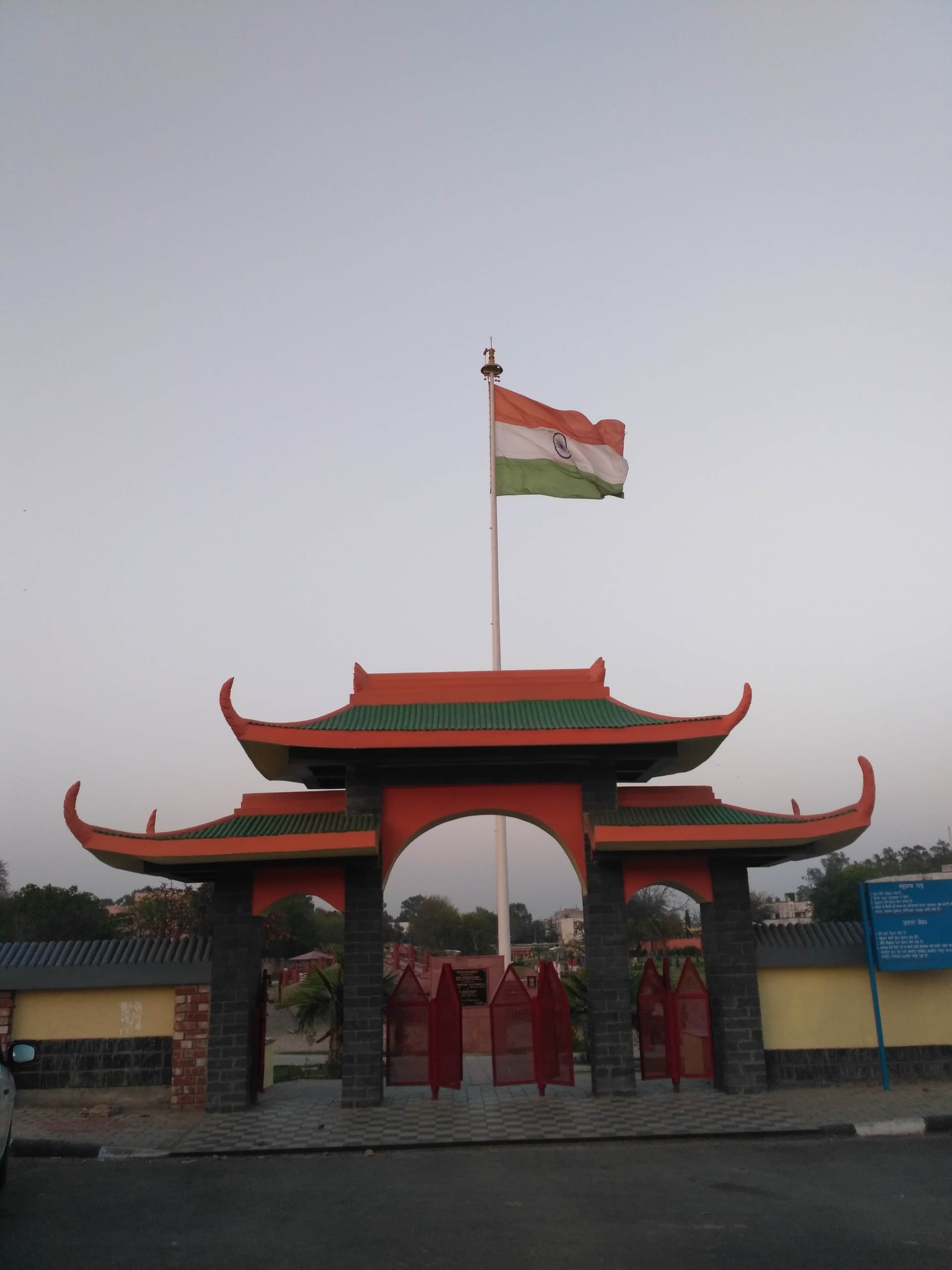
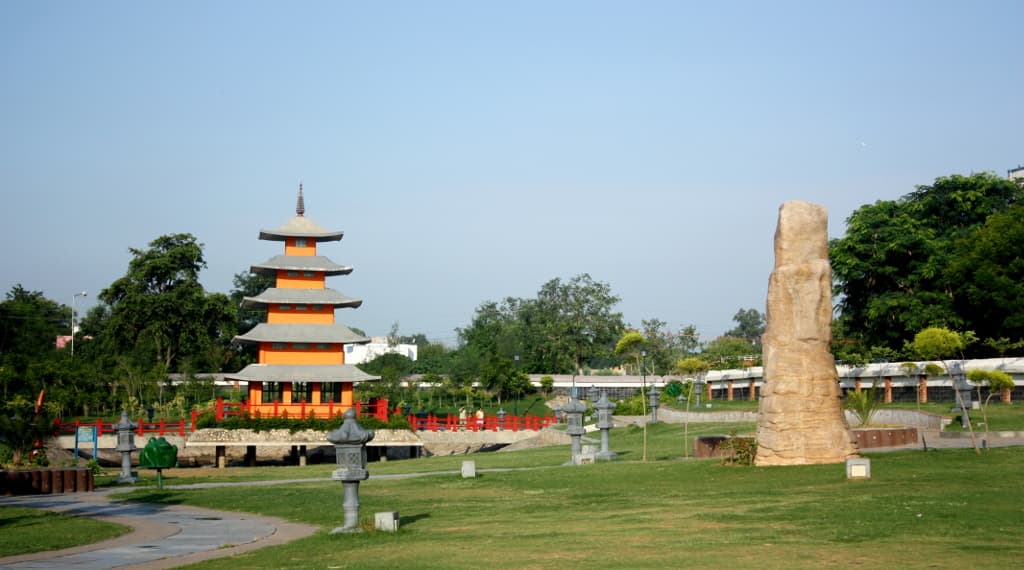
The Japanese Garden in Chandigarh is a serene and beautifully designed garden that stands out as a symbol of Indo-Japanese friendship and cultural exchange. Opened to the public in 2014, this garden is spread over 13 acres and is divided into two phases. It offers a unique experience with its meticulously planned landscapes, traditional Japanese elements, and tranquil ambiance, making it a must-visit destination in the city.
Label: Off beat
How to reach: Bike, bus, taxi, auto
Timings: 10:00 AM to 9:00 PM
Time Required: 2 hours
Entry Fee: Free
Key Features
Traditional Japanese Architecture
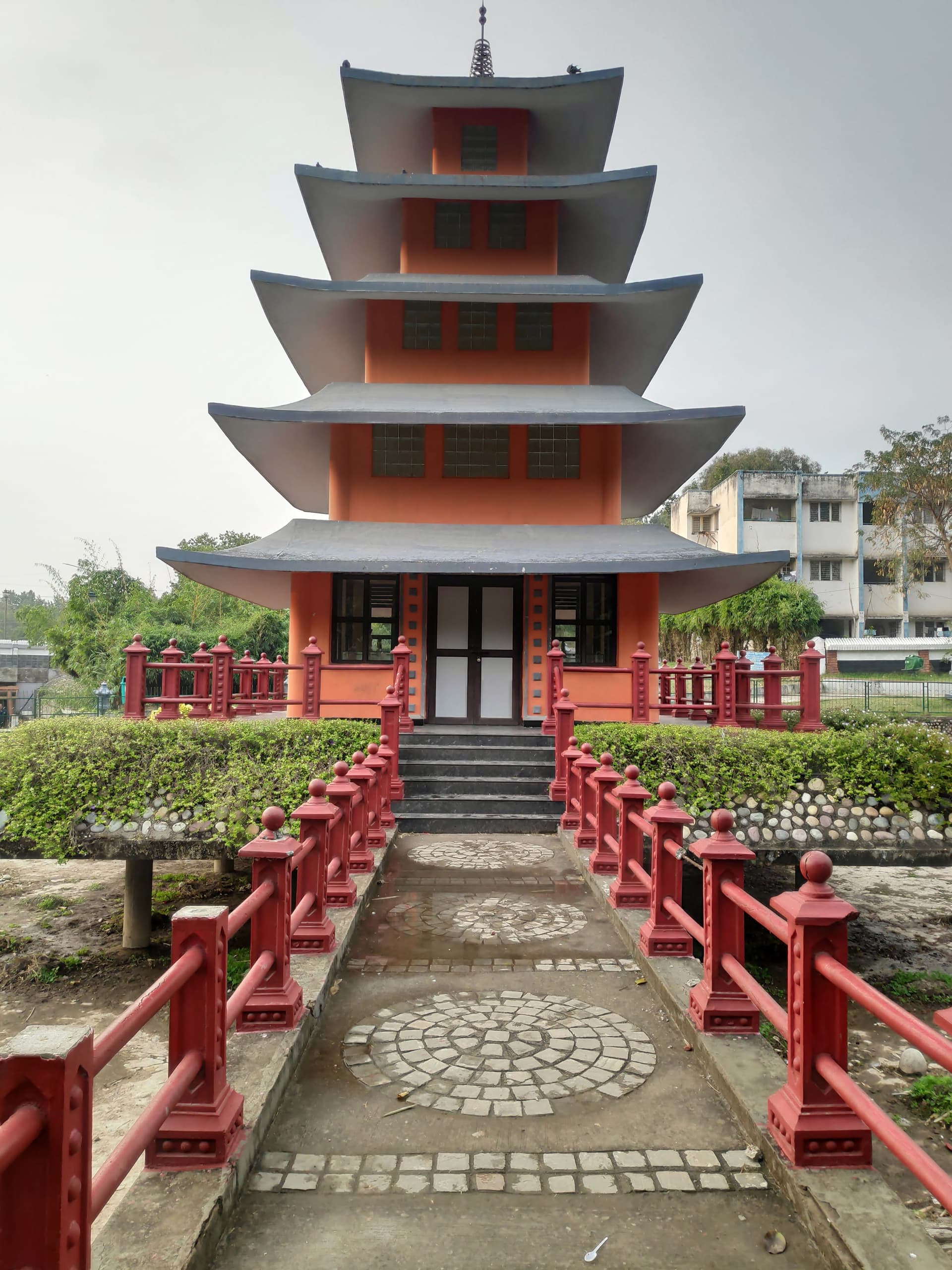
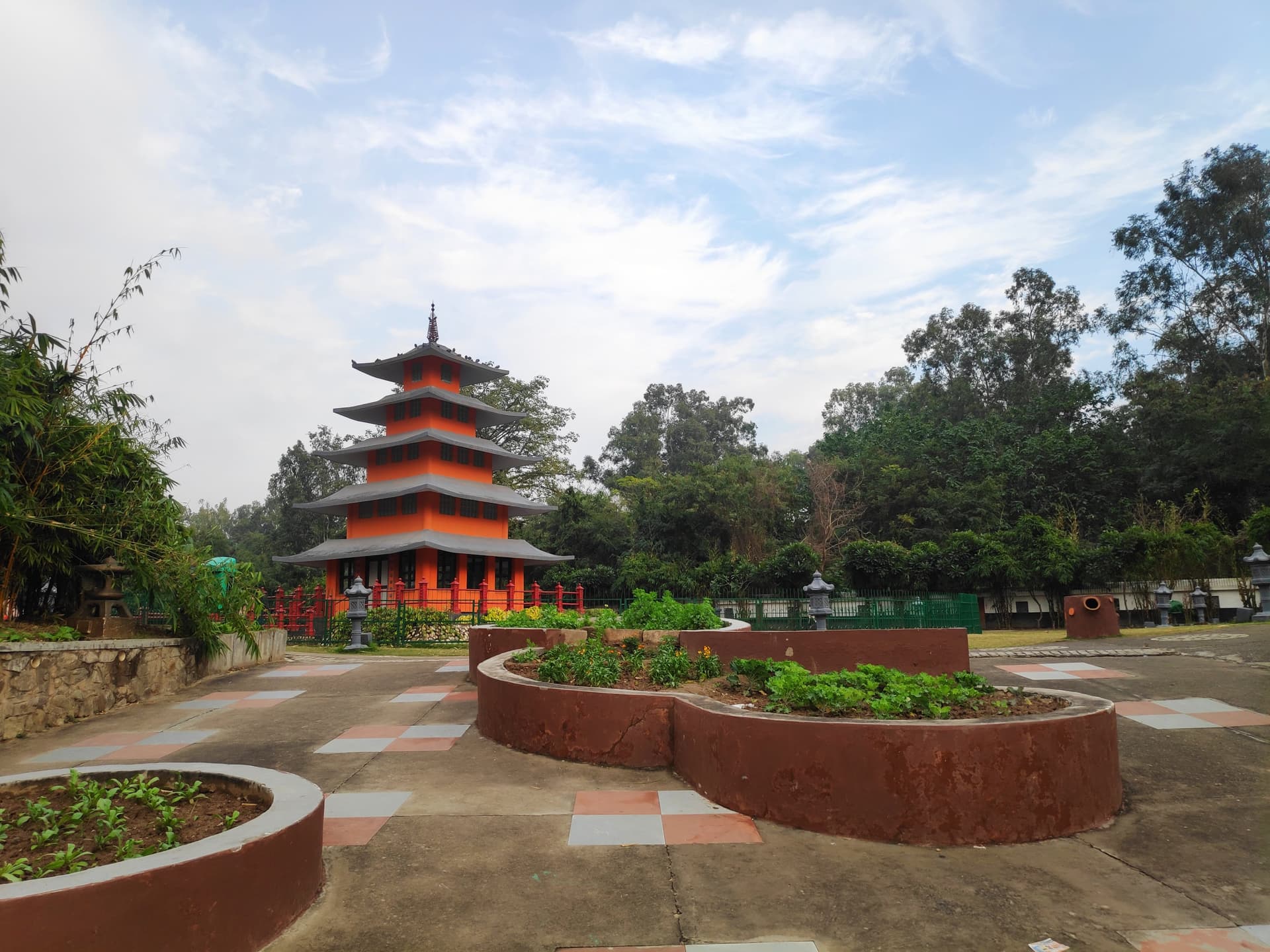
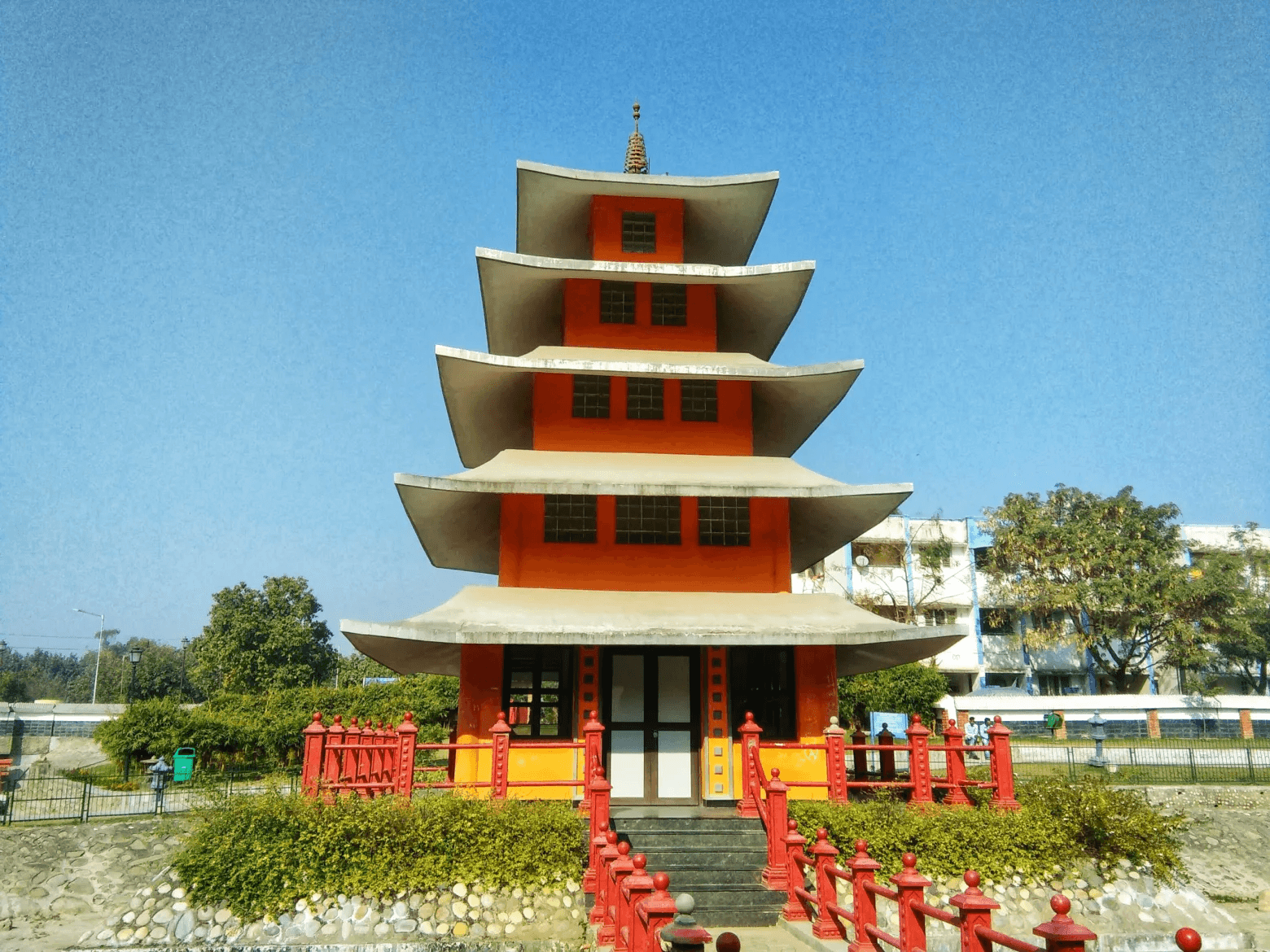
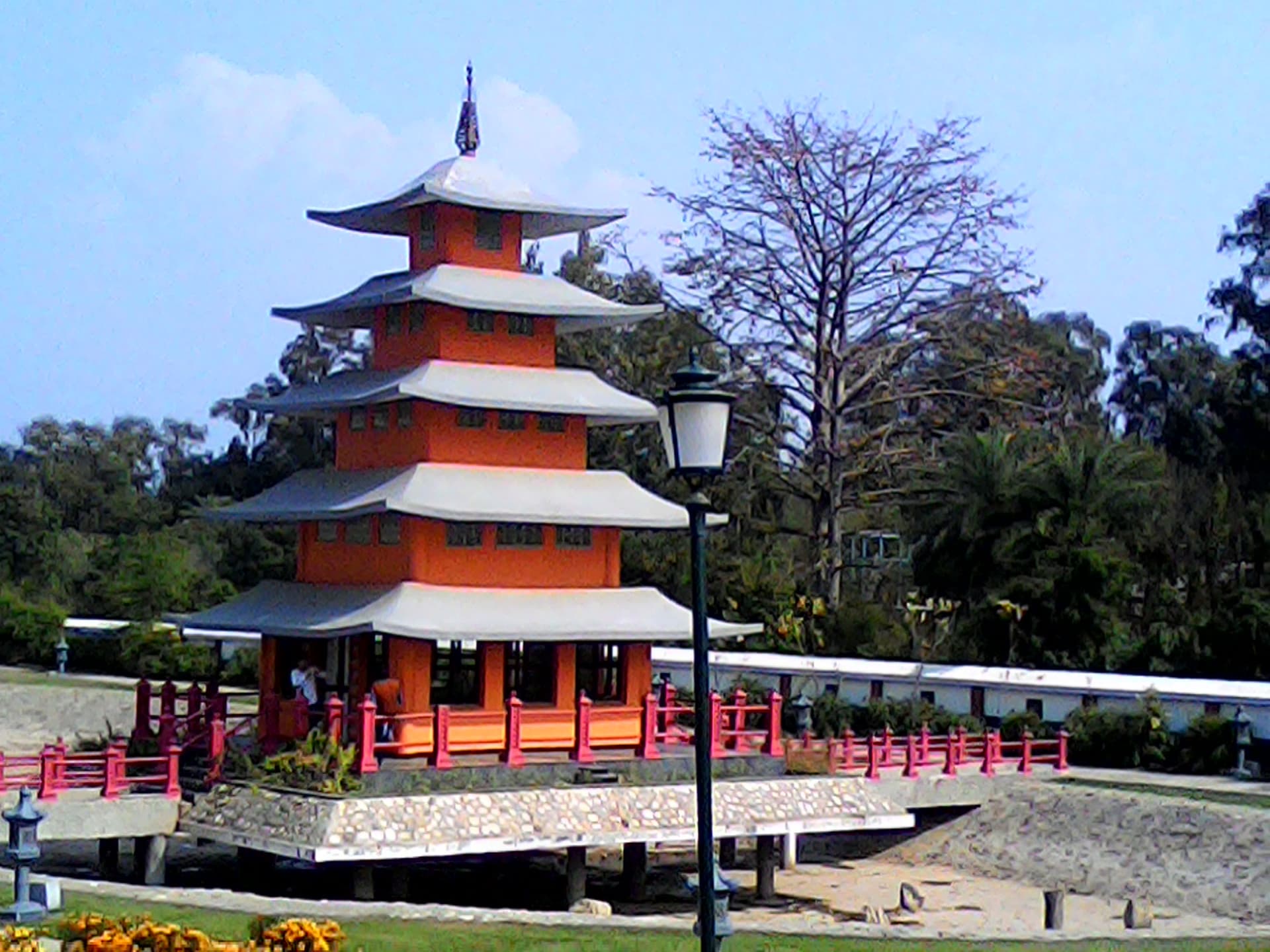
The Japanese Garden features authentic Japanese architectural elements such as pagodas, arched bridges, and stone lanterns. These structures are built with meticulous attention to detail, reflecting the traditional aesthetic principles of Japanese culture. The garden also includes a Zen garden, which is a dry landscape garden that uses rocks, gravel, and sand to create a minimalist and meditative space.
Lush Greenery and Water Features
The garden is adorned with lush greenery, including a variety of trees, shrubs, and flowering plants. The landscaping is designed to create a harmonious blend of colors and textures, providing a visual treat for visitors. Water features such as koi ponds, waterfalls, and streams enhance the tranquility of the garden. The sight of colorful koi fish swimming gracefully in the ponds adds to the charm of the place.
Artistic Sculptures and Murals
Scattered throughout the garden are numerous sculptures and murals that depict scenes from Japanese mythology and culture. These artistic elements add an educational aspect to the garden, allowing visitors to learn about Japanese folklore and traditions. The sculptures are crafted with intricate details, making them a highlight for art enthusiasts.
Meditation Centers and Yoga Huts
The Japanese Garden includes designated areas for meditation and yoga, providing a peaceful environment for visitors to relax and rejuvenate. These spaces are designed to encourage mindfulness and spiritual reflection, aligning with the Japanese philosophy of harmony with nature.
Children’s Play Area
For families visiting the garden, there is a well-maintained children’s play area equipped with swings, slides, and other play equipment. This makes the garden a family-friendly destination where both adults and children can enjoy their time.
Nearby Attractions
Rock Garden
Located a short distance from the Japanese Garden, the Rock Garden is one of Chandigarh’s most famous attractions. Created by artist Nek Chand, this unique garden features sculptures and artworks made from industrial and urban waste. It is a fascinating example of recycling and creativity.
Sukhna Lake
Sukhna Lake is another popular spot near the Japanese Garden. This man-made reservoir offers boating, walking, and jogging opportunities along its scenic promenade. The lake is also a great place for birdwatching, especially during the migratory season.
Zakir Hussain's Rose Garden
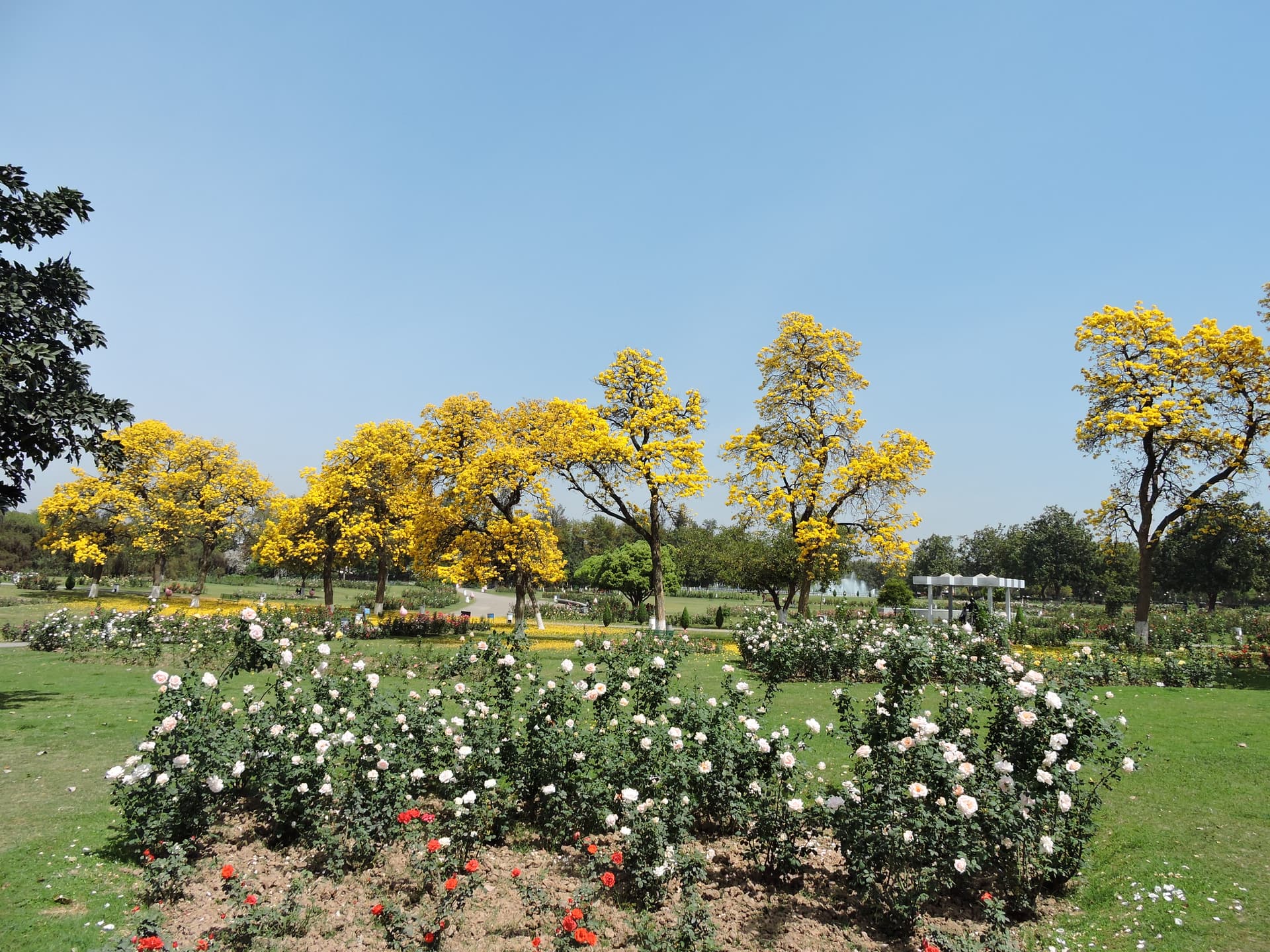
The Zakir Hussain Rose Garden, the largest rose garden in Asia, is located in Chandigarh. It is home to thousands of varieties of roses, as well as fountains and pathways that make it a delightful place for a leisurely stroll.
Best Time to Visit
The best time to visit the Japanese Garden is during the cooler months from October to March. During this period, the weather in Chandigarh is pleasant, making it ideal for outdoor activities. The garden is especially beautiful in the spring when the flowers are in full bloom, adding vibrant colors to the landscape. Early mornings and late afternoons are the best times to visit to avoid the midday sun and enjoy the garden’s tranquil ambiance.

Leave the planning to a local expert
Conclusion
The Japanese Garden in Chandigarh is a tranquil oasis that offers a unique blend of natural beauty and cultural richness. Its traditional Japanese architecture, lush greenery, and serene water features create a peaceful retreat from the hustle and bustle of city life. The garden is not only a place for relaxation but also a space for learning and appreciating Japanese culture.