
Pinjore Garden

Overview
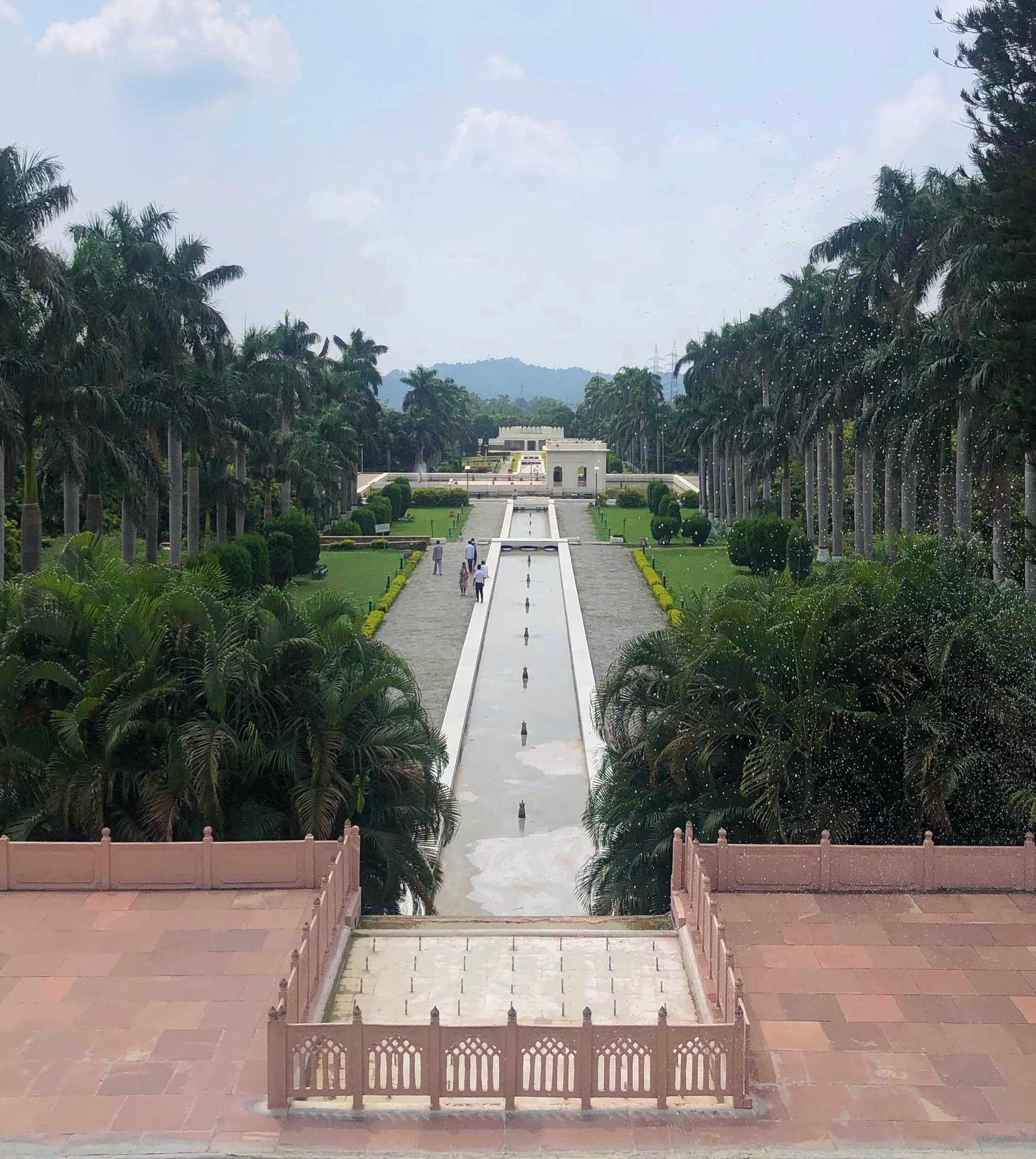
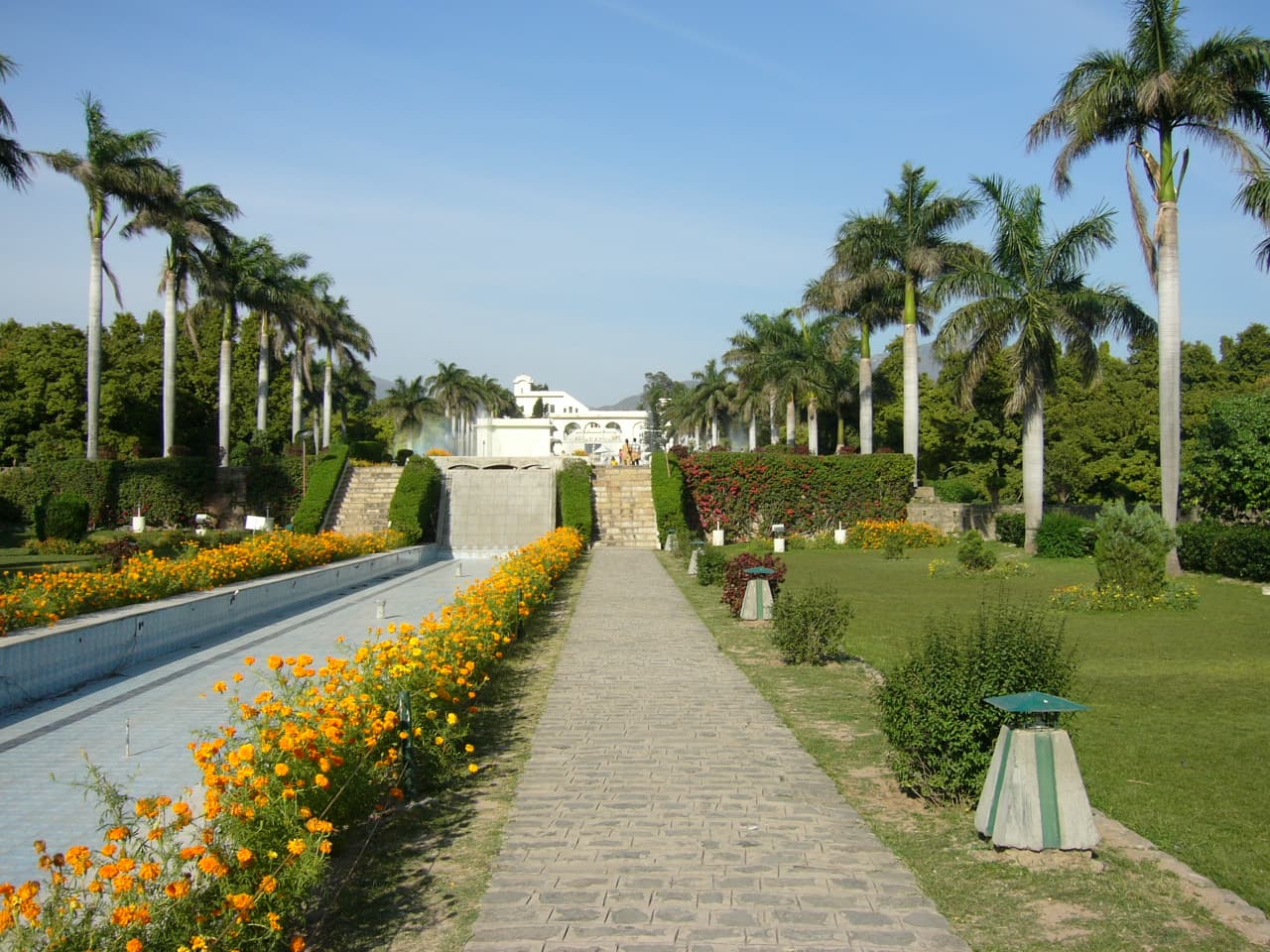
Pinjore Gardens, also called Yadavindra Gardens, is a historical and horticultural masterpiece that is popular with both residents and visitors. It is situated around 20 kilometers from Chandigarh. With its well-kept lawns, flower beds, fountains, and pavilions that transport guests to a bygone period of elegance and tranquility, the 100-acre park is a superb example of Mughal gardening.
Label: family friendly
How to reach: Bike, bus, taxi, auto
Timings: 7:00 AM to 9:00 PM
Time Required: 2 hours
Entry Fee: INR 20 Per Person
Key Features
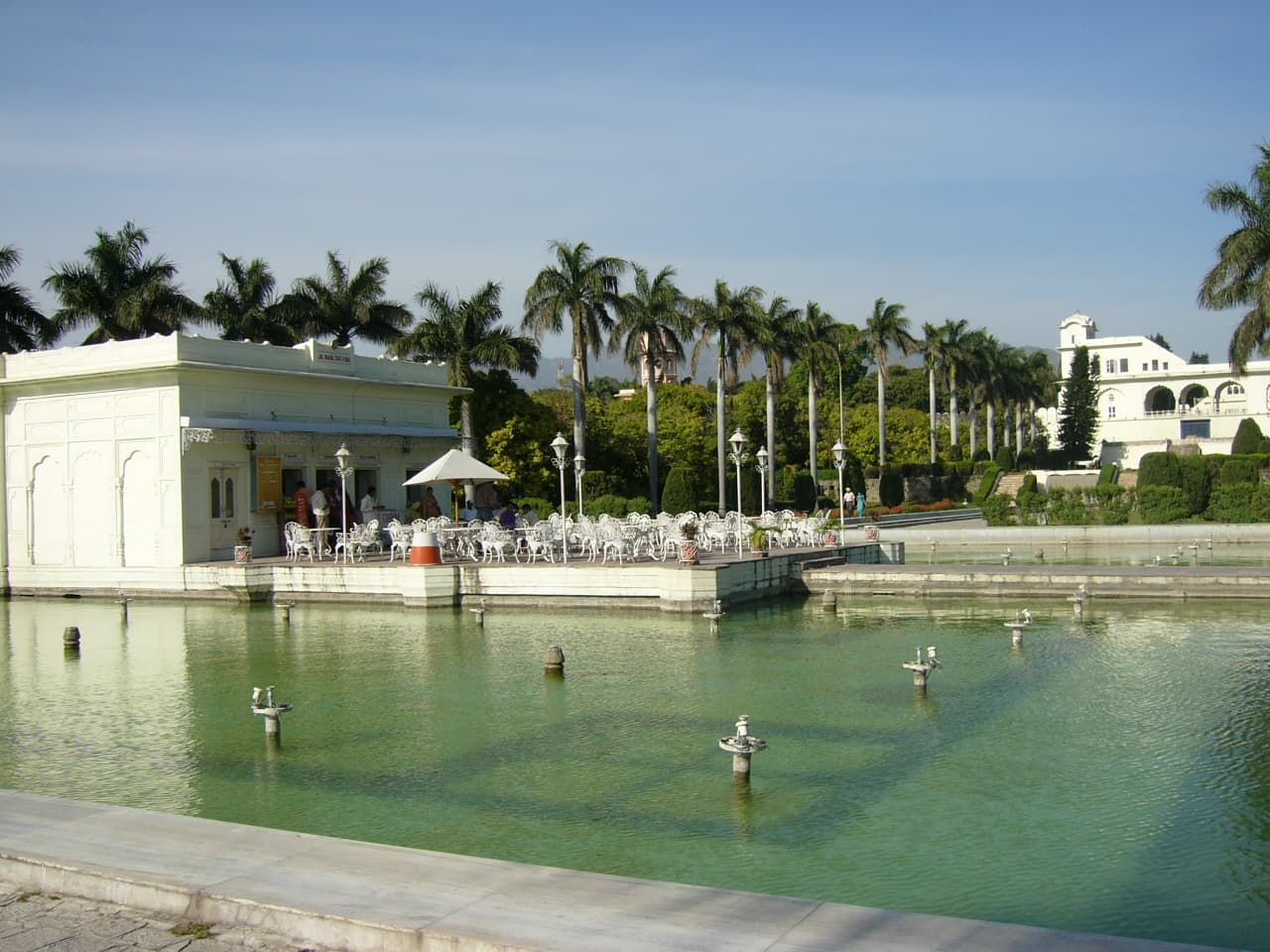
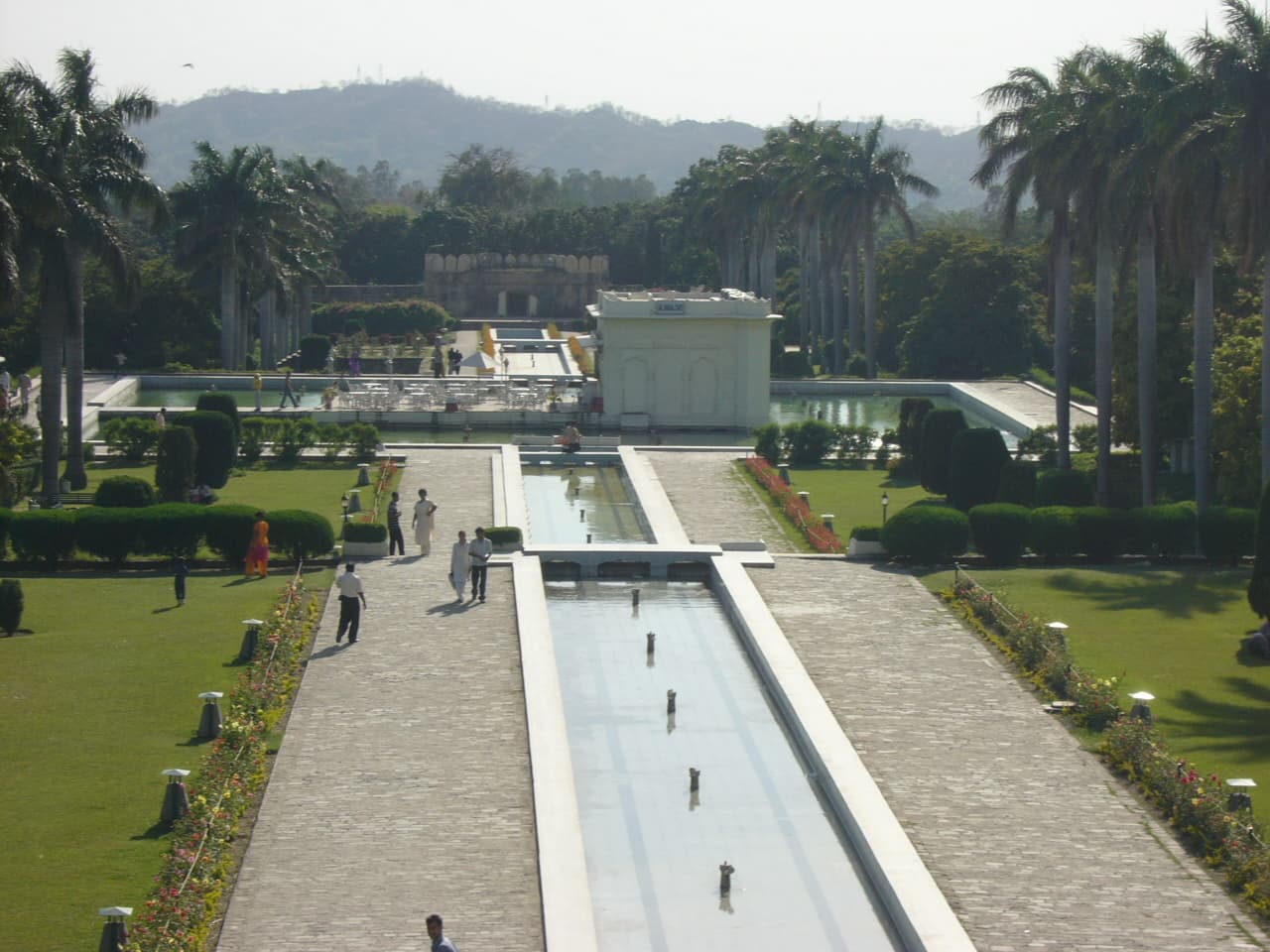
Mughal Architecture: The Pinjore Gardens were laid out by the Mughal architect Nawab Fidai Khan during the reign of Aurangzeb. The garden showcases the typical Mughal style with terraced lawns, arched doorways, and reflective water features. The main entrance opens into the highest terrace, from which visitors can enjoy a panoramic view of the entire garden. The descending terraces are filled with lush greenery, vibrant flowers, and a series of water channels that create a cooling effect.
Rajasthani and Mughal Influences: In addition to Mughal elements, the garden also features influences from Rajasthani architecture. The intricate designs and motifs on the pavilions and other structures are reminiscent of the grandeur of Rajasthani palaces. The blend of these two architectural styles adds a unique charm to the garden, making it a visual delight.
Shish Mahal and Hawa Mahal: Two of the most prominent structures in the garden are the Shish Mahal (Palace of Mirrors) and the Hawa Mahal (Palace of Air). The Shish Mahal is adorned with tiny mirror tiles that reflect light in various directions, creating a mesmerizing effect. The Hawa Mahal, with its open arches and airy design, provides a cool retreat during the hot summer months.
Fountains and Water Channels: The garden is renowned for its elaborate system of fountains and water channels. These water features are not only aesthetically pleasing but also serve to cool the environment, making it a pleasant place to visit even during warmer weather. The sound of the flowing water adds to the serene atmosphere of the garden.
Seasonal Flower Shows: Pinjore Gardens hosts seasonal flower shows that attract horticulture enthusiasts from all over the region. These shows feature a stunning array of flowers and plants, including roses, dahlias, and chrysanthemums, arranged in beautiful patterns and designs.
Nearby Attractions
Bhima Devi Temple Complex: Adjacent to the Pinjore Gardens is the Bhima Devi Temple Complex, an archaeological site with ancient temple ruins dating back to the 8th and 11th centuries. The site offers a glimpse into the region’s rich cultural and historical heritage, with intricately carved sculptures and stone structures.
Timber Trail: A short drive from the gardens, the Timber Trail offers an exciting cable car ride across the Shivalik Hills. The ride provides breathtaking views of the lush green valleys and the river flowing below, making it a thrilling experience for visitors.
Morni Hills: Approximately 35 kilometers from Pinjore Gardens, Morni Hills is a picturesque hill station that offers opportunities for trekking, bird watching, and picnicking. The serene lakes and dense forests make it an ideal destination for nature lovers and adventure enthusiasts.
Best Time to Visit
The best time to visit Pinjore Gardens is during the cooler months from October to March. During this period, the weather is pleasant, making it ideal for leisurely strolls and picnics in the garden. The gardens are also particularly beautiful during the annual Baisakhi and Mango festivals, when they are adorned with colorful decorations and host various cultural events.

Leave the planning to a local expert
Conclusion
Pinjore Gardens is a testament to the grandeur of Mughal landscaping and architecture. Its well-maintained lawns, ornate pavilions, and refreshing water features create a serene environment that offers a perfect escape from the hustle and bustle of city life. The garden’s historical significance, combined with its natural beauty, makes it a must-visit destination for anyone traveling to Chandigarh or the surrounding areas.