
Blog
Western Ghats of Karnataka: A Treasure Trove of Biodiversity and Adventure
7-8 minutes
5th July 2024
 by Ananya Srijith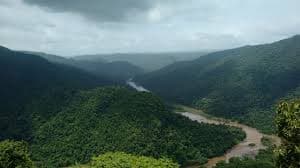
Embracing the Magic of the Western Ghats
The Western Ghats, also referred to as the Sahyadri Range is designated as the UNESCO World Heritage Site, and is one of the 8 biodiversity hotspots in the world. It stretches in 6 states and is approximately 1600 km long and lies close to India’s Western Coast. The Western Ghats play a major role not only when it comes to the conservation of biodiversity but it is equally responsible for the changing climate, agricultural patterns and the lifestyles of people living in the region.
Impact of Western Ghats on the People of Chikmagalur
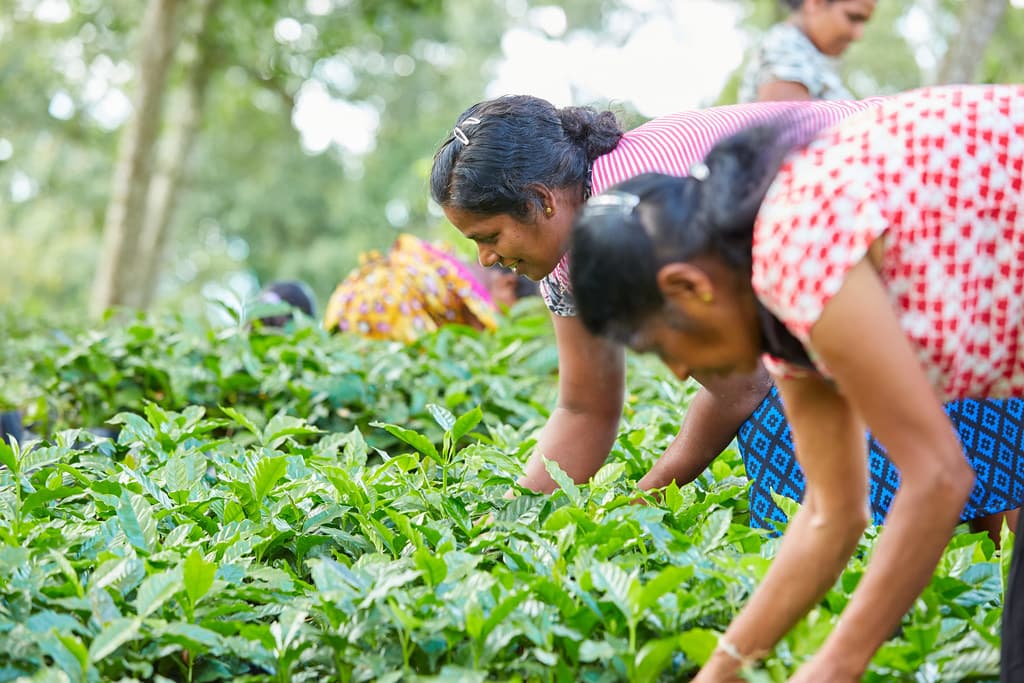
People working at Chikmagalur coffee estates - Courtesy of Photographer
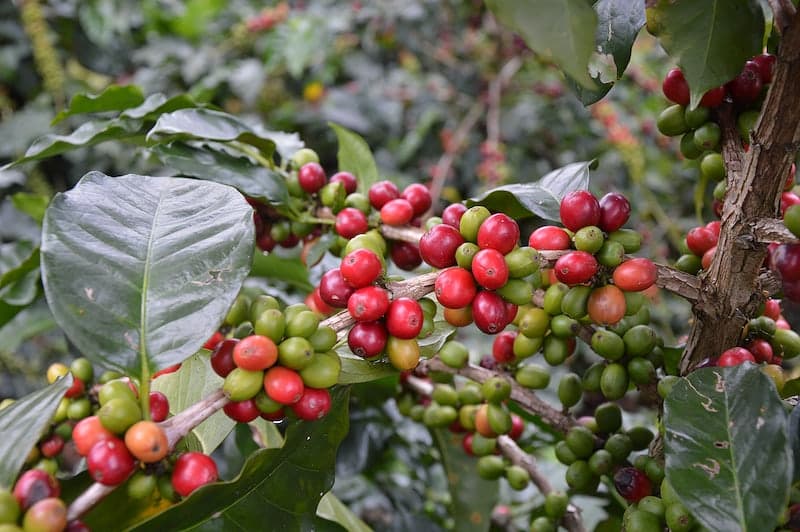
Apart from being one of the important biodiversity rich zones, the Western ghats is an important centre for sustenance, ethnic identity and regulation of ecological processes in the region. The ghats has rich forests that have many animals which makes it a good destination for the population engaging themselves in ecological tourism businesses. Coffee gardens bloom in Chikmagalur’s tenable climate promoting the copious growth of agriculture and ensure employment and sustenance for numerous families.
The Western Ghats also help to protect the water resources of the region as well as protect endangered many endangered species. The mountains act as a source of water to several river systems and many streams thereby providing adequate water supply for irrigation, drinking and other purposes. It remains culturally influential as it moulds the local customs and even festivals most of which are related to the physical landscape. The unspoilt areas that characterise the region find expression in art and music as well as local legends and mythology. In addition, the geographical location and the flora and fauna of the ghats make it possible to maintain a favourable climate, which means clean air, which is vital for the people inhabiting Chikmagalur, improving the quality of their life.
Geographical significance
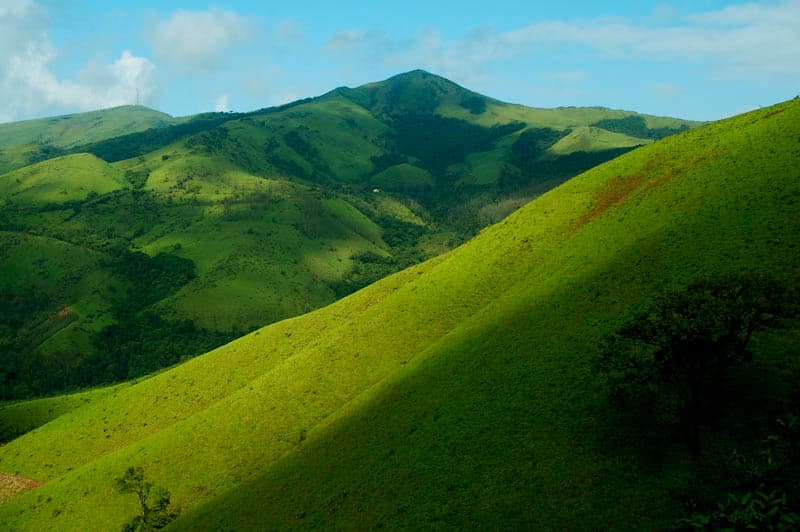
Chikmagalur geography - Courtesy of Photographer
The mountain range positioned near to the western coast-line of the Indian sub-continent and parallel to it has a strategic geographical value. This range is a weather axis that can alter the weather and rainfall in the area significantly. The ghats block the south west monsoon winds, so that the West receives heavy rainfall and high precipitation and the east receives comparatively lower rainfall, and there is low precipitation in this area. This greatly impacts the agricultural and water supply in the eastern region. The eastern region mostly depends upon the channels and dams for irrigation purposes.
The ghats are an important watershed supporting many rivers like Godavari, Krishna, Kaveri and help in meeting the water needs for irrigation, drinking and hydroelectric power generation. From these mountain ranges there are perennial rivers and streams that fulfil the water demand of millions of people both from the countryside and the cities. Another important factor of the western ghats is its biodiversity. It contains many endangered plant and animal species and plays a critical role in the ecosystem balance and provides multiple ecosystem services such as carbon storage, soil health and climatic regulation.
Wildlife and Biodiversity in the Western Ghats
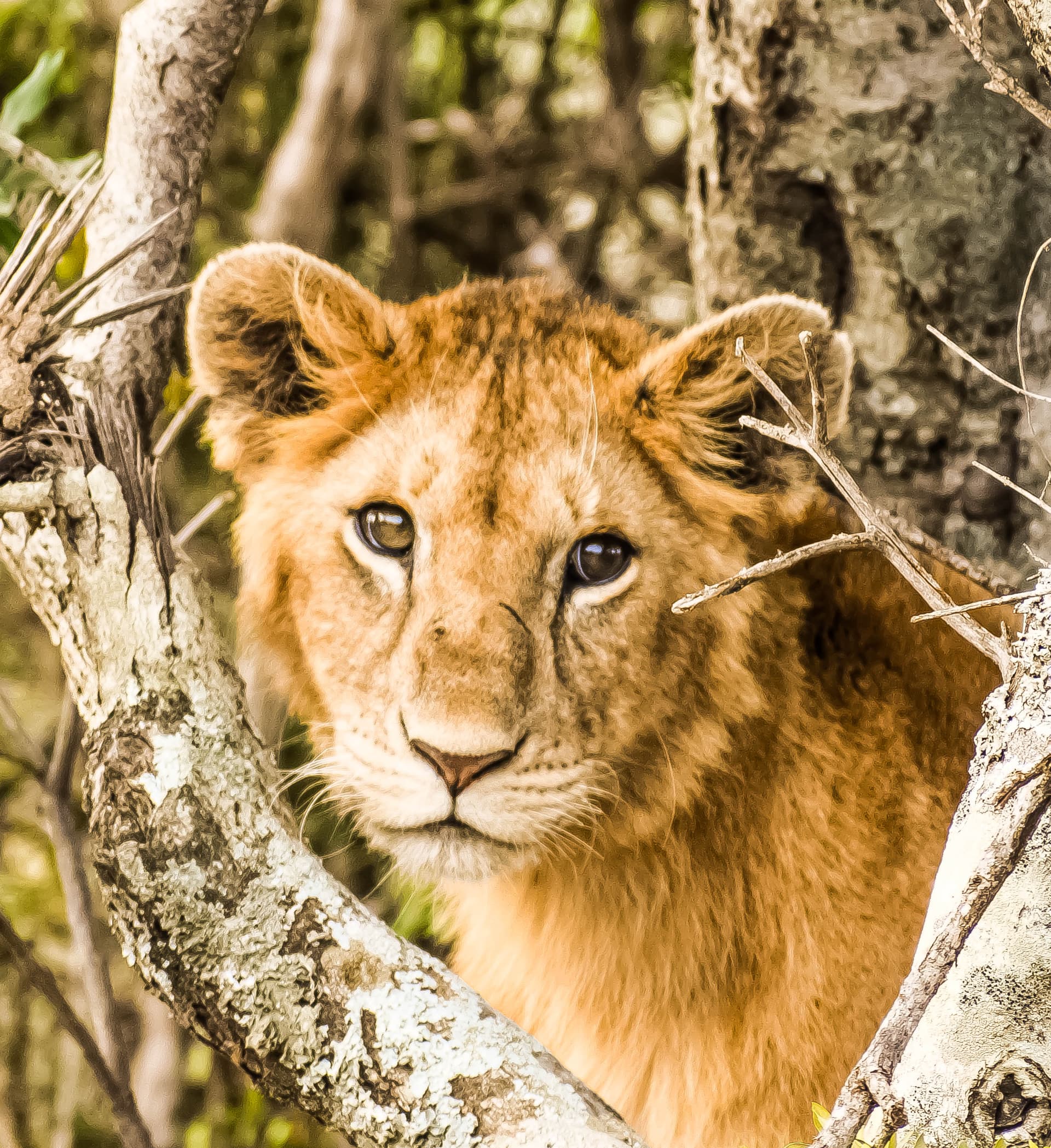
Western ghats wildlife - Courtesy of Photographer
The Western Ghats are known for their incredible biological diversity. That is why this region is considered to be one of the 8 hotspots of biodiversity in the world. It spreads across 6 states of the country and includes Karnataka being a home to almost innumerable types of plant species and animals influenced by factors of elevations and temperature. With regards to fauna, large mammals include the elephant, tiger, leopard, Nilgiri tahr, Indian Bison, Sambar and Wild Boar. Many endemic species inhabit this area, some of them including the Malabar giant squirrel, Nilgiri langur, Lion-tailed macaque are living in this forest and montane grasslands. The ghats are botanically diverse encompassing over 3000 species of plants that are largely specific to this area, all capable of housing completely different plant species according to altitude and precipitation. Examples of such special trees include rosewood, teak and other tree species, specific types of orchids and ferns. This is not only an ecological asset but also of importance to the indigenous people who source their food and other products from the ghats.
Famous Hill Stations
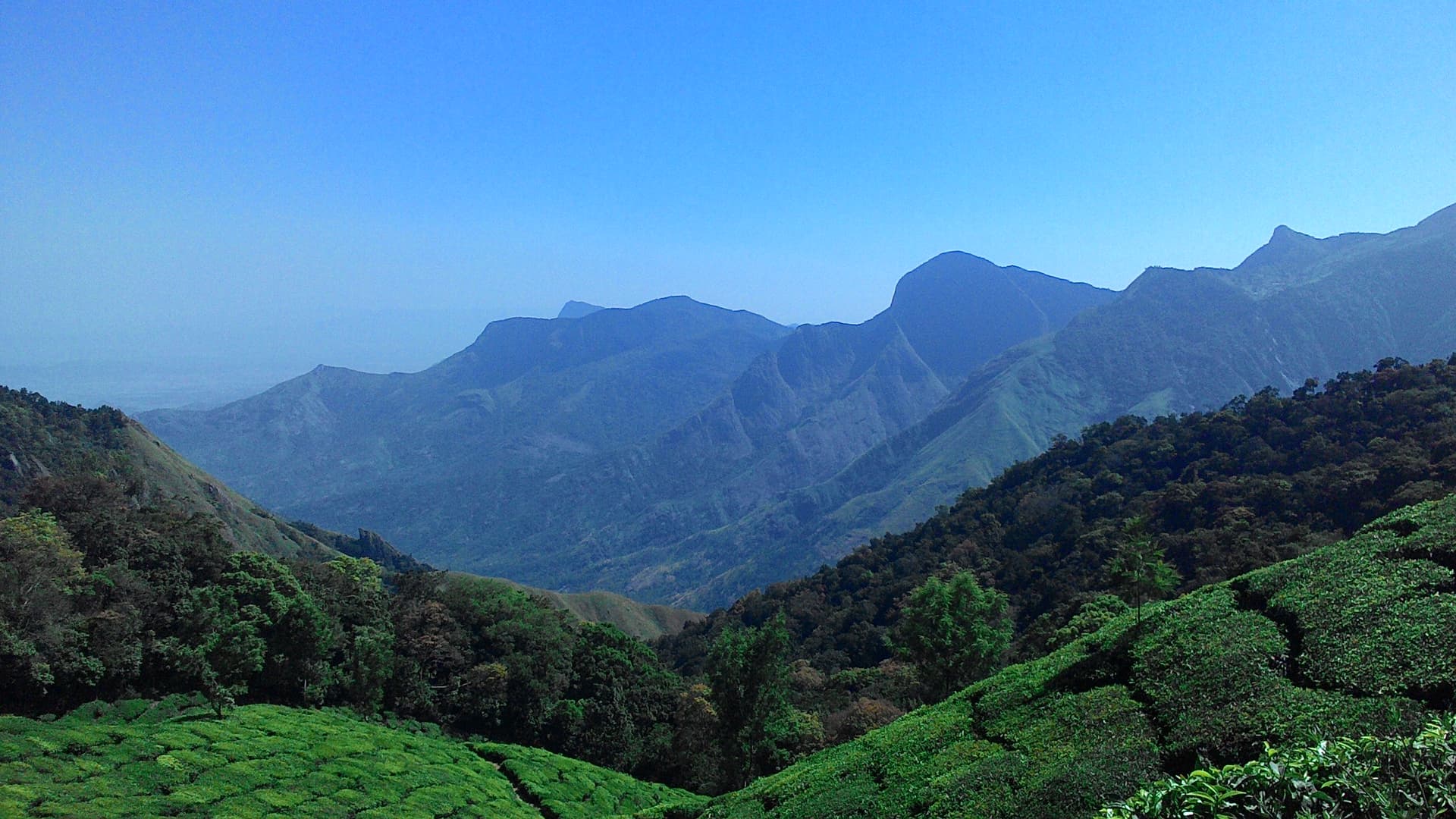
Chikmagalur Hill Station - Courtesy of Photographer
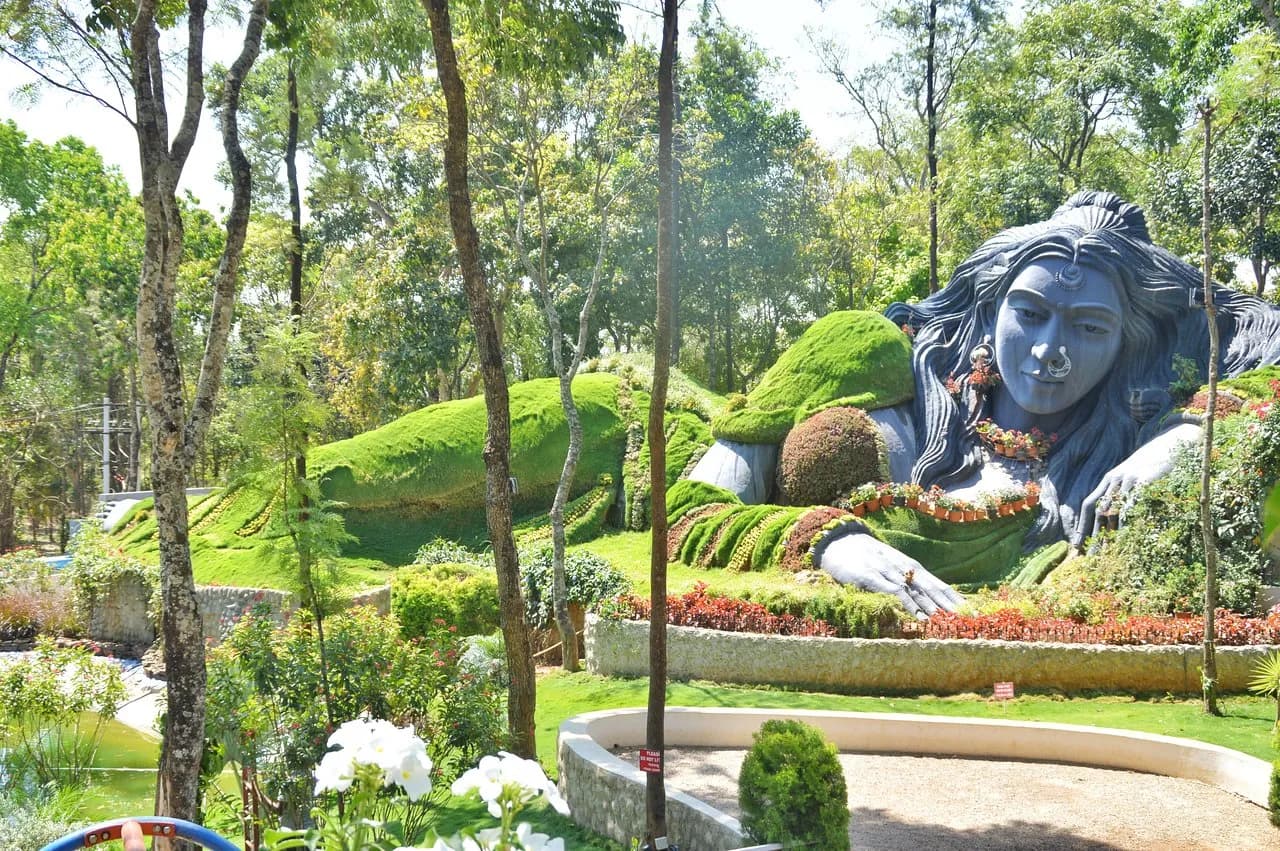
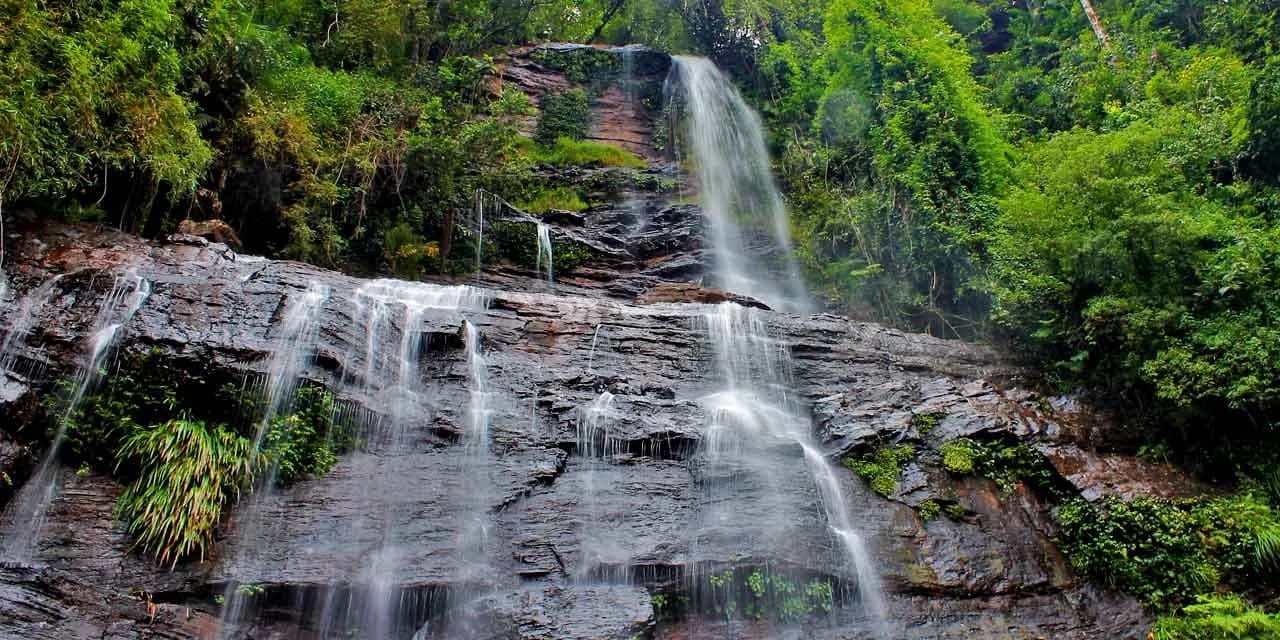
Western Ghats hosts some of the best known hill stations including the Chikmagalur district. These hill stations are well-known for their beauty and landmarks such as excellent landscapes, covered hills and fresh environment, so that they’re preferred by tourists and fans of active recreation. The ‘Coffee Land of Karnataka’ is situated in the backdrop of beautiful and hilly coffee estates, thus providing a pleasant climate and scenic beauty. It also has treks to Mullayanagiri Peak, which is the highest peak in Karnataka, where tourists can view the enchanting scenery of the hills of the Bababudangiri Range extending over the valleys. This makes Chikmagalur a very colourful place to be at, and the air is always fresh due to the surrounding mountains and the aroma of fresh coffee. The Kemmangundi, another famous hill station, has beautiful gardens, mountainous terrain and waterfalls. The Raj Bhavan, a charming guest house which boasts excellent views of Western Ghats should not be missed. Not far from it, the Hebbe falls with a drop in two stages, is an ideal place to set an eye-on and get refreshed. Kemmangundi is blessed with natural resources and the cool climate makes it an ideal destination for those seeking to be in solitude. The Baba Budangiri, has got historical importance as well as religious importance as it is named after the Sufi saint Baba Budan. The hill station has features such as steep slopes and an abundance of vegetation. The Baba Budangiri trek is the favourite one among the thrill seekers as it provides astonishing views and an opportunity to visit the Manikyadhara falls.
Last but not least, Agumbe, considered as the ‘Cherrapunji of the South’ receives abundant rainfall and is endowed with a luxuriant greenscape. This hill station is a paradise for any reptile lover, especially the herpetologist, as Agumbe is a hub of the King Cobras. Other attractions include spectacular sunsets, mesmerising waterfalls, that includes Jogigundi and Barkana Falls that are easily accessible and are surrounded by an exotic biodiversity. These hill stations in Chikmagalur represent the beauty and biological richness of the area. They are a mix of mystery, calmness and beauty, that is why they attract visitors who are in search of leisure along with some adventure.
Adventure Activities
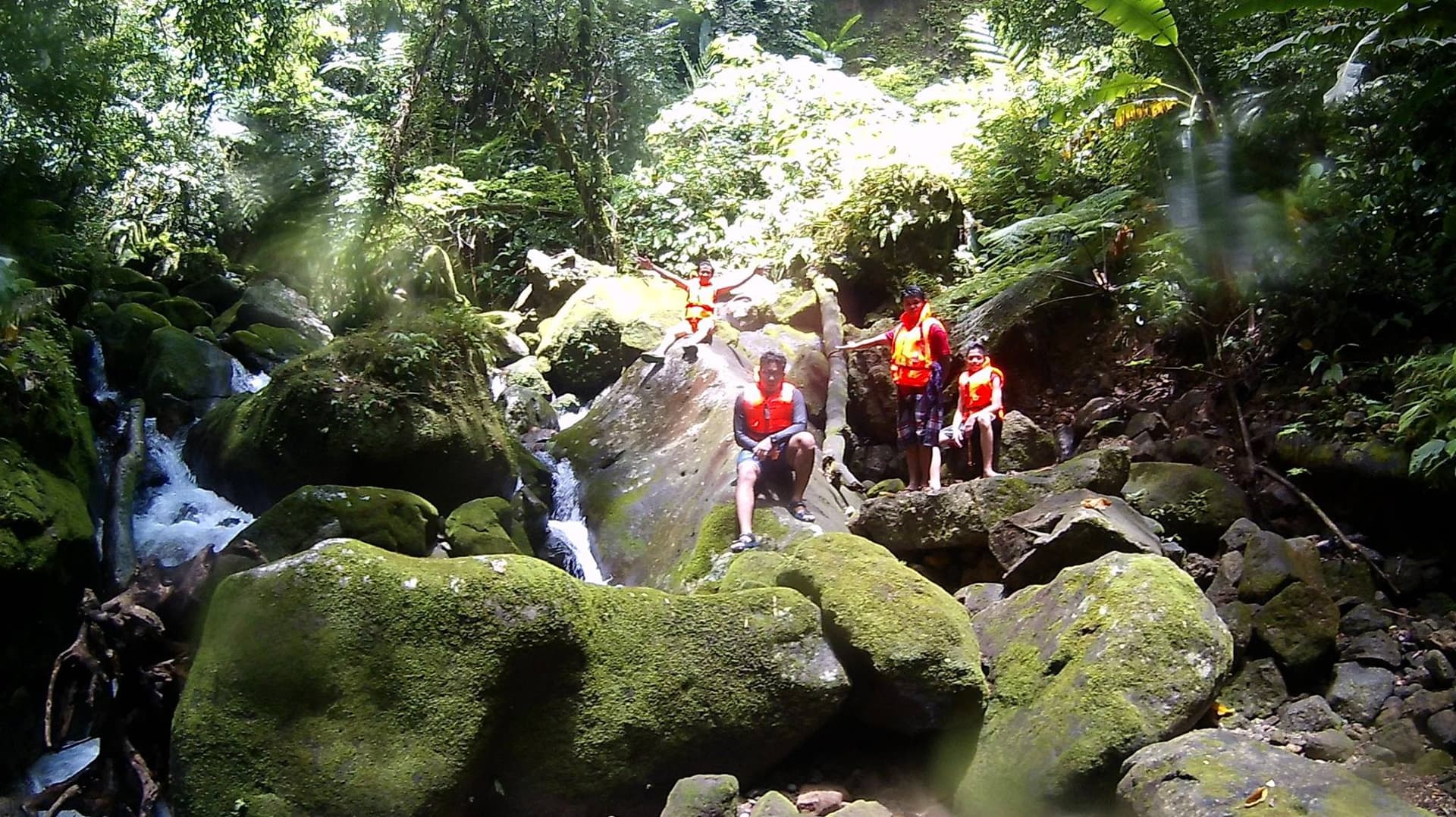
Chikmagalur Adventure Tourism - Courtesy of Photographer
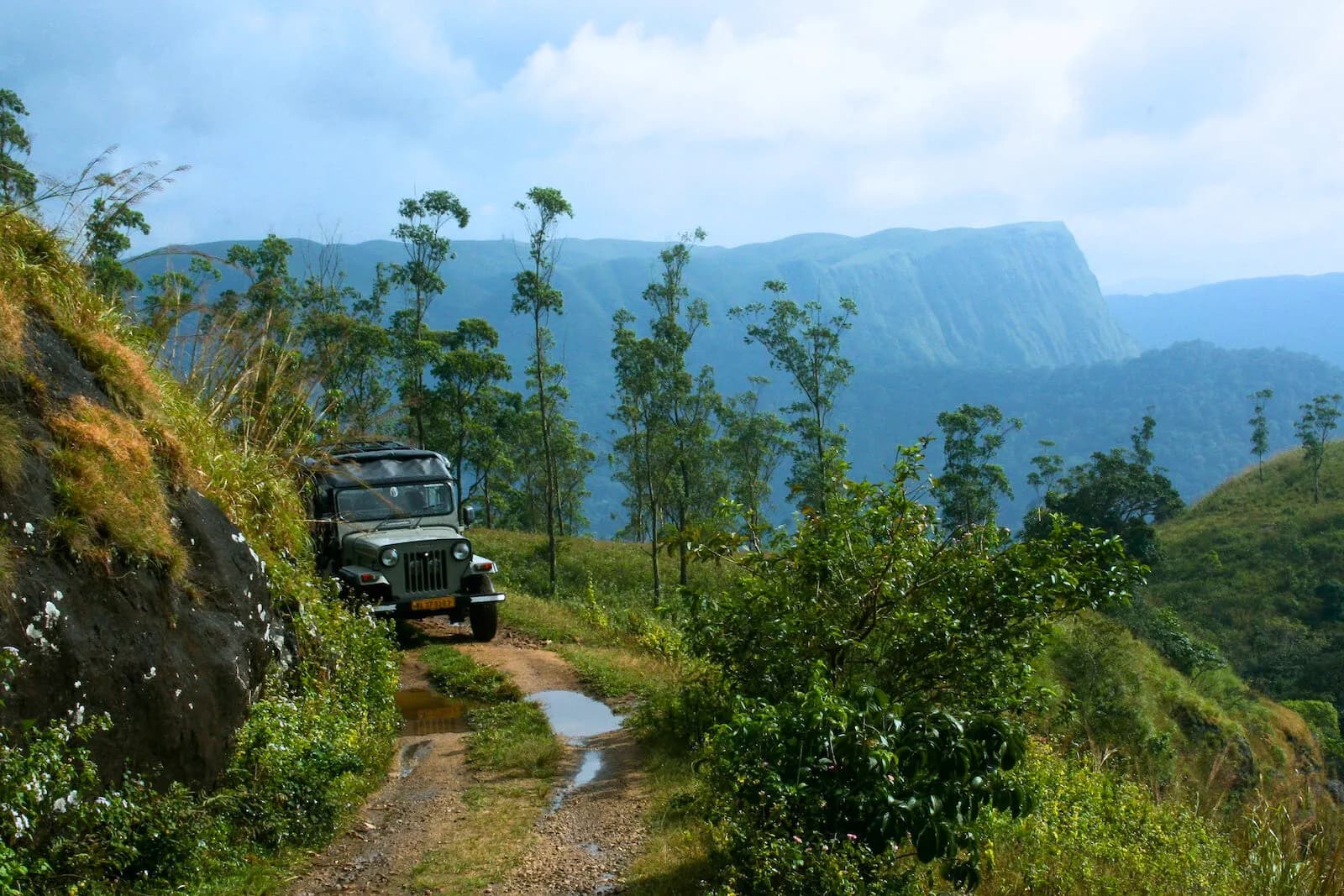
Over the years, the mountains of the Western Ghats have become an adventurous place for various tourism activities due to the beautiful green sceneries and mixed topographical features. Trekking is a popular activity with trails that will lead you to mountain peaks such as Mullayyanagiri and is both captivating and demanding. There is rock climbing and rappelling in the rough terrains as well as steep inclines and slopes which are exciting and thrilling for the climbers. As far as the water activities are concerned, many water bodies of the Western Ghats offer activities such as river rafting and kayaking. The vast western ghats is a beautiful region where thickets of forests create ideal grounds for wildlife and bird tours that make it possible for tourists to come face to face with amazing wild animals. Off-Road jeep safaris and mountain biking allow tourists to navigate through remote regions and challenging landscapes. Camping under the night sky surrounded by the stillness of the ghats makes the place more adventurous. These activities are what makes the western ghats an excellent base for people fond of enjoying distinguished and challenging activities.

Leave the planning to a local expert
Cultural and Historical Significance
Temples of Western Ghats with amazing architecture - Courtesy of Photographer
The Ghats have a long history of human habitation where ancient indigenous tribes with their unique traditions and lifestyles coexisted in harmony with nature. Coastal ports maintained direct contact with these areas, which also means that there was an exchange of food products of foreign as well as distant cultures. The Western Ghats are home to a variety of festivals, rituals, and art forms that represent the cultural diversity prevalent in this region, while temples of Hampi and Belur showcase beautiful pieces of Dravidian architecture. If you know Indian mythology, then most of the mentions stated in our Puranas like Ramayana and Mahabharata were witnessed by these ghats.
Sustainable Tourism

Sustainable Tourism, a vital measure - Courtesy of Photographer
One way of preserving this ecologically and culturally rich region is through sustainable tourism for being environmentally conscious and supporting local economies whilst conserving natural resources. Sustainable tourism includes eco-friendly practices such as sourcing renewable energy, minimising waste production and water consumption.
The guided nature walks, birdwatching and wildlife safaris that are allowed in the region helps tourists understand the sensitivities of the region and value natural surroundings without disturbing eco-systems. Some of the steps may include hiring local guides, buying food and crafts from the locals or encouraging homestays or community based tourism programs. It is important to integrate tourism with sustainability to maintain Western Ghats as a favourable natural site. It includes efforts that are not only for the protection and conservation of environmental values prevailing in this region but is also aimed towards improving the overall quality of life of local people while further enriching tourists' experience through responsible travel practices.
Conclusion
The Western Ghats are proof of how rich and important mother nature actually is. Their vast swat burst across 6 states and rich biodiversity, has considerable effect on the life of people living in Chikmagalur. Apart from its ecological significance, the Ghats are an epicentre of cultural heritage and livelihood for many locals in terms of agriculture tourism and is a destination for adventure or solitude seekers. Conserving this natural heritage is of utmost importance and sustainable tourism can play a vital role in it. It will also ensure that the Western Ghats remain permanently vibrant for the generations to come and they should equally get to enjoy mother nature’s lap just as much as we did.
.jpg&w=1920&q=75)