
Dali Monastery
Overview
Nestled amidst the rolling hills of Darjeeling, Dali Monastery is the perfect cocktail of tranquility and charisma, with a twist of Tibetan charm. Imagine a place where the humdrum of daily life dissolves into the gentle hum of monks chanting, where the air is perfumed with the scent of incense and the vibe is as chill as a Darjeeling misty morning. Welcome to Dali Monastery, folks.
Label: Must Visit
How to reach: By road
Timings: 9 AM to 5 PM
Time Required: 1 Hour
Entry Fee: None
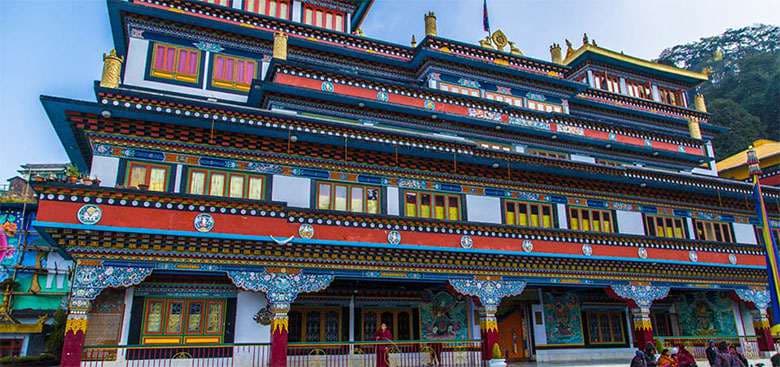
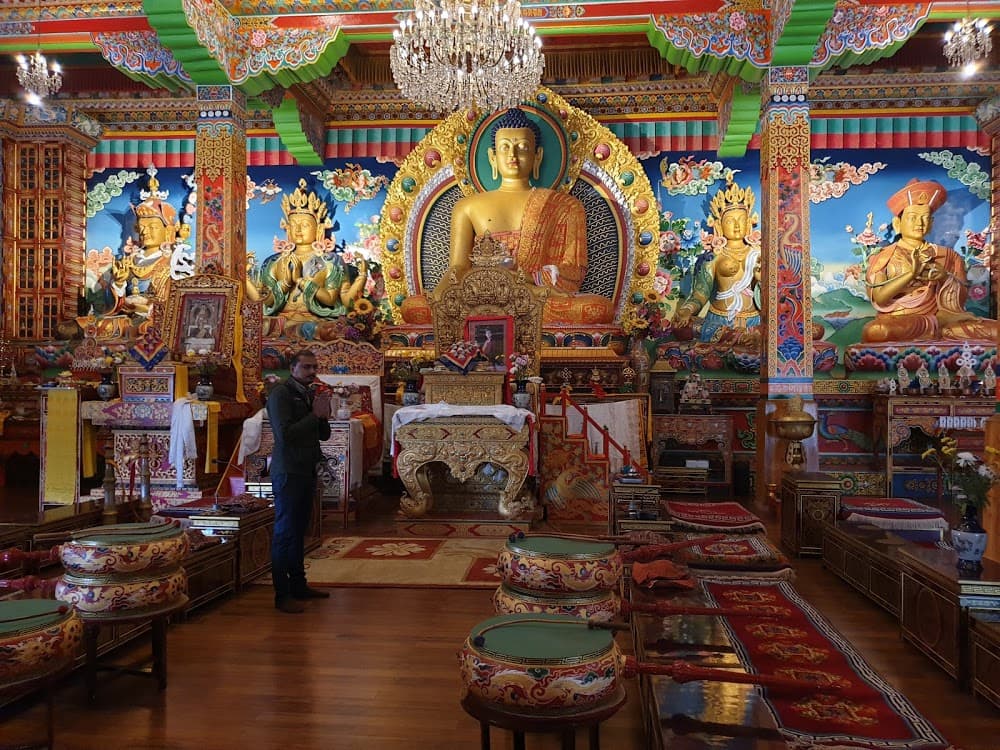
First things first: the entrance. As you approach, you'll notice the monastery is painted in vibrant hues that rival even the most audacious Bollywood sets. The prayer wheels spin with a delightful clink, inviting you to give them a whirl—quite literally—adding a spin of good karma to your day. As you step inside, prepare to have your socks knocked off by the massive, gold-plated Buddha statue, which exudes an aura of peace so powerful, it could calm a caffeine-crazed squirrel.
Dali Monastery is a relatively recent addition to the historical landscape, built in 1971 under the guidance of Kyabje Thuksey Rinpoche. It's officially known as Druk Sangag Choling Monastery, but locals and visitors alike prefer the breezy nickname. The monastery serves as the headquarters for the Drukpa Kagyu lineage, one of the schools of Tibetan Buddhism, and houses around 200 monks, each one more serene than the last.
But wait, there's more! The monastery isn't just a spiritual haven; it's a vibrant community hub. Wander around and you'll stumble upon young monks engaging in animated debates, their maroon robes swirling as they punctuate their arguments with theatrical hand claps. It's like an episode of "Debate Club: Monk Edition"—insightful, intense, and utterly fascinating.
Feeling peckish? The monastery's café offers a simple yet delightful menu. Sip on a cup of steaming Tibetan butter tea—yes, butter in tea; it's an acquired taste, but hey, when in Rome—or in this case, Darjeeling. Pair it with some homemade momos, and you've got yourself a snack that’s practically transcendent.
For the art aficionados, Dali Monastery is a canvas of Tibetan artistry. The walls are adorned with intricate thangkas (Tibetan paintings), depicting Buddhist deities and mandalas in vivid detail. Each piece tells a story, a colorful narrative of spirituality and philosophy that adds layers of depth to your visit.

Leave the planning to a local expert
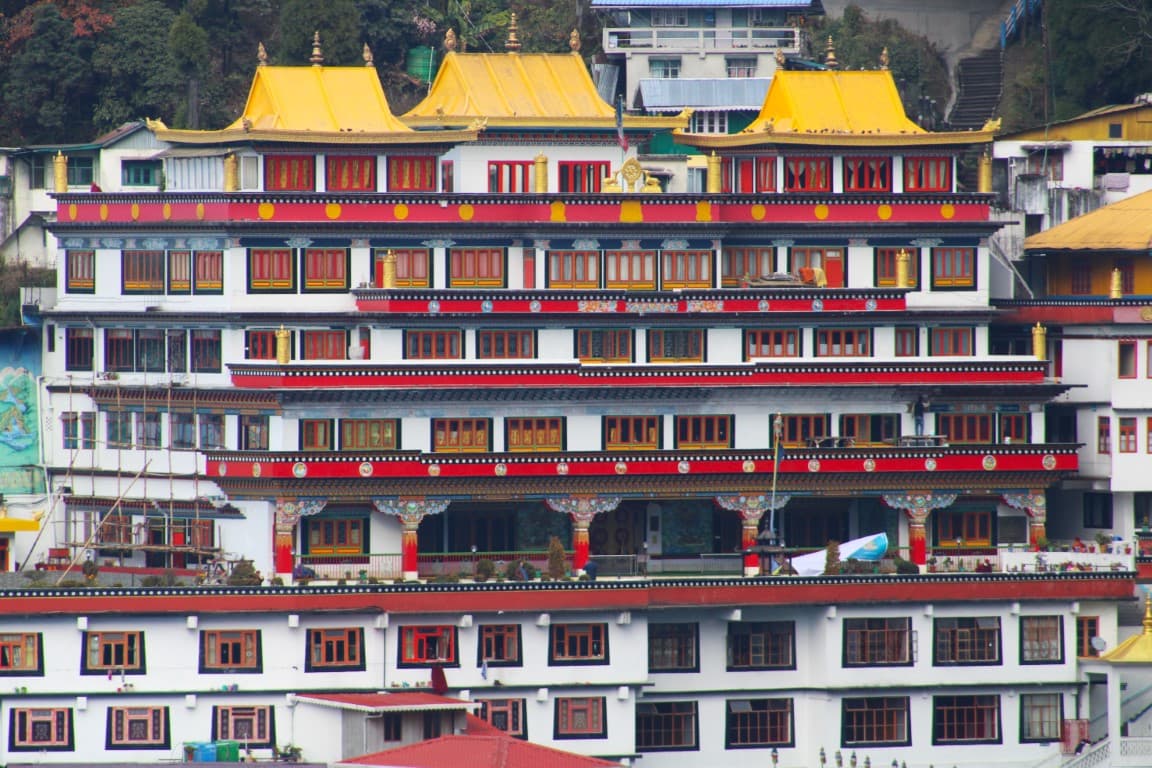
Now, let's talk views. Perched on a hill, the monastery offers sweeping vistas of Darjeeling town and the lush tea gardens below. On a clear day, the snow-capped peaks of the Kanchenjunga range peek out from the horizon, a majestic backdrop to your spiritual sojourn. It's the kind of view that makes you want to whip out your camera and capture the serenity—though no photo can truly do it justice.
As you prepare to leave, take a moment to visit the monastery's bookshop. It's a treasure trove of spiritual texts, incense, and souvenirs. Grab a book on Tibetan Buddhism, or perhaps a set of prayer flags to take a piece of Dali Monastery’s tranquil vibe home with you.
Dali Monastery is more than just a place of worship; it's a sanctuary for the soul, a place where you can hit the pause button on life and immerse yourself in the serenity of Tibetan spirituality. Whether you're a spiritual seeker, an art lover, or just someone in need of a peaceful escape, Dali Monastery welcomes you with open arms—and a quirky, serene charm that’s truly unforgettable.