
Dalai Lama Temple Complex

Overview
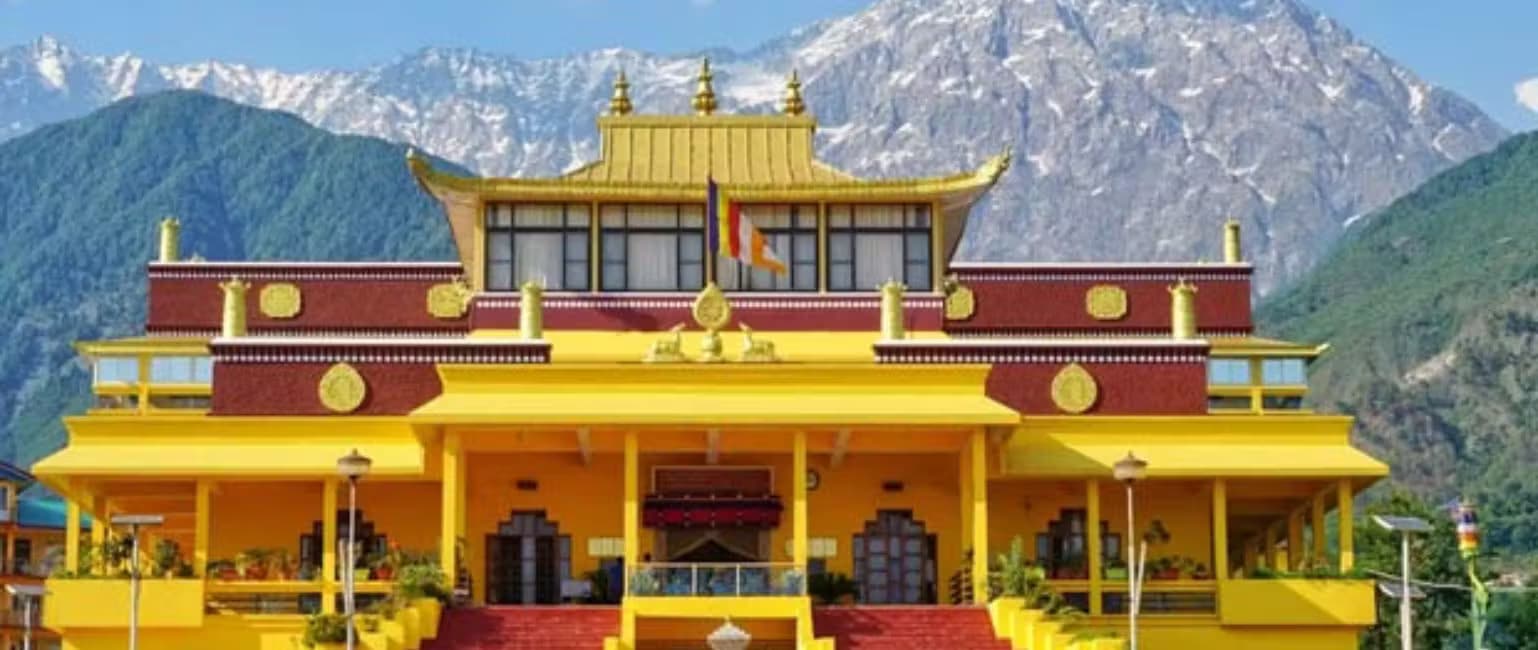
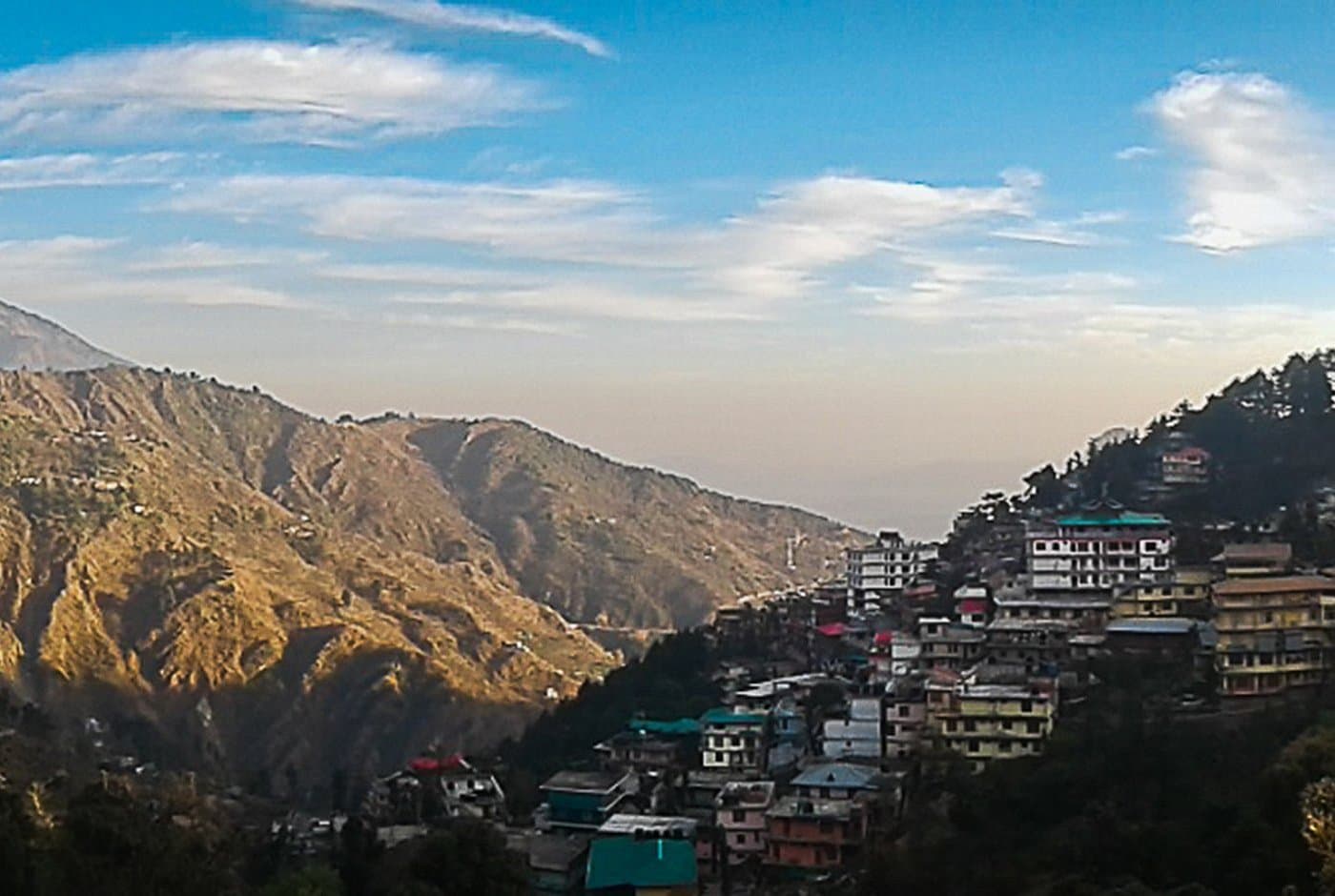
In the heart of McLeod Ganj, perched on the edge of the Indian Himalayas, lies the Dalai Lama Temple Complex, a sanctuary of peace, spirituality, and a touch of whimsy. This isn’t just a place of worship; it’s a vibrant hub of Tibetan culture, philosophy, and everyday life, with a serene atmosphere that invites you to slow down and soak it all in.
Label: Must Visit
How to reach: By road
Timings: 24 Hours
Time Required: 1 Hour
Entry Fee: None
As you approach the complex, you’re greeted by the sight of fluttering prayer flags, each color representing an element of nature, sending prayers into the wind. The entrance is bustling with monks in maroon robes, pilgrims spinning prayer wheels, and curious visitors eager to explore this spiritual haven. It’s a kaleidoscope of activity, yet there’s a prevailing sense of calm that wraps around you like a cozy blanket.
The Dalai Lama Temple Complex, also known as Tsuglagkhang, is not just a single structure but a sprawling area that includes the Namgyal Monastery, the Tibet Museum, and the residence of His Holiness the 14th Dalai Lama. It’s a place where ancient traditions meet the modern world, where every corner holds a story, a prayer, or a moment of reflection.
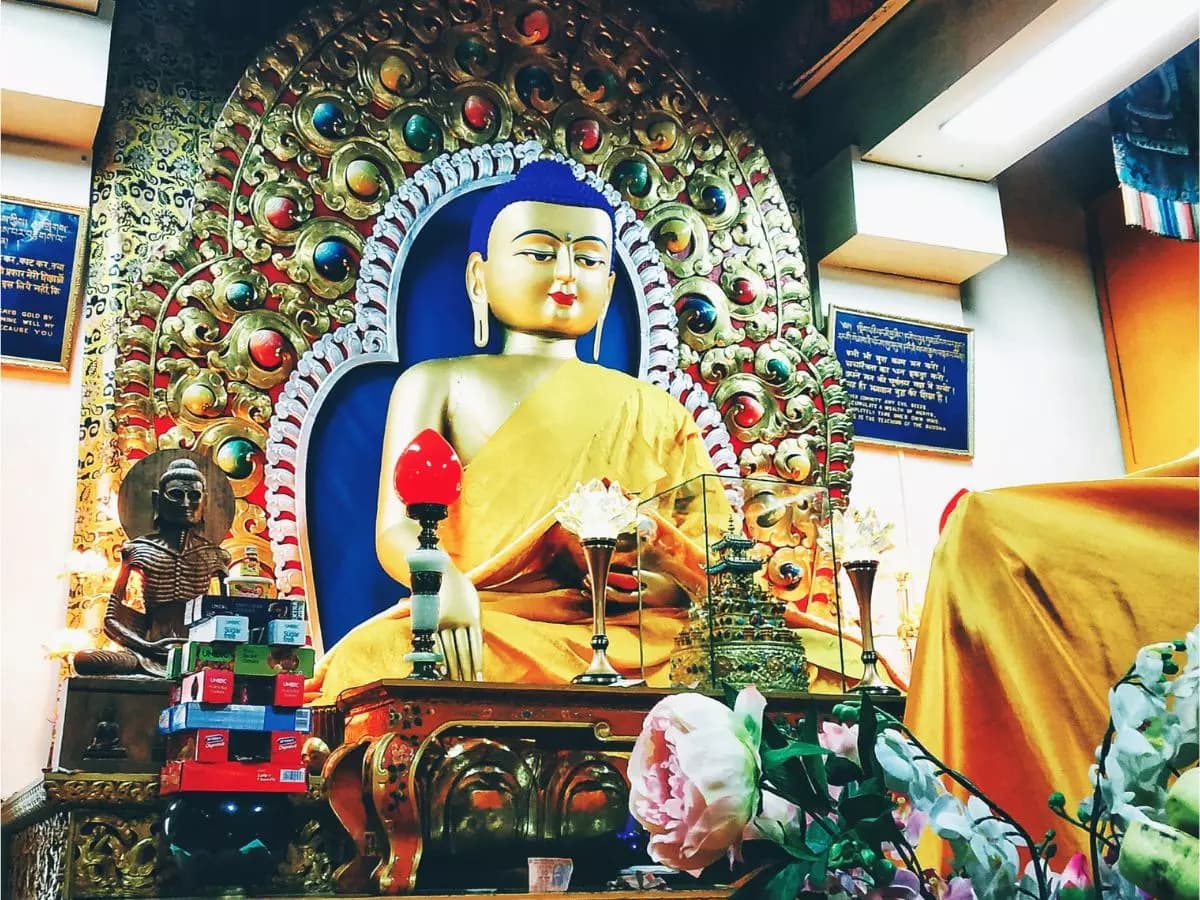
Start your journey with a visit to the main temple. As you step inside, the first thing that strikes you is the giant statue of Shakyamuni Buddha, resplendent in gold, with a serene smile that seems to welcome you personally. Surrounding the Buddha are smaller statues of Guru Rinpoche and Chenrezig, the Bodhisattva of Compassion. The air is thick with the scent of incense and the murmur of prayers, creating an ambiance that’s both sacred and soothing.
One of the most enchanting aspects of the complex is the presence of the monks. Their daily rituals, from chanting and prostrations to debate sessions, offer a glimpse into the disciplined yet joyful life of monastic practice. The debate sessions, held in the courtyard, are a fascinating spectacle. Monks engage in animated discussions, punctuated by dramatic hand claps and lively exchanges. It’s a unique blend of intellectual rigor and theatrical flair that’s both entertaining and enlightening.
The complex is also home to the Tibet Museum, a poignant space that chronicles the history of Tibet, its culture, and the struggles of its people. Through photographs, artifacts, and personal accounts, the museumprovides a comprehensive and moving narrative of Tibet's rich heritage and the challenges faced by its people. The exhibits cover a range of topics, from the traditional arts and crafts of Tibet to the harrowing journey of the Tibetan diaspora. Personal stories of resilience and survival are interwoven with historical events, creating a tapestry that is both informative and deeply emotional. The museum serves as a reminder of the strength and spirit of the Tibetan people and their unwavering commitment to preserving their culture and identity.
As you wander through the museum, you’re struck by the beauty and intricacy of Tibetan art. Thangkas, traditional Tibetan paintings on silk, depict scenes from Buddhist mythology, while intricate mandalas symbolize the cosmos and the path to enlightenment. These works of art are not just visually stunning; they are imbued with spiritual significance and serve as tools for meditation and contemplation.

Leave the planning to a local expert
In addition to its artistic and historical exhibits, the Tibet Museum also features a series of interactive displays that engage visitors in the story of Tibet. Virtual reality experiences transport you to the streets of Lhasa, allowing you to explore the Potala Palace or join a Tibetan festival. These immersive experiences bring the culture and history of Tibet to life, creating a deeper connection and understanding for visitors.
The museum also plays an important role in education and advocacy. It hosts regular talks, workshops, and film screenings that delve into various aspects of Tibetan culture and the ongoing struggle for Tibetan autonomy. These events provide a platform for dialogue and learning, fostering a greater awareness of the issues facing the Tibetan community and encouraging solidarity and support.
Leaving the Tibet Museum, you can’t help but feel a sense of admiration and respect for the Tibetan people and their enduring spirit. The museum is more than just a repository of artifacts; it’s a living testament to the resilience of a culture that has withstood immense challenges and continues to thrive.
The Dalai Lama Temple Complex is not just a place of worship; it’s a sanctuary of peace, learning, and cultural preservation. The serene environment, the dedication of the monks, and the rich tapestry of Tibetan history and culture all contribute to an experience that is both uplifting and transformative. Whether you come seeking spiritual solace, cultural enrichment, or simply a break from the mundane, the complex offers a haven of tranquility and inspiration.