
Ha Giang
Overview
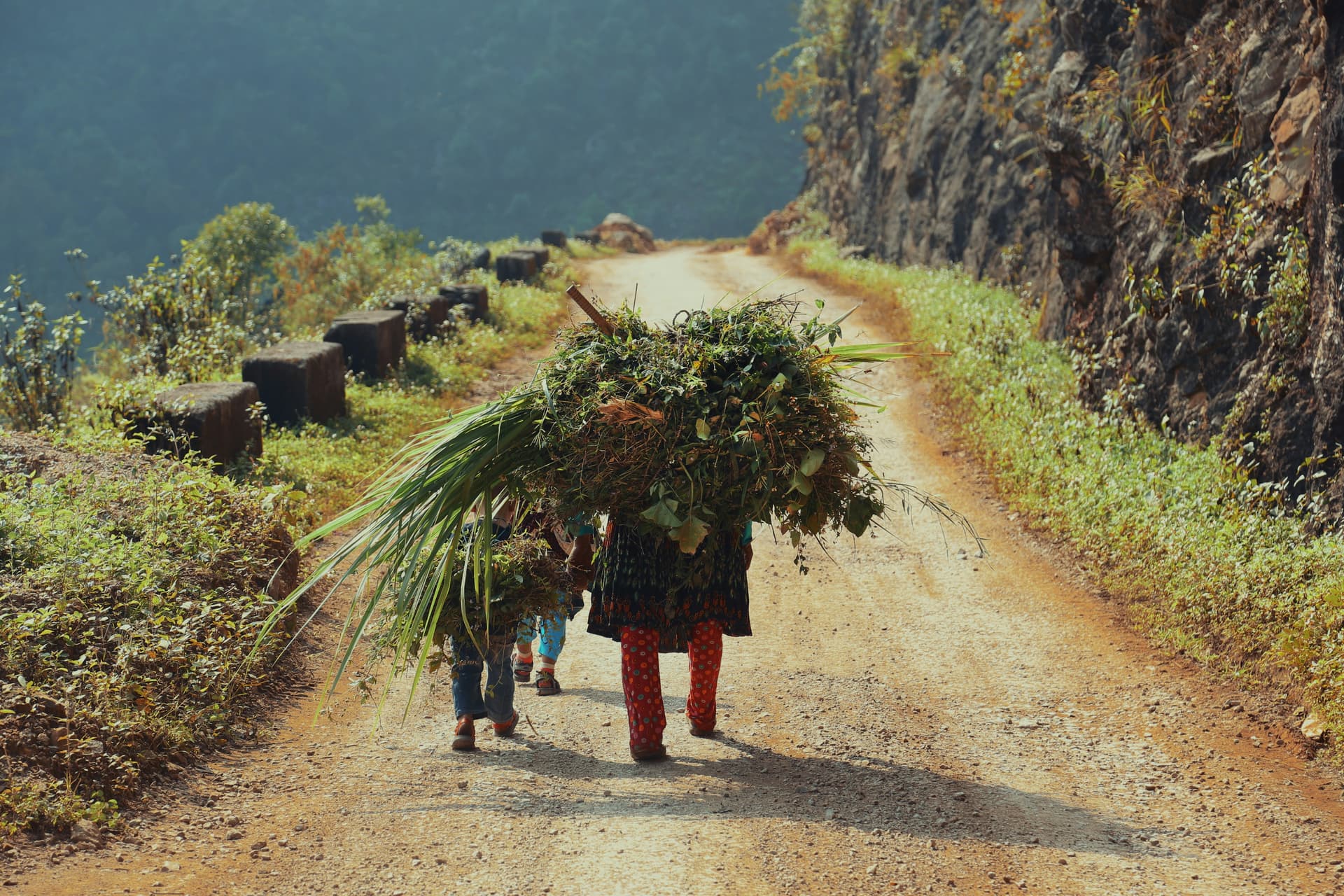
Vietnam's northernmost province, Ha Giang, is a hidden treasure renowned for its untamed scenery, meandering mountain routes, and vibrant cultural variety. Adventurers looking for an off-the-beaten-path adventure will find this distant region to be the perfect location due to its compelling combination of ethnic heritage and natural beauty.
Label: Off beat
How to reach: Bike, bus, taxi
Timings: 24 hours
Time Required: 2-3 hours
Entry Fee: VND 25,000
Key Features
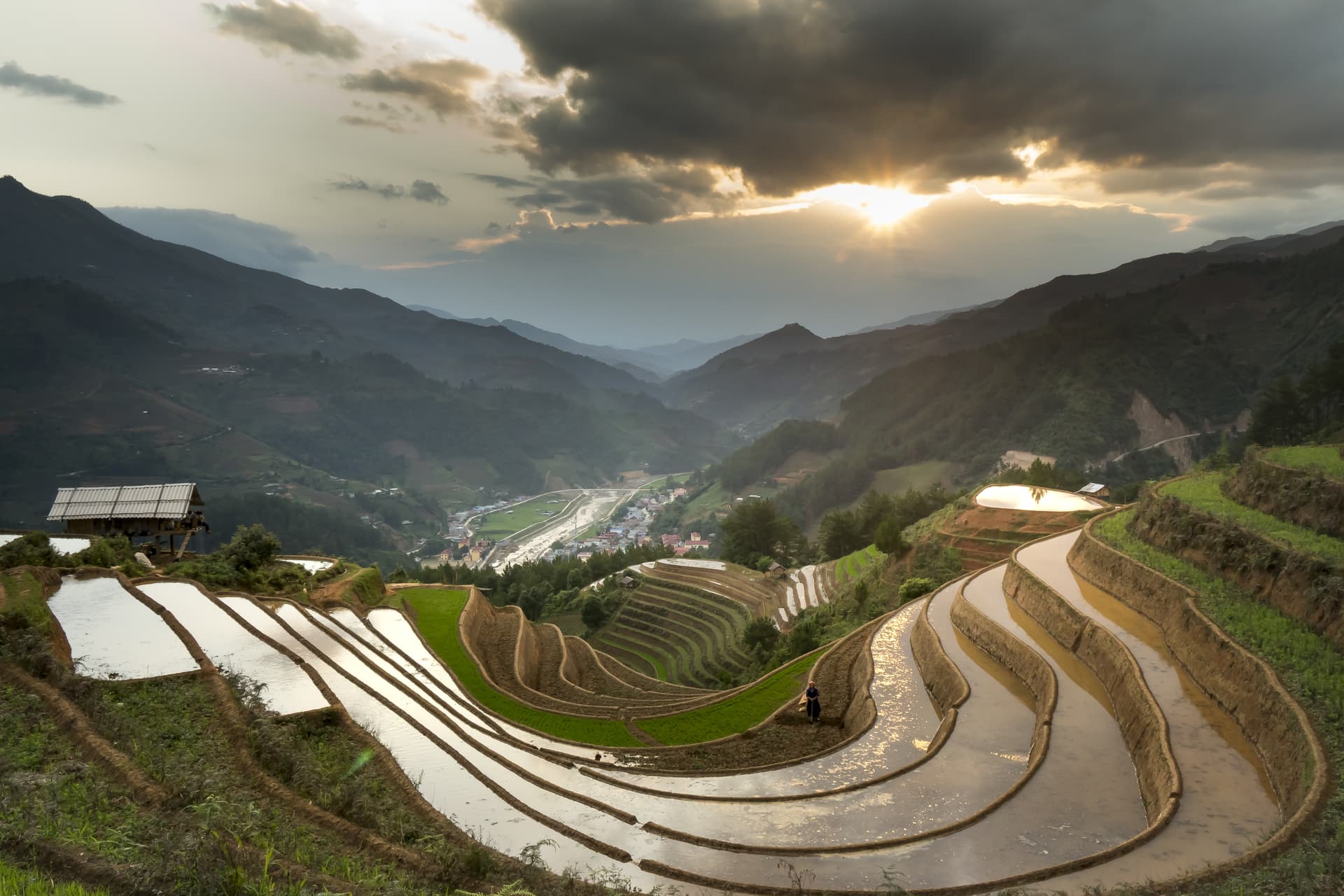
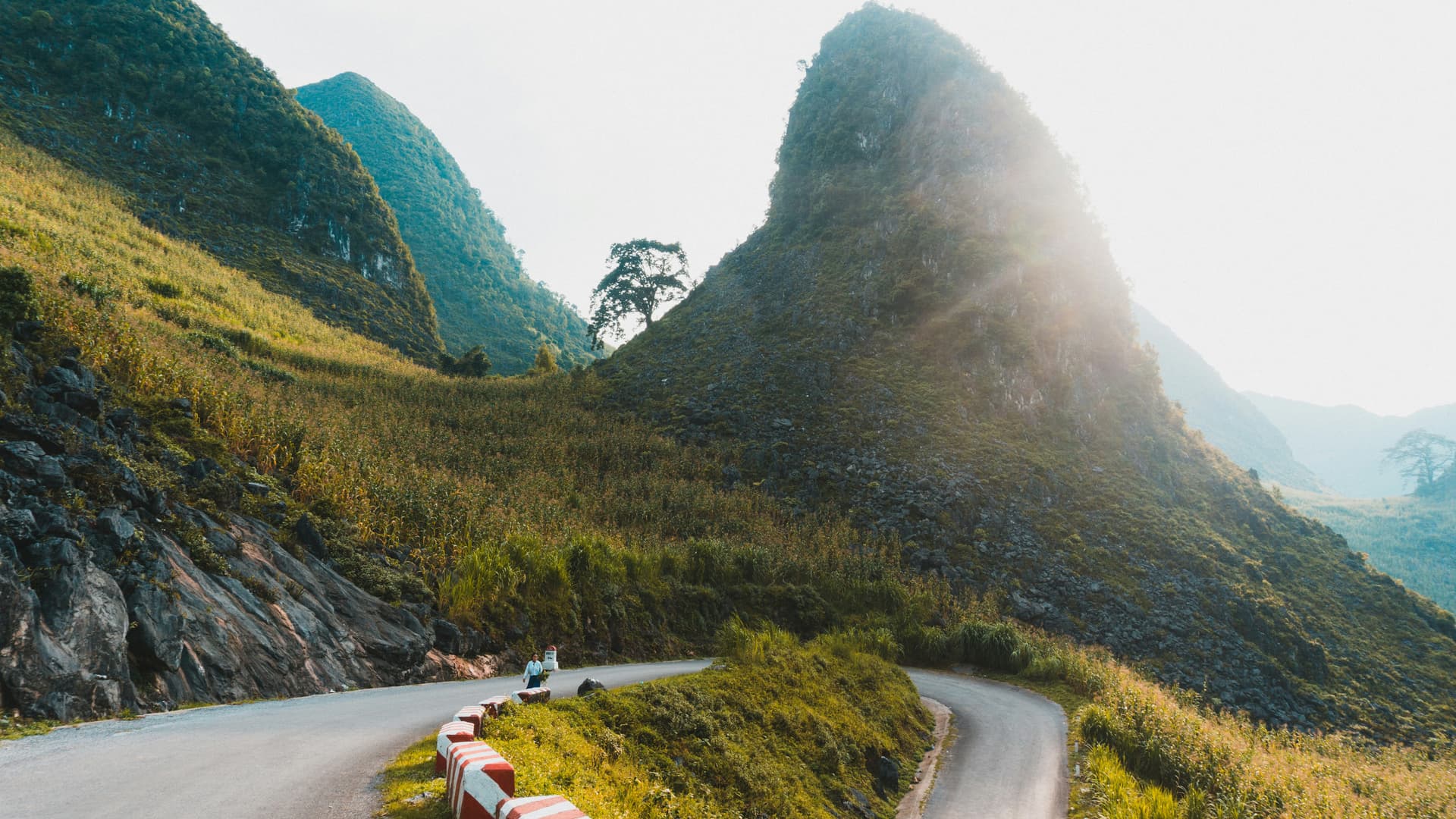
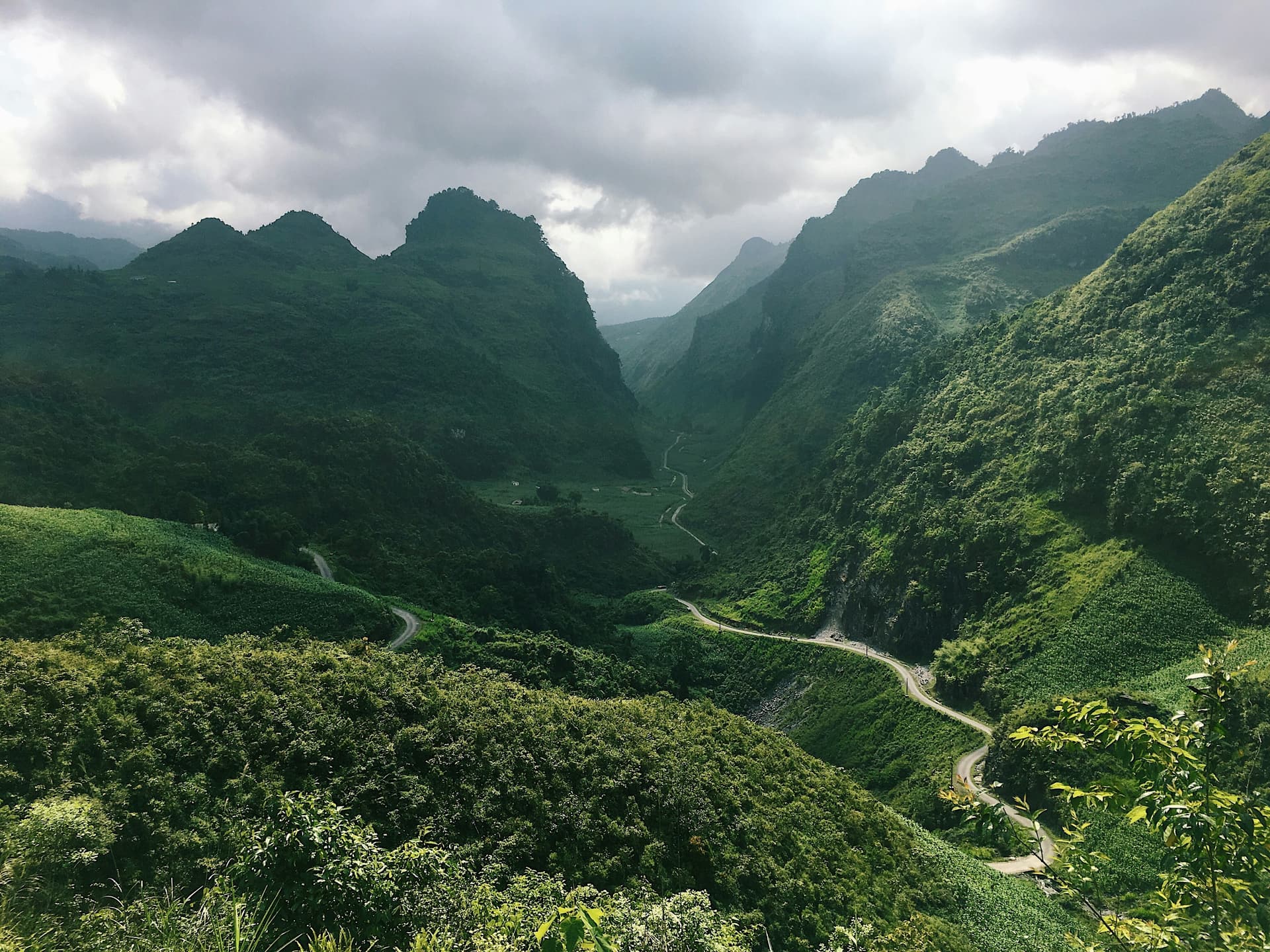
Stunning Landscapes: Ha Giang is renowned for its dramatic scenery, including towering limestone karsts, deep valleys, and terraced rice fields. The Dong Van Karst Plateau Geopark, a UNESCO Global Geopark, is a highlight with its unique rock formations and breathtaking views.
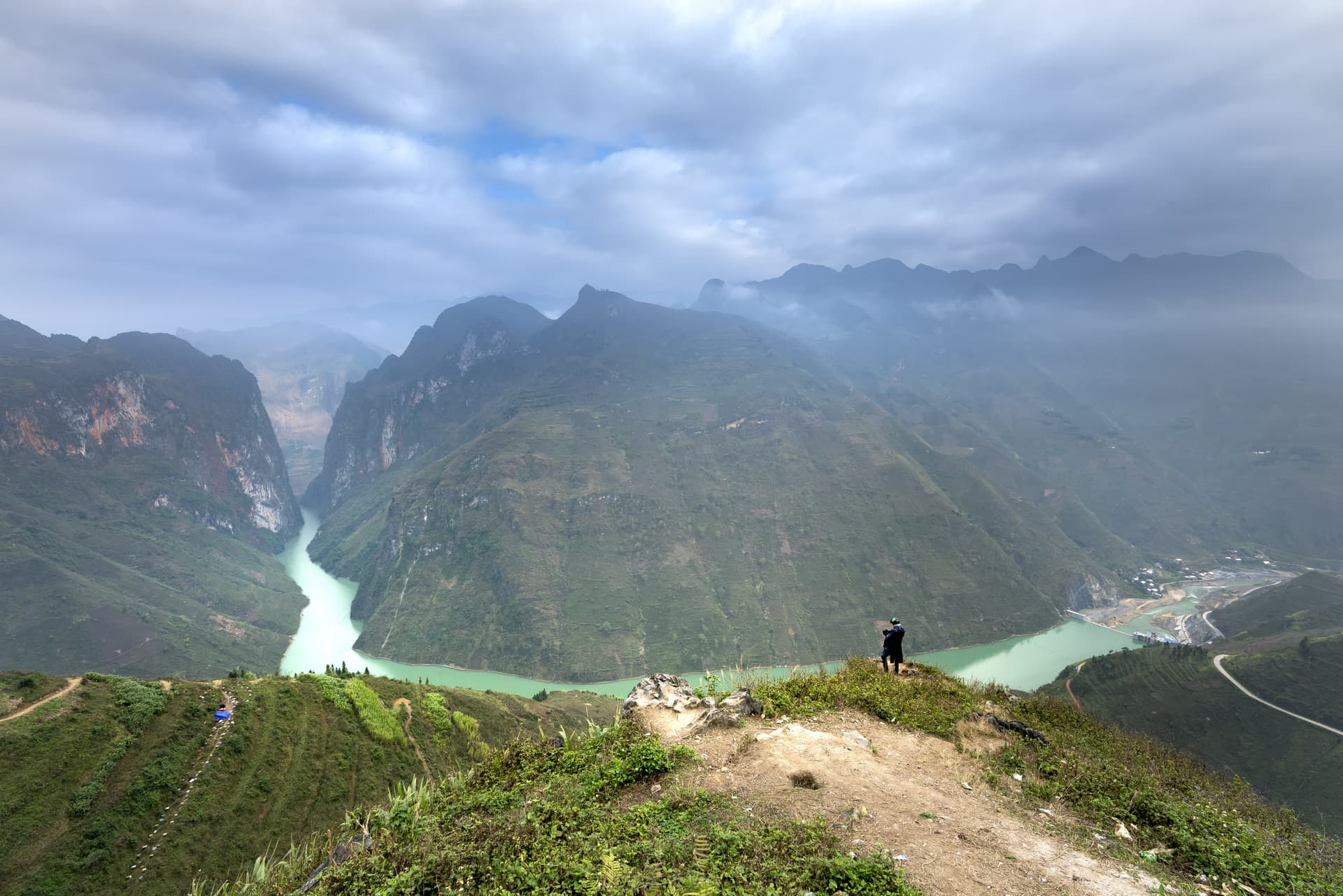
Ma Pi Leng Pass: Often described as one of the most spectacular mountain passes in Vietnam, Ma Pi Leng offers awe-inspiring vistas of the Nho Que River and the surrounding mountains. The pass is part of the Ha Giang Loop, a popular motorbike route that takes travelers through some of the most scenic parts of the province.
Ethnic Diversity: Ha Giang is home to numerous ethnic minority groups, including the Hmong, Tay, Dao, and Giay. Each group has its own distinct customs, traditional clothing, and handicrafts. Visiting local markets and villages provides an opportunity to experience their unique cultures and lifestyles.
Dong Van Old Town: This charming town is known for its well-preserved traditional houses and cobblestone streets. The Dong Van Market, held every Sunday, is a vibrant event where locals from different ethnic groups gather to trade goods and socialize.
Lung Cu Flag Tower: Standing at the northernmost point of Vietnam, the Lung Cu Flag Tower is a symbol of national pride. The tower offers panoramic views of the surrounding landscape and a glimpse into the lives of the local ethnic communities.
Nearby Attractions
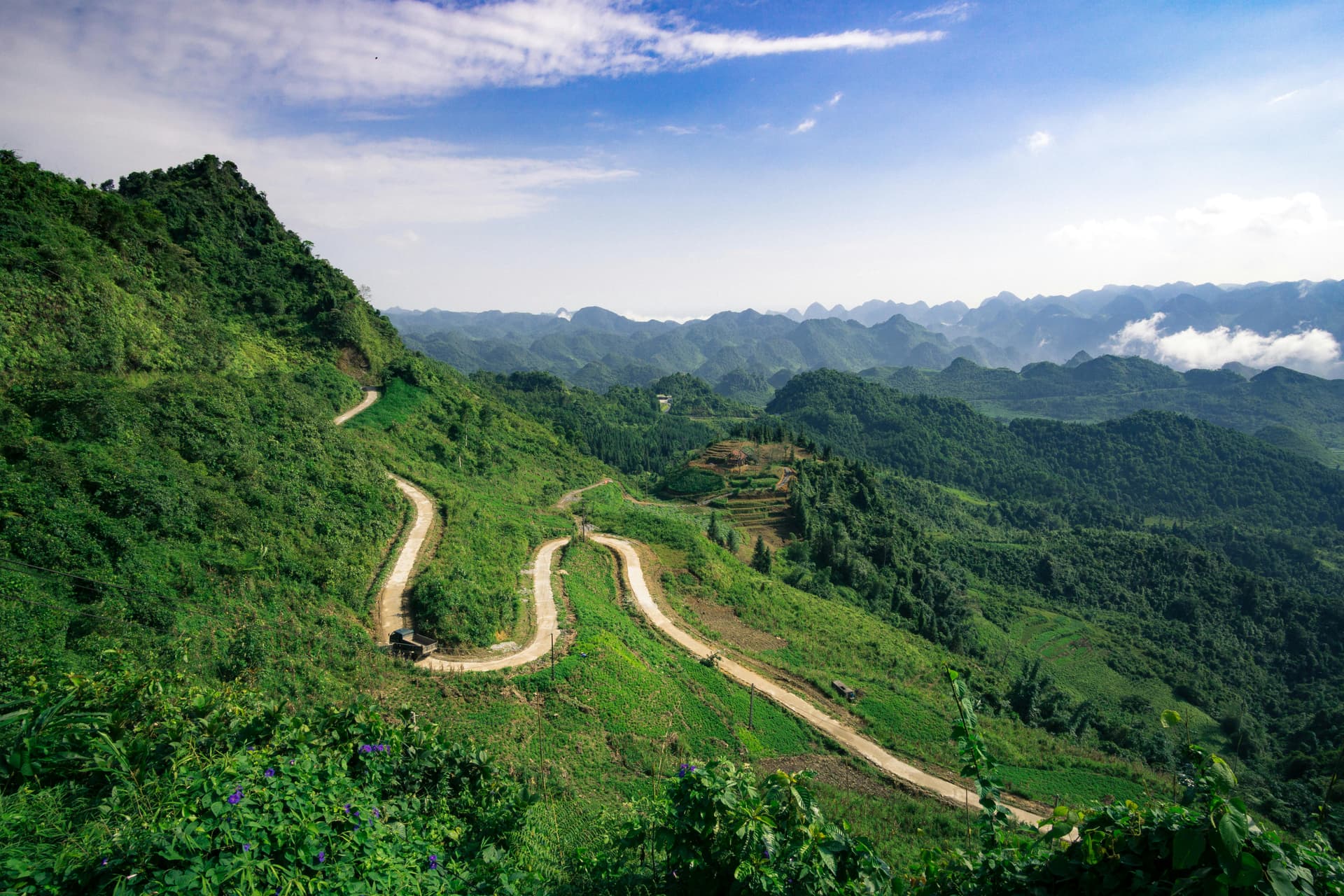
Quan Ba Heaven Gate: Located near the town of Tam Son, Quan Ba Heaven Gate offers stunning views of the Twin Mountains and the surrounding valley. The site is also known for its cool climate and lush green landscapes.
Meo Vac: A small town nestled in the mountains, Meo Vac is known for its lively Sunday market and the nearby Ma Pi Leng Pass. The town is a great base for exploring the surrounding area and experiencing local culture.
Du Gia Village: A serene village located in a picturesque valley, Du Gia is known for its beautiful rice terraces, waterfalls, and traditional stilt houses. The village offers a peaceful retreat and an opportunity to connect with nature.
Hoang Su Phi: Famous for its terraced rice fields, Hoang Su Phi is a great destination for trekking and photography. The best time to visit is during the rice harvesting season, when the fields turn golden.
Best Time to Visit
The dry season, which runs from October to April, is the ideal time of year to explore Ha Giang. The weather is more consistent and colder throughout these months, which is perfect for outdoor activities and motorbike excursions. Because they give breathtaking vistas of the golden terraced fields during the rice harvest season, September and October are especially popular.
Another wonderful time to visit is in the spring, which lasts from February to April. The scenery is enhanced with brilliant colours from flowering flowers. Travel might be difficult during the rainy season, which runs from May to September, because of muddy roads and sporadic landslides, but it also offers breathtaking waterfalls and verdant surroundings.

Leave the planning to a local expert
Conclusion
Travellers are drawn to Ha Giang by its unadulterated natural beauty, rich cultural legacy, and spirit of adventure. The breathtaking scenery of the province, which is exemplified by the terraced rice fields, Ma Pi Leng Pass, and Dong Van Karst Plateau, serves as the setting for adventures that will never be forgotten. A layer of cultural richness is added by the many ethnic populations, which provide insights into customs and ways of life.
Ha Giang is a complete location for those who enjoy both nature and culture, thanks to nearby attractions including Quan Ba Heaven Gate, Meo Vac, and Du Gia Village. While the autumn harvest season gives a visual feast of golden terraces, visiting during the dry season ensures the greatest circumstances for exploring this distant area.