
Namgyal Institute of Tibetology
Overview
Hidden in the serene town of Gangtok, Sikkim, the Namgyal Institute of Tibetology (NIT) is a veritable treasure trove of Tibetan culture, history, and religion. Established in 1958, this institute is a must-visit for anyone interested in the rich tapestry of Tibetan heritage. As you step into the premises, you are transported into a world where ancient manuscripts, religious relics, and intricate art converge to tell the story of Tibetan Buddhism and culture.
Label: Must Visit
How to reach: By road
Timings: 9 AM to 5 PM
Time Required: -
Entry Fee: None
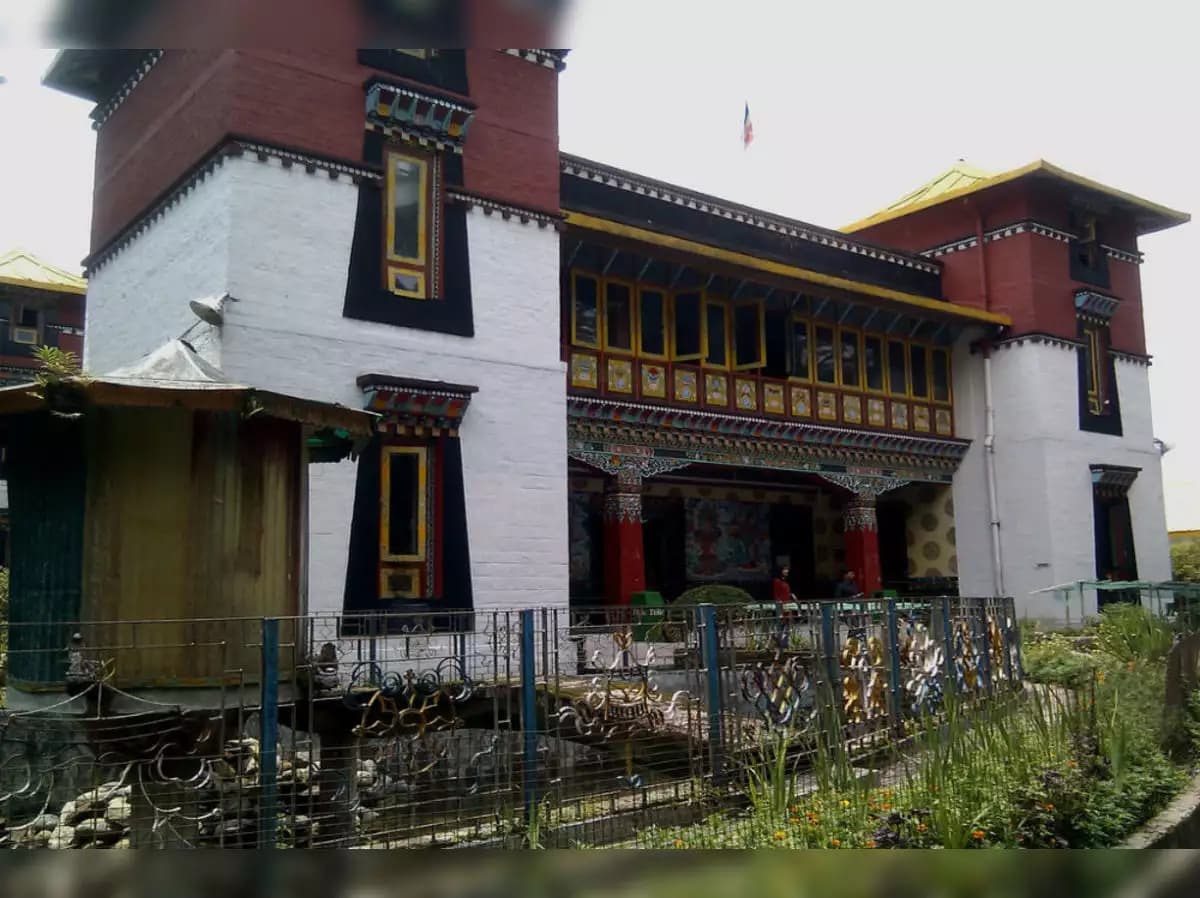
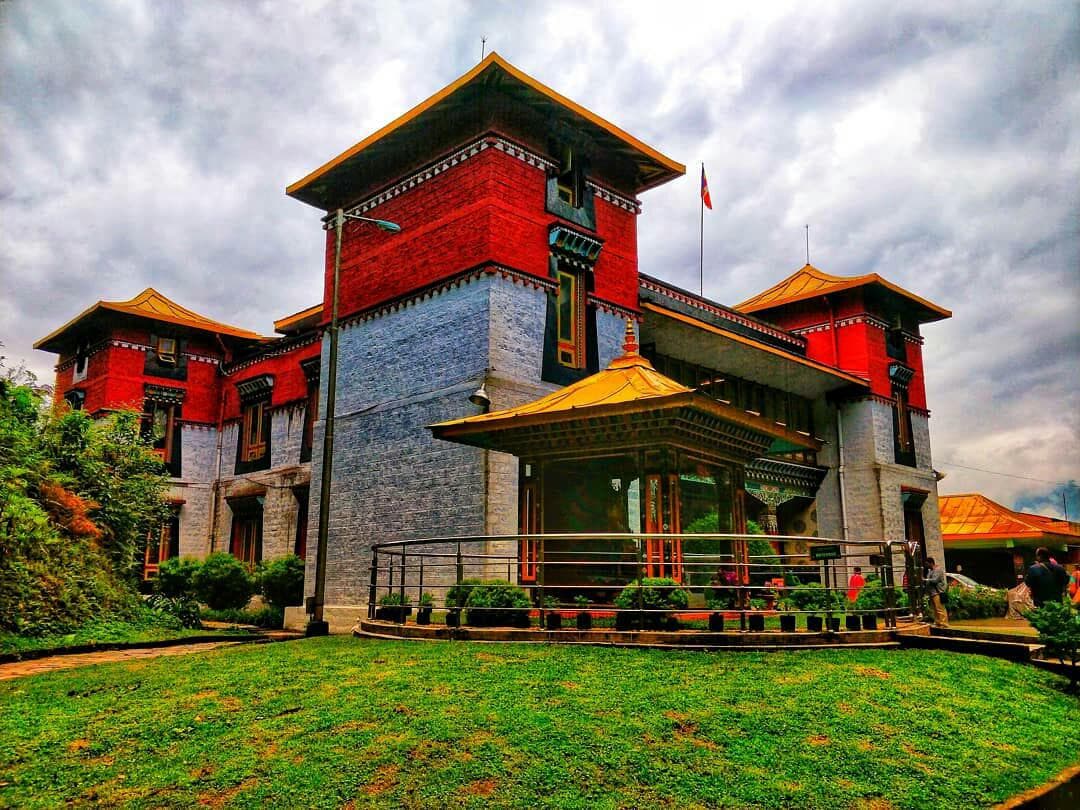
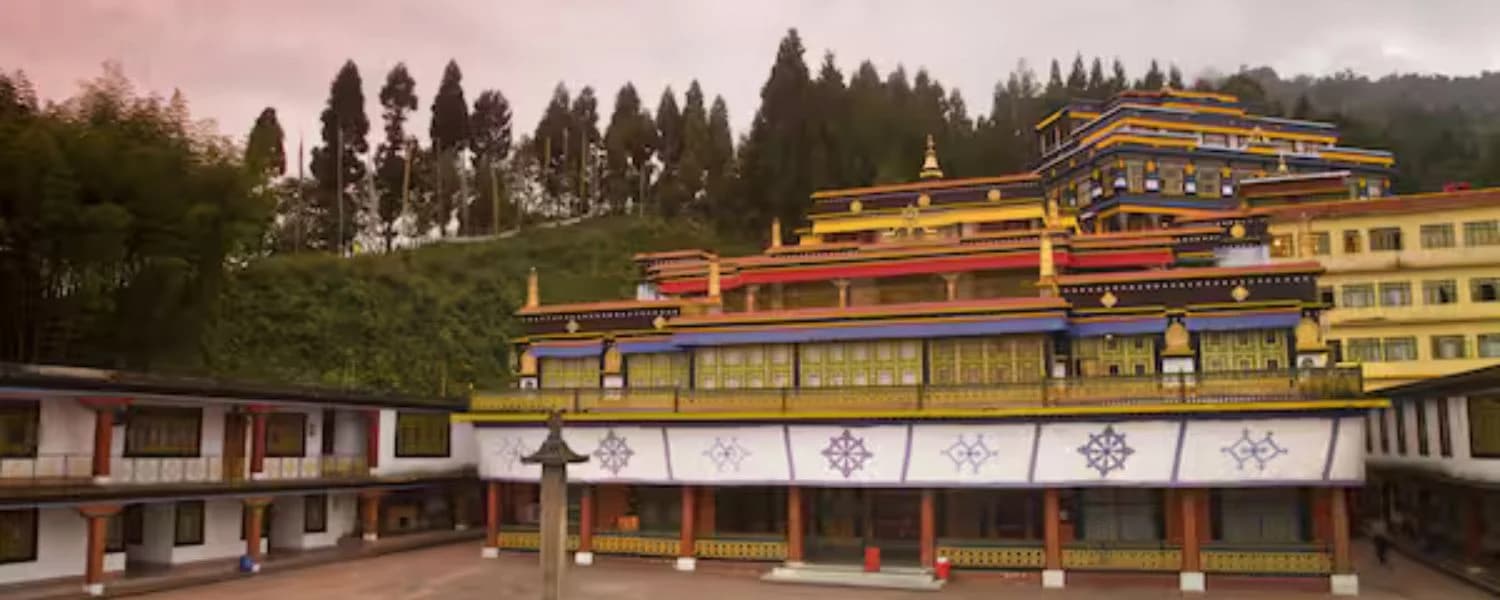
The Namgyal Institute of Tibetology is housed in a beautiful traditional Sikkimese building, with its iconic sloping roofs, colorful decorations, and intricate woodwork. The architecture itself is a testament to the region's cultural synthesis, blending Tibetan and Sikkimese styles harmoniously. As you walk through the gate, the tranquility of the place envelops you, offering a peaceful retreat from the bustling streets of Gangtok.
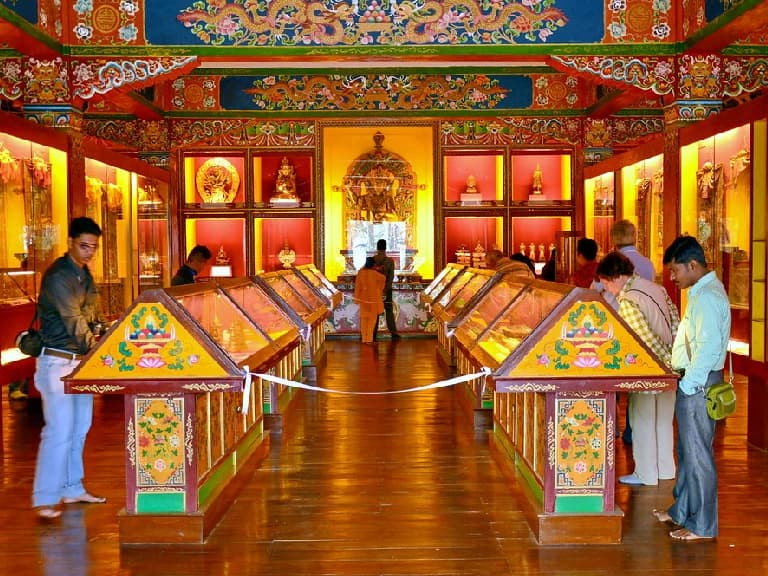
The heart of the institute is its museum, which boasts one of the largest collections of Tibetan artifacts outside Tibet. The museum is a labyrinth of treasures, each item narrating a unique aspect of Tibetan life and spirituality. You’ll find ancient manuscripts written in classical Tibetan script, some of which date back several centuries. These manuscripts are not only religious texts but also include works on medicine, astrology, and literature, showcasing the breadth of Tibetan scholarship.
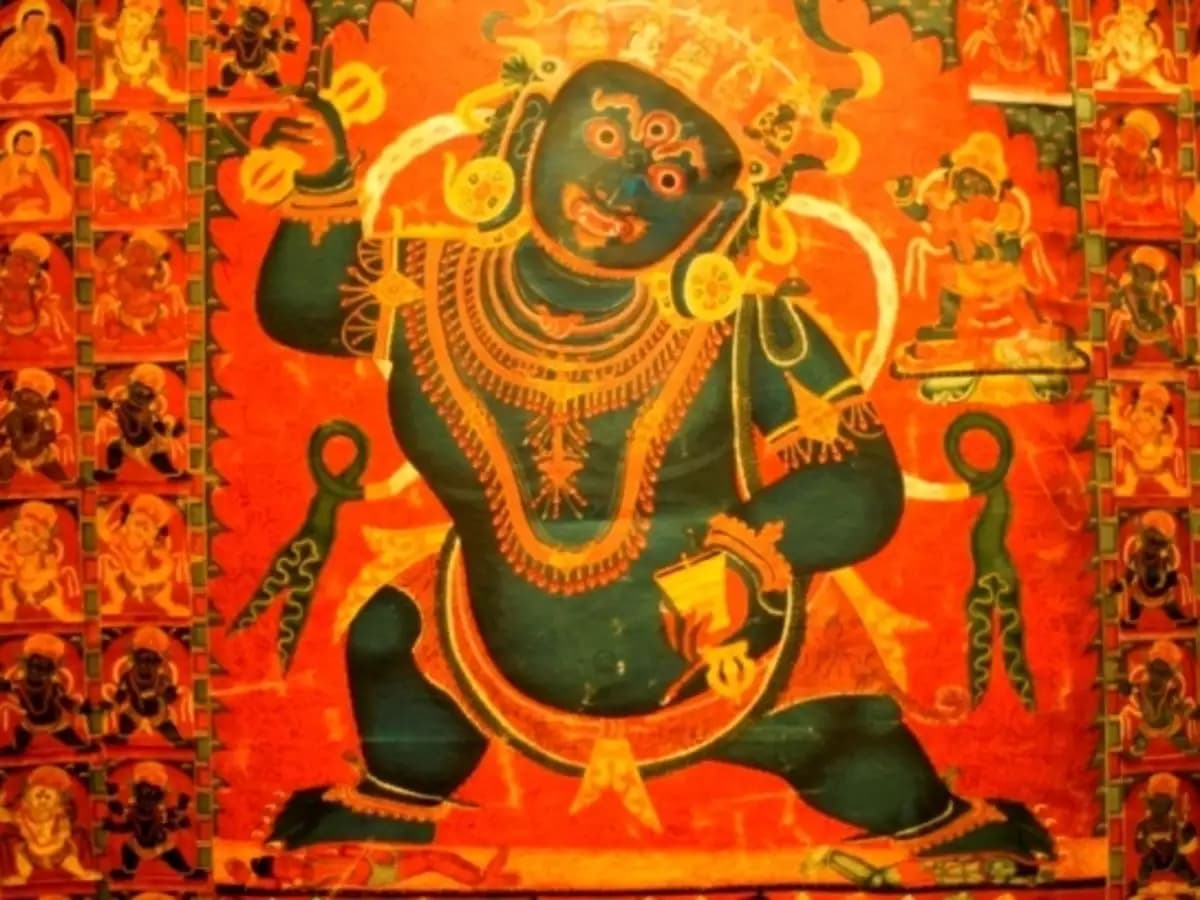
One of the museum’s prized possessions is a rare collection of thangkas, traditional Tibetan scroll paintings that depict Buddhist deities, mandalas, and scenes from the life of the Buddha. These thangkas are not merely artworks; they are spiritual tools used for meditation and religious ceremonies. The intricate details and vibrant colors of these paintings are truly mesmerizing, reflecting the devotion and skill of the artists who created them.
The institute also houses a magnificent statue of Manjushri, the Bodhisattva of Wisdom, which stands as a beacon of enlightenment in the museum’s central hall. Surrounding this statue are various ritual objects, including ornate butter lamps, prayer wheels, and ceremonial masks. Each artifact offers a glimpse into the spiritual practices and rituals of Tibetan Buddhism, providing a deeper understanding of this rich cultural tradition.
For those interested in delving deeper into Tibetan studies, the Namgyal Institute of Tibetology has a well-stocked library with an extensive collection of books, journals, and manuscripts. The library is a haven for researchers and scholars from around the world, who come here to study the vast array of texts on Tibetan religion, culture, and history. The library’s serene atmosphere and comprehensive resources make it an ideal place for contemplation and study.

Leave the planning to a local expert
Apart from its museum and library, the institute also engages in various academic activities, including seminars, lectures, and workshops on Tibetan studies. These events attract scholars, practitioners, and enthusiasts, fostering a vibrant intellectual community dedicated to preserving and promoting Tibetan culture.
A visit to the Namgyal Institute of Tibetology is incomplete without exploring its beautiful gardens. The lush green lawns, dotted with prayer flags and traditional sculptures, provide a perfect setting for a leisurely stroll or a moment of quiet reflection. The peaceful ambiance of the gardens complements the spiritual and intellectual richness of the institute, making it a holistic experience for visitors.
In conclusion, the Namgyal Institute of Tibetology is more than just a museum or a library; it is a living repository of Tibetan heritage. Whether you are a history enthusiast, a spiritual seeker, or simply a curious traveler, a visit to this institute will leave you with a profound appreciation for the depth and beauty of Tibetan culture. It is a place where the past and present coexist harmoniously, offering a window into a world that is both ancient and timeless.