Chapora Fort
Overview
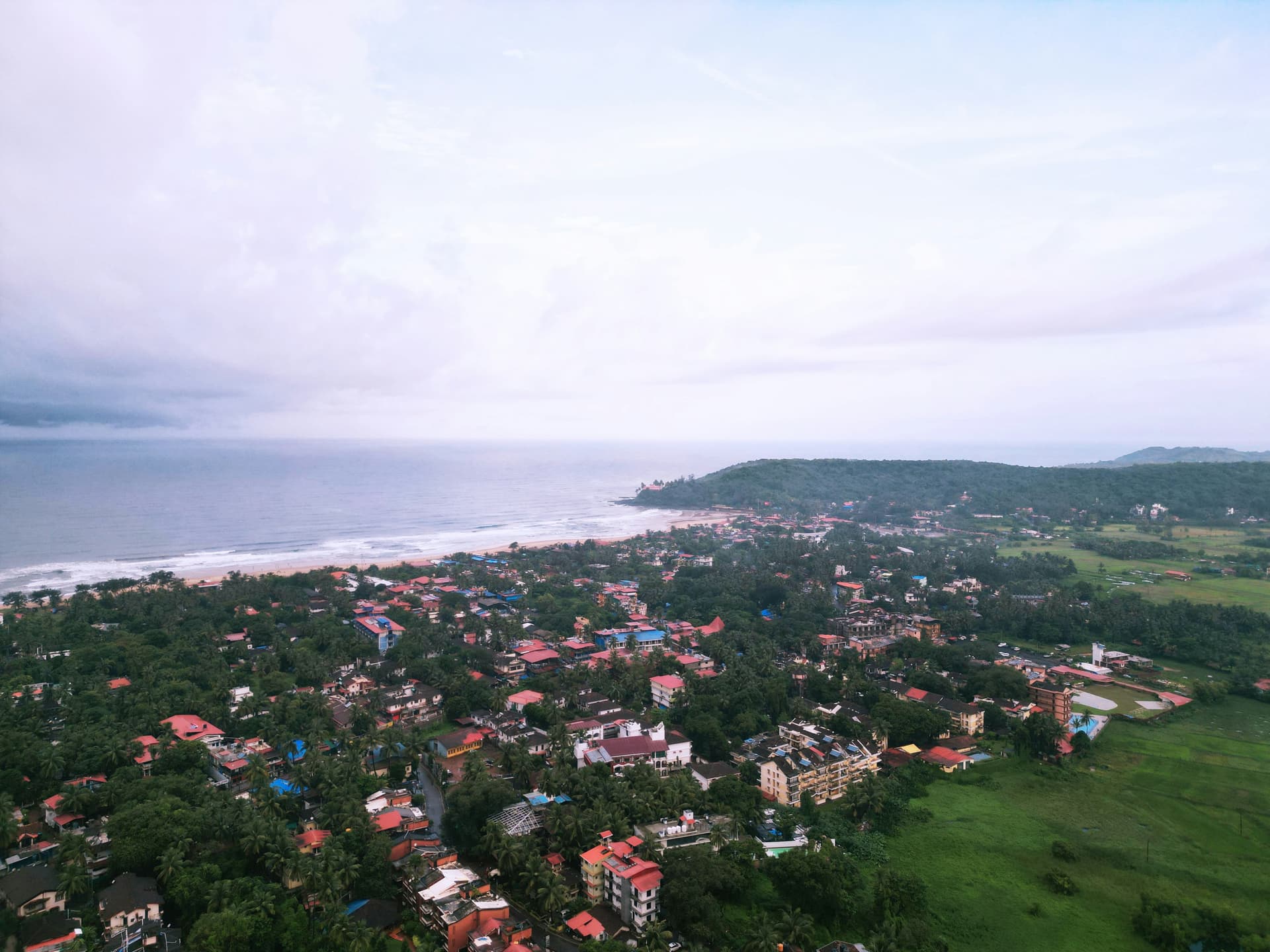
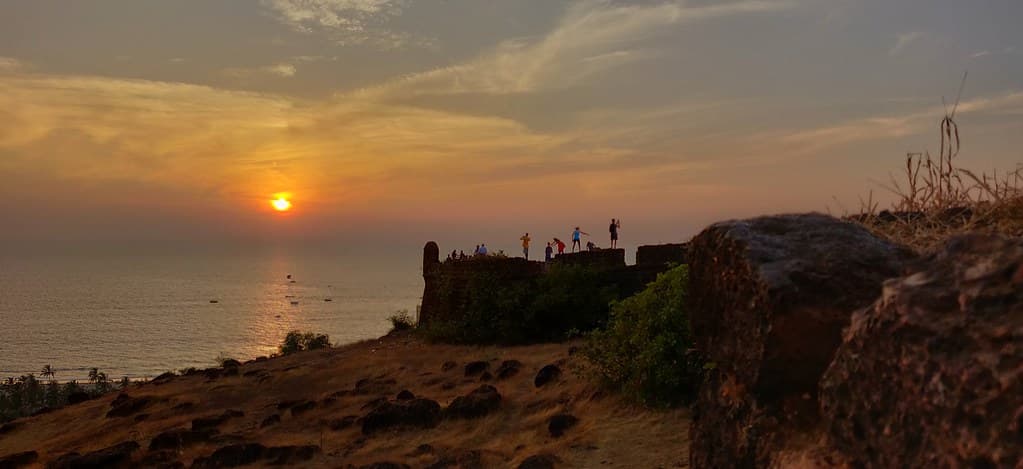
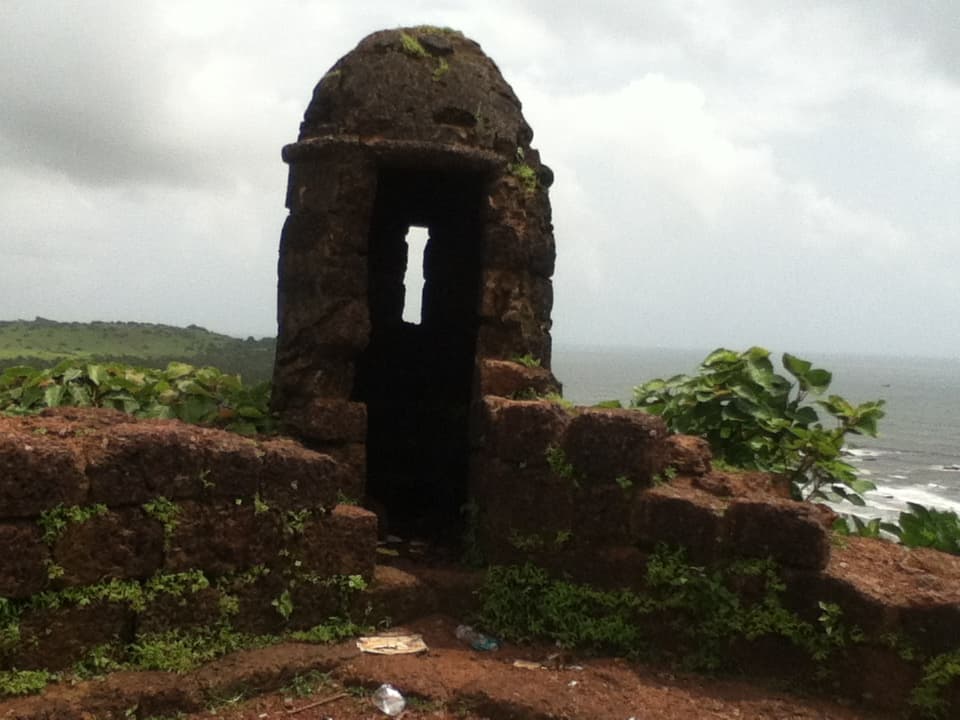
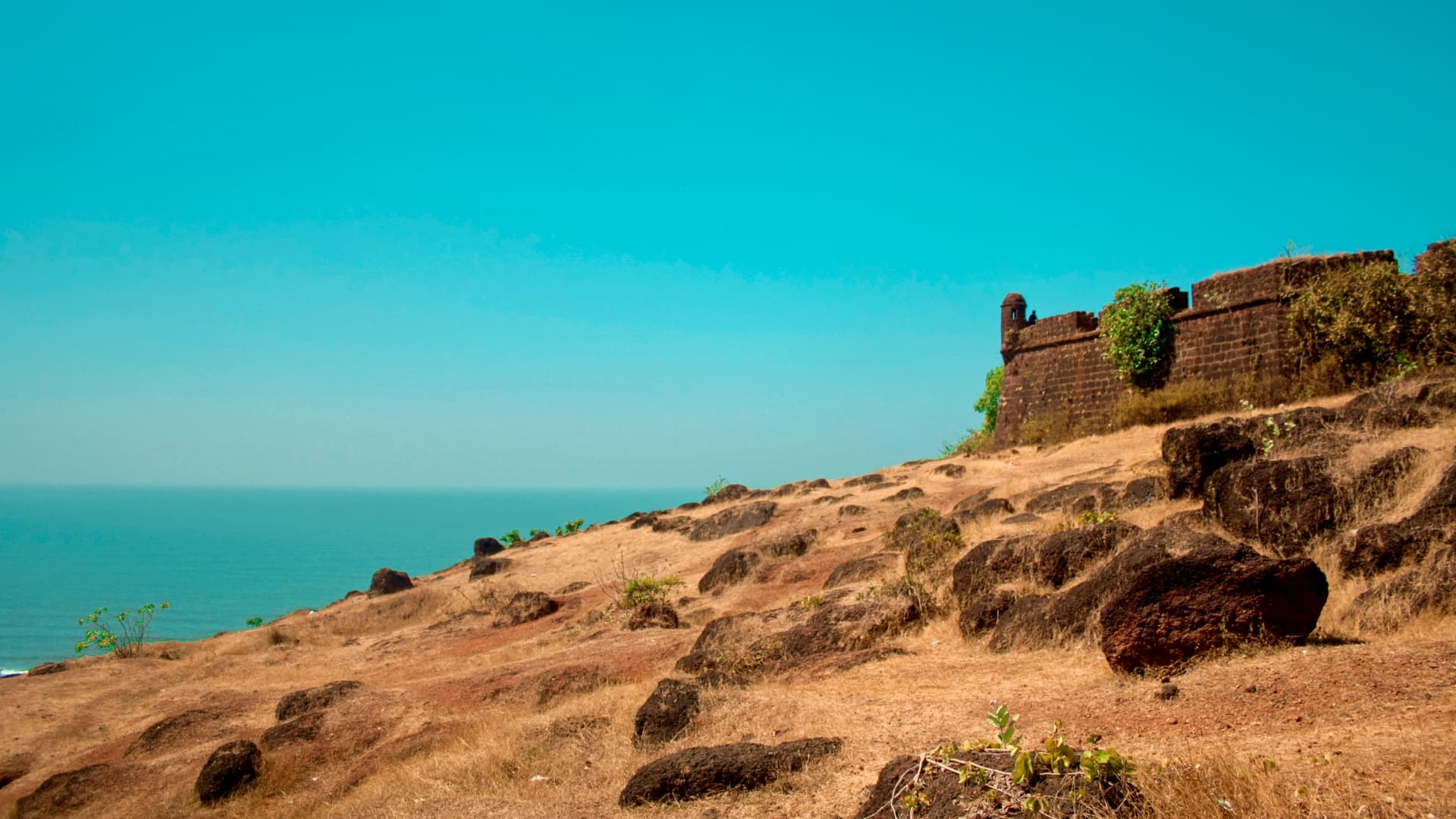
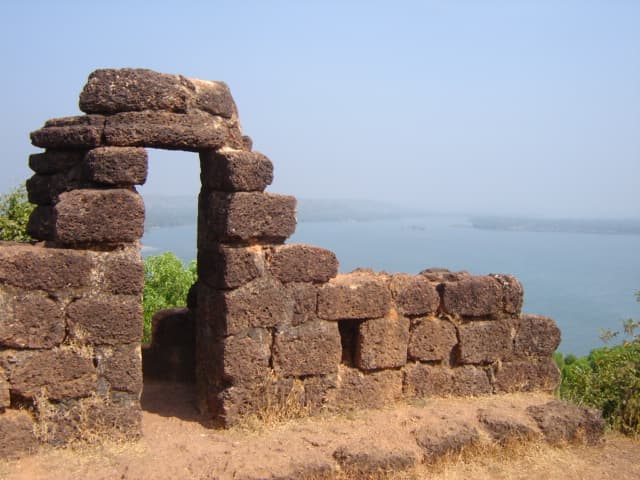
Chapora Fort, located in Goa, offers a fascinating glimpse into the region's rich history and strategic significance. Perched on a hilltop overlooking the Chapora River and the Arabian Sea, this fort provides expansive views of the surrounding landscape. Originally constructed in 1717 by the Portuguese, the fort was later rebuilt in 1785 to fortify its defenses against potential invasions. Its robust stone walls and bastions reflect the military architecture of the time. Visitors can explore the remnants of the fort's defensive structures, including the watchtowers and ramparts, which provide a sense of its historical importance. The fort's elevated position makes it a popular spot for enjoying panoramic views and observing the confluence of the river and sea. The surrounding area is also home to local flora and offers a unique perspective on the diverse environment of Goa.
Key Features and Attractions
- Fortified Walls and Bastions: The fort’s robust structure includes extensive walls and bastions that provide a commanding view of the surrounding landscape and the Chapora River estuary. These features are a testament to the strategic military architecture of the period.
- Viewpoints: The fort offers sweeping vistas of the Arabian Sea and the adjacent Vagator Beach. The elevated position allows visitors to see the confluence of the Chapora River with the sea and the lush coastal scenery.
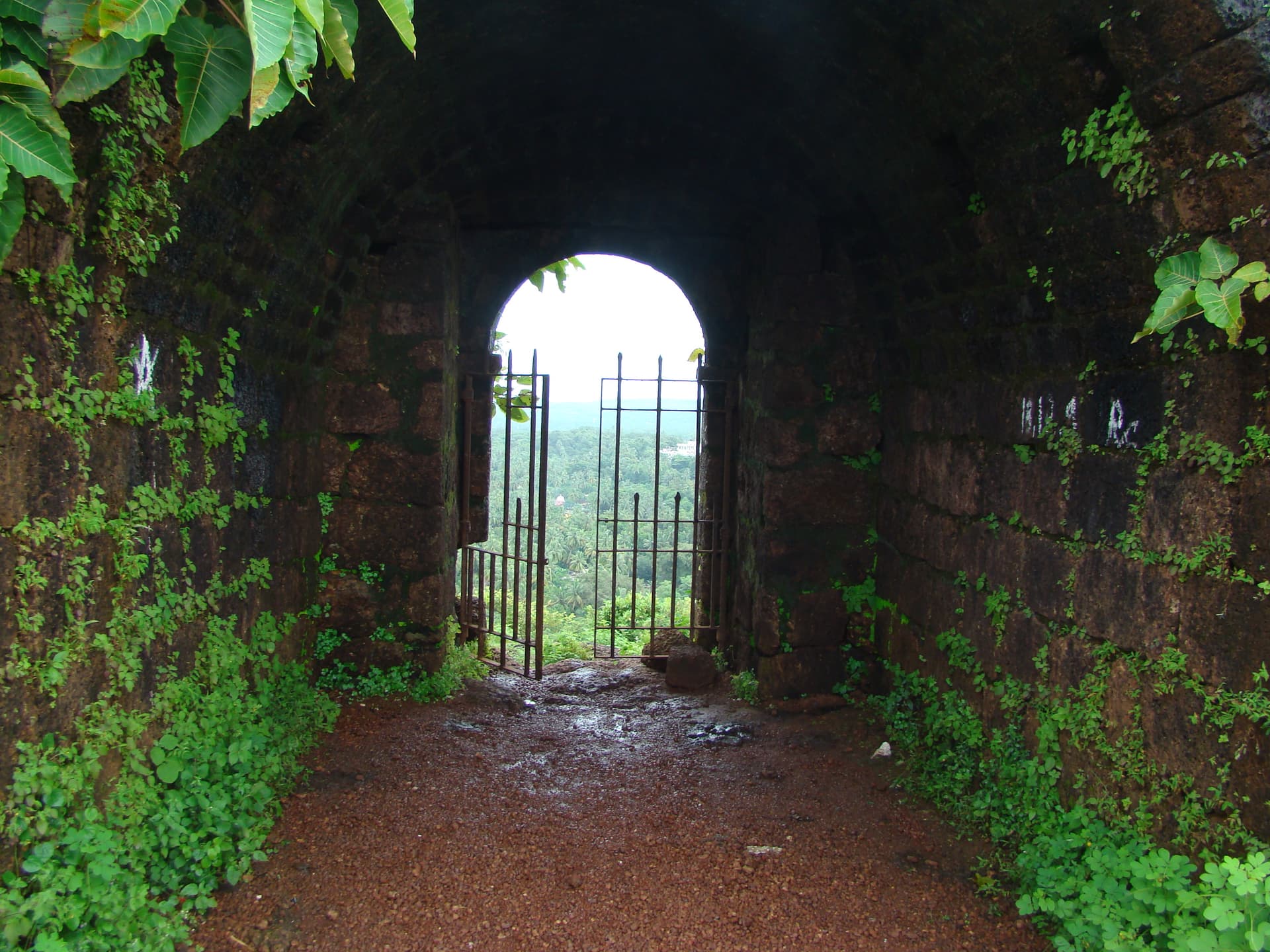
- Ruins and Structures: While much of the fort is in ruins, the remnants of the watchtowers and the main gate still reflect its historical grandeur. The ruins create a striking contrast against the backdrop of the sea and the vibrant greenery of the surrounding area.
- Surrounding Nature: The area around the fort is dotted with vibrant vegetation and offers an inviting space for leisurely walks and exploration.
Cultural Heritage
Chapora Fort is not only a military structure but also a significant cultural site. The Marathas initially constructed it and later captured and expanded by the Portuguese. The fort's role in various conflicts and its transition from Maratha to Portuguese control reflects Goa's rich and complex history. The fort's architecture and strategic importance are reflective of the colonial era’s military needs and the geopolitical dynamics of the time.
Nearby Attractions
- Vagator Beach: Located just below the fort, Vagator Beach is known for its distinctive red cliffs and a vibrant atmosphere. It's an excellent spot for relaxation and enjoying beachside activities.
- Anjuna Beach: A short drive away, Anjuna Beach is famous for its lively markets, music festivals, and the energetic vibe of its nightlife.
- Mapusa Market: A bit further inland, Mapusa Market is a bustling place to experience local Goan culture, buy spices, handicrafts, and enjoy local street food.
- St. Cajetan Church: Situated in Old Goa, this church offers a glimpse into the Portuguese colonial architectural style and religious history.
Local Cuisine
In the vicinity of Chapora Fort, visitors can sample a variety of Goan dishes, including:
- Goan Fish Curry: A flavorful curry made with coconut and a mix of spices, often featuring fresh fish.
- Pork Vindaloo: A spicy and tangy pork dish marinated in vinegar and a blend of spices.
- Bebinca: A traditional Goan dessert made from layers of coconut, sugar, and eggs.
Local eateries around Vagator Beach and Anjuna Beach offer these and other Goan specialties, giving visitors a taste of the region’s culinary traditions.

Leave the planning to a local expert
Tips for Visitors
- Best Time to Visit: The cooler months from November to March are ideal for visiting Chapora Fort, as the weather is pleasant and conducive for outdoor exploration.
- Footwear: Wear comfortable walking shoes, as exploring the fort involves navigating uneven terrain and stairs.
- Sun Protection: Bring sunscreen, a hat, and sunglasses, especially if visiting during midday when the sun can be intense.
- Photography: The fort’s elevated position offers excellent opportunities for photography, so a camera or smartphone is advisable.
- Respect Local Guidelines: Follow local regulations and respect the historical site by not vandalizing or littering.
Conclusion
Chapora Fort stands as a historical and cultural gem of Goa, offering a fascinating glimpse into the region’s colonial past and a spectacular vantage point for its scenic beauty. With its commanding views, historical ruins, and proximity to vibrant beaches and local markets, it provides a comprehensive experience for history enthusiasts and casual visitors alike. Exploring the fort provides not only a journey through Goa's past but also an opportunity to immerse in its current cultural and natural vibrancy.