
Ever wondered how to Backpack across Goa?
5 minutes
13th August 2024
by Shakti Iyer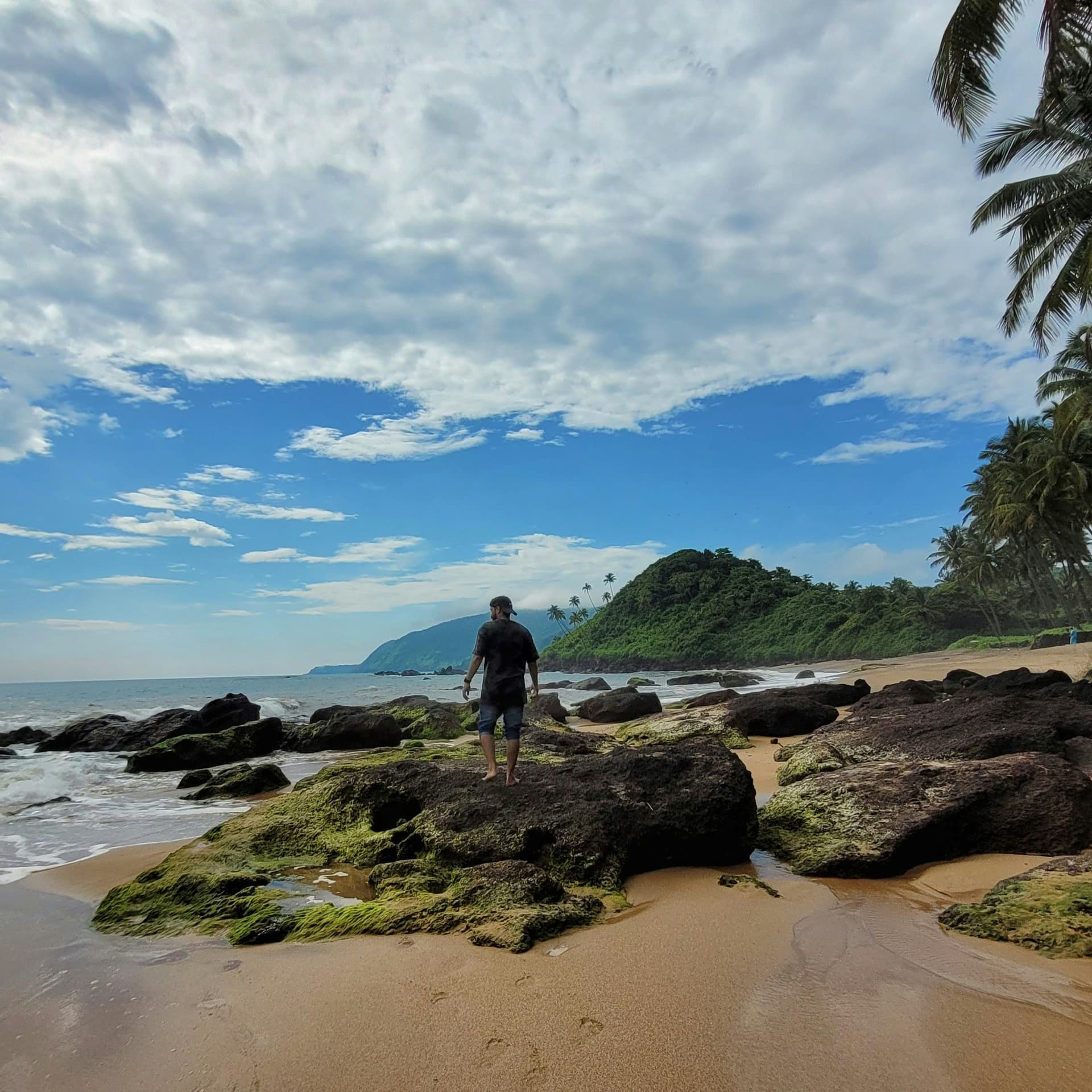
Backpacking Across Goa: A Vibrant Adventure on a Shoestring
Goa. The name alone conjures up images of sun-kissed beaches, vibrant nightlife, and a kaleidoscope of cultures blending seamlessly in this tiny paradise on the western coast of India. But what if I told you there’s more to Goa than meets the eye? This is the ultimate guide to backpacking across Goa, where we ditch the luxury resorts and discover the hidden gems, quirky spots, and the real soul of Goa—without burning a hole in your pocket.
Chapter 1: Getting There—The Journey Begins
First things first—getting to Goa. If you’re already in India, you’ve got options galore. Budget flights from major cities like Mumbai, Delhi, or Bangalore will zip you to Dabolim Airport faster than you can say “Susegad.” If you’re feeling extra adventurous (or strapped for cash), hop on a train. The Konkan Railway is not just a ride; it’s a scenic experience through lush landscapes, tunnels, and endless greenery. You can almost taste Goa before you even arrive.
For the hardcore backpacker, the bus is your best friend. It’s cheap, it’s functional, and it’s an experience. Picture this: rickety seats, local music blasting through the speakers, and a whole bunch of fellow travelers crammed in with you. It’s not glamorous, but it’s the stuff of travel legends.
Chapter 2: North Goa—The Beat of the Backpacker Drum
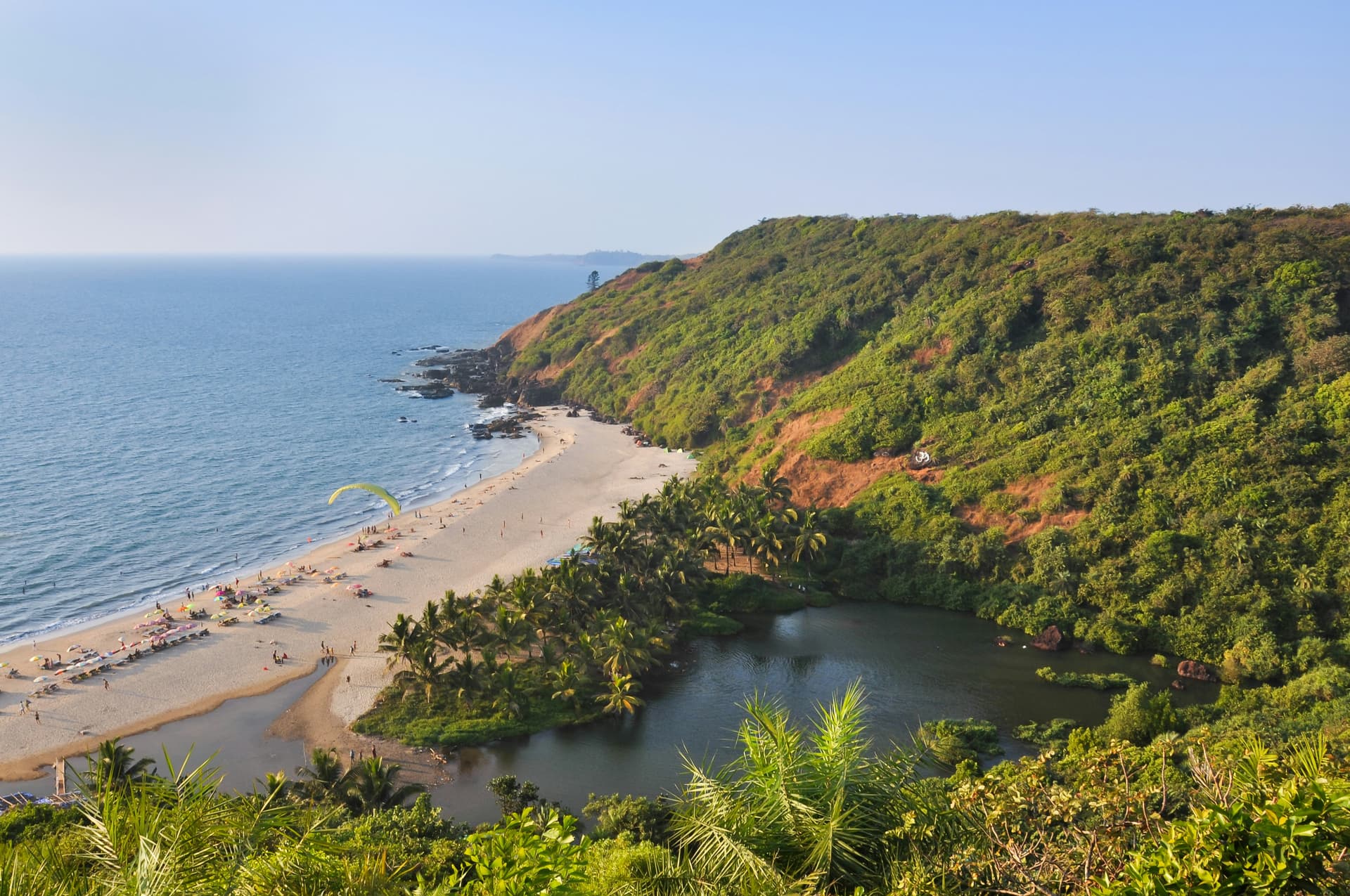
Once you’ve landed in Goa, the first question is: North or South? We’ll start with North Goa because this is where the party’s at. But don’t worry, there’s more to it than just parties—though there’s plenty of that too.
1. Anjuna Beach—Hippie Haven
Anjuna is the stuff of backpacker dreams. Known for its laid-back vibe, it’s where you’ll find bohemian souls from around the world. The beach is a perfect mix of golden sands and rocky outcrops, but the real magic happens in the flea markets. Here, you can haggle your way through stalls selling everything from handmade jewelry to psychedelic art. And when the sun sets, Anjuna transforms into a party zone. Curlies and Shiva Valley are the places to be if you want to dance the night away under the stars.
2. Vagator Beach—Chill Vibes and Cliffs
Just a stone’s throw from Anjuna, Vagator Beach is where you go to unwind. The red cliffs overlooking the beach give it a dramatic vibe, perfect for those Instagram shots. Backpackers often gather here to chill, strum guitars, and watch the sunset. If you’re into trance music, this is where the underground scene thrives. Plus, there’s a secret: trek up the Chapora Fort (a.k.a. the “Dil Chahta Hai” fort) for a killer view of the coastline.
3. Arambol—Where the Bohemians Roam
Arambol is like a time capsule of the ’60s hippie era. It’s got everything: yoga retreats, drum circles, and a freshwater lake (seriously, it’s like finding an oasis in the middle of the desert). The vibe here is super chill—think barefoot walks, dreadlocks, and beachside cafes serving vegan fare. But don’t be fooled by the laid-back atmosphere; Arambol knows how to party too, especially at the iconic Arambol Carnival. If you’re a fan of quirky, you’ll feel right at home here.
4. Morjim and Ashwem—The Quiet Side of North Goa
For those days when you just want to escape the chaos and chill by the beach, Morjim and Ashwem are your go-to spots. These beaches are relatively quieter, with more local Goans than tourists. The sand is soft, the water is clear, and the vibe is pure relaxation. Morjim is also known as “Little Russia” because of the number of Russian expats who’ve set up shop here. So, if you’re craving borscht and blinis with a side of sunshine, you know where to go.
Chapter 3: South Goa—The Road Less Traveled
South Goa is like North Goa’s quieter, more introverted sibling. While North Goa is all about the hustle and bustle, South Goa is where you go to find yourself (or at least pretend to).
1. Palolem Beach—Postcard Perfect
Palolem is the kind of beach you see on postcards and wonder if it’s real. Spoiler alert: it is. The crescent-shaped beach is lined with colorful beach huts, swaying palm trees, and the kind of soft sand that makes you want to dig your toes in and never leave. Backpackers love it here for the laid-back vibe and the chance to stay in beach huts right on the sand. By day, it’s all about kayaking, dolphin spotting, or just lazing around. By night, Palolem lights up with silent discos—headphones on, world off.
2. Agonda Beach—The Hidden Gem
Agonda is the place to be if you want to get off the grid. This beach is all about minimalism—no big resorts, no noisy parties, just you, the sea, and a few like-minded souls. It’s perfect for yoga, meditation, or just contemplating life as you watch the waves roll in. If you’re lucky, you might spot some Olive Ridley turtles nesting here.

Leave the planning to a local expert
3. Colva Beach—A Dash of Local Flavour
Colva Beach is one of the more popular beaches in South Goa, especially among the locals. It’s got a lively vibe with shacks serving up fresh seafood, water sports for the adrenaline junkies, and a bustling market nearby. While it’s more developed than some of the other South Goa beaches, it still has its charm. Plus, it’s a great spot to mingle with locals and get a taste of Goan life beyond the tourist bubble.
4. Cabo de Rama—A Cliffside Fortress
If you’re into history and a bit of adventure, Cabo de Rama is your spot. This ancient fort offers panoramic views of the Arabian Sea and a slice of Goan history. Legend has it that Lord Rama stayed here during his exile, hence the name. Today, it’s a crumbling ruin, but that just adds to its mystique. The trek up to the fort is worth it for the views alone, and if you’re lucky, you might have the whole place to yourself.
Chapter 4: Goan Delicacies—Eat Like a Local
You can’t backpack across Goa and not indulge in the local cuisine. Goan food is a spicy, flavorful mix of Portuguese and Indian influences, and it’s best enjoyed in roadside shacks and hole-in-the-wall joints.
1. Fish Curry Rice—The Staple
Fish curry rice is the heart and soul of Goan cuisine. It’s simple, it’s flavorful, and it’s everywhere. The curry is tangy with tamarind, spicy with local spices, and usually comes with a piece of kingfish. Pair it with steamed rice, and you’ve got a meal that’s as authentic as it gets.
2. Bebinca—Layered Goodness
Bebinca is the dessert you never knew you needed. This traditional Goan pudding has multiple layers of coconut milk, sugar, eggs, and flour, baked slowly to perfection. It’s rich, it’s decadent, and it’s the perfect end to a Goan meal.
3. Feni—Liquid Courage
Feni is the local Goan liquor, made from cashew apples or coconut sap. It’s potent, it’s got a distinct aroma, and it’s an acquired taste. But when in Goa, right? Sip it straight, mix it with soda, or have it in a cocktail—the choice is yours. Just remember, it’s strong stuff.
4. Ros Omelette—Street Food Love
Ros omelette is Goa’s answer to late-night cravings. It’s an omelette drenched in spicy chicken or mutton gravy, served with a side of pav (bread). It’s messy, it’s delicious, and it’s the kind of street food you’ll dream about long after you’ve left Goa.
Chapter 5: Culture and Festivals—The Goan Spirit
Goa is more than just beaches and parties; it’s a cultural melting pot with a history that’s as rich as its cuisine.
1. Carnival—The Party of Parties
Goa’s Carnival is a throwback to its Portuguese roots and is one of the most vibrant festivals in India. It’s three days of non-stop celebration, with parades, music, dancing, and food. The streets come alive with color, and everyone—from locals to tourists—joins in the fun. If you’re in Goa during Carnival, consider yourself lucky.
2. Shigmo—The Goan Holi
Shigmo is Goa’s version of Holi, and it’s as colorful and chaotic as you’d expect. The festival is a celebration of spring, with parades featuring traditional Goan folk dances, music, and, of course, a lot of color. It’s a great way to experience Goa’s local culture up close.
3. Christmas and New Year—Beachside Revelry
Goa during Christmas and New Year is a whole different vibe. The churches are lit up, the beaches are packed, and there’s a festive spirit in the air. Whether you’re attending midnight mass at the Basilica of Bom Jesus or partying on the beach at midnight, it’s an experience you won’t forget.
4. Sao Joao—The Monsoon Festival
Sao Joao is a unique festival celebrated during the monsoon season. Locals jump into wells and rivers to mimic St. John the Baptist, who leaped into the River Jordan. The festival is a quirky blend of faith and fun, with people wearing crowns made of fruits and leaves, and singing traditional Goan songs. The highlight? Everyone—locals and visitors alike—joins in the water festivities. It’s a celebration of Goa’s monsoon spirit and one of those unique experiences you’ll only find here.
Chapter 6: Backpacker Essentials—What You Need to Know
Before you pack your bags and head to Goa, there are a few things every backpacker should keep in mind to make the most of their adventure.
1. Accommodation—Cheap and Cheerful
Goa is dotted with budget-friendly guesthouses, hostels, and beach huts that cater to backpackers. In North Goa, you’ll find plenty of options in Anjuna, Vagator, and Arambol. For those exploring South Goa, Palolem and Agonda have some charming beach huts that won’t break the bank. Hostels like The Hostel Crowd and Wonderland Hostel are great spots to meet fellow travelers and swap stories over a beer.
2. Getting Around—Scoot, Ride, Repeat
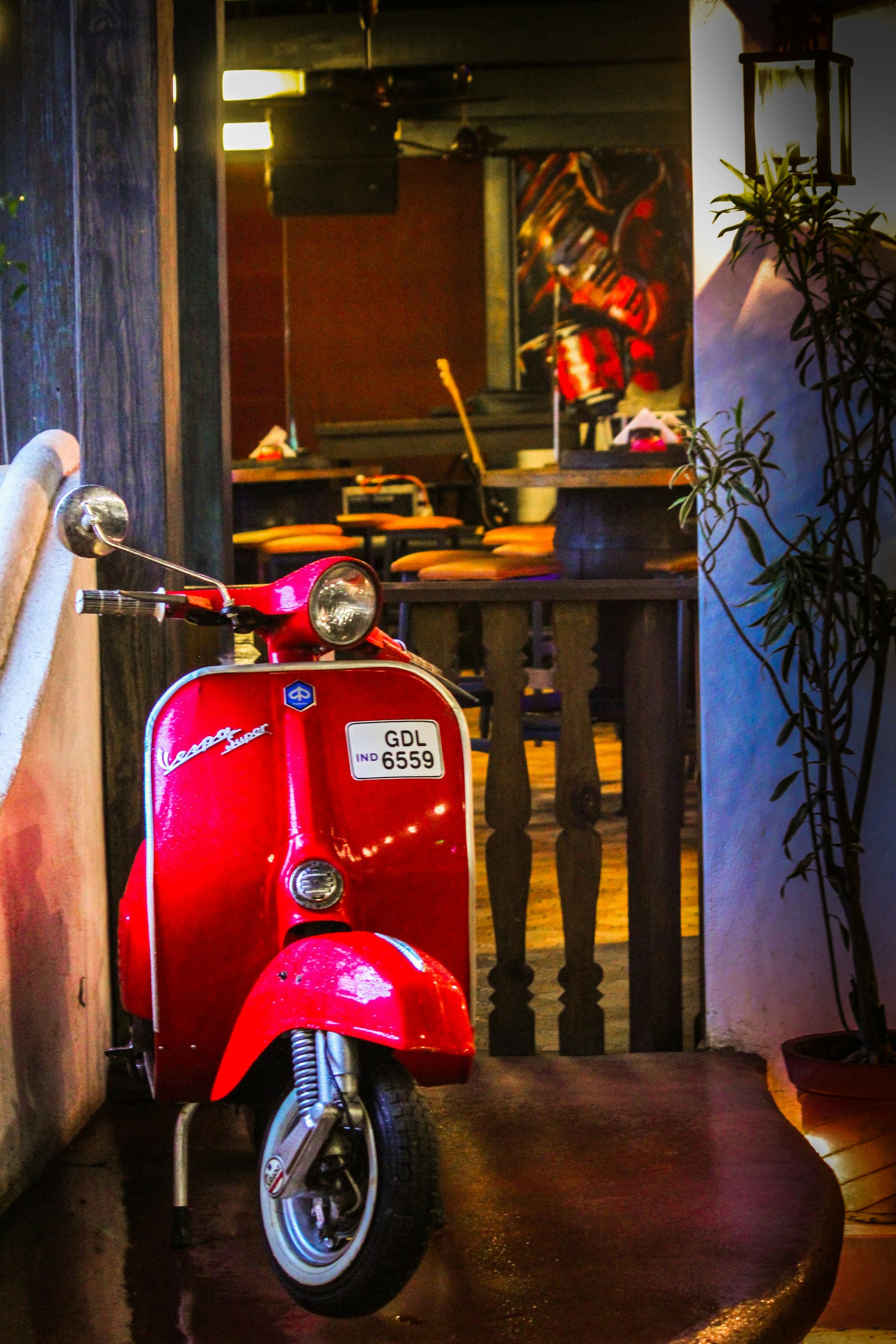
The best way to explore Goa is on two wheels. Rent a scooter or a motorcycle and you’re free to zip through the narrow lanes, visit hidden beaches, and stop wherever you fancy. Rentals are cheap, but remember to carry your international driving license if you’re not an Indian national. If scooting around isn’t your thing, local buses and rickshaws are also available, though less convenient.
3. Safety—Stay Smart
Goa is generally safe for travelers, but as with any destination, it’s important to stay smart. Keep an eye on your belongings, especially in crowded markets and beaches. At night, stick to well-lit areas and avoid walking alone on deserted stretches of the beach. And while Goa’s party scene is legendary, it’s always wise to stay aware of your surroundings and not overindulge.
4. Connectivity—WiFi Woes
While Goa is a popular tourist destination, don’t expect super-fast internet everywhere, especially in more remote areas. Most hostels and cafes offer free WiFi, but the speed can be inconsistent. If you need to stay connected, consider getting a local SIM card with a data plan.
5. Eco-Conscious Travel—Respect the Paradise
Goa’s beauty is undeniable, but it’s also fragile. As a backpacker, it’s important to travel responsibly. Avoid littering, say no to single-use plastics, and be mindful of your environmental impact. Many beaches have initiatives to keep them clean, so consider joining a beach cleanup or supporting local conservation efforts.
Chapter 7: Off the Beaten Path—Hidden Gems
While Goa’s beaches and nightlife are well-known, there’s so much more to discover if you venture off the beaten path.
1. Divar Island—A Slice of Old Goa
Take a ferry ride to Divar Island, and you’ll feel like you’ve stepped back in time. This quaint island, just a short distance from Panjim, is a world away from the bustling beaches. Explore its sleepy villages, baroque churches, and lush paddy fields. It’s a great place to experience Goa’s rich history and rural charm.
2. Tambdi Surla—A Temple in the Jungle
Deep in the Western Ghats, Tambdi Surla is one of the oldest temples in Goa, dating back to the 12th century. The drive through the jungle is an adventure in itself, and the temple’s remote location adds to its mystical allure. Surrounded by dense forest and a flowing river, it’s a serene spot that feels worlds away from the beach scene.
3. Netravali—Trek to the Bubbling Lake
Netravali is a hidden gem in South Goa, known for its natural beauty and trekking opportunities. The highlight is the Bubbling Lake, where volcanic gases cause the water to bubble up in a mesmerizing pattern. The surrounding forest is home to diverse wildlife, making it a great spot for nature lovers and trekkers alike.
4. Saligao—Art and Architecture
Saligao, a small village near Calangute, is known for its beautiful Portuguese-era houses and the stunning Mae De Deus Church. It’s also home to several art galleries and studios, where you can see local artists at work. If you’re interested in Goa’s cultural heritage, Saligao offers a quieter, more introspective side of the state.
Chapter 8: The Backpacker’s Budget—Making It Work
Backpacking in Goa doesn’t have to be expensive. With a little planning and some smart choices, you can stretch your budget and still have an incredible experience.
1. Eat Local, Eat Cheap
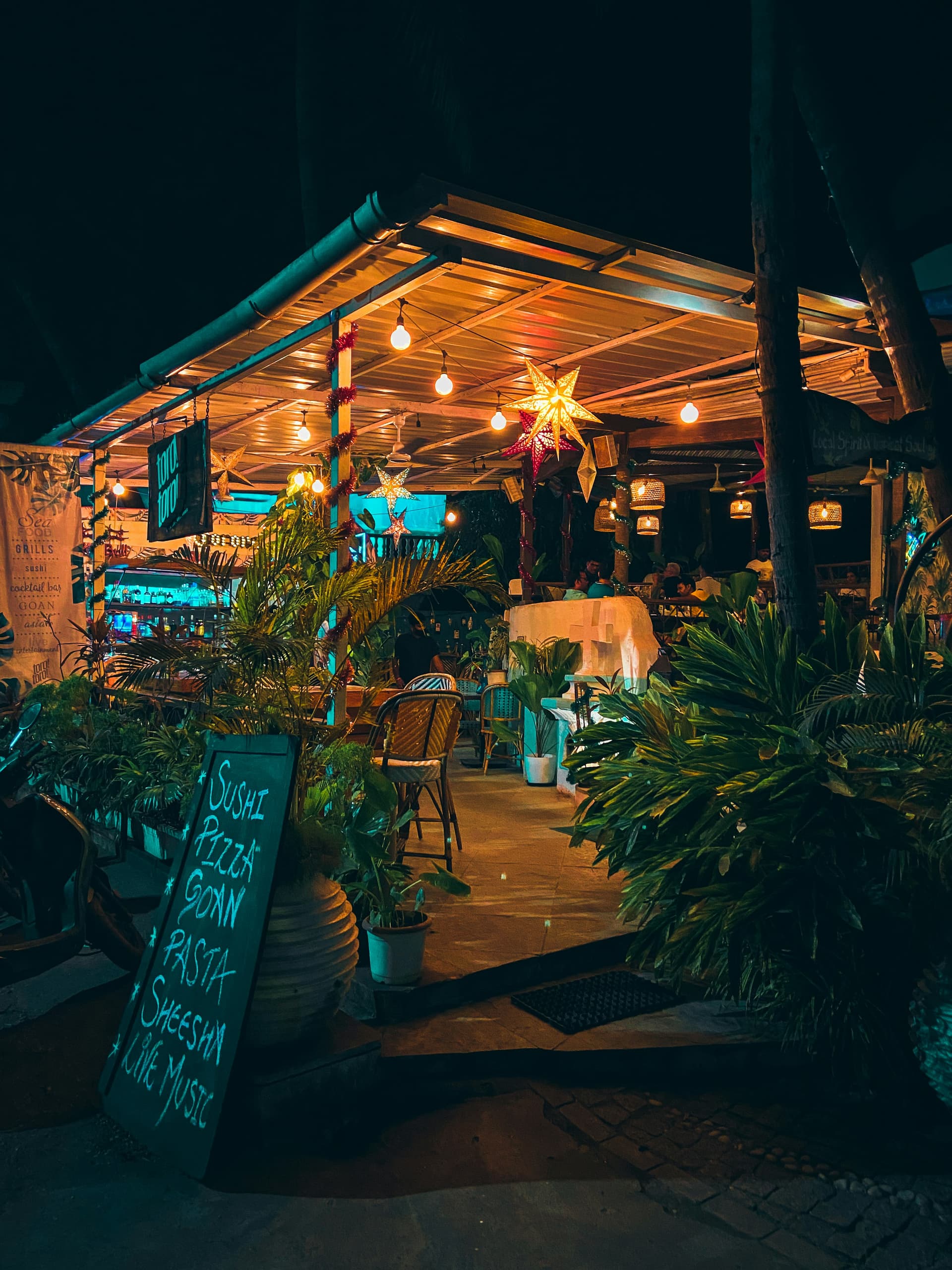
One of the easiest ways to save money is by eating at local eateries and beach shacks. Skip the fancy restaurants and indulge in Goan thalis, street food, and fresh seafood at local joints. A meal at a local shack can cost as little as INR 100-200, and it’s a great way to experience authentic Goan flavors.
2. Haggle, Haggle, Haggle
In Goa, haggling is not just accepted; it’s expected. Whether you’re shopping at the flea markets or renting a scooter, don’t be afraid to negotiate the price. It’s all part of the experience, and you’ll often get a better deal if you’re friendly but firm.
3. Stay Longer, Pay Less
Many guesthouses and hostels offer discounts for longer stays, so if you’re planning to spend a week or more in one place, ask about a lower rate. The longer you stay, the better you get to know the area—and the more you can save.
4. Free and Low-Cost Activities
Goa offers plenty of free and low-cost activities that won’t dent your budget. Explore the beaches, hike to forts, visit the local markets, or simply rent a bike and cruise around the countryside. Many cultural and music events are also free, so keep an eye out for what’s happening locally.
Chapter 9: Leaving a Little Piece of Your Heart in Goa
Backpacking across Goa isn’t just about ticking places off a list; it’s about soaking in the experience, meeting new people, and discovering a part of India that’s both laid-back and vibrant. Whether you’re dancing on the beaches of Anjuna, exploring the hidden corners of South Goa, or just chilling in a hammock with a feni in hand, Goa has a way of getting under your skin.
As you pack your bags and prepare to leave, you’ll likely find that Goa has left a little piece of itself in your heart. And no matter where your travels take you next, the memories of sun-soaked days, starry nights, and the warm Goan spirit will stay with you.
So, until next time—Susegad, and safe travels!