
Culture
Hippie isn't a word, it is a culture in Goa!
7 minutes
13th August 2024
by Shakti Iyer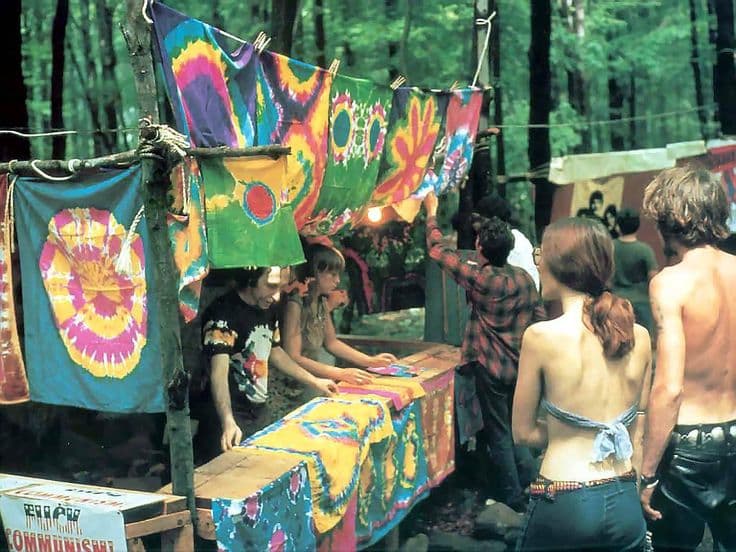
The Hippie Vibes of Goa: Where Peace, Love, and Psytrance Reign Supreme
Ah, Goa! The land where the sun kisses the sea, coconut trees sway to the rhythm of the breeze, and time seems to slip through your fingers like the grains of golden sand. But there’s something more to this coastal paradise than just its scenic beauty—Goa is the heartbeat of India’s hippie culture, a place where free spirits from around the world converge in a kaleidoscope of colors, music, and mysticism.
The Roots: How It All Began
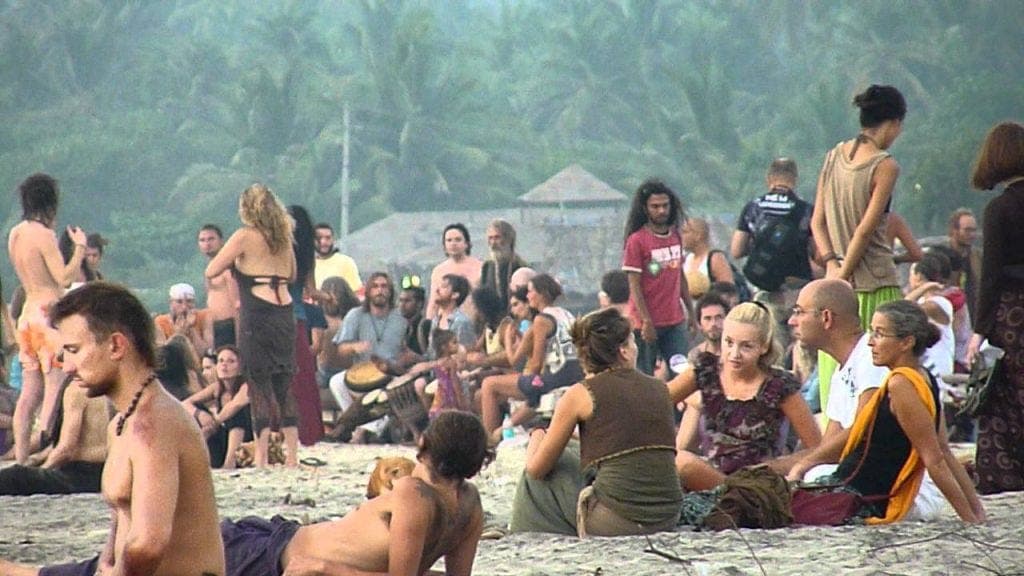
Back in the 1960s and 70s, when the world was going through a cultural revolution, a group of travelers—rebels, dreamers, and seekers—found their way to Goa. Drawn by its laid-back vibe, beautiful beaches, and a promise of freedom, these wanderers were the original hippies. They traded the structured life of the West for the untamed shores of India, and thus, the hippie culture in Goa was born. It wasn’t just the beaches that beckoned; it was the promise of something deeper—a spiritual awakening. Goa became a sanctuary for those who were disillusioned with the material world. The hippies came in search of enlightenment, experimenting with yoga, meditation, and, of course, a little bit of that ‘herbal’ inspiration. The mix of Eastern spirituality with Western rebellion created a unique subculture that is still alive and kicking today.
The Hippie Aesthetic: Feathered Headbands and Tie-Dye Sarongs
If you’ve ever walked down the flea markets of Anjuna or Arambol, you’d know that Goa has its own dress code. Forget the designer labels and tailored suits; here, it’s all about comfort, creativity, and a splash of boho chic. Think tie-dye sarongs, feathered headbands, flowy dresses, and chunky jewelry. The more eclectic, the better.
The aesthetic isn’t just about fashion; it’s a statement. It’s about rejecting the mainstream and embracing individuality. You’ll see people with dreadlocks, henna tattoos, and piercings, all of which tell stories of their journeys and the cultures they’ve encountered. And let’s not forget the music! Psytrance beats pulse through the air, creating an otherworldly soundtrack that perfectly complements the free-spirited vibe.
The Beaches: Hippie Havens and Spiritual Retreats
Goa’s beaches are more than just sandy shores; they’re sanctuaries for the soul. Each beach has its own personality, attracting different kinds of hippies.
Anjuna Beach is perhaps the most iconic. Once the epicenter of the hippie movement, it’s where the original flower children would gather to watch the sunset, play guitars, and dance around bonfires. Even today, Anjuna retains its bohemian charm. The Wednesday flea market is a treasure trove of hippie paraphernalia—vintage clothing, handcrafted jewelry, incense, and more. And if you’re in the mood for a rave, Anjuna’s beach shacks transform into pulsating party zones as the night sets in.
Arambol Beach, on the other hand, is the spiritual soul of Goa. It’s quieter, more introspective, and perfect for those looking to reconnect with themselves. Morning yoga sessions on the beach, meditation circles, and drum circles at sunset are common sights here. Arambol is where you go to find your tribe—a community of like-minded souls who share your love for peace, love, and good vibes.
Palolem Beach offers a more laid-back, yet vibrant, hippie experience. Known for its serene beauty and crescent shape, it’s a place where you can lose track of time. The famous Silent Noise parties here are a must-experience, where revelers dance to the beats of DJs through wireless headphones under the starry sky—a blend of modernity and the old-school hippie spirit.
The Psytrance Scene: Goa’s Heartbeat
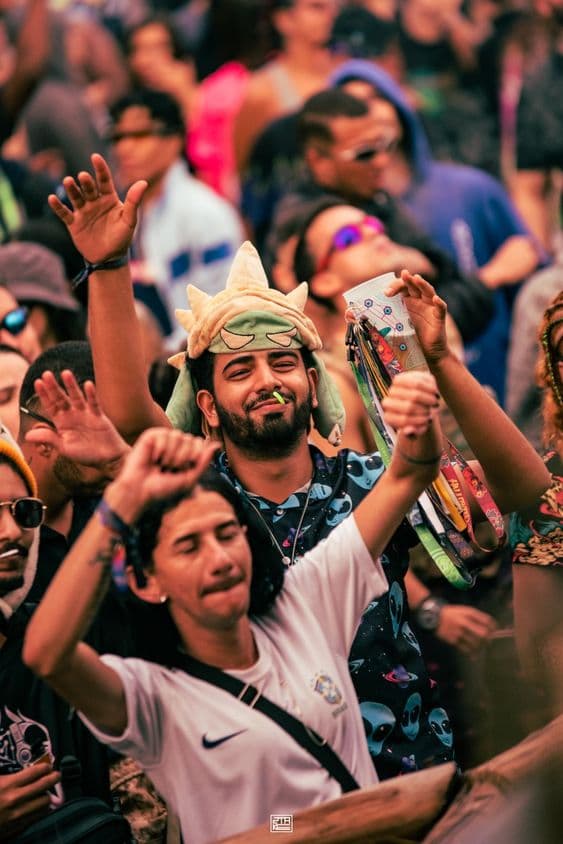
No discussion about Goa’s hippie culture is complete without mentioning its legendary psytrance scene. This is where the hippie culture truly finds its groove. Psytrance, short for psychedelic trance, is more than just a genre of music; it’s a lifestyle, a movement, a way to transcend the mundane.
The origins of Goa’s psytrance scene can be traced back to the early 80s when DJs started experimenting with electronic music, blending it with traditional Indian sounds. The result? A hypnotic, mind-bending genre that perfectly complements the hippie ethos of peace, love, and unity.
Today, Goa is the global capital of psytrance. Every year, thousands of people flock to the state for its music festivals like Sunburn and Hilltop, where they can dance till dawn under the open sky. The music is fast, the beats are relentless, and the energy is infectious. It’s not just about the music; it’s about losing yourself in the rhythm, connecting with others on a deeper level, and experiencing a collective euphoria.
Leave the planning to a local expert
The Spiritual Quest: Yoga, Meditation, and Mind Expansion
Beyond the beaches and the music, there’s another side to Goa’s hippie culture—its spiritual dimension. For many, Goa is a place of healing, a place to cleanse the mind, body, and soul. Yoga retreats, meditation centers, and Ayurvedic healing centers dot the landscape, offering a refuge for those seeking inner peace.
Whether you’re a seasoned yogi or a curious beginner, Goa has something for everyone. The beaches are lined with yoga shalas where you can practice your asanas with the sound of the waves as your backdrop. Many of these centers also offer workshops on meditation, breathwork, and even more esoteric practices like crystal healing and chakra balancing.
And let’s not forget the influence of the East. Goa is a melting pot of cultures, and the hippie movement here is deeply influenced by Indian spirituality. The teachings of gurus like Osho, Ram Dass, and Maharishi Mahesh Yogi have left a lasting impact on the community, infusing the hippie culture with a sense of purpose and depth.
The Flea Markets: Shopping with a Side of Philosophy
If you’re looking for a slice of Goa’s hippie culture to take home with you, the flea markets are where you’ll find it. These aren’t your typical markets; they’re a sensory overload of colors, smells, and sounds. Each stall tells a story—of the artist who made the jewelry, the tailor who stitched the clothes, or the traveler who collected the artifacts.
The Anjuna Flea Market is legendary. What started as a small gathering of hippies selling their wares in the 70s has now grown into a sprawling bazaar. Here, you’ll find everything from tie-dye t-shirts and handwoven bags to incense, tarot cards, and trippy artwork. But it’s not just about shopping; it’s about the experience. As you wander through the stalls, you’ll hear snippets of conversation—discussions about the meaning of life, debates about the best yoga practices, and the occasional argument over the price of a didgeridoo.
Then there’s the Arambol Beach Market, a smaller, more intimate affair. This market is as much about community as it is about commerce. It’s where local artisans, expats, and travelers come together to showcase their creations. There’s a sense of camaraderie here, a feeling that everyone is part of a larger, global tribe.
The Future: The Hippie Spirit Lives On
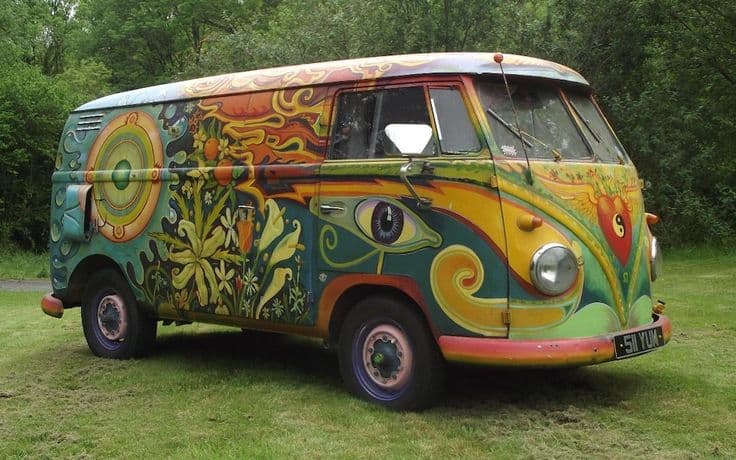
While the world outside changes at a breakneck pace, Goa remains a haven for those who march to the beat of their own drum. The hippie culture here has evolved over the decades, but its core remains the same—freedom, love, and a deep connection to the world around us.
In a world that often feels chaotic and disconnected, Goa’s hippie culture offers a glimpse of something different. It’s a reminder that life doesn’t have to be a race, that it’s okay to slow down, take a deep breath, and just be. Whether you’re drawn to the beaches, the music, the spirituality, or the community, there’s something in Goa for every free spirit.
So, pack your bags, leave your worries behind, and come to Goa. Embrace the hippie within you, dance to the psytrance, and let the waves wash over your soul. In Goa, every day is a celebration of life, love, and the endless possibilities that come with living in the moment.