
Gwalior Fort
.jpg&w=1920&q=75)
Overview
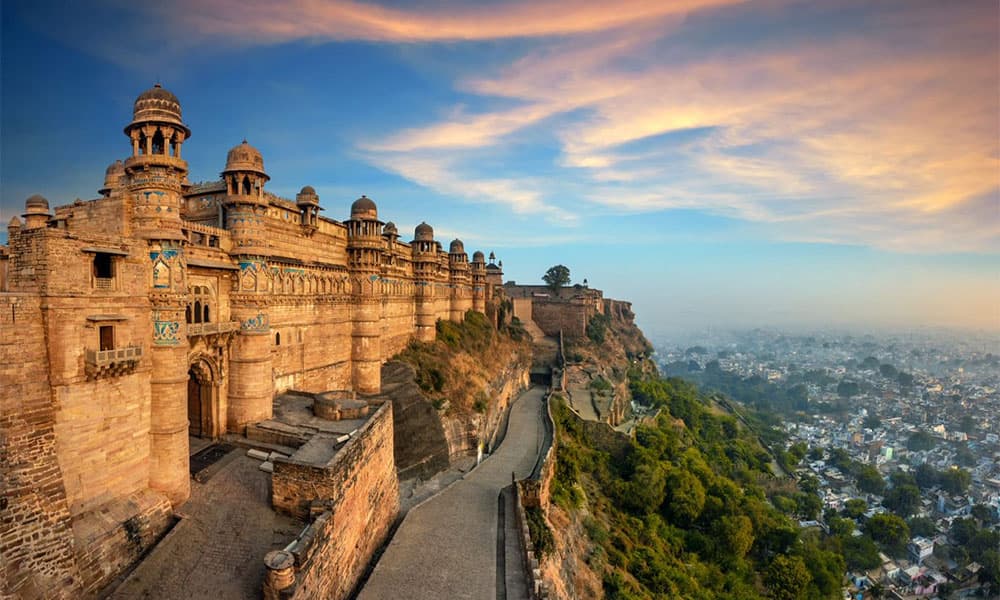
Gwalior Fort, often hailed as the pearl among fortresses in India, is a stunning testament to the rich history and architectural grandeur of the region. Dominating the city’s skyline, this formidable structure perches on a rocky hilltop, offering panoramic views of Gwalior and its surroundings. With a history that stretches back over a thousand years, Gwalior Fort has witnessed the rise and fall of many dynasties, each leaving an indelible mark on its architecture and legacy.
Label: Must Visit
How to reach: By road
Timings: 9 AM to 6 PM
Time Required: 1 Hour
Entry Fee: None
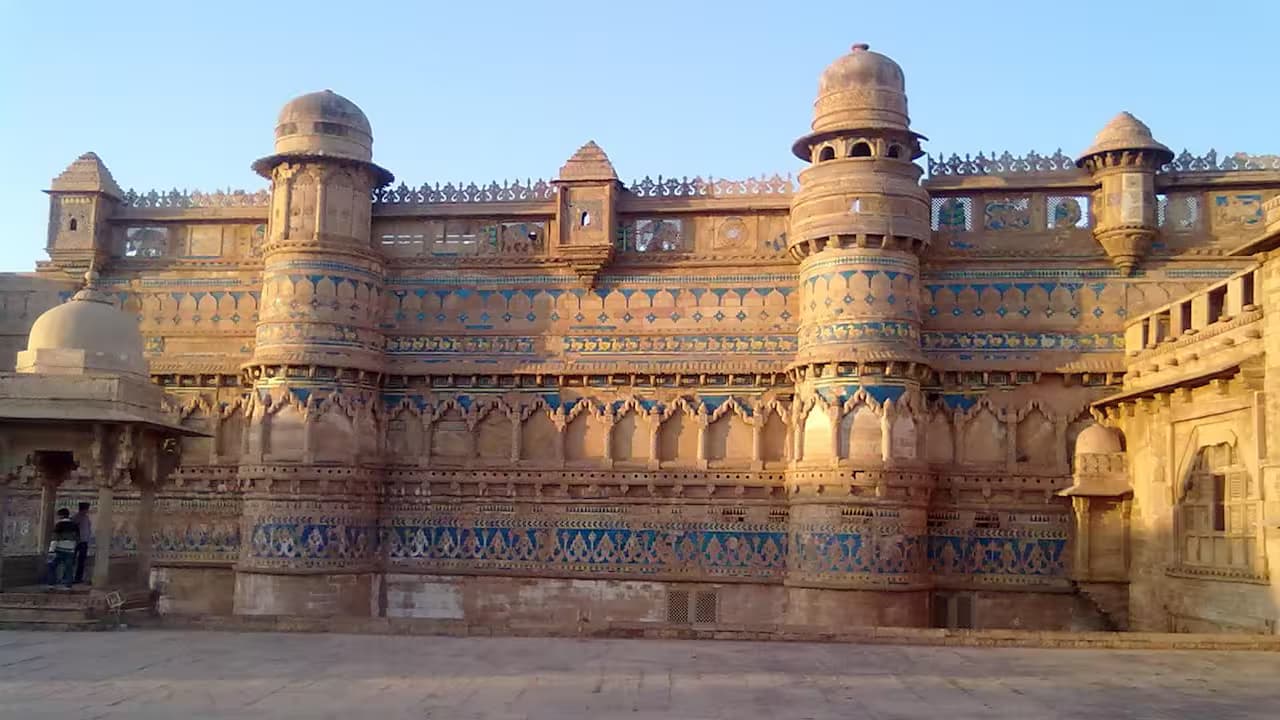
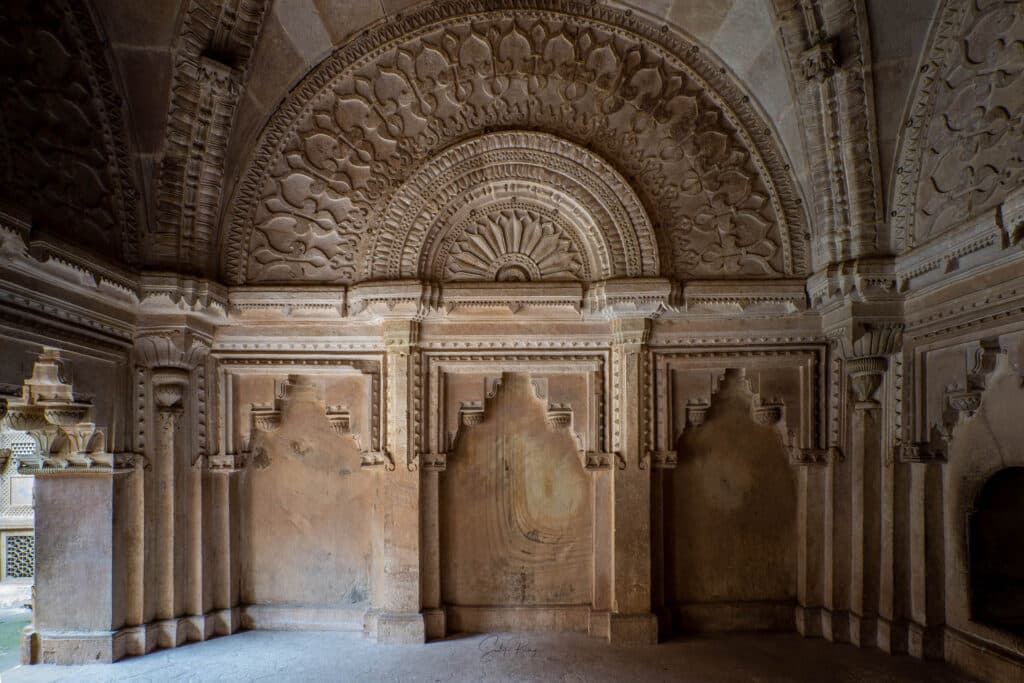
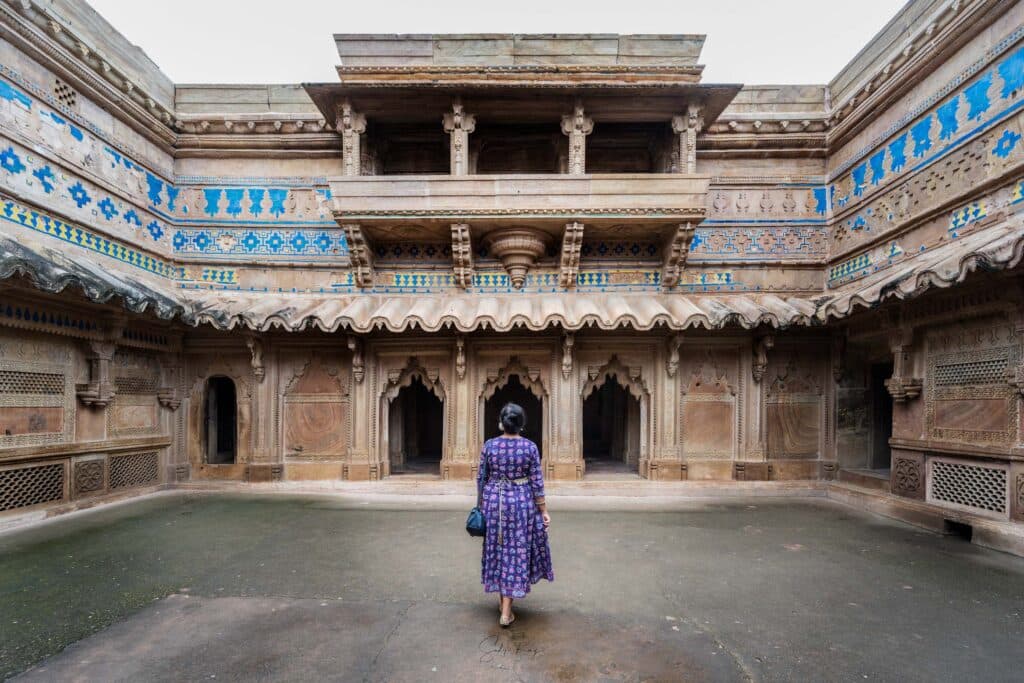
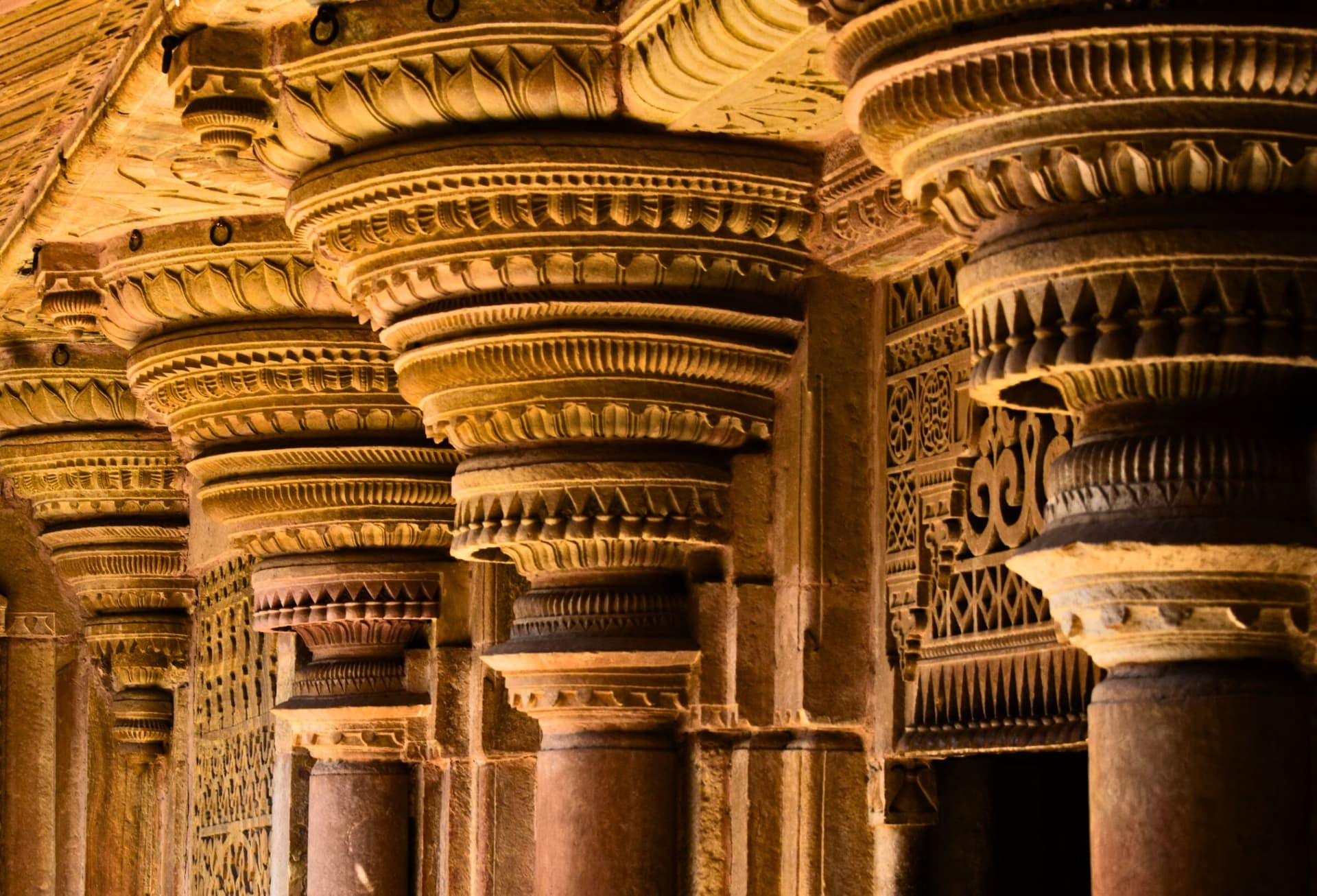
The fort's massive walls, extending over 2.4 kilometers, enclose a treasure trove of palaces, temples, and monuments. The most notable among these is the Man Singh Palace, an architectural marvel built by Raja Man Singh Tomar in the 15th century. This palace, often referred to as the Chit Mandir or Painted Palace, is renowned for its ornate blue-tiled facade and intricate carvings. Inside, you’ll find a maze of rooms, courtyards, and underground passages, each reflecting the opulence of the era.
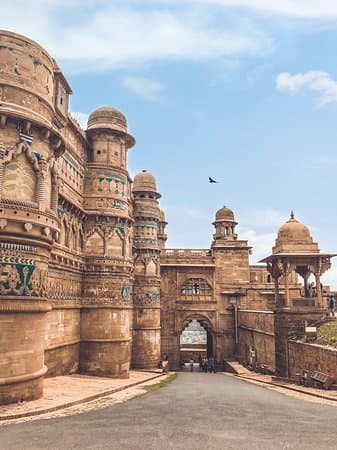
Another gem within the fort is the Gujari Mahal, a palace built by Raja Man Singh for his beloved queen, Mrignayani. Today, it houses an archaeological museum with a rich collection of artifacts, including rare sculptures, inscriptions, and coins that offer a glimpse into the region’s storied past.

Leave the planning to a local expert
The fort is also home to several ancient temples, the most famous being the Sas Bahu (Sahastrabahu) Temples, dedicated to Lord Vishnu. These temples, built in the 11th century, are architectural masterpieces with intricate carvings depicting scenes from Hindu mythology. The fort’s highest point, the Teli Ka Mandir, is another must-visit. This 9th-century temple combines Dravidian and North Indian architectural styles, creating a unique and awe-inspiring structure.