Food
7 Best Famous & Traditional Foods in Hampi
3 min 24 sec
19th July 2024
 by Shethana P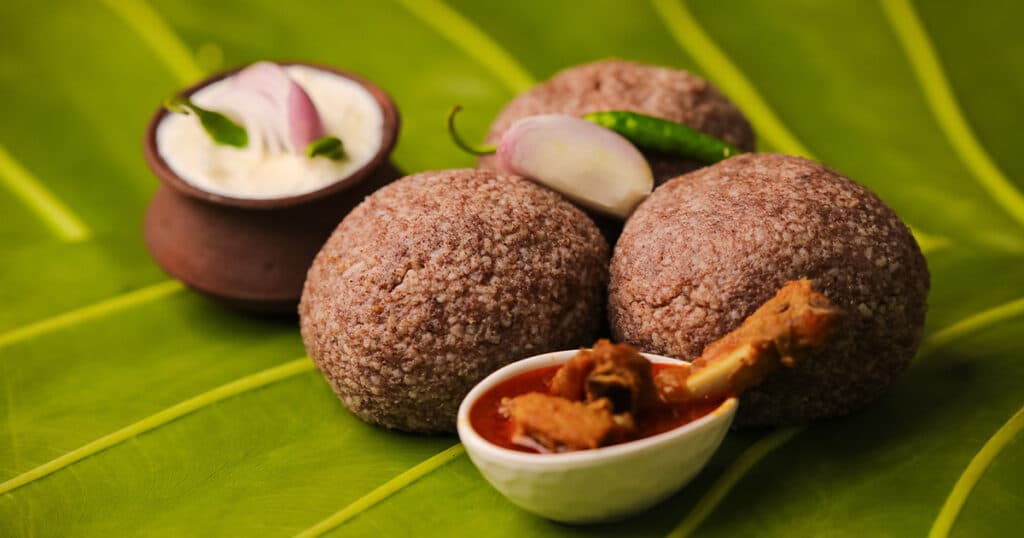
A Culinary Guide
Hampi’s traditional food falls under the category of famous and delicious South Indian cuisine, featuring vegetarian dishes. These dishes offer a vibrant array of flavorful and wholesome options that capture the essence of Karnataka's rich heritage exclusive to Hampi. From crispy Paddu to the comforting Bisi Bele Bath, Hampi’s food scene is a delightful journey for your taste buds. Most of the dining spots are concentrated at the Hampi Bazar. Traditional food includes sponge-soft idli & ghee-splashed crispy dosas continuing the menu with Thali and Raggi mude dipped in spicy sprout curry for lunch.
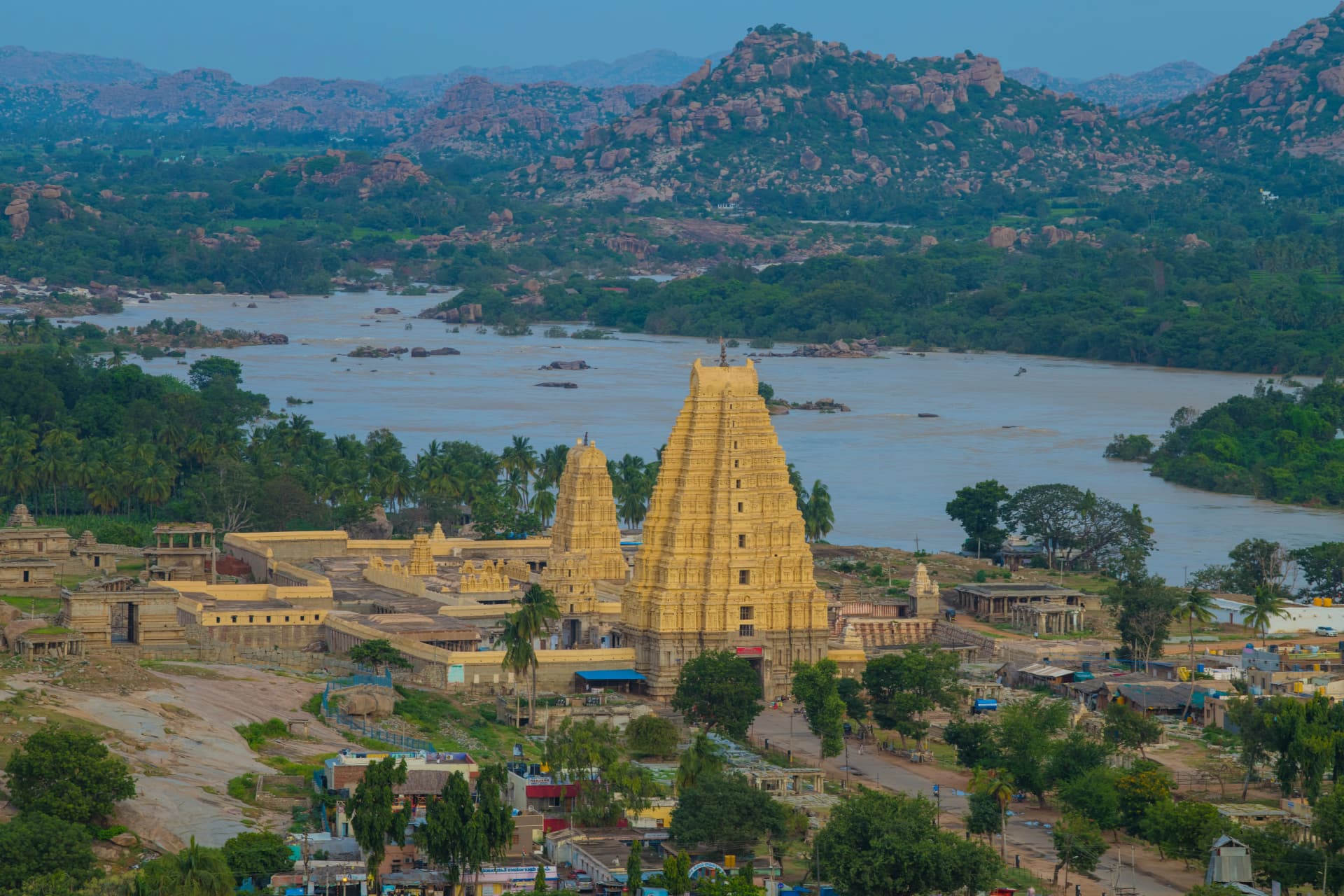
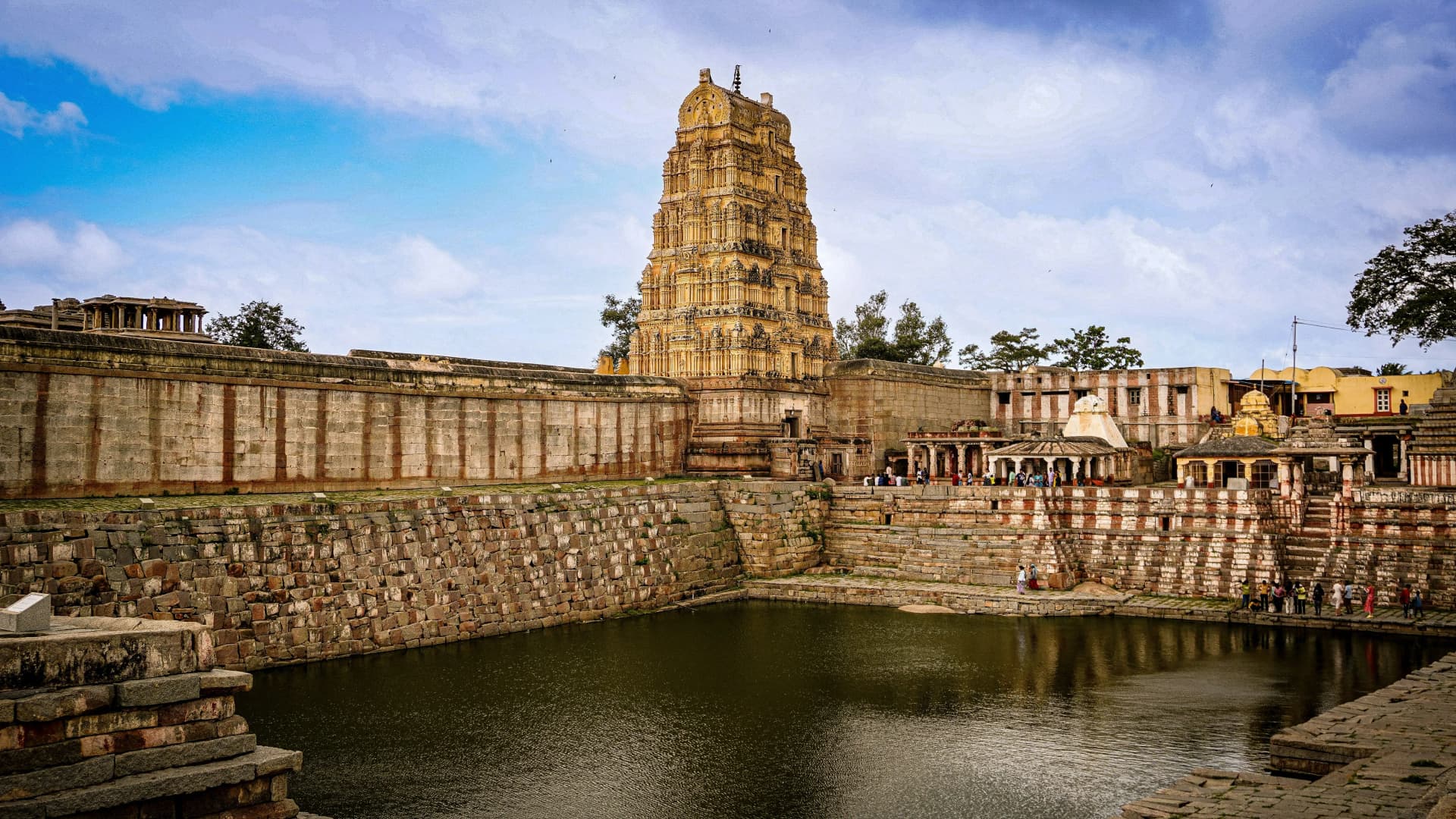
Welcome, vegetarians! Almost all the local dishes are veg but you still can opt for non-veg in the Hippie island which is away from the temple and heritage site. When you walk down from Virupaksha temple from the Hampi bus stand, either side of this place has the best restaurants to serve delicious breakfast and lunch like the Bhavani Hotel and Sri Venkateswara Restaurant. If this place is crowded, especially during the peak hours then walk ahead and you’ll reach the riverside which has a row of the best hotels and also at affordable prices. A plate of hot idli dipped in sambar accompanied by a cup of filter coffee or chai is the best breakfast option. Here are the 7 famous traditional foods served in Hampi -
#1. Paddu
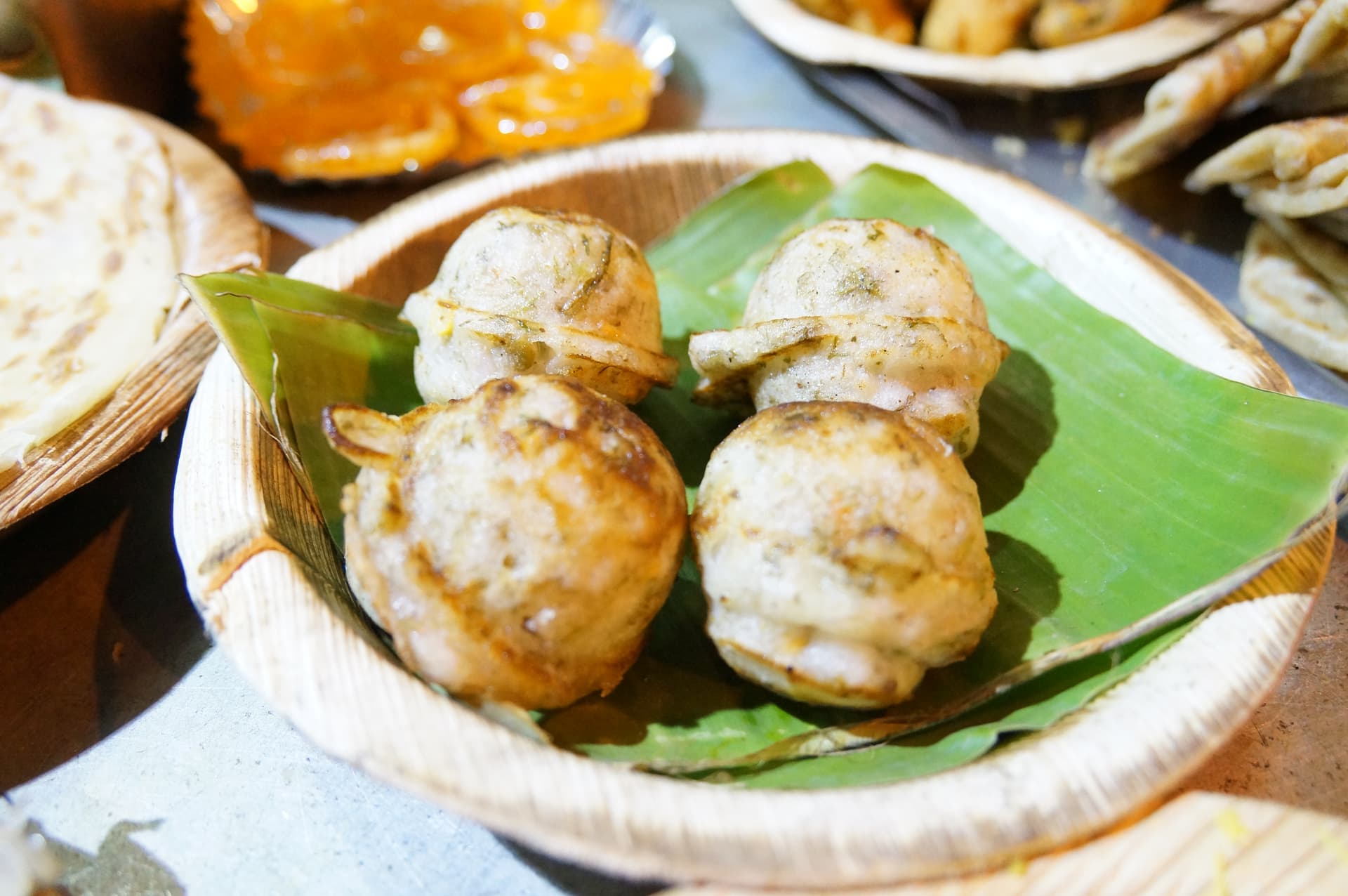
Also known as Guliyappa in Telugu, and Paniyaram in Tamil, is a beloved breakfast delicacy in Southern India. This savory dish is made from a fermented batter of rice and urad dal (black gram), similar to the batter used for making dosa or idli. What sets paddu apart is its unique cooking method and shape, achieved using a special paddu pan with multiple small, rounded molds.
The batter is mixed with finely chopped onions, green chilies, coriander leaves, and a hint of grated ginger imparting a burst of flavor. Cooking paddu requires a paddu pan, which is heated and lightly greased with oil. The batter is poured into the molds, and the paddus are cooked on a medium flame until they turn golden brown and crisp on the outside, while remaining soft and spongy inside. Isn’t that tempting? Paddu is typically served hot with coconut chutney, sambar, or tangy tomato chutney, making it a wholesome and delicious breakfast option. Its crispy exterior and soft interior, combined with the aromatic flavors of the added spices and herbs, make paddu a cherished dish in Karnataka’s culinary repertoire.
#2. Jolada Rotti
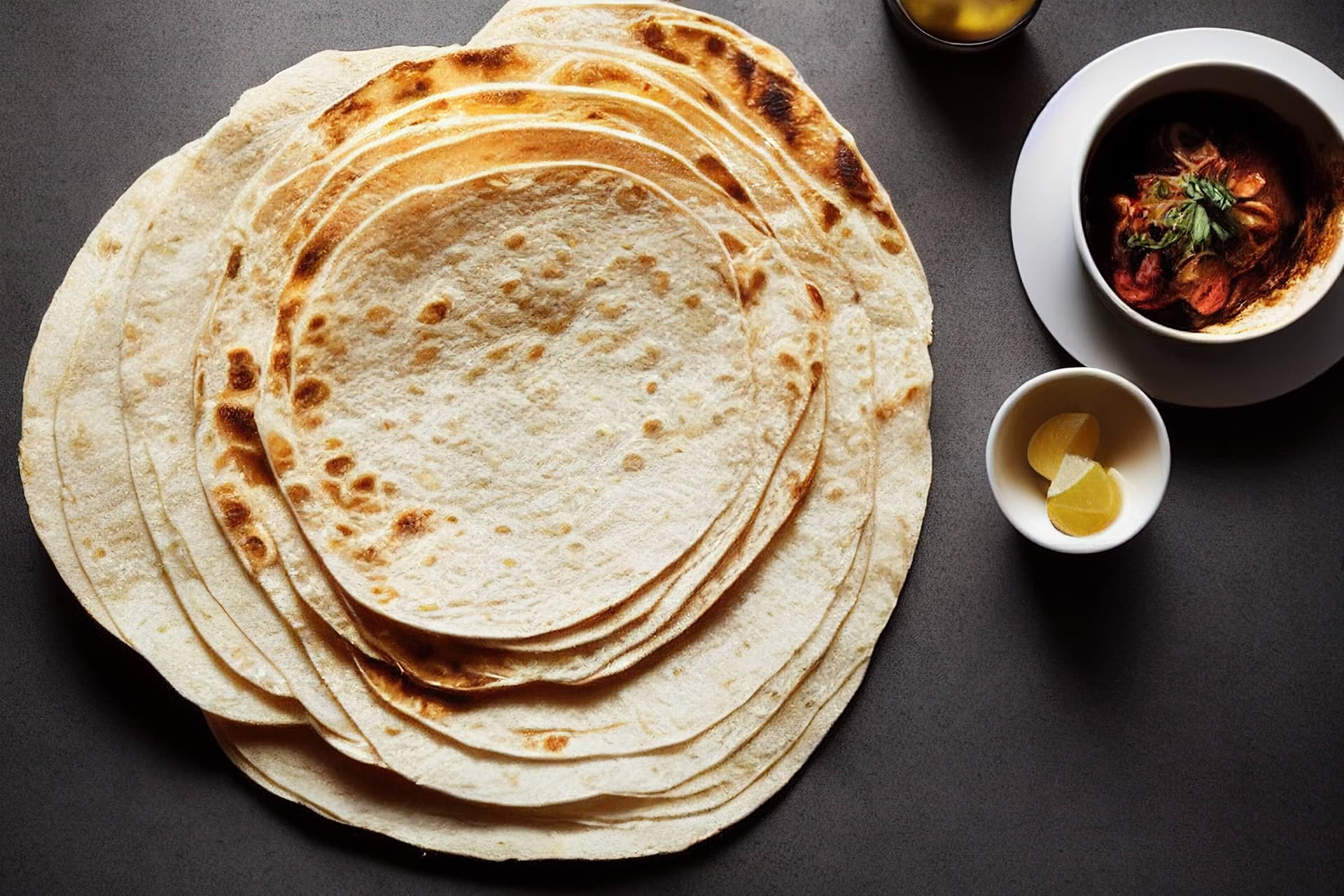
Jolada Rotti - Courtesy of Photographer
Famous North Karnataka dish, holds a special place in the heart of Hampi, Made from jowar (sorghum) flour, Jolada Rotti is a nutritious and gluten-free flatbread that is a staple in the region’s cuisine. The process of making Jolada Rotti begins with kneading jowar flour with hot water to form a smooth dough. This dough is then divided into small balls, which are flattened and rolled out into thin, round rotis using a rolling pin or by patting them between the palms. Cooking these rotis on a hot griddle requires skill and patience, as they are carefully roasted until golden brown and slightly puffed, often aided by gentle presses with a cloth or spatula to ensure even cooking.
In Hampi, Jolada Rotti is traditionally served with a variety of accompaniments that highlight the region’s flavors. It pairs beautifully with spicy curries such as ennegai (stuffed eggplant), pulse-based dishes, and chutneys made from peanuts, sesame seeds, or coconut. Slice of butter on the hot-served rotti to enhance its flavor!
Bisi Bele Bath
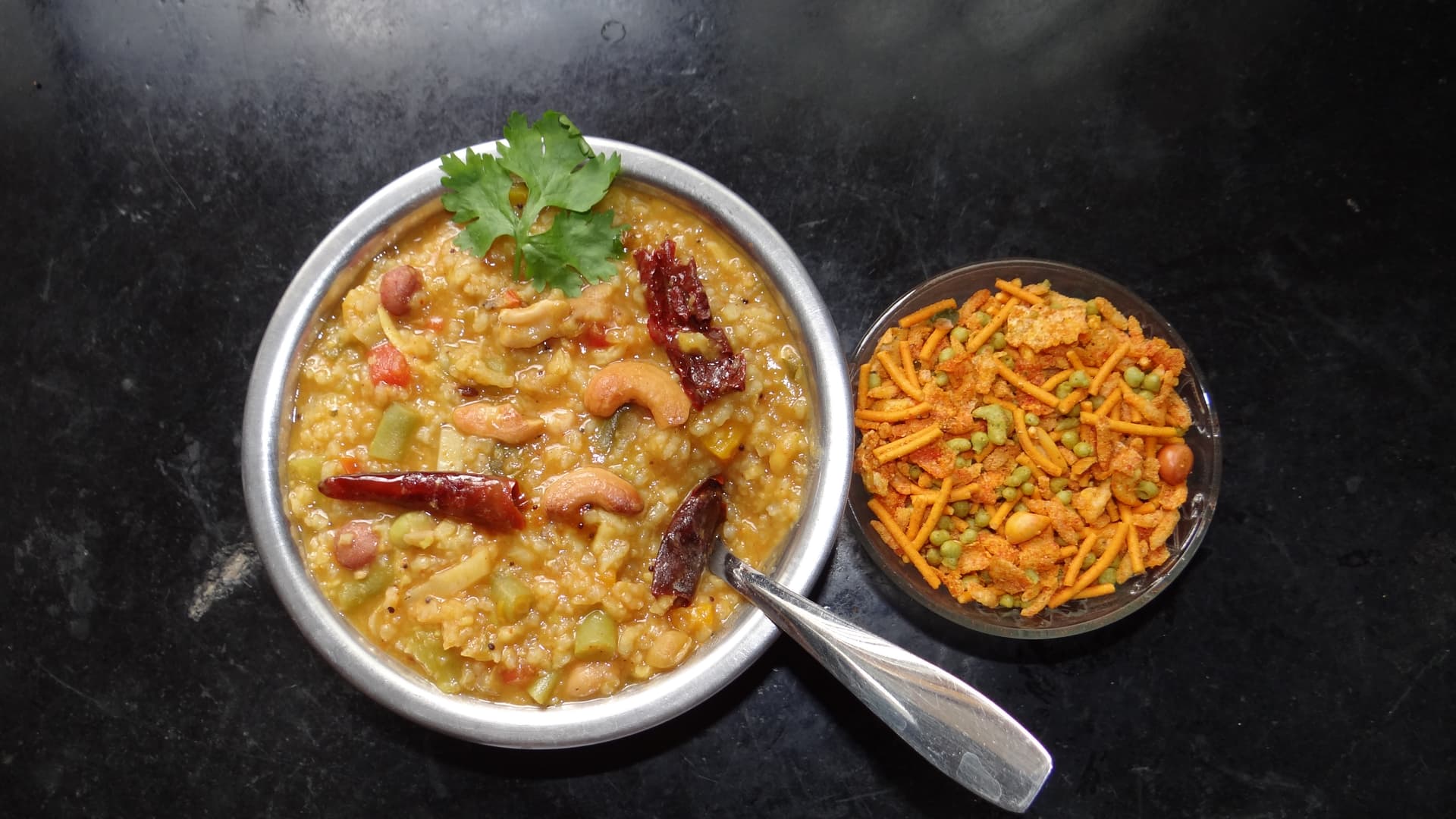
A beloved traditional dish from Karnataka, known for its rich, hearty flavors and wholesome ingredients. The name "Bisi Bele Bath" translates to "hot lentil rice," describing its key components and the comforting warmth it brings. This dish is a delightful amalgamation of rice, lentils, vegetables, and aromatic spices, creating a symphony of flavors that is both satisfying and nourishing. The preparation of Bisi Bele Bath begins with cooking rice and toor dal (split pigeon peas) until they are soft and mushy. Separately, a variety of vegetables such as carrots, beans, peas, and potatoes are sautéed and cooked until tender. The heart of this dish lies in the freshly ground Bisi Bele Bath masala, a spice blend made from roasted coriander seeds, dried red chilies, coconut, cinnamon, cloves, and other spices. This masala, combined with tamarind pulp and jaggery, gives the dish its distinctive tangy and mildly sweet flavor profile.
This dish is garnished with fresh coriander leaves and served hot, often accompanied by boondi (crunchy gram flour drops).
#4. Ragi Mudde
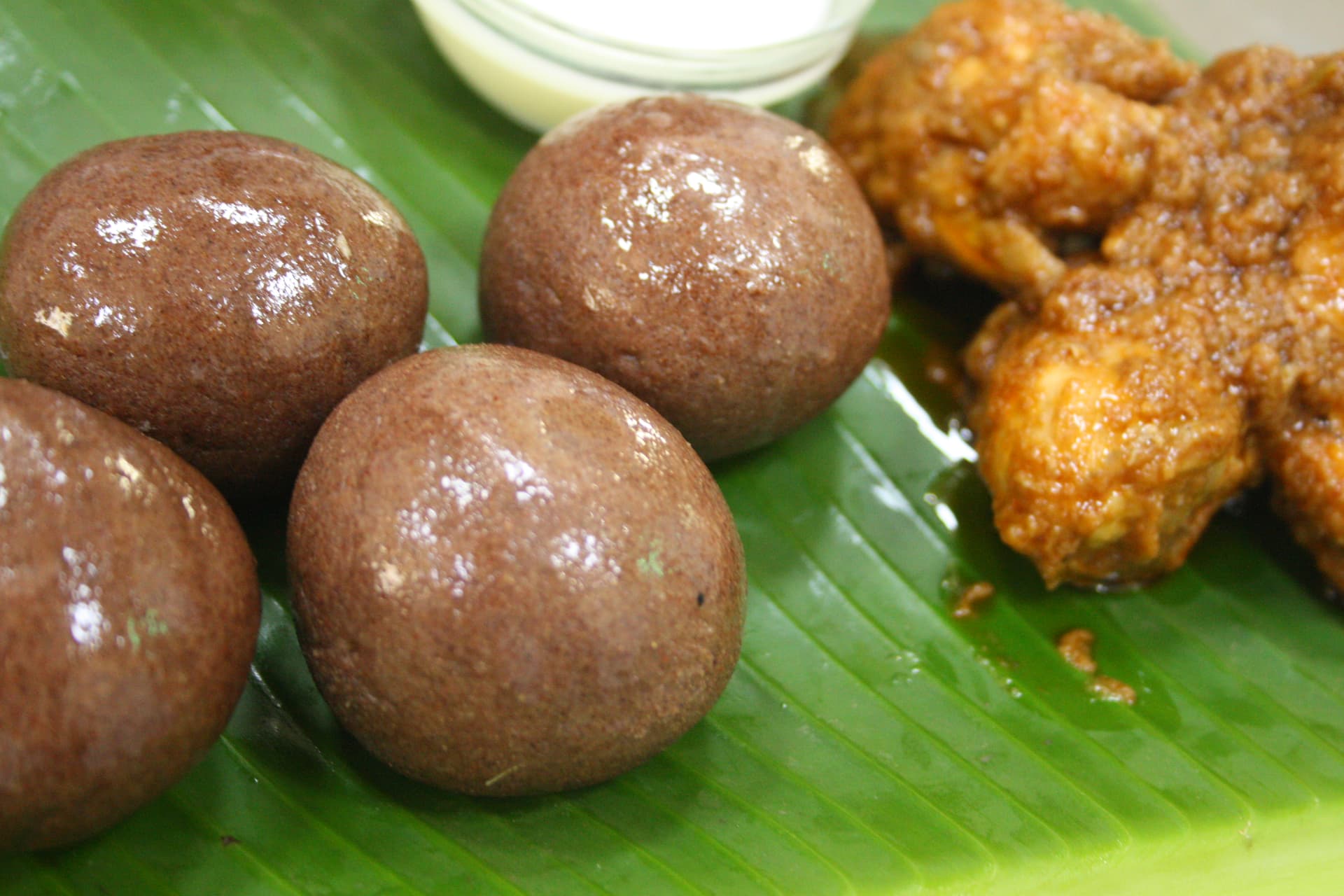
Ragi Mudde - Courtesy of Photographer
No wonder our ancestors are this strong! Ragi Mudde is a staple food in rural Karnataka that holds high nutritional benefits and simplicity. Made from finger millet flour, known as ragi, this dish is a powerhouse of micronutrients like calcium, iron, and dietary fiber, making it an excellent choice for maintaining bone health and supporting digestion. The preparation of Ragi Mudde is straightforward yet requires a bit of skill. The process begins with boiling water in a pot, to which a pinch of salt is added. Ragi flour is then gradually introduced into the boiling water, stirring continuously to avoid lumps. The mixture is cooked until it forms a smooth, thick dough, which is then shaped into balls.
Ragi Mudde is typically served with a variety of accompaniments, the most popular being spicy sambar, bassaru (a type of vegetable and greens broth), or meat curries. The best part about eating this food is that it doesn't need to be chewed; it can simply be swallowed.
#5. Neer Dosa
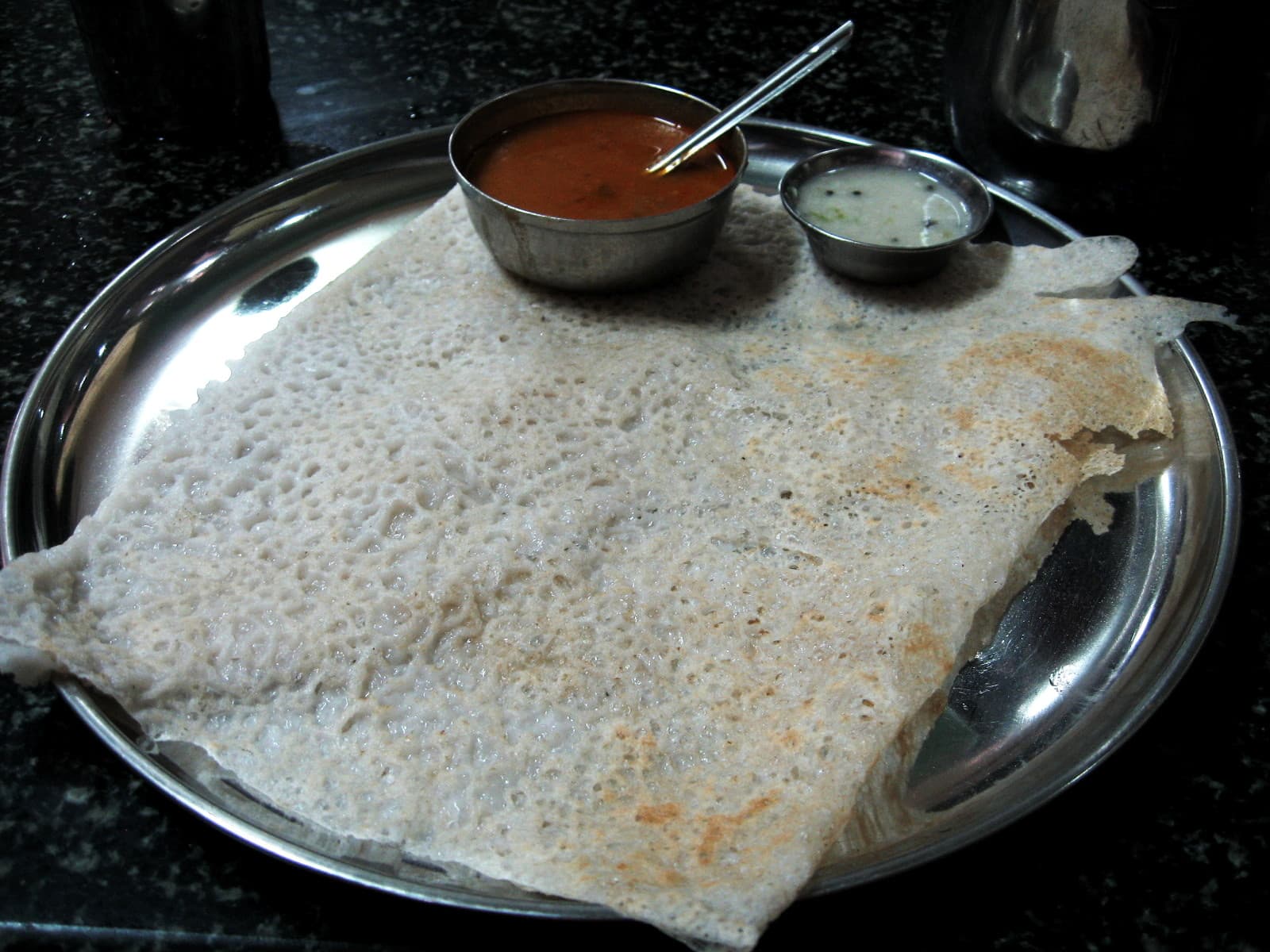
Neer Dosa - Courtesy of Photographer
Water dosa! A traditional delicacy from the coastal region of Karnataka, the name "Neer Dosa" translates to "water dosa" in Kannada, describing the batter's watery consistency, which is key to achieving its characteristic thinness and softness.
The preparation of Neer Dosa is similar to the batter prepared for idli and dosa but the fine batter is grined with plenty of water, creating a thin, almost watery mixture. Unlike other dosa batters, Neer Dosa batter does not require fermentation, making it quick and convenient to prepare. Cooking Neer Dosa involves pouring a ladleful of the thin batter onto a hot, greased pan or skillet and spreading it evenly to form a thin, lace-like crepe. The dosa cooks quickly, requiring only a few moments, which is then gently folded and served. Neer Dosa is often enjoyed with a variety of accompaniments, such as coconut chutney, tangy tomato chutney, or spicy chicken curry. Its mild flavor and delicate texture make it a versatile dish that pairs well with both vegetarian and non-vegetarian sides. This dish seems to be easy to cook but it’s tricky while cooking.

Leave the planning to a local expert
#6. Maddur Vada
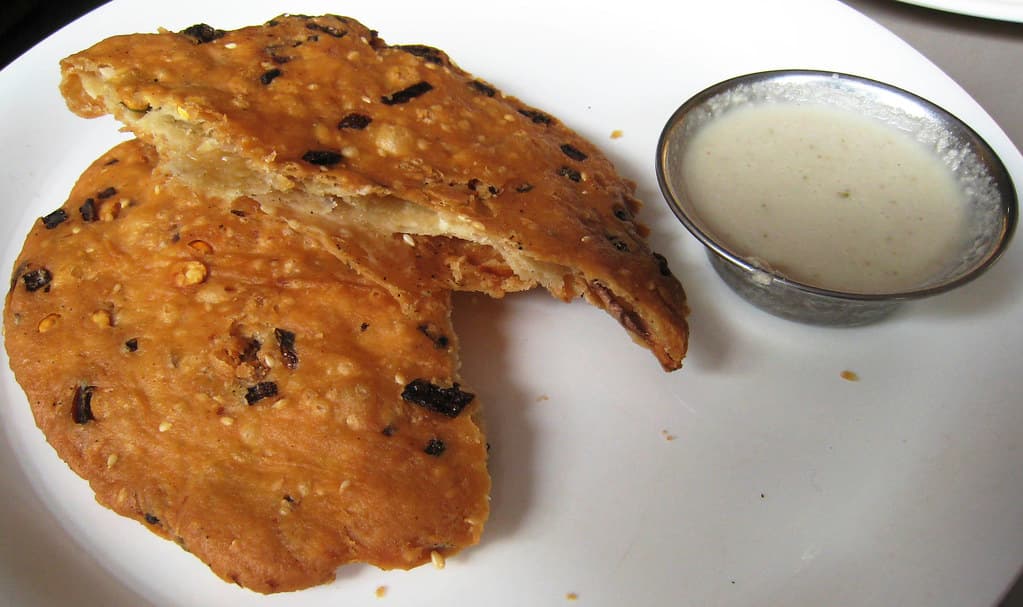
Maddur Vada - Courtesy of Photographer
Maddur Vada, a popular snack from Karnataka, a delicious savory treat is well-loved for its crispy exterior and soft, flavorful interior, making it a perfect accompaniment to a cup of hot chai. The preparation of Maddur Vada involves a mix of rice flour, semolina (rava), and all-purpose flour (maida). To this dry mixture, finely chopped onions, curry leaves, grated coconut, green chilies, and a hint of asafoetida (hing) are added for a burst of flavor. These ingredients are bound together with a bit of water to form a firm dough. Small portions of the dough are then shaped into flat, round patties. Frying these patties in hot oil until golden brown results in Maddur Vada’s signature crispy texture.
Maddur Vada is often enjoyed on train journeys between Bangalore and Mysore, where vendors sell this irresistible snack to hungry travelers. Sometimes best accompanied by spicy coconut chutney and tangy tomato sauce.
#7. Vegetarian Thali
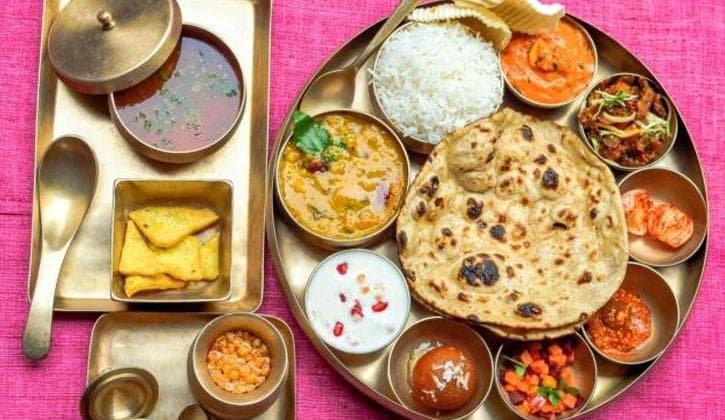
Vegetarian Thali - Courtesy of Photographer
Lastly! Veg thali provides a wholesome and balanced meal that reflects the region’s agricultural bounty and culinary traditions. A typical Hampi vegetarian thali is an elaborate platter featuring an array of dishes that together create a harmonious balance of tastes, textures, and colors. It often includes staples such as steamed rice or chapatis, accompanied by a variety of curries, dals, and sambar. Each of these dishes is meticulously prepared using fresh, locally sourced vegetables and aromatic spices, ensuring a burst of authentic flavors in every bite. A traditional thali will also include a variety of chutneys, pickles, and yogurt to enhance the meal. Popular sides such as kosambari (a refreshing salad), palya (stir-fried vegetables), and majjige huli (a yogurt-based curry) are commonly featured. Additionally, crispy papads and vadas add a delightful crunch to the meal. How can a Thali be complete without a dessert? Check out the next blog which narrates the stories of local desserts in Hampi from Backpackers United.
Last Bitez!
After all the sightseeing and visiting temples pick and choose the best restaurant and try tasting the above-mentioned Hampi - famous traditional foods. Yes, these are all veg options but that's the specialty of this religious place. Most of the restaurants serve dishes with top-notch taste and proper hygiene just like the food served at home. Though the mentioned lists are all vegetarian they are highly nutritious and healthy. If you’re still not convinced then you’re always welcome to Hippie Island where you’ll find Indian, Asian, and International cuisines. Check out more blogs about the culture, food, and more about Hampi.