Culture
Hampi A Journey Through Time and Culture
3 min
18th July 2024
 by Shethana P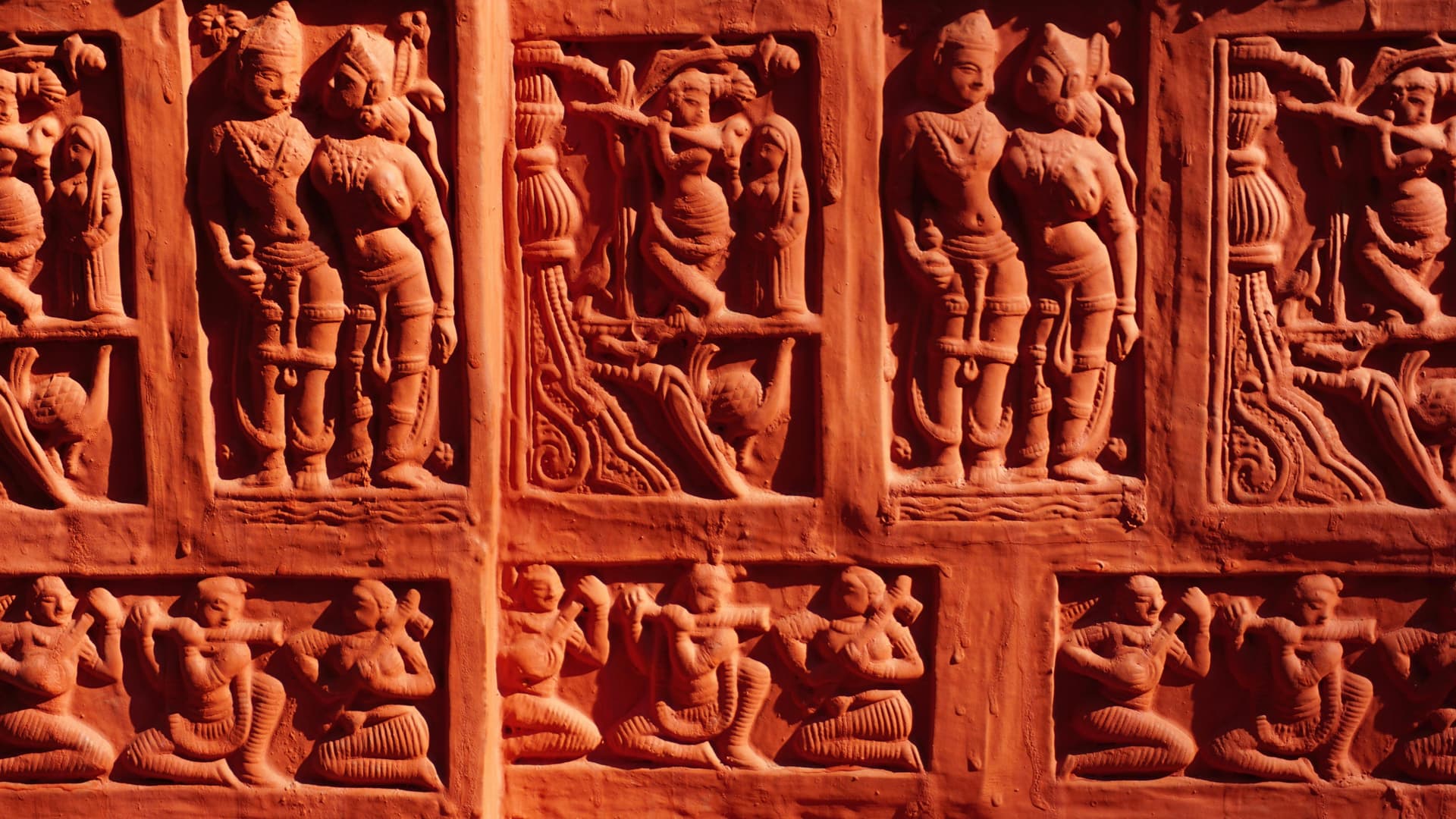
Sneak-peak into the past
Hampi! More than just a historical place, it is known as a UNESCO World Heritage Site. This place welcomes visitors who are interested in history, architectural wonders, and devotees. Hampi which is ruled by the Vijayanagar empire is the reason for constructing the massive temples, incorporating awesome dragons, and giving importance to all the fine details to uplift the culture and tradition followed by the people centuries ago, that prevail till date. Most of them are ruins due to the downfall of the empire but still hold a lot of value. Travel with Backpackers United to make this trip filled with fun, adventure, and information.
The history of Hampi began when it became the capital of the Vijayanagara Empire in the 14th century. The city prospered and grew to become one of the biggest and richest towns in the world under the Kings - Harihara and Bukka Raya. It became a major hub for trade, culture, and religion due to its advantageous location along the Tungabhadra River and its abundance of natural resources.
Krishnadevaraya's following generations saw the height of the empire, and Hampi was forever changed by his support of the arts and architecture. But the splendor of the city was fleeting. Following their victory over the Vijayanagara armies at the Battle of Talikota in 1565, the Deccan Sultanates abandoned Hampi.
The major Ruins - Virupaksha temple
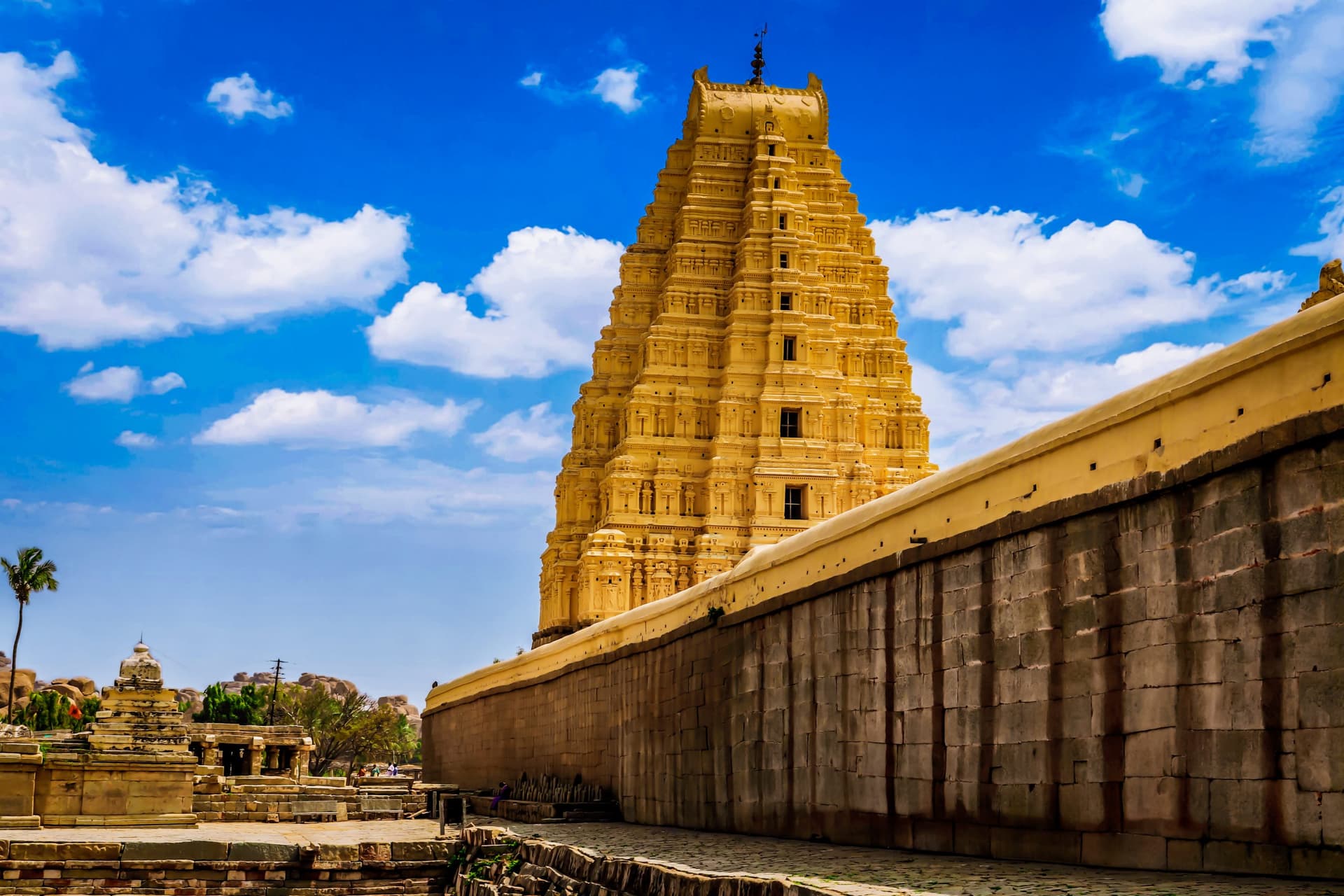
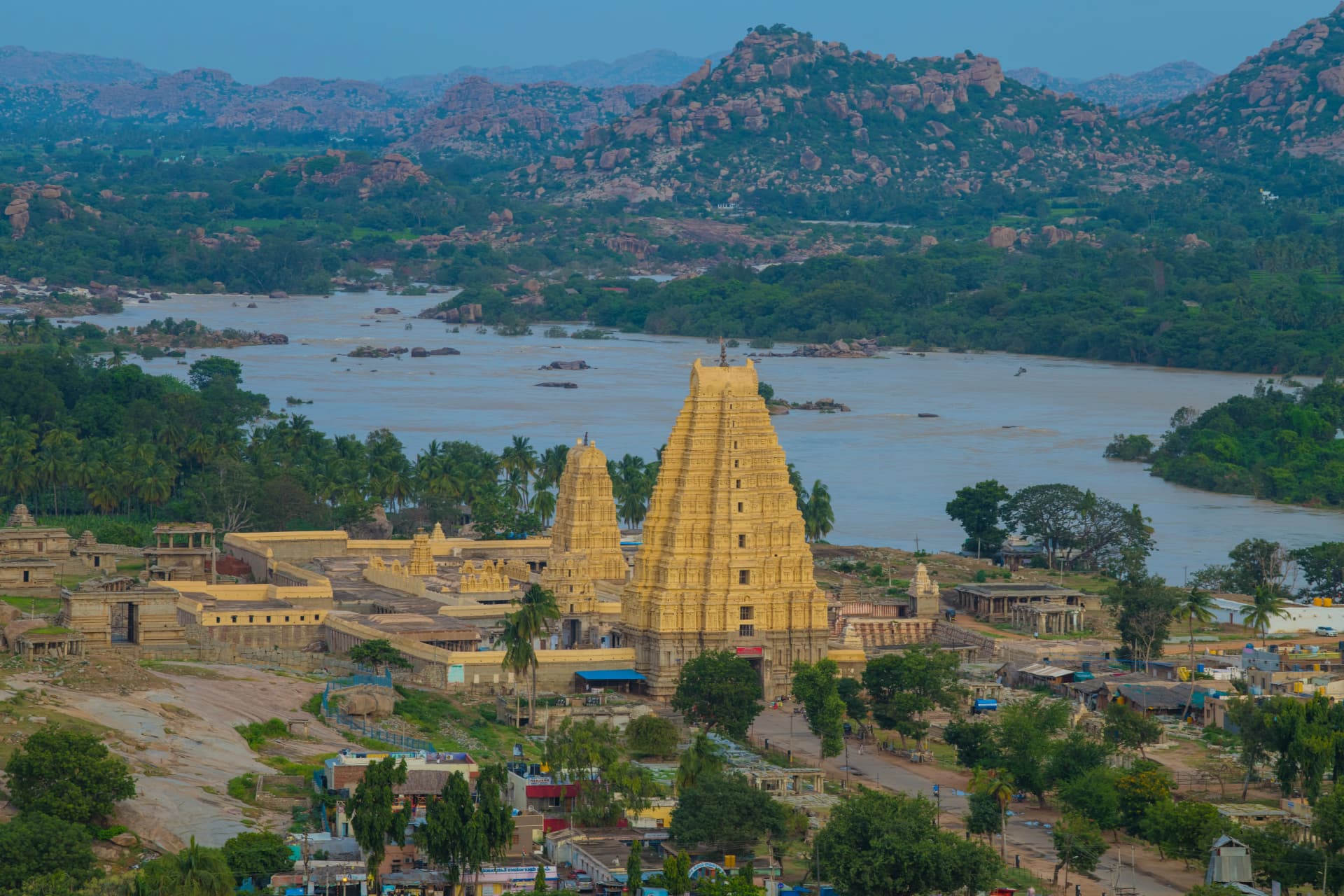
View of Virupaksha Temple - Courtesy of Photographer
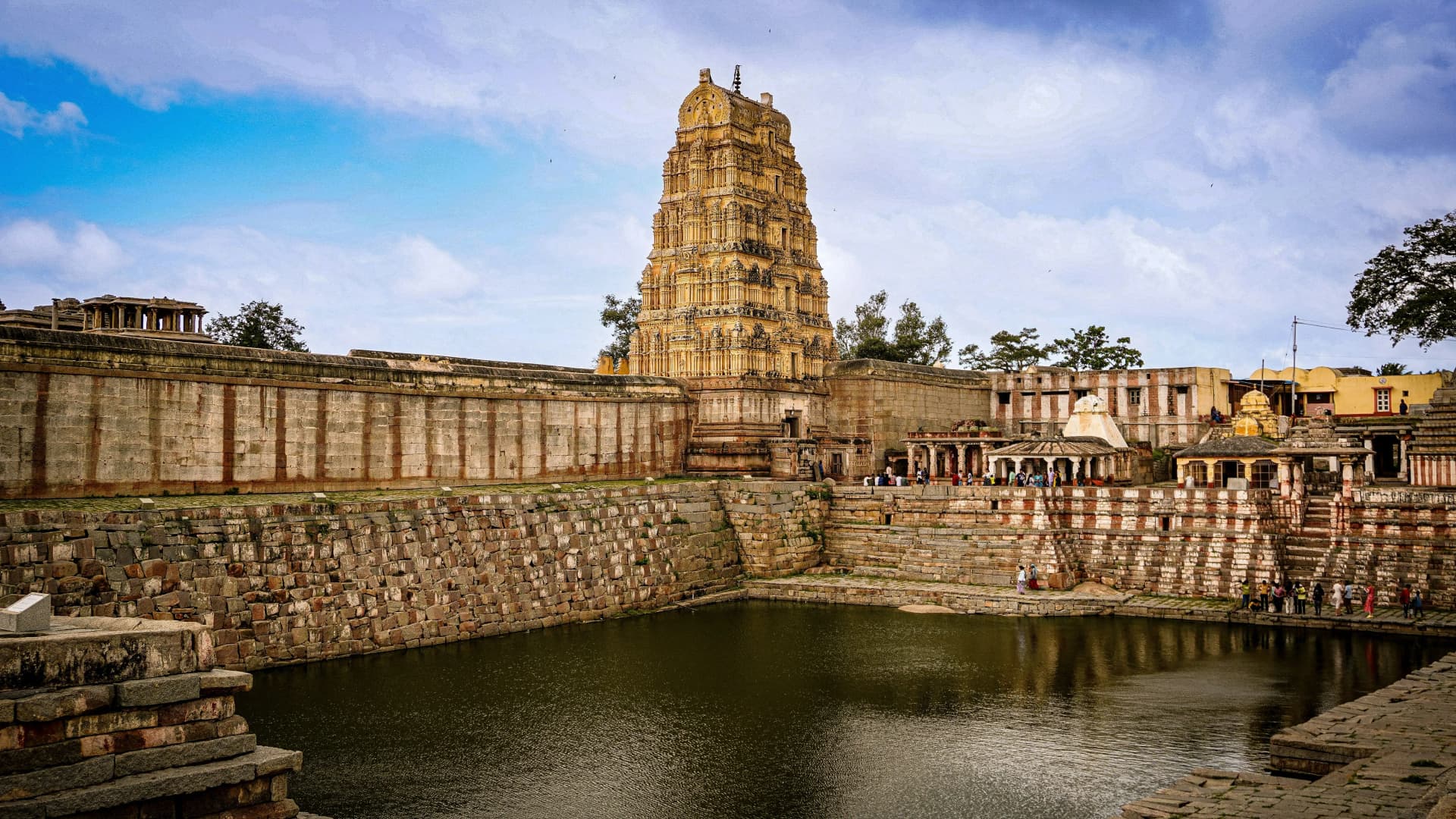
This is an ancient 7th-century temple which is dedicated to a form of Lord Shiva called the “Virupaksha”. The name is Virupaksha means ‘eye without form’ which is referred to as Shiva, he is considered to be different from all life forms on Earth as he has three eyes - Trinetra and a blue body - Neelaganda. Apart from this the temple also has a complex for two other deities - Bhuvaneshwari and Vidyaranya. This temple is surrounded by three ‘gopuras’ towers while the tower facing east is the main entrance which narrates 9 stories in the art form which is built 50 meters tall. Salute to the craftsmanship of those complicated designs carved on the walls and even floors. The highlight of this place is the inverted shadow of the main tower reflecting inside the temple which ideally needs to fall out.
Hemakuta Hill and its temples
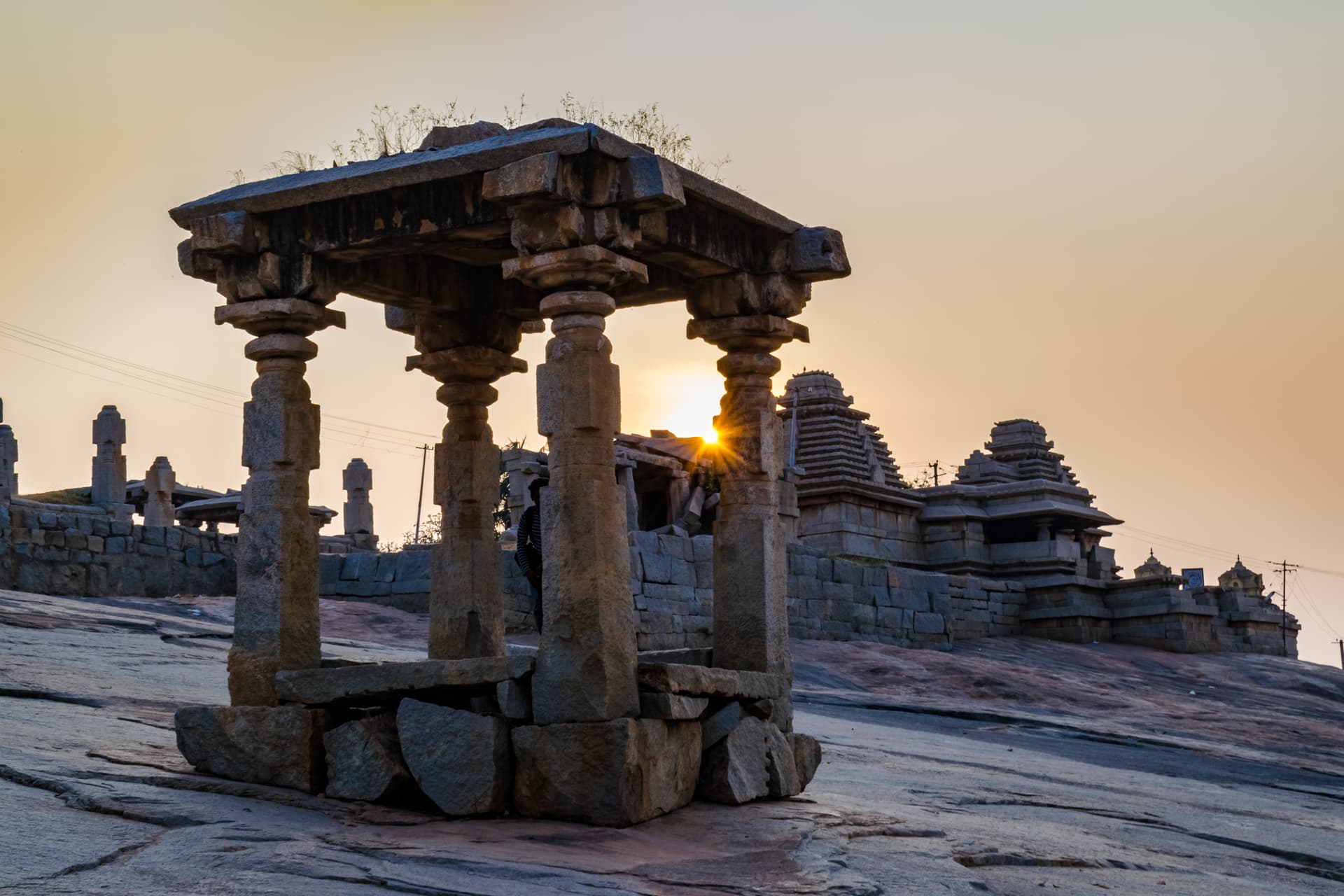
View of Hemakuta Hill temple - Courtesy of Photographer
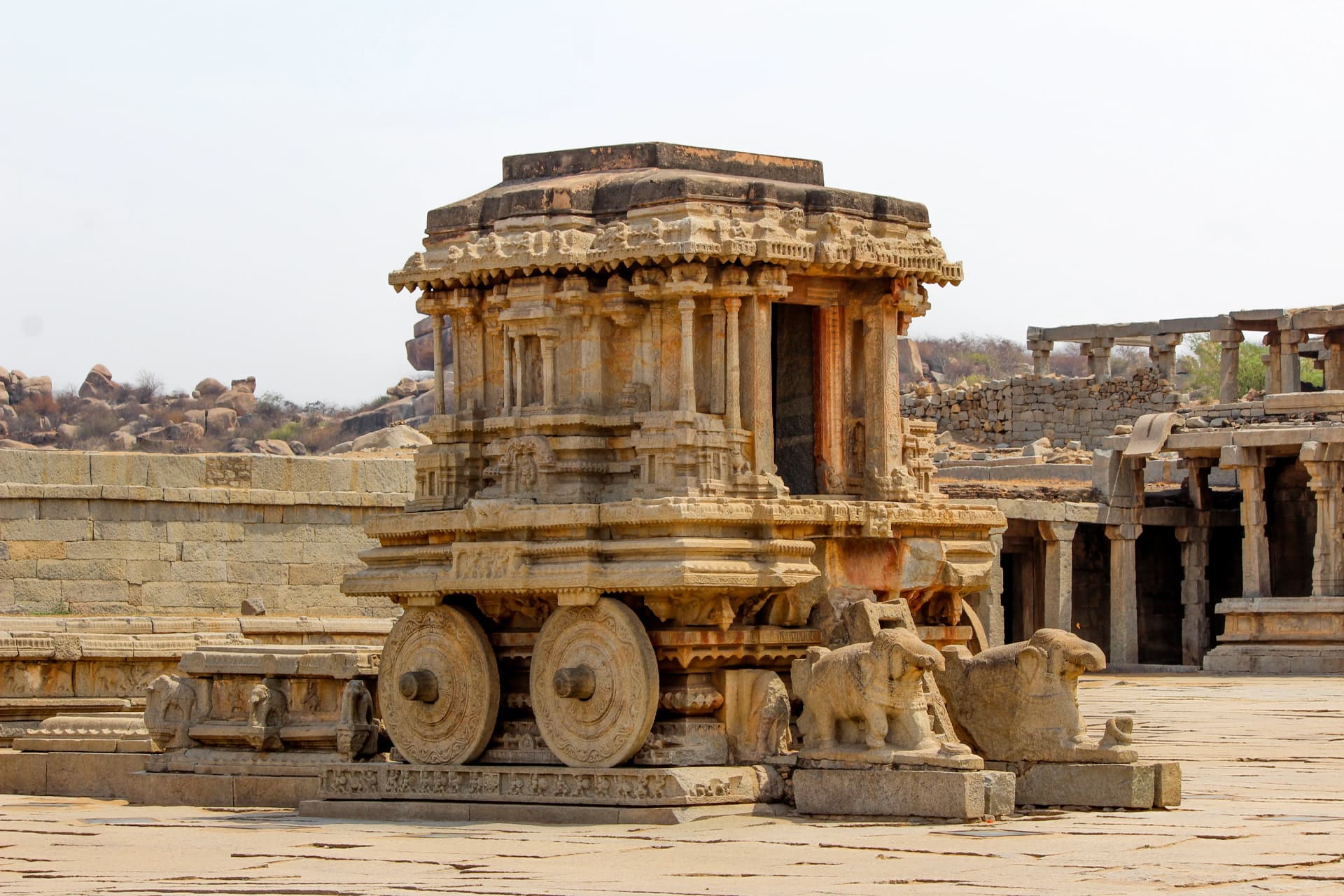
This site is spotted with temples, archways, and pavilions and the hill provides a beautiful view of Hampi’s landscape, the Tungabhadra River flowing on the terrain. This place is visited to watch the breathtaking view of sunrise and sunset. The temples built here are simpler than compared to structures in the city but hold a lot of historical significance. It is believed that saints mediated and performed rituals to seek blessings from gods.
Lotus Mahal
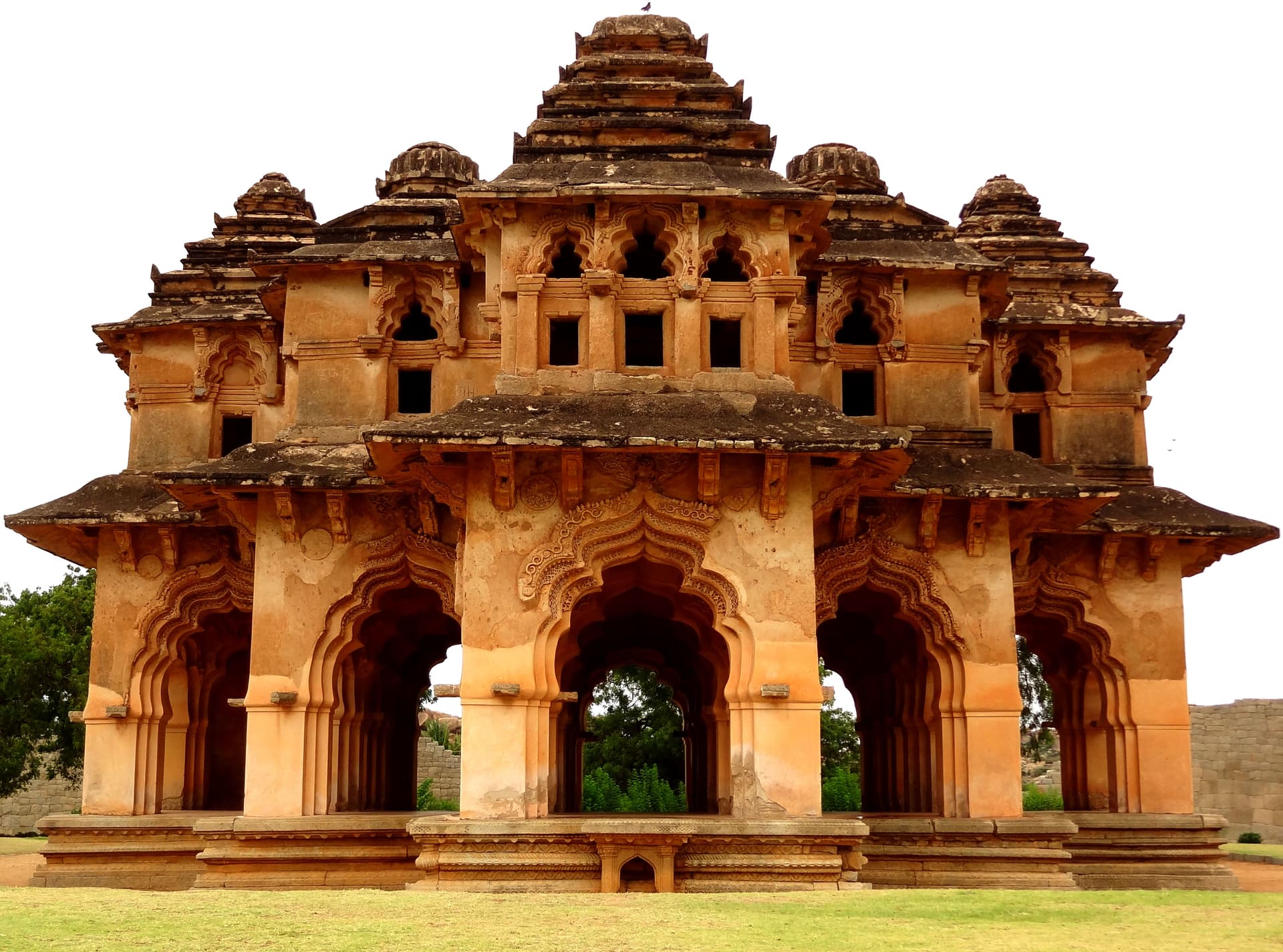
Lotus Mahal - Courtesy of Photographer
The palace's name derives from the shape that it resembles. The balcony and the hallways are encased in a dome that resembles an unfolded lotus blossom. A lotus bud is also carved onto the center dome. The palace's curves contain Islamic elements, and its multi-layered roof design is reminiscent of Indo-European architecture. The architectural style and patterns are an intriguing fusion of Indian and Islamic design. The palace is a two-story, symmetrically designed construction. Four towers and a rectangular wall encircle it. These towers' pyramidal shapes also provide the impression of a lotus-like construction. There is no specific time to visit this place and it is open every day between 8:00 AM to 6:00 PM. There is an entry fee of INR 10 for Indians below 15 years, free for children, and varies for foreign tourists. There are no extra charges for photography and approximately take 2 hours to complete the visit.
The Cultural Fabric of Hampi
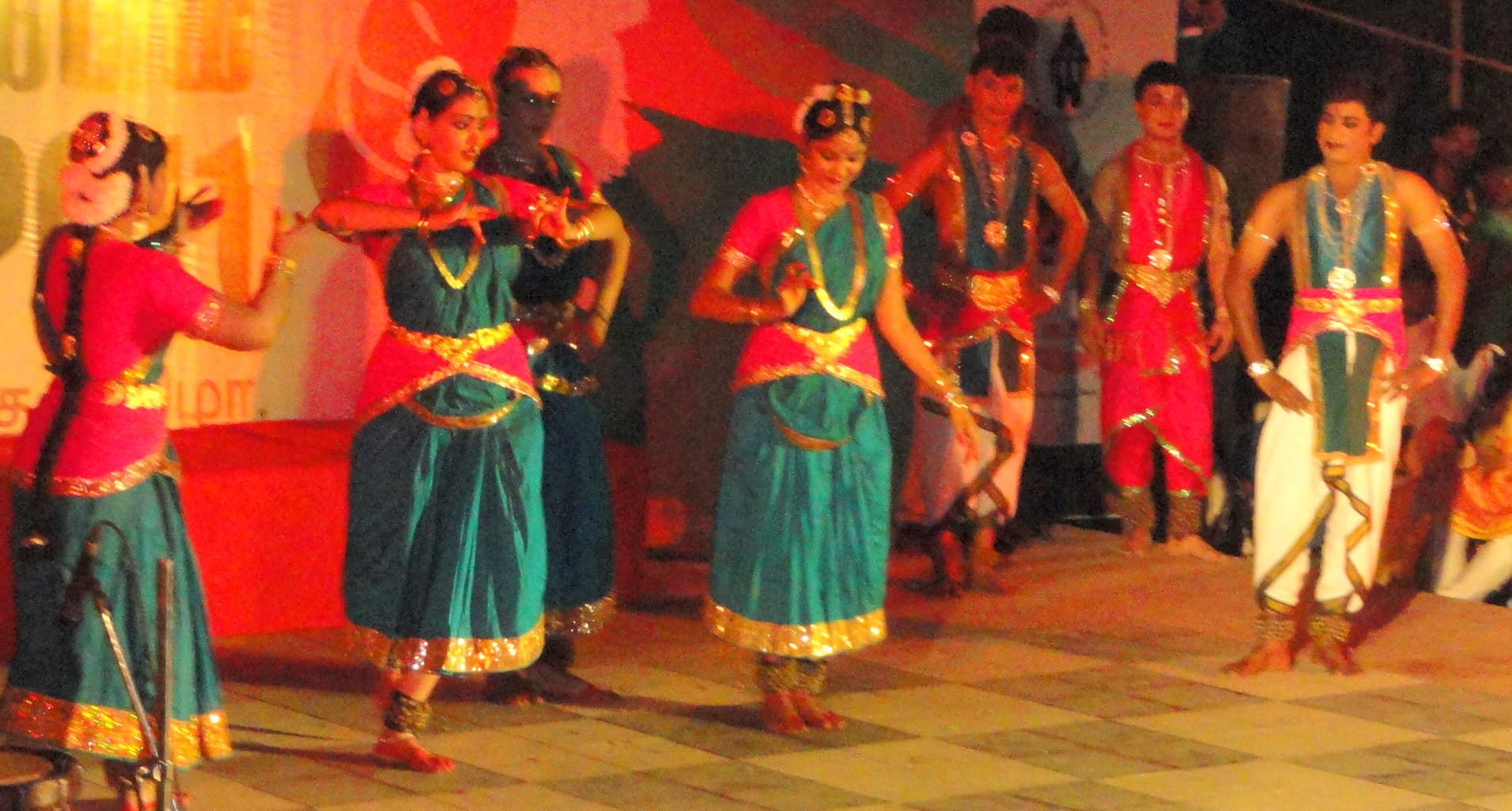
Traditional dance - Courtesy of Photographer
Apart from its history, there are vibrant festivals celebrated by people in Hampi which was carried forward through generations. The Hampi Utsav is the major festival season of Hampi where the place is filled with color, joy, happiness, and enthusiasm. It includes different traditional music, drama, dance, and local craft shops.
- Festivals and Celebrations - Numerous festivals honoring Hampi's rich history and religious significance are marked on the city's cultural calendar. Three days of cultural extravaganza, music, dancing, drama, and processions light up the city during the Hampi Utsav. The event honors the splendor of the Vijayanagara Empire while showcasing the customs of the local artists. Other noteworthy events that attract large people are the Virupaksha Car Festival and the Purandaradasa Aradhana, a music festival honoring the saint poet Purandaradasa.

Leave the planning to a local expert
2. Traditional Music and Dance
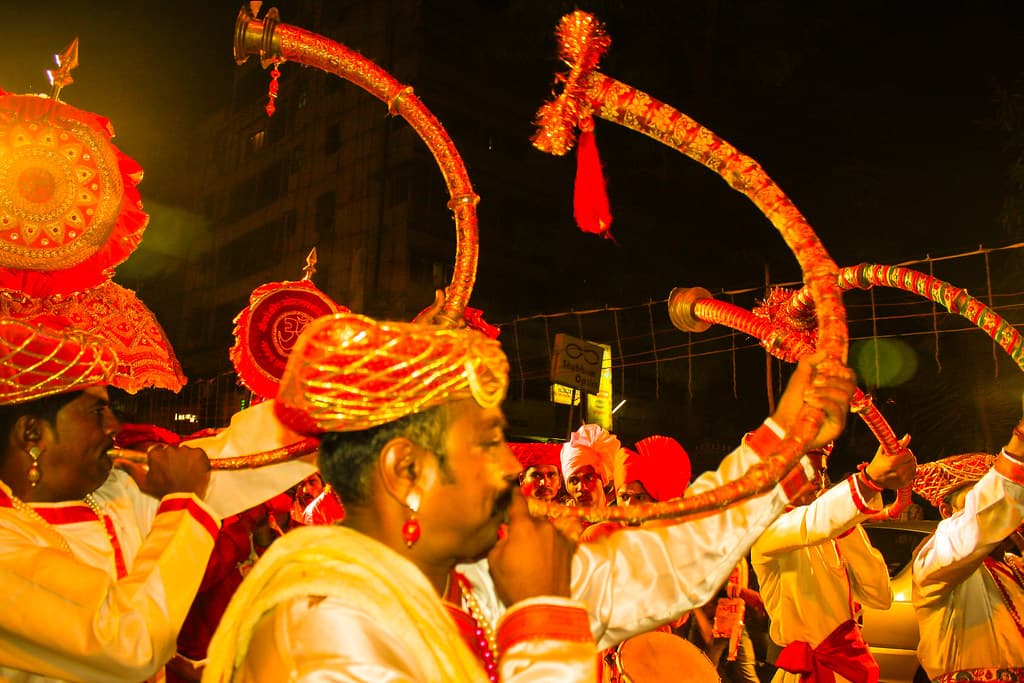
Traditional music - Courtesy of Photographer
This tickles our feet to get on the dance floor! The traditional folk music and lyrics composed by Purandaradasa are inspiring and pleasant to our ears. The dance forms mimic the olden days, sometimes mimicking God by getting dressed and dancing like the God and Goddess. The music played tickles your feet to step onto the dance floor and vibrant music gives you goosebumps.
3. Local craftsman
A taste of the traditional crafts and cuisine of the region can be found in the colorful bazaars of Hampi. The local marketplaces are a veritable gold mine of artisanal goods, ranging from finely sculpted stone sculptures to handcrafted jewelry and textiles. Hampi's cuisine's tasty dosas, idlis, and regional specialties lend a gastronomic element to the cultural excursion.
Closing thoughts!
Hampi has an impression of the devotional place and is labeled as the destination to visit after retirement among a large group of people. But let’s break this thought, though the city is filled with temples and ruins there are a lot more life lessons to teach us through the stories carved on the walls of all the temples. The power and knowledge of our ancestors and the ideology behind all these massive constructions. Join us to experience the reality of the past with Backpackers United!