Food
Top 10 Best Desserts - Sweet Delights of Hampi
4:00 min
19th July 2024
 by Shethana P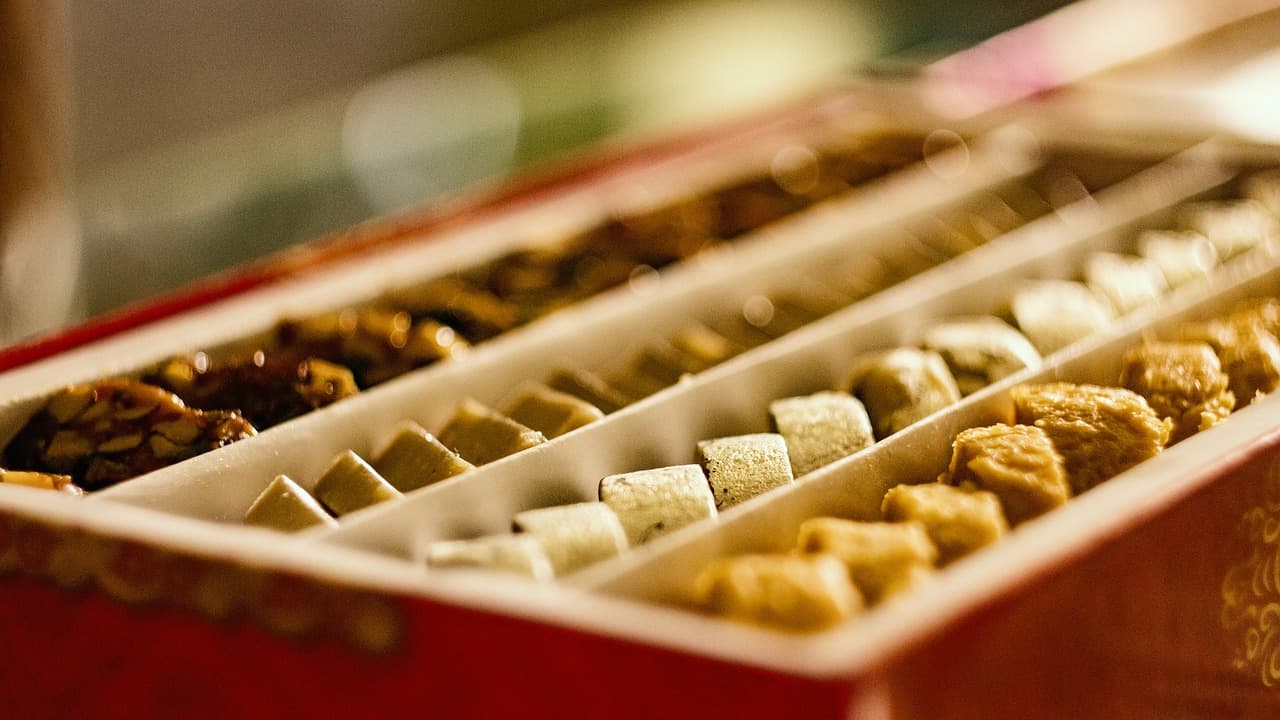
Are you a sweet person?
If you love sweets and want to explore a variety of flavors and recipes, you’ve come to the right place. There is always space for desserts! Yes, after a heavy delicious meal scooping a cup of dessert is mandatory. In this context, traditional sweets in Hampi are the best choices a lot of restaurants serve them but a few shops are dedicated only to sweets and savories which give an authentic taste. Mentioning sweets here this blog is NOT about the cheesecakes, chocolate truffles, and pastries instead addressing the ancient home-made sweets with pure ghee, butter, wheat, Raggi, and rice flour which don't have any side effects unless you consume more than the body requirements.
Desserts and sweets are more than just snacks in India, it is also about indulgence in celebrations and festivals. Sweets symbolize the sweetness of the celebration and are associated with feelings of happiness, prosperity, and positivity. They are a means of spreading happiness and optimism. Sharing and eating sweets together promotes a sense of belonging and community. It is an act of hospitality and generosity that strengthens social ties and draws people closer together. Sweets have a celebratory nature and are typically extravagant treats saved for special events. Giving sweets to guests enhances the memory of the occasion by signifying its significance and uniqueness. Here is a list of traditional Hampi-origin sweets -
Obbattu
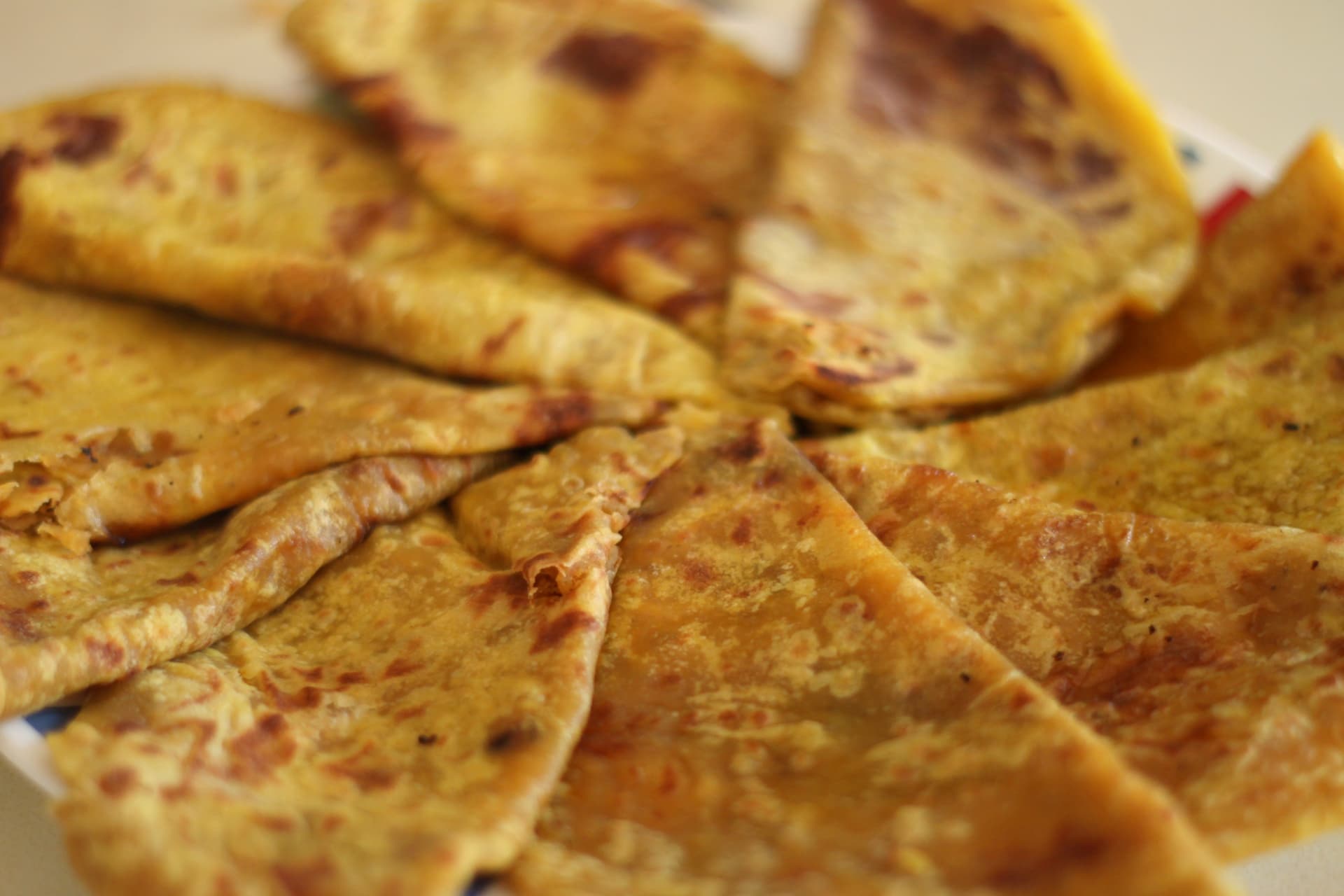
Obbattu - Courtesy of Photographer
Also known as Holige or Puran Poli, is a traditional sweet popular in Karnataka and other South Indian states, particularly during festivals and special occasions. This delightful treat is made from two main components: a dough and a sweet filling. The dough is prepared using all-purpose flour (maida) or a mix of maida and whole wheat flour, with a touch of turmeric and oil for pliability. The filling, or "puran," consists of chana dal (split Bengal gram) and jaggery, cooked together and flavored with aromatic spices like cardamom. To make Obbattu, small dough balls are flattened, filled with the sweet mixture, and rolled out again into thin discs. These are cooked on a hot griddle with ghee until golden brown. Obbattu is typically served warm, drizzled with ghee, and enjoyed as a dessert or festive treat. Its sweet, spiced filling and soft, flaky exterior make it a cherished dish in South Indian cuisine.
Dharwad Peda
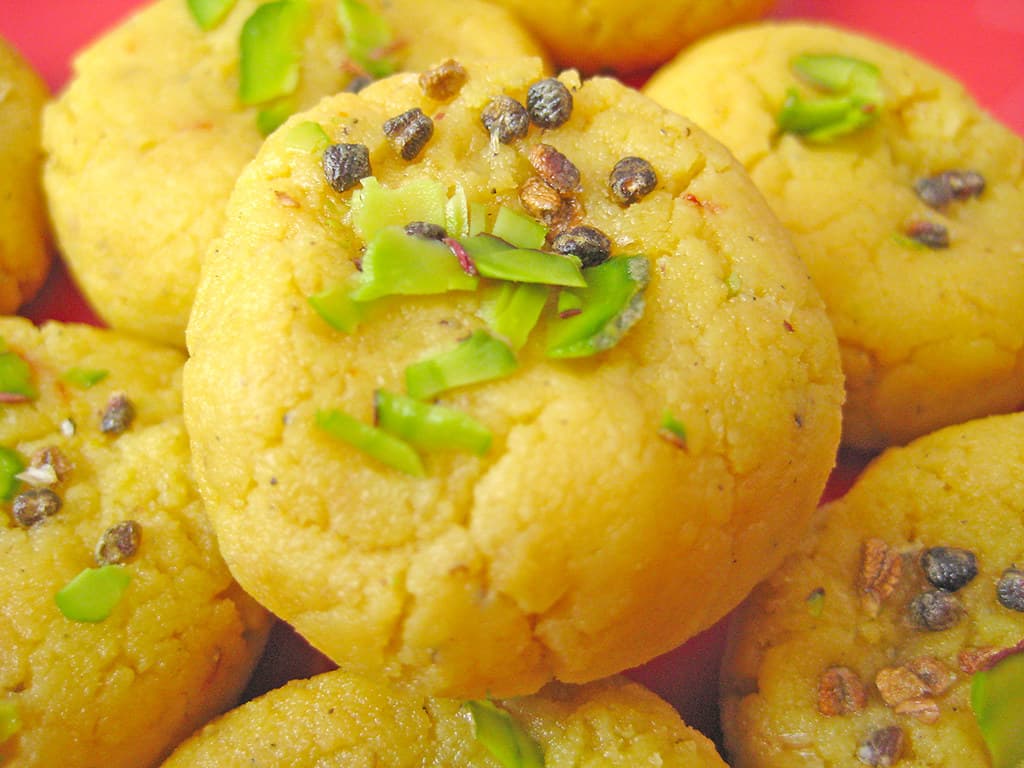
View of Dharwad Peda - Courtesy of Photographer
Is a renowned Indian sweet originating from Dharwad, Karnataka. Made from minimal yet rich ingredients, the key component is milk, which is simmered and reduced to form a thick, creamy khova. This khova is then sweetened with sugar and flavored with cardamom, giving the peda its distinctive taste. The mixture is shaped into small, round pedas and lightly coated with powdered sugar, adding a delightful texture. Dharwad Peda is known for its slightly grainy yet melt-in-the-mouth consistency and its balanced sweetness, this sweet has become synonymous with the city of Dharwad, often sought after by locals and visitors alike. Its unique preparation process and rich, indulgent flavor make Dharwad Peda a standout confection in Indian cuisine.
Kesari Bath
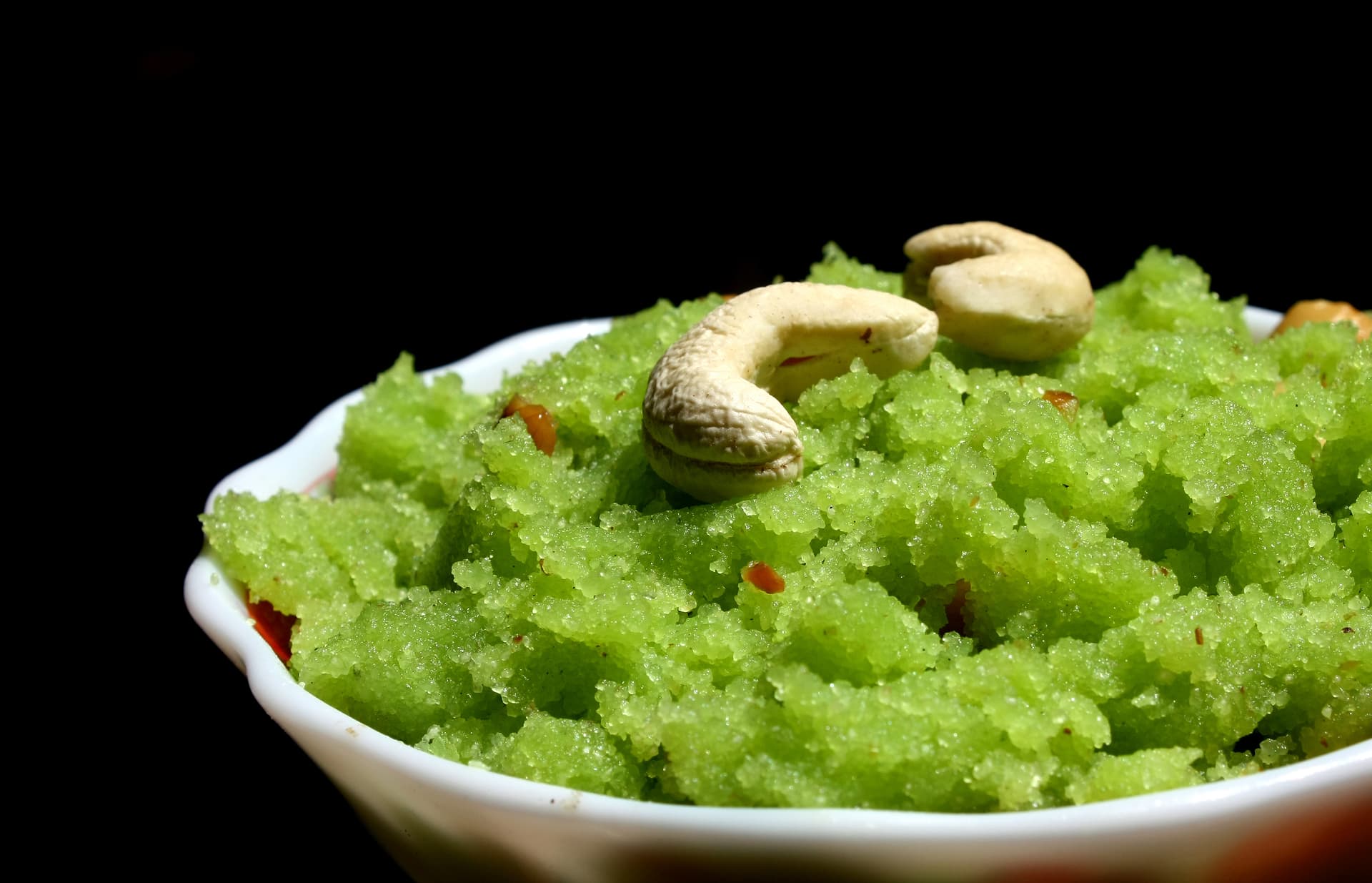
View of Kesari Bath - Courtesy of Photographer
Is a popular South Indian dessert known for its vibrant color and rich, aromatic flavor. Made primarily from semolina (rava), this dish gets its name from the word "Kesari," meaning saffron, which imparts its distinctive golden hue. The preparation begins by roasting semolina in ghee until it turns slightly golden and releases a nutty aroma. Separately, water is boiled with saffron strands and sugar to create a sweet, fragrant syrup. The roasted semolina is gradually added to this syrup, and cooked until it absorbs the liquid and reaches a soft, pudding-like consistency. To enhance the flavor, cardamom powder is mixed in, and the dish is garnished with roasted nuts and raisins, adding a delightful crunch. Kesari Bath is often enjoyed during breakfast or as a dessert during special occasions and festivals.
Mysore Pak
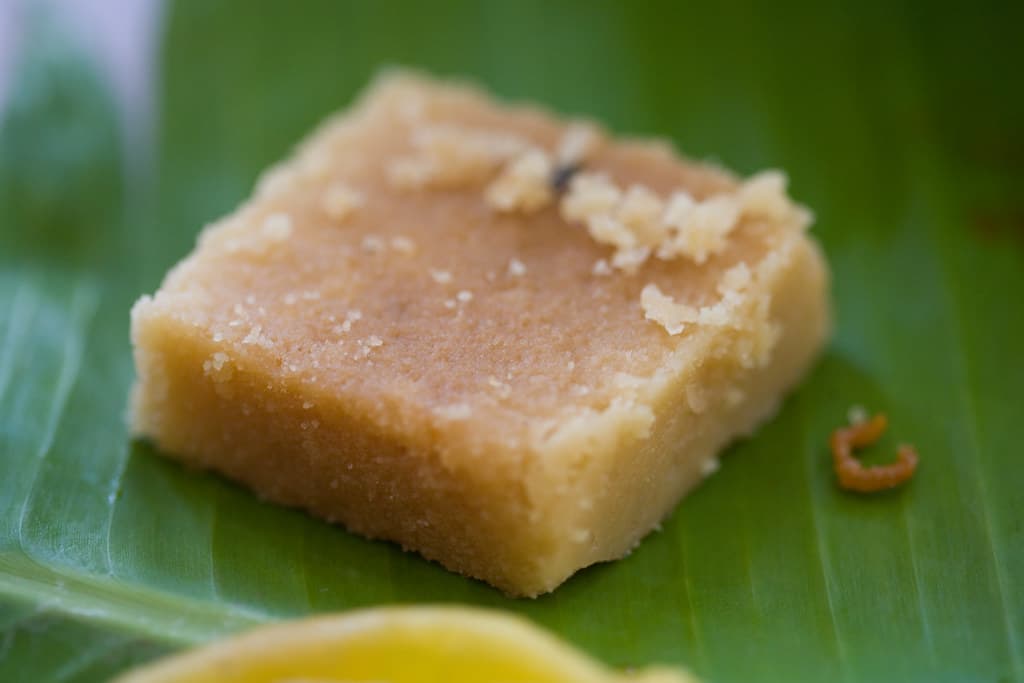
Mysore Pak - Courtesy of Photographer
Is a classic South Indian sweet that hails from the royal kitchens of Mysore, Karnataka. The key ingredients of Mysore Pak are gram flour (besan), ghee (clarified butter), and sugar. The preparation begins by roasting the gram flour in ghee until it achieves a golden hue and releases a fragrant aroma. Simultaneously, a sugar syrup is made to a specific consistency and then combined with the roasted gram flour. This mixture is continuously stirred, allowing the ghee to blend thoroughly, resulting in a smooth, dense batter. Once the mixture thickens, it is poured into a greased tray and allowed to cool and set. The final product is then cut into squares or rectangles. Mysore Pak is known for its rich, melt-in-the-mouth texture and its buttery, slightly grainy consistency. Whether served at festive celebrations or enjoyed as a daily treat, Mysore Pak is a testament to Karnataka’s rich culinary heritage.
Rava Ladoo
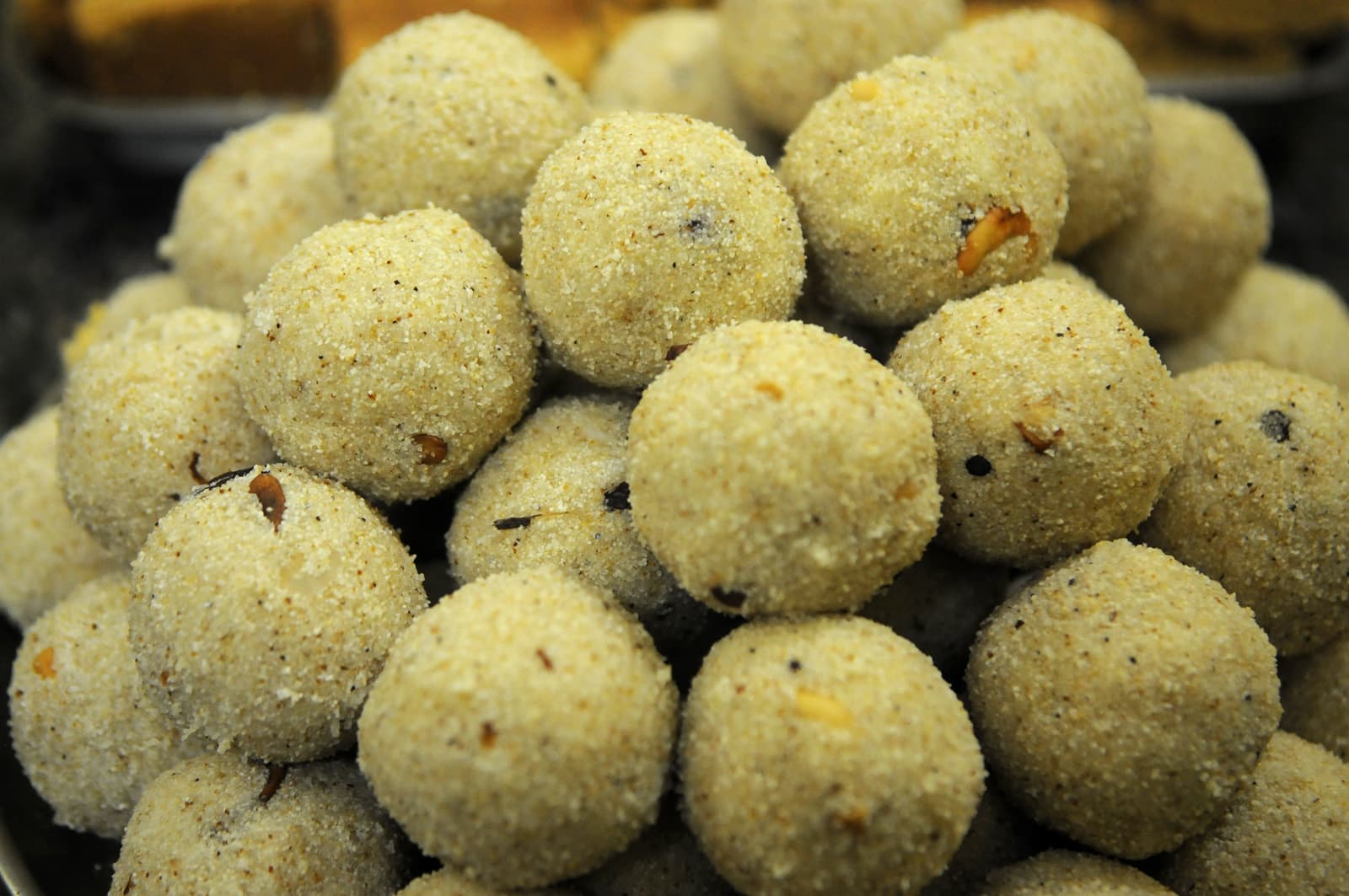
Rava Ladoo - Courtesy of Photographer
Is made primarily from semolina (rava), sugar, and ghee, these small, round confections are popular across India, especially during festivals and special occasions. To prepare Rava Ladoo, semolina is first roasted in ghee until it becomes golden and aromatic. Sugar is then added, along with water or milk, to create a sweet, sticky mixture. This mixture is combined with grated coconut, cardamom powder, and sometimes chopped nuts like cashews and almonds for added texture and flavor. Once the mixture has thickened and cooled slightly, it is shaped into small, round balls. The result is a sweet treat with a rich, buttery taste and a slightly crumbly texture. Rava Ladoo is enjoyed for its comforting, indulgent flavor and is often shared with family and friends during celebrations and as a special treat.
Ellu Unde
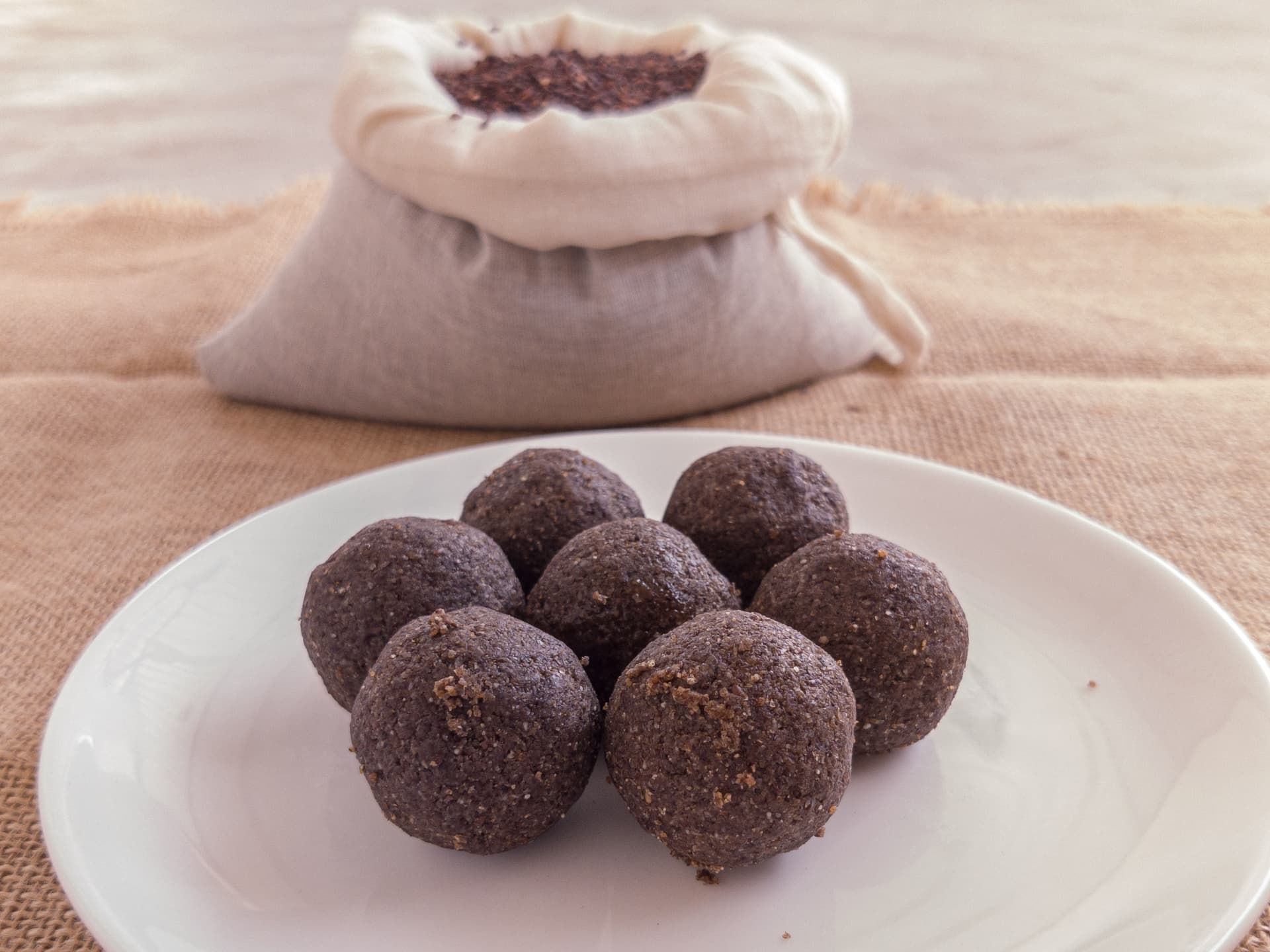
Also known as Sesame Ladoo this simple yet nutritious treat is especially popular in Karnataka and is often prepared during festivals like Makar Sankranti and Pongal. The preparation of Ellu Unde begins with roasting sesame seeds until they are golden and fragrant. Jaggery is then melted with a bit of water to form a syrup. The roasted sesame seeds are combined with the jaggery syrup, along with optional ingredients such as grated coconut, cardamom powder, and nuts for added flavor and texture. Once the mixture has cooled slightly, it is shaped into small, round balls. These laddus are known for their crunchy texture, nutty flavor, and natural sweetness. Ellu Unde is celebrated for its health benefits, as sesame seeds are rich in calcium, iron, and other essential nutrients, making it a wholesome and satisfying treat.

Leave the planning to a local expert
Banana Halwa
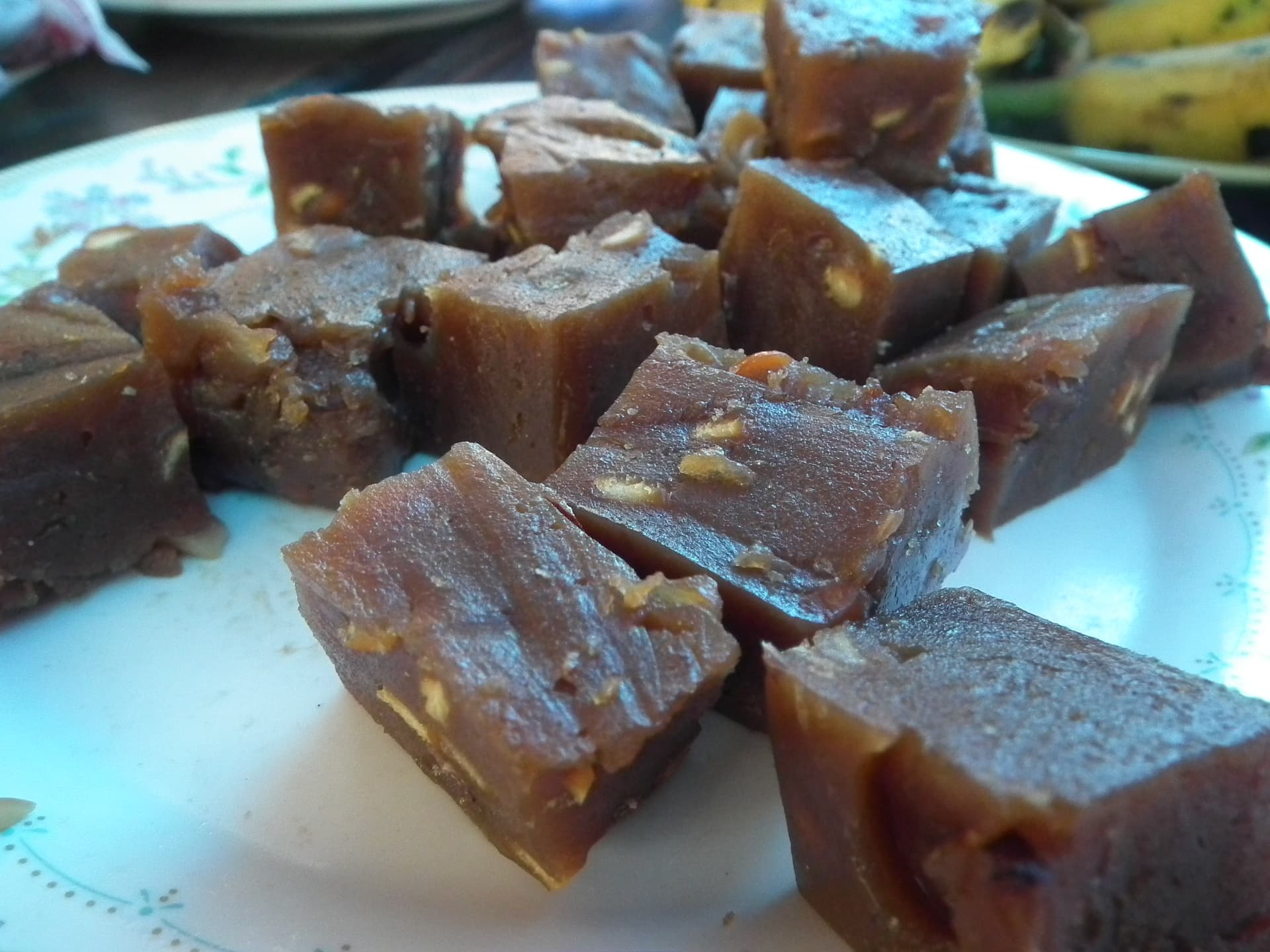
Banana Halwa - Courtesy of Photographer
Banana Halwa is a delightful Indian sweet made primarily from ripe bananas, sugar, and ghee, offering a rich, indulgent treat that combines the natural sweetness of bananas with a creamy, buttery texture. This dessert is particularly popular in South India and is often enjoyed during festivals and special occasions. The bananas are cooked in ghee over a low flame, allowing them to caramelize and develop a deep, rich flavor. Sugar is added to enhance the sweetness, and the mixture is stirred continuously to prevent sticking and ensure even cooking. Spices such as cardamom may be added to infuse the halwa with a fragrant aroma. Chopped nuts like cashews and almonds are often included for added texture and flavor. Once the mixture thickens to a halwa-like consistency, it is poured into a greased tray and allowed to cool before being cut into pieces. Banana Halwa is celebrated for its smooth, melt-in-the-mouth quality and natural sweetness.
Pineapple Gojju
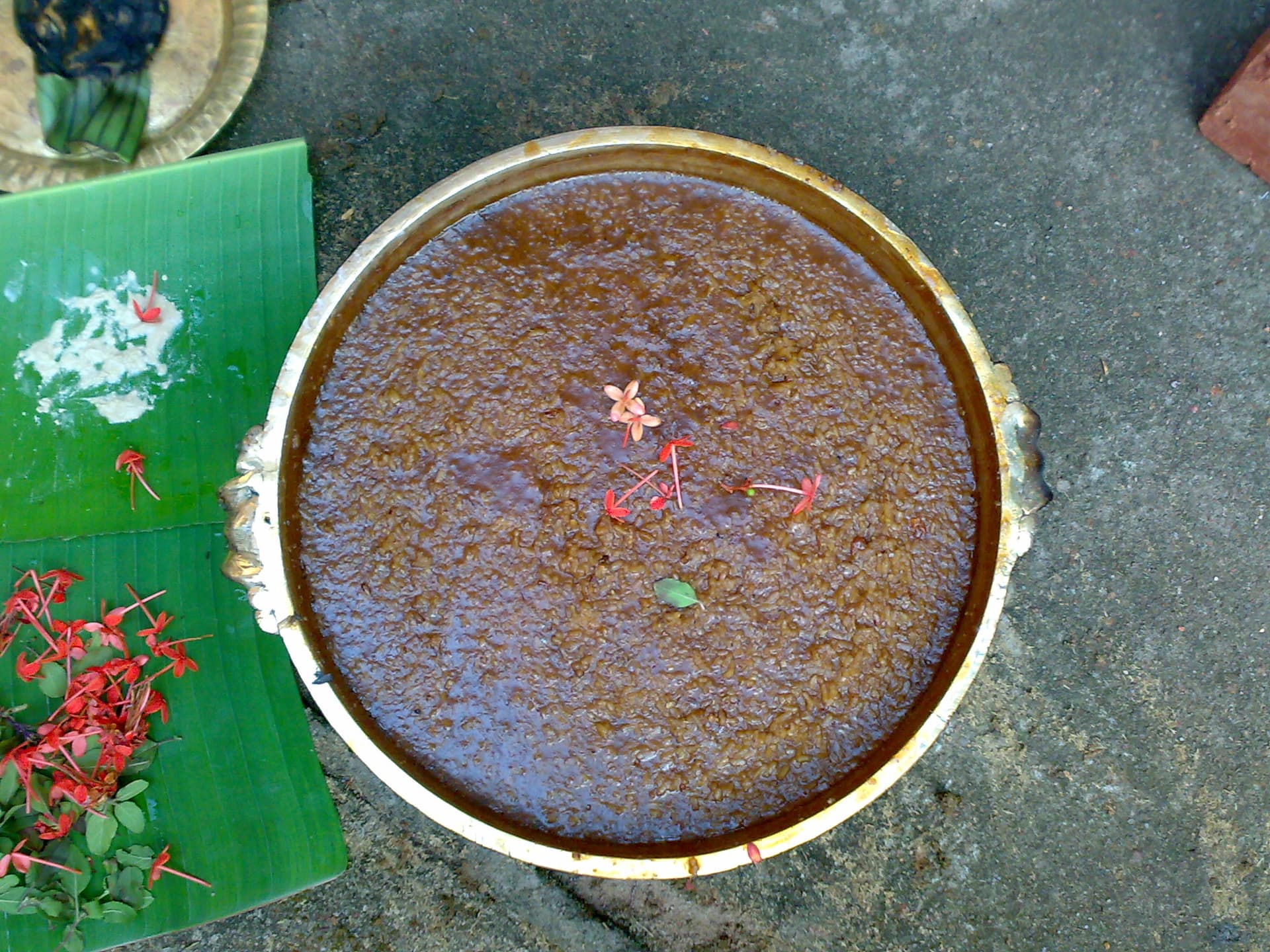
Is a flavorful South Indian curry made with pineapple, known for its unique blend of sweet and tangy flavors. This dish combines the tropical sweetness of pineapple with a rich, spicy gravy, creating a delightful contrast that makes it a favorite in Karnataka cuisine. To prepare Pineapple Gojju, pineapple chunks are cooked with a mix of spices, including mustard seeds, curry leaves, and turmeric. Tamarind pulp is added to provide a tangy kick, balancing the sweetness of the pineapple. The mixture is simmered until the pineapple becomes tender and the flavors meld together. A key feature of Pineapple Gojju is its tempering, which often includes ingredients like dried red chilies, fenugreek seeds, and cumin seeds, adding depth and complexity to the dish. Served with rice, dosa, or chapati, Pineapple Gojju is cherished for its vibrant flavor and versatility, making it a refreshing and satisfying addition to any meal.
Hayagreeva
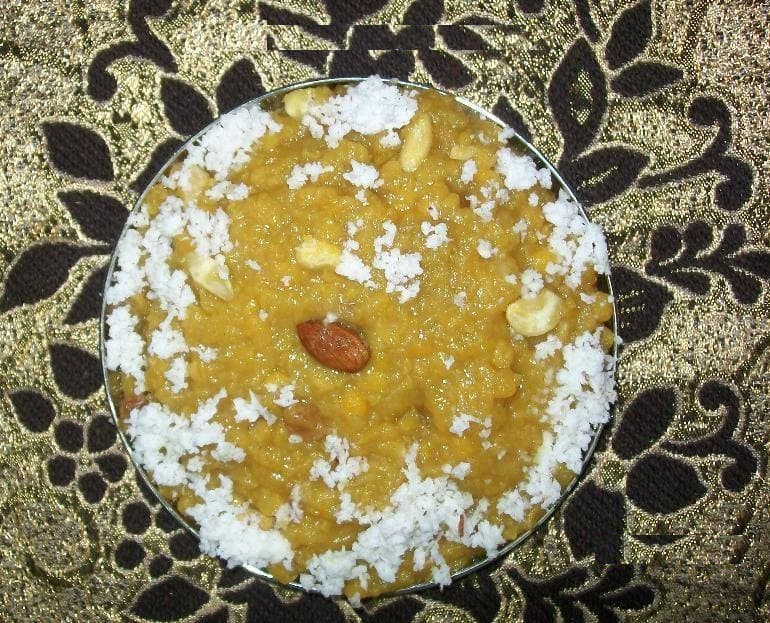
Hayagreeva - Courtesy of Photographer
Is a traditional South Indian sweet, particularly popular in Karnataka, known for its rich, nutty flavor and comforting texture. This dessert is typically made from chana dal (split Bengal gram), jaggery, and coconut. The preparation of Hayagreeva starts with cooking chana dal until it is soft and mushy. This is then combined with melted jaggery, which imparts a deep sweetness and caramel-like flavor. Grated coconut is added for additional texture and a hint of natural sweetness. The mixture is cooked until it thickens and reaches a pudding-like consistency. Aromatic spices such as cardamom are often included to enhance the flavor. Hayagreeva is usually garnished with fried cashews and raisins, which add a delightful crunch and richness. Served warm or at room temperature, Hayagreeva is a beloved sweet that embodies the essence of traditional South Indian desserts, offering a satisfying and flavorful treat.
Chiroti
.png&w=1920&q=75)
Chiroti - Courtesy of Photographer
Is a traditional South Indian sweet, particularly cherished in Karnataka and Maharashtra, known for its delicate, crisp texture and rich, buttery flavor. This layered pastry is often prepared during festivals and special occasions, making it a festive favorite. The preparation of Chiroti begins with making dough from all-purpose flour (maida), ghee (clarified butter), and a pinch of salt. The dough is rolled out into thin sheets, layered, and then folded to create multiple layers. These layers are rolled into tight spirals and deep-fried until golden brown and crispy. Once fried, Chirotis are dusted with powdered sugar or a mixture of sugar and cardamom, adding a sweet and aromatic touch. The result is a light, flaky sweet with a delightful crunch and a subtle, buttery taste. Chiroti is often served during celebrations and is enjoyed with a hot cup of tea or coffee, offering a festive and indulgent treat.
Sweet Delights!
I hope this article has awakened your sweet tooth and inspired your taste for delightful desserts. From the aromatic, melt-in-your-mouth Mysore Pak to the comforting, subtly spiced Kesari Bath, each sweet treat offers a unique taste of Hampi's vibrant culture and traditions. Whether it's the indulgent Dharwad Peda or the nutty Ellu Unde, these desserts reflect the essence of local flavors and the warmth of Hampi's hospitality. So plan your visit to Hampi with Backpackers United immediately with your friends and family! The sweet delights await!