
Qutab Shahi Tomb

Overview
The Qutub Shahi Tombs, a remarkable collection of mausoleums housing the dynasty's monarchs, are situated in Hyderabad. These graves provide a fascinating look into the architectural and cultural legacy of mediaeval India, and they are located in a peaceful and historically significant area. Situated close to the Golconda Fort in the Ibrahim Bagh district, the complex is well-known for both its historical significance and unique architectural style.
Label: Off beat
How to reach: Bike, bus, taxi, auto
Timings: 9:00 AM to 4:30 PM
Time Required: 2 hours
Entry Fee: INR 10 Per Adult
Key Features
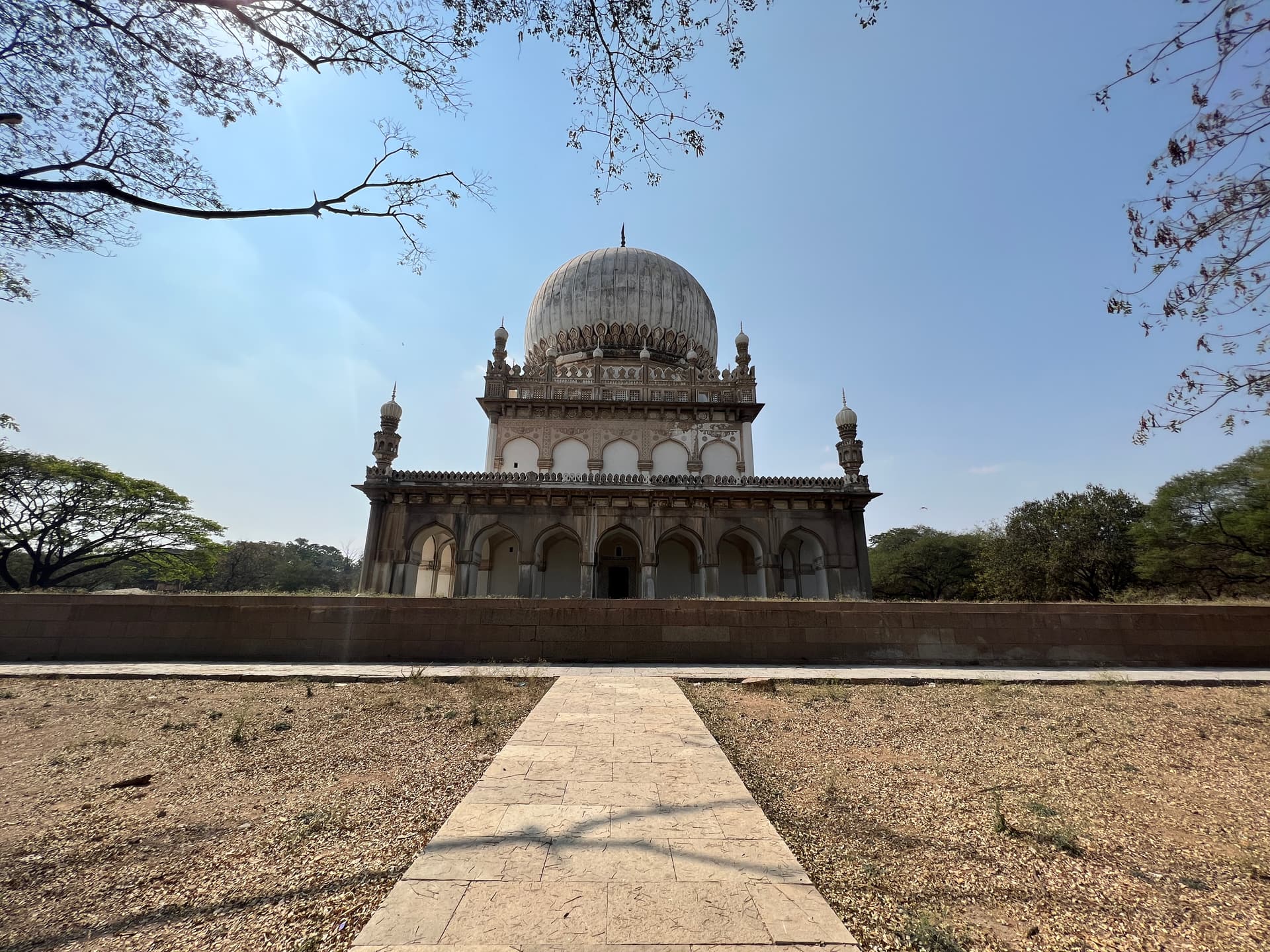
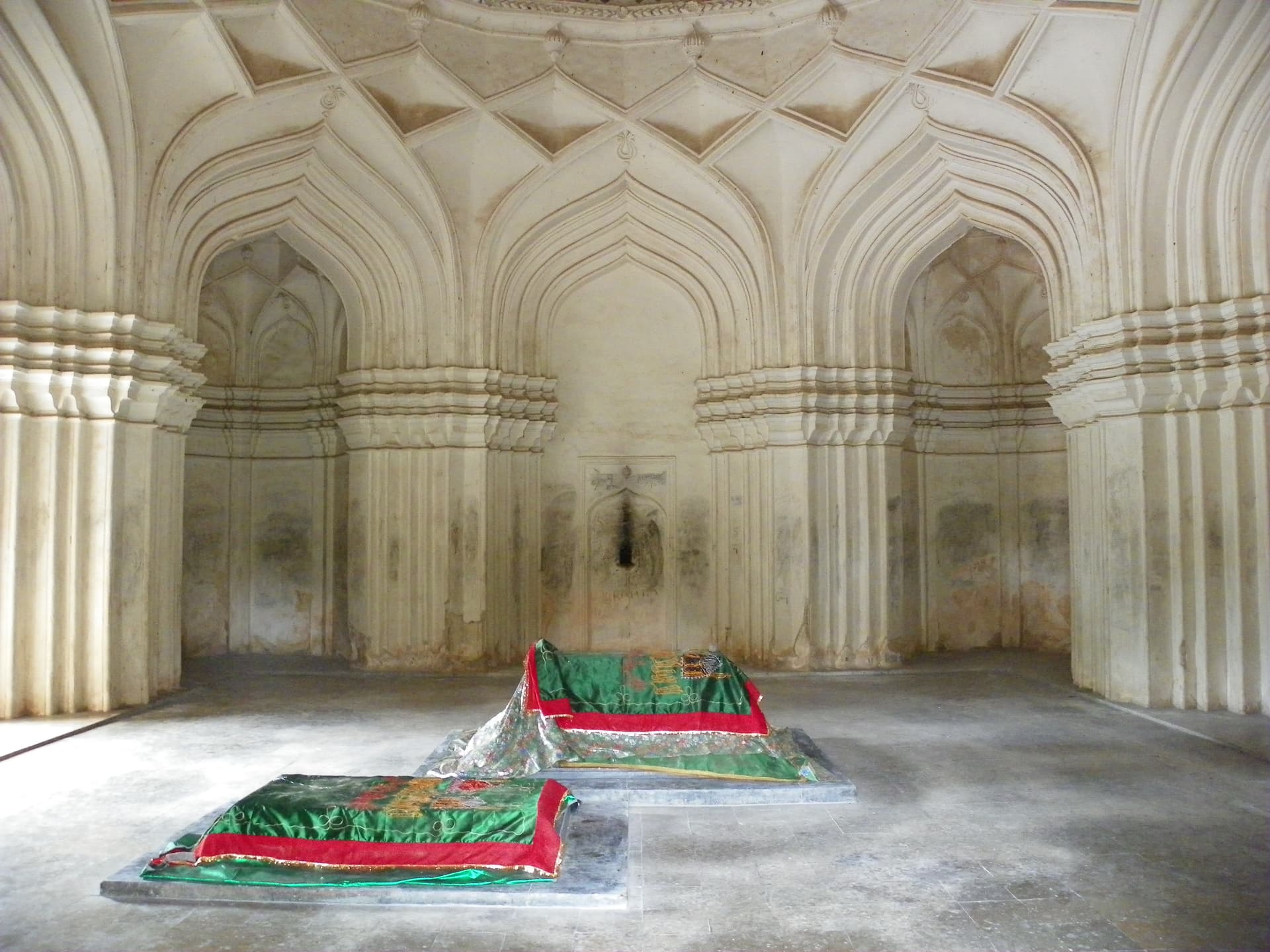
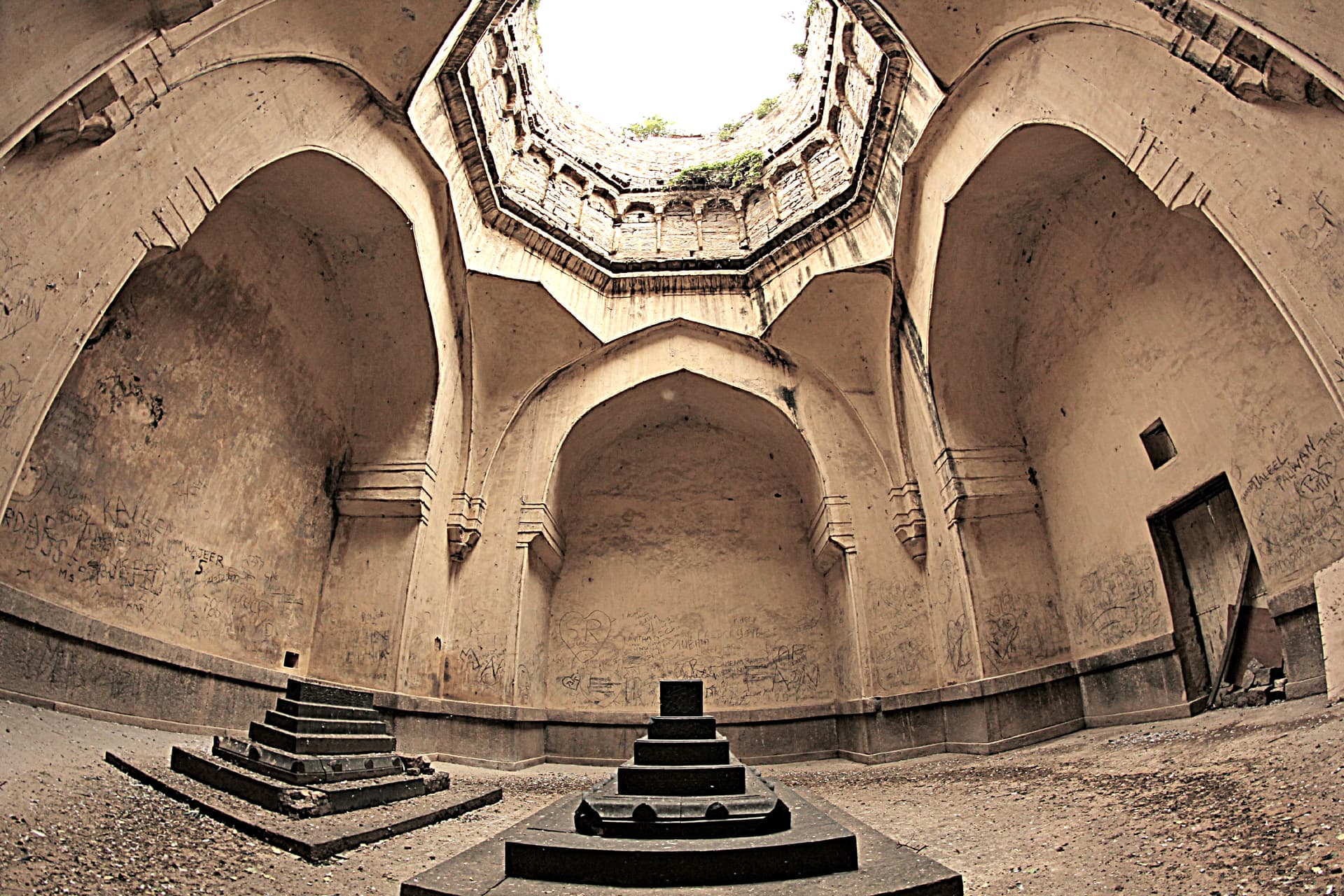
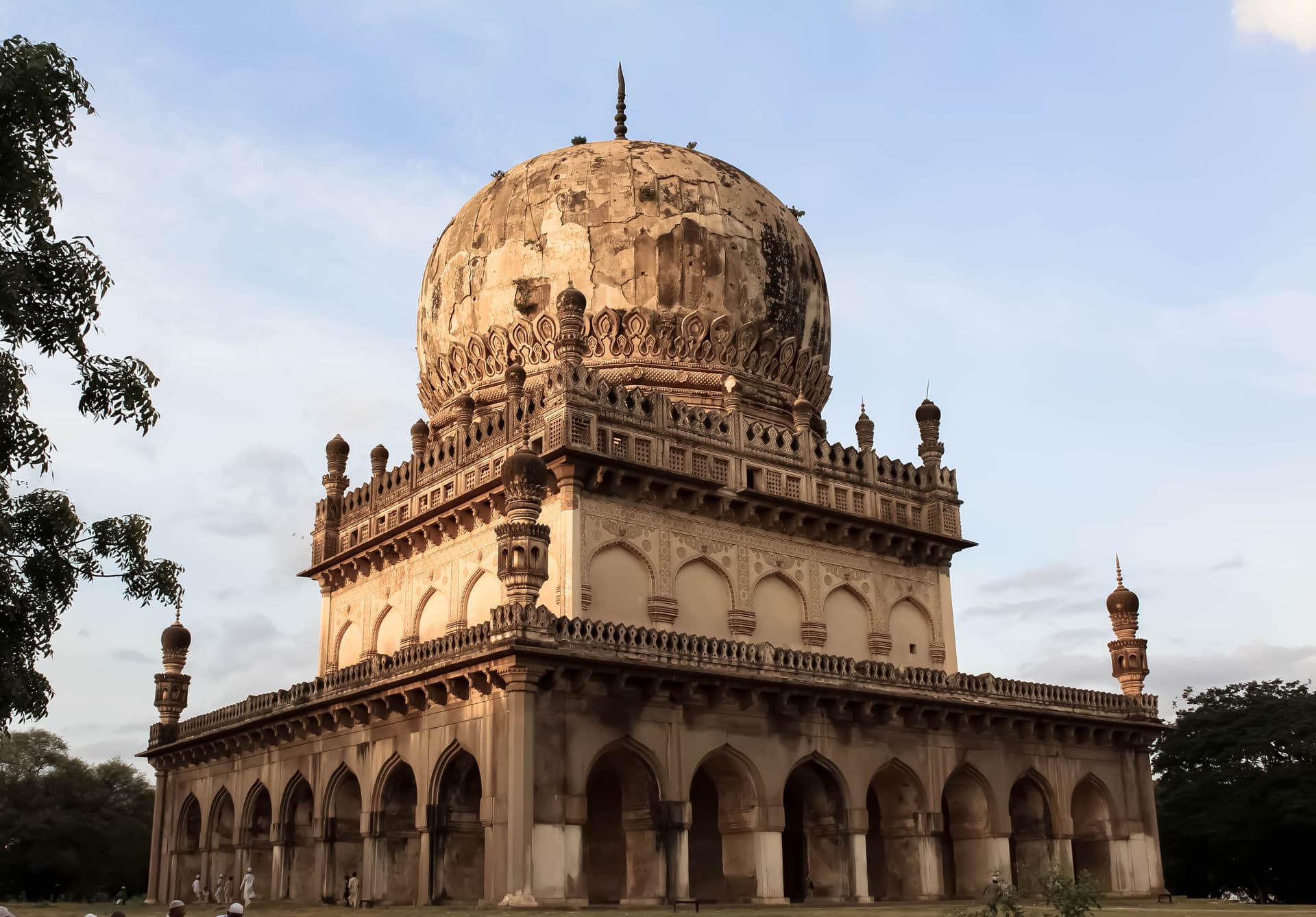
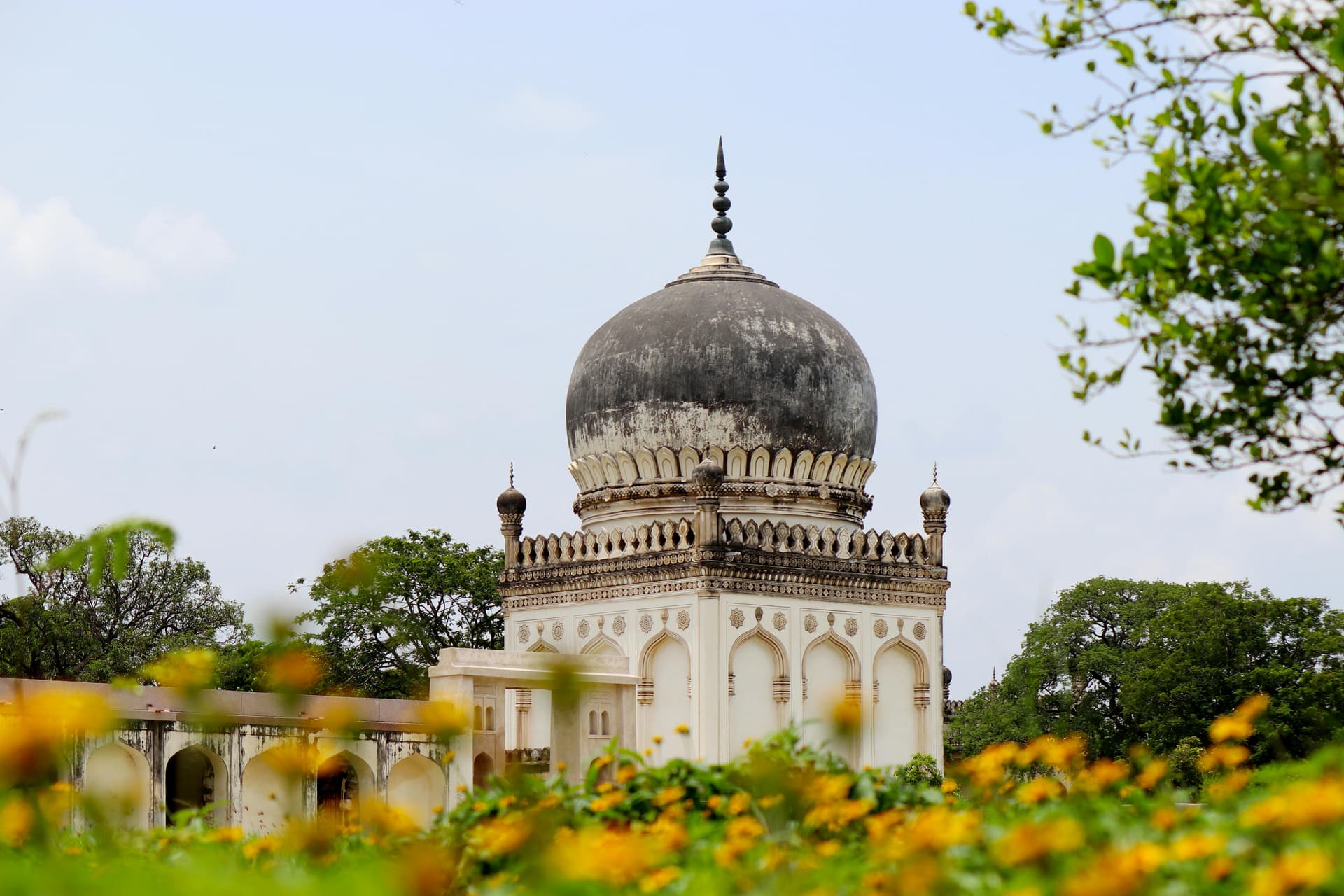
Architectural Elegance: The Qutub Shahi Tombs are celebrated for their unique architectural style, which combines Persian, Afghan, and Indian influences. The tombs are characterized by their grand domes, intricate plasterwork, and ornamental details. Each tomb is an example of the Qutub Shahi dynasty's grandeur, with domes rising high above the mausoleums, surrounded by lush gardens and reflecting pools.
Notable Tombs:
- Tomb of Muhammad Quli Qutub Shah: The founder of Hyderabad, Muhammad Quli Qutub Shah's tomb is one of the most prominent structures in the complex. It features an octagonal base, an imposing dome, and intricate stone carvings.
- Tomb of Sultan Quli Qutub Shah: The tomb of Sultan Quli Qutub Shah, the founder of the Qutub Shahi dynasty, is another significant structure. It is distinguished by its elegant architecture and historical importance.
- Tomb of Ibrahim Quli Qutub Shah: This tomb is notable for its architectural beauty and the elaborate carvings that adorn its walls.
Historical Significance: The tombs serve as a mausoleum for the seven rulers of the Qutub Shahi dynasty, who ruled the Golconda Sultanate from the 16th to the 17th centuries. They provide valuable insights into the dynastic succession, royal customs, and grandeur of the era.
Surrounding Gardens: The tombs are set within well-maintained gardens, adding to the tranquil atmosphere of the site. The lush green lawns, flower beds, and shaded pathways create a peaceful environment, making it a pleasant place for visitors to explore.
Nearby Attractions
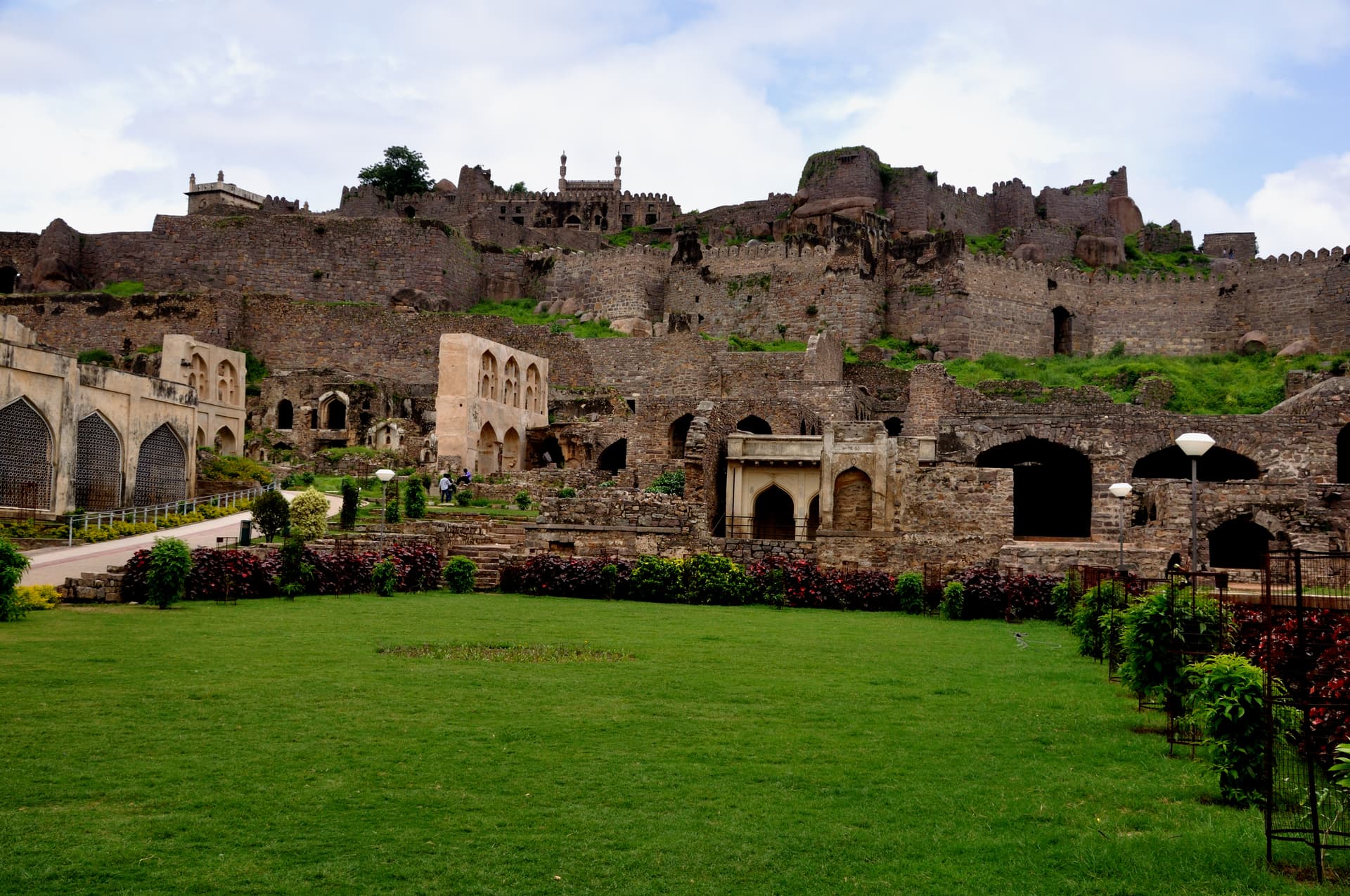
Golconda Fort: Located nearby, Golconda Fort is a must-visit landmark. Known for its imposing walls, ancient architecture, and acoustic marvels, the fort provides historical context to the Qutub Shahi Tombs. Visitors can explore the fort's extensive ruins, including the palaces, temples, and the famed Fateh Rahben gun.
Charminar: A short drive from the tombs, Charminar is one of Hyderabad's most iconic landmarks. Built in 1591, this grand structure features four arches and a bustling bazaar around it, offering a glimpse into the city’s vibrant culture and history.
Qutub Shahi Archaeological Park: Adjacent to the tombs, this park is dedicated to the preservation and study of the Qutub Shahi dynasty's heritage. It includes several other historical structures, including smaller tombs and mosques, enriching the visitor’s experience of the era.
Hussain Sagar Lake: A bit further away, Hussain Sagar Lake is a popular spot for relaxation and leisure. The lake features a large statue of Buddha and offers boat rides and scenic views of the city, making it a great place to unwind after exploring historical sites.
Salar Jung Museum: Located a bit farther from the tombs, the Salar Jung Museum is one of India’s largest art museums. It houses a vast collection of artifacts, including sculptures, paintings, and manuscripts, providing additional historical context for the region.
Best Time to Visit
The best time to visit the Qutub Shahi Tombs is from October to March when the weather in Hyderabad is pleasant and cooler. During these months, the temperatures are moderate, making it comfortable for exploring the historical site. The summer months, from April to June, can be quite hot, so visiting during the cooler months is preferable.

Leave the planning to a local expert
Conclusion
The Qutub Shahi Tombs in Hyderabad offer a unique and enriching glimpse into the grandeur of the Qutub Shahi dynasty. Their distinctive architectural style, historical significance, and serene surroundings make them a fascinating destination for history enthusiasts and tourists alike. The nearby attractions, including Golconda Fort and Charminar, complement the visit, providing a comprehensive experience of Hyderabad’s rich heritage.
A visit to the Qutub Shahi Tombs is more than just a journey through ancient mausoleums; it is an exploration of a bygone era’s art, culture, and architectural brilliance. The tranquil gardens, intricate carvings, and historical context create a memorable experience, allowing visitors to connect with the legacy of the Qutub Shahi rulers and the vibrant history of Hyderabad.