
Albert Hall Museum
.jpg&w=1920&q=75)
Overview
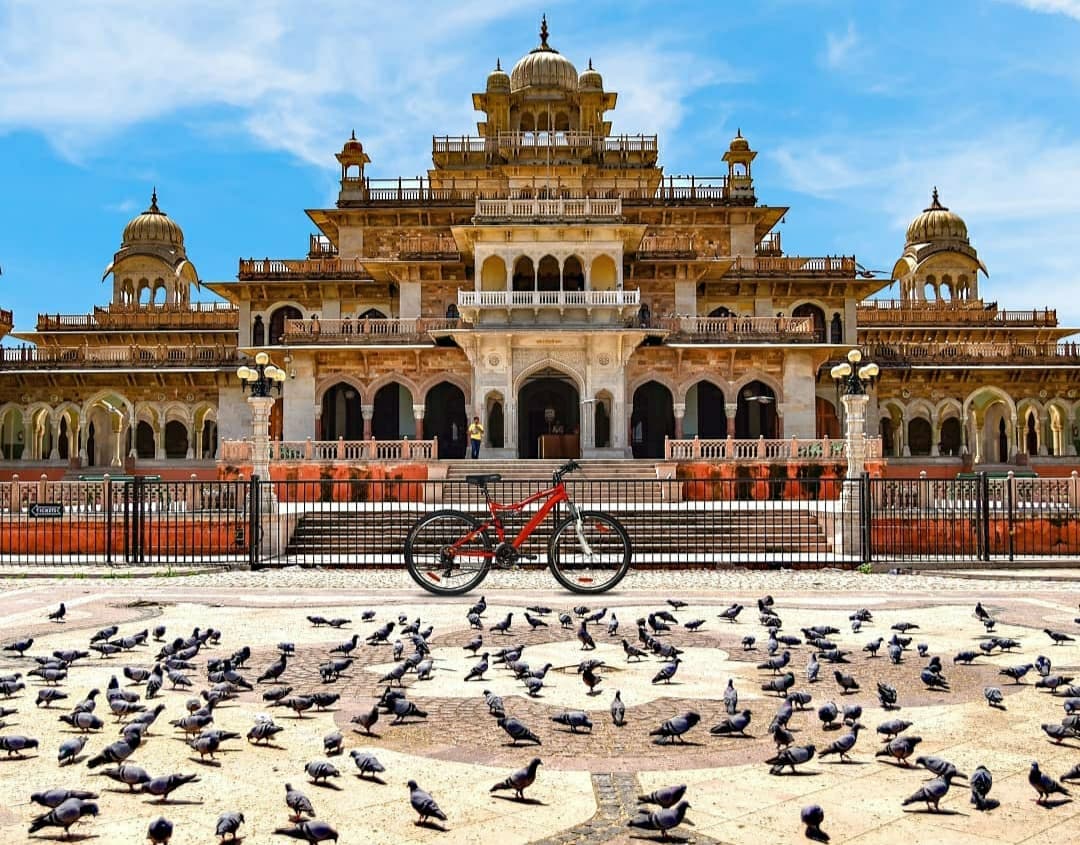
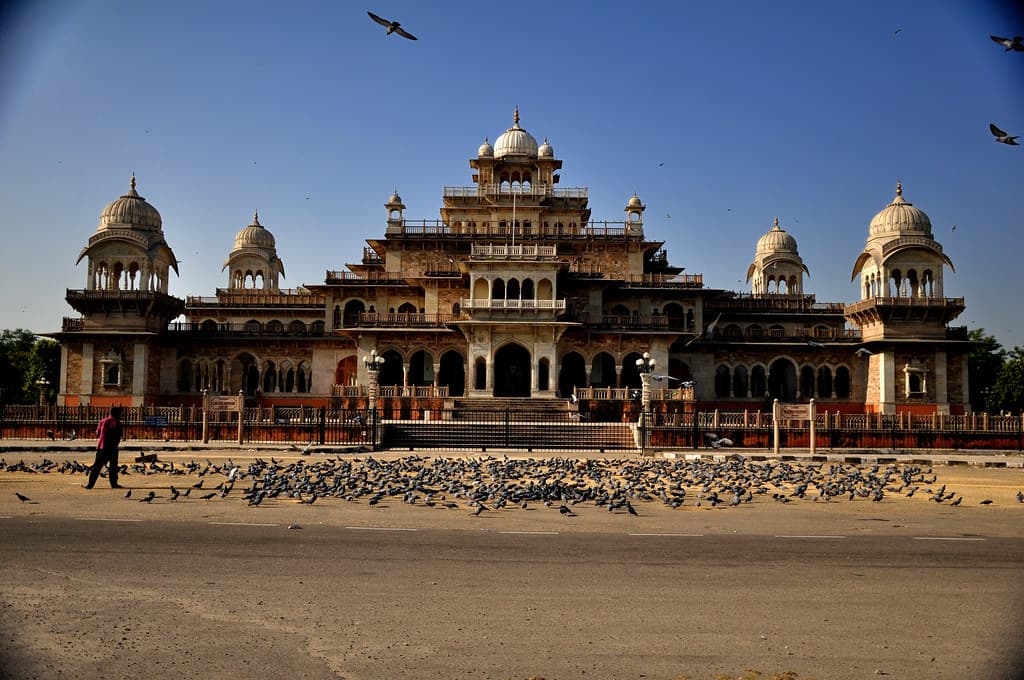
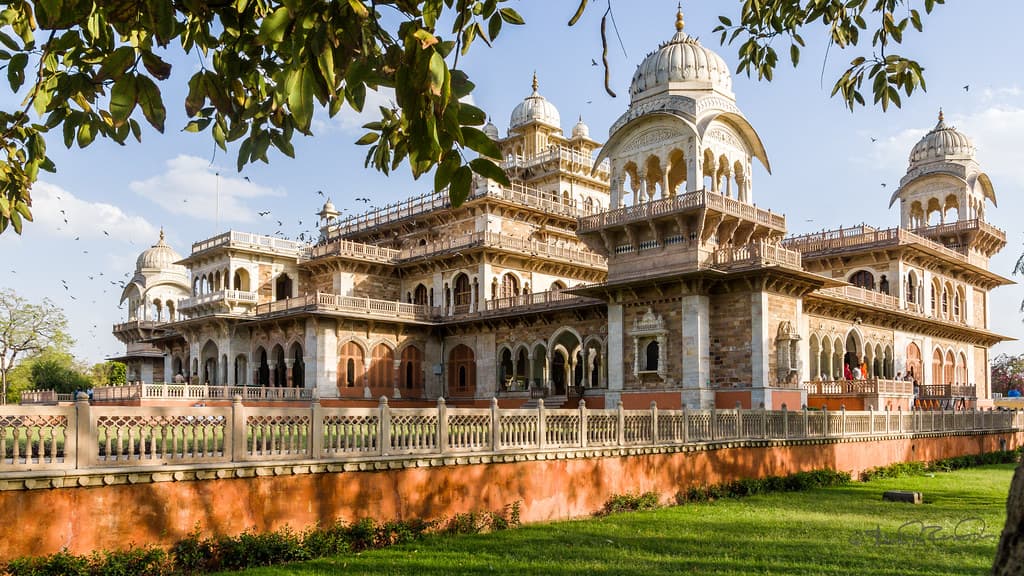
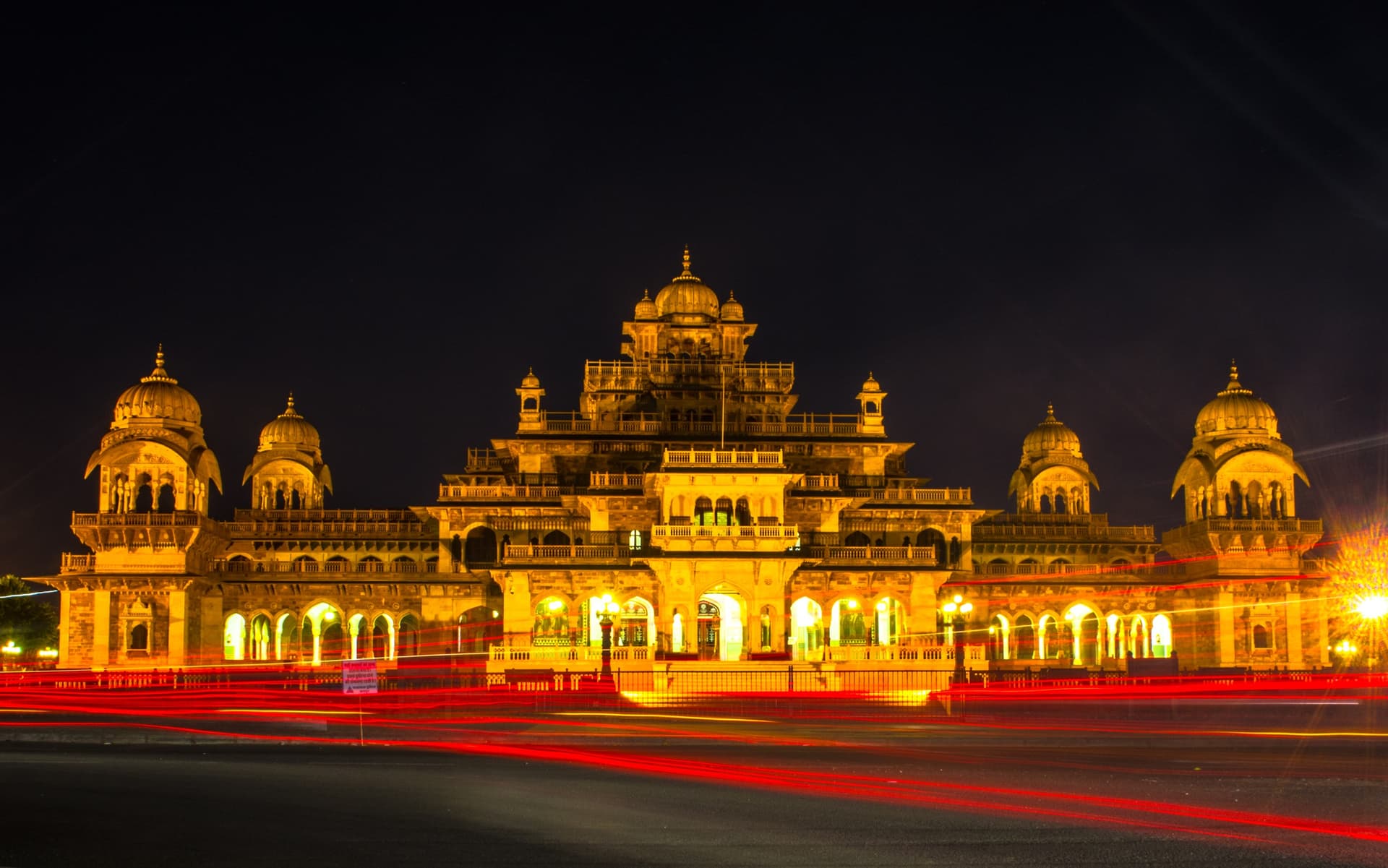
Albert Hall Museum, located in Jaipur, Rajasthan, stands as a testament to the city's rich heritage and architectural grandeur. Established in 1887, this museum is housed in a stunning Indo-Saracenic building that blends traditional Indian and British architectural styles. The museum’s extensive collection includes ancient artifacts, sculptures, and textiles, showcasing the diverse cultural history of Rajasthan. Visitors can explore exhibits featuring miniature paintings, royal armory, and intricate jewelry, offering a glimpse into the opulent past of the region. The museum's central location in Ram Niwas Garden also provides an excellent backdrop for exploring the cultural heart of Jaipur.
Key Features and Attractions
Architectural Design: The museum's architecture is notable for its fusion of Indian and European styles. Its facade features a series of arches and domes, coupled with intricate lattice work and ornamental details. The central dome is particularly impressive, standing out as a major architectural highlight.
Collection: The Albert Hall Museum houses an extensive collection of artifacts from various periods of Indian history. Key exhibits include:
- Paintings: The museum showcases a range of traditional Rajasthani and Mughal paintings.
- Sculptures: An assortment of sculptures from various periods, including Hindu and Jain deities.
- Arms and Armor: An impressive collection of medieval weaponry and armor, reflecting the martial traditions of Rajasthan.
- Coins and Pottery: Historical coins and pottery that provide insights into the region’s economic and cultural exchanges.
Textiles and Jewelry: The museum displays a significant collection of traditional Rajasthani textiles and jewelry, including intricately designed costumes and ornate pieces of jewelry that highlight the craftsmanship of the region.
Egyptian Mummy: One of the museum’s unique exhibits is an Egyptian mummy, a rare artifact that attracts significant interest. This exhibit provides a glimpse into ancient Egyptian customs and practices.
Cultural Heritage
Albert Hall Museum plays a crucial role in preserving and presenting the cultural and artistic heritage of Rajasthan. Its exhibits span various aspects of the region's history, from royal collections to everyday artifacts, reflecting the diversity and richness of Indian culture.
Nearby Attractions
City Palace: Located a short distance from the museum, the City Palace is a majestic complex showcasing the opulence of the Jaipur royal family.
Hawa Mahal: Known as the "Palace of Winds," this iconic structure is famous for its intricately designed facade.
Jantar Mantar: An astronomical observatory with remarkable instruments, Jantar Mantar offers insights into ancient astronomical practices.
Jal Mahal: Situated in the middle of Man Sagar Lake, Jal Mahal is a picturesque palace that provides a contrast to the arid landscape of Jaipur.
Local Cuisine
Jaipur is renowned for its vibrant cuisine, characterized by rich, spicy flavors. Local dishes to try include:
- Dal Baati Churma: A traditional Rajasthani dish featuring lentil curry, baked bread rolls, and a sweet, crumbly dessert.
- Pyaaz Kachori: Spiced onion-filled pastries that are a popular snack.
- Ghevar: A sweet disc-shaped dessert made from flour and sugar syrup, often enjoyed during festivals.

Leave the planning to a local expert
Tips for Visitors
Timing: Visit early in the morning or late in the afternoon to avoid crowds and enjoy a more relaxed experience.
Guided Tours: Consider hiring a local guide to gain deeper insights into the exhibits and the museum’s history.
Dress Code: Dress modestly, keeping in mind the cultural norms of the region.
Photography: Check the museum’s photography policy, as some exhibits might have restrictions.
Conclusion
Albert Hall Museum in Jaipur offers a compelling journey through Rajasthan’s past, showcasing an array of artifacts that reflect the region's rich cultural and artistic heritage. Its architectural grandeur and diverse exhibits make it a must-visit for anyone interested in exploring the historical and cultural depths of Rajasthan. Whether you're captivated by historical artifacts, intrigued by architectural design, or simply eager to learn about local traditions, the museum provides a comprehensive and engaging experience.