
Amber Fort

.jpg&w=1920&q=75)
Overview
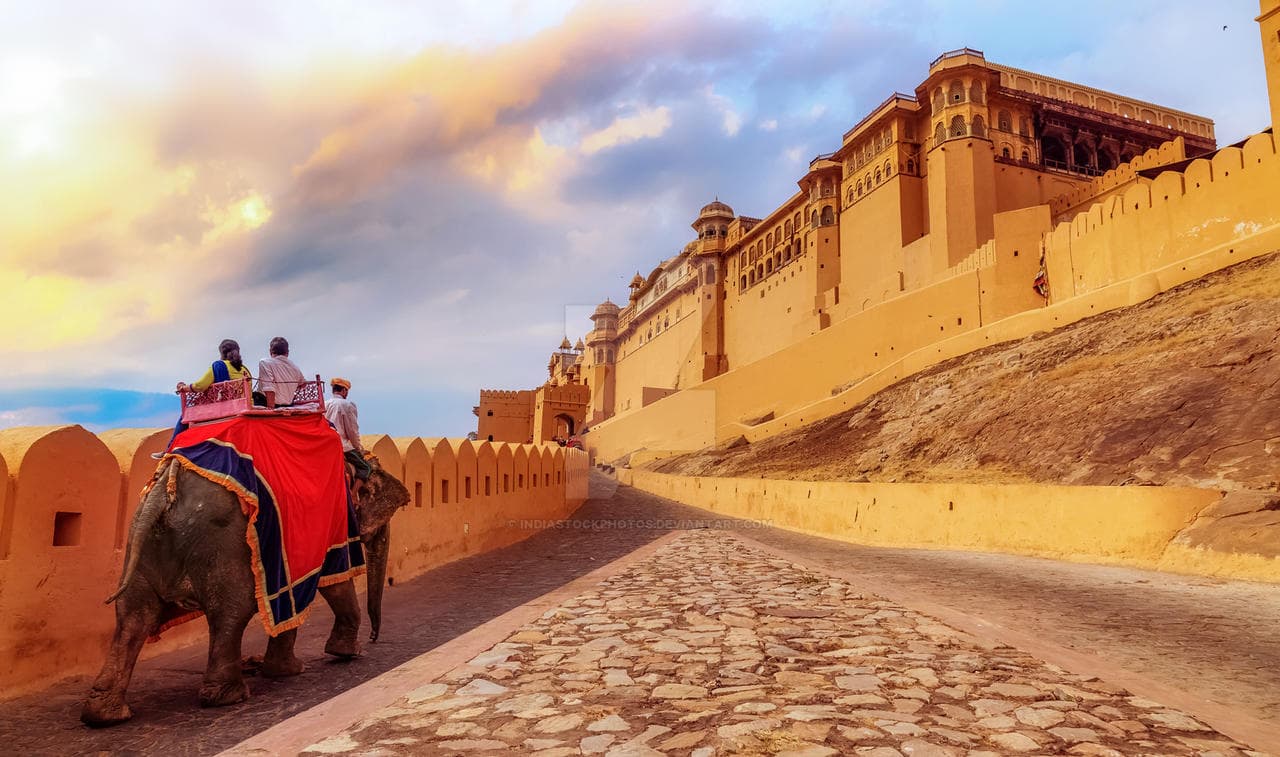
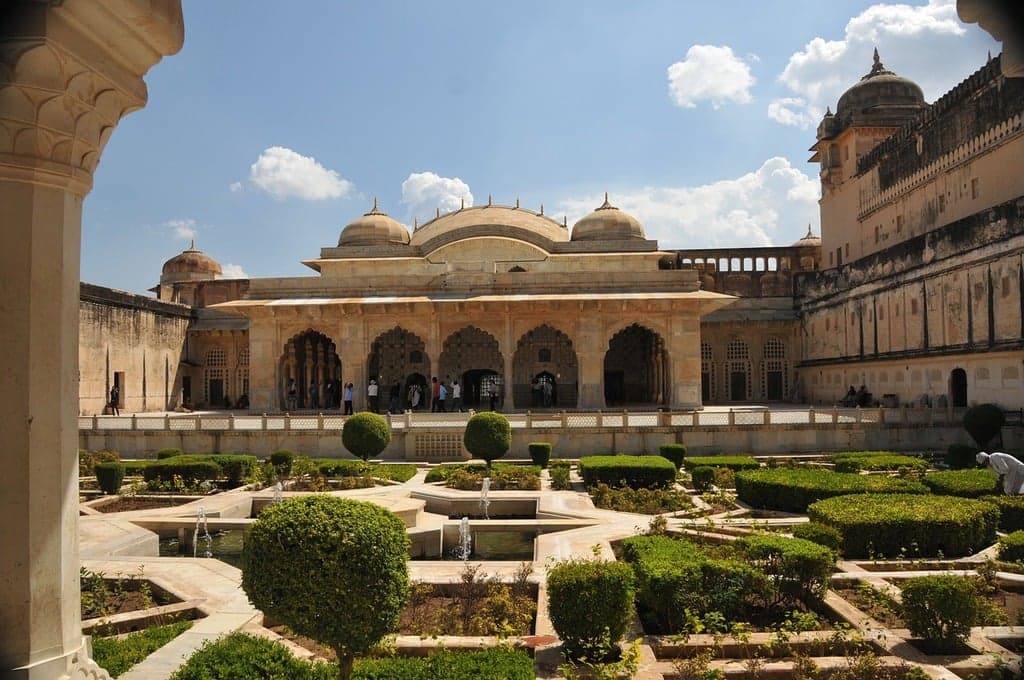
Amber Fort, located just outside Jaipur, is a majestic fortress renowned for its grand architecture and historical significance. Built in the 16th century by Raja Man Singh I, this fort stands atop a hill, offering a commanding view of the surrounding landscape. The fort's intricate design features a blend of Hindu and Rajput elements, with its elaborate courtyards, beautifully decorated halls, and expansive ramparts. Highlights include the Sheesh Mahal, or Mirror Palace, known for its dazzling mirror work, and the Diwan-e-Aam, or Hall of Public Audience, which showcases impressive architectural detailing. The fort also houses several temples and gardens, each adding to its rich cultural tapestry. Amber Fort is a testament to India's architectural prowess and offers visitors a deep dive into the region's regal heritage.
Key Features and Attractions
Entrance and Main Courtyard: The fort is accessed through the Sun Gate (Suraj Pol) or the Main Gate (Ganesh Pol). The fort’s entrance is adorned with intricate carvings and provides access to the main courtyard where visitors can admire the sprawling courtyards and stunning views of the surrounding landscape.
Diwan-i-Am (Hall of Public Audience): This hall is where the king would address the common people. It features a series of arches and columns with ornate designs, reflecting the intricate craftsmanship of the era.
Diwan-i-Khas (Hall of Private Audience): The Diwan-i-Khas was used for private meetings with courtiers and diplomats. Its most notable feature is the magnificent Ganesh Pol, an elaborately decorated gate adorned with frescoes and mirrorwork.
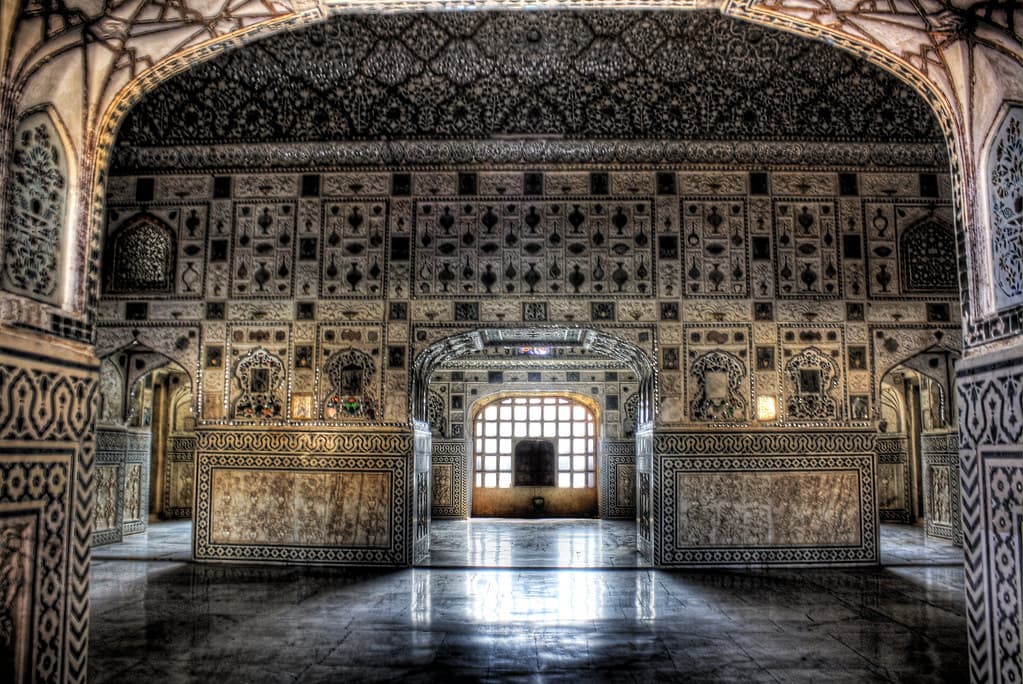
Sheesh Mahal (Mirror Palace): One of the most exquisite parts of the fort, the Sheesh Mahal is renowned for its elaborate mirror work. The walls and ceilings are adorned with thousands of tiny mirrors, creating a dazzling effect when illuminated.
Sukh Niwas (Pleasure Palace): This area of the fort is known for its cooling system, which was ingeniously designed with water channels and a system of vents to keep the rooms cool. It offers a glimpse into the luxurious living conditions of the Rajput royalty.
Jaleb Chowk: The main courtyard of the fort, Jaleb Chowk, was used for celebrations and gatherings. It is surrounded by several important buildings and offers a central point from which visitors can explore the fort.
Cultural Heritage
Amber Fort showcases a blend of Hindu and Mughal architectural styles. Its design incorporates elements such as ornate jali (lattice) work, intricate frescoes, and elaborate tile work. The fort reflects the fusion of these cultural influences, highlighting the historical interactions between different regions and their artistic achievements.
Nearby Attractions
Jaigarh Fort: Located on the same hill as Amber Fort, Jaigarh Fort offers panoramic views of the surrounding area and houses one of the largest cannons in the world, the Jaivana Cannon.
Nahargarh Fort: Situated on the Aravalli Hills, Nahargarh Fort provides spectacular views of the Pink City (Jaipur) and is known for its architectural beauty and historical significance.
City Palace: In the heart of Jaipur, the City Palace is a complex of palaces and courtyards that showcases the opulence of the Rajput rulers. The museum within the palace offers insights into royal artifacts and history.
Hawa Mahal: Also known as the Palace of Winds, Hawa Mahal is famous for its unique façade with numerous small windows, designed to allow royal ladies to observe street life without being seen.
Local Cuisine
Jaipur offers a variety of local cuisines that reflect its rich culinary heritage:
Dal Baati Churma: A traditional Rajasthani dish consisting of round wheat bread (baati) served with lentil curry (dal) and a sweet crumbled wheat mixture (churma).
Gatte ki Sabzi: A spicy curry made with gram flour dumplings, showcasing the bold flavors typical of Rajasthani cuisine.
Laal Maas: A fiery mutton curry made with a variety of spices and red chilies, offering an authentic taste of Rajasthani flavors.
Pyaaz Kachori: Deep-fried pastry filled with a spiced onion mixture, popular as a snack or breakfast item.

Leave the planning to a local expert
Tips for Visitors
Best Time to Visit: The best time to visit Amber Fort is between October and March when the weather is cooler and more pleasant.
Dress Code: Wear comfortable, lightweight clothing and sturdy shoes as you will be walking a lot. It is also advisable to dress modestly out of respect for local customs.
Timing: Aim to visit early in the morning or late afternoon to avoid the crowds and enjoy a more leisurely exploration.
Photography: Photography is allowed in most areas, but be mindful of any restrictions, especially in specific rooms like the Sheesh Mahal.
Hydration: Carry water with you, especially during the hotter months, to stay hydrated while exploring the fort.
Conclusion
Amber Fort stands as a testament to the rich history and architectural brilliance of the Rajput era. Its majestic walls and intricate designs offer a captivating experience for history enthusiasts and tourists alike. With its blend of historical significance, cultural richness, and nearby attractions, Amber Fort is a highlight of any visit to Jaipur.