
Birla Mandir, Jaipur

Overview
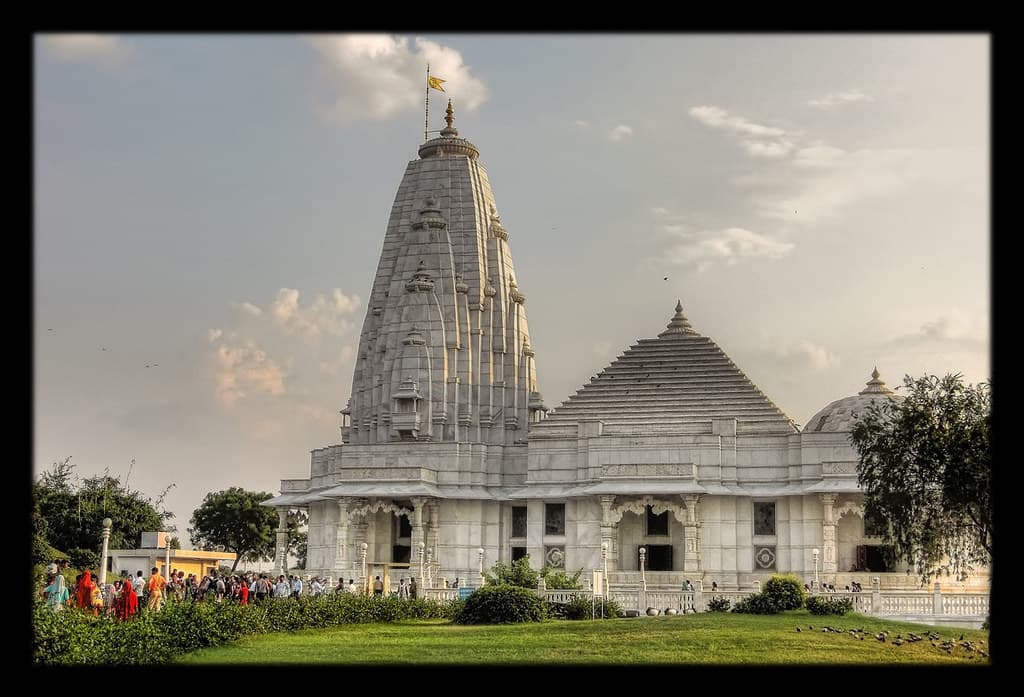
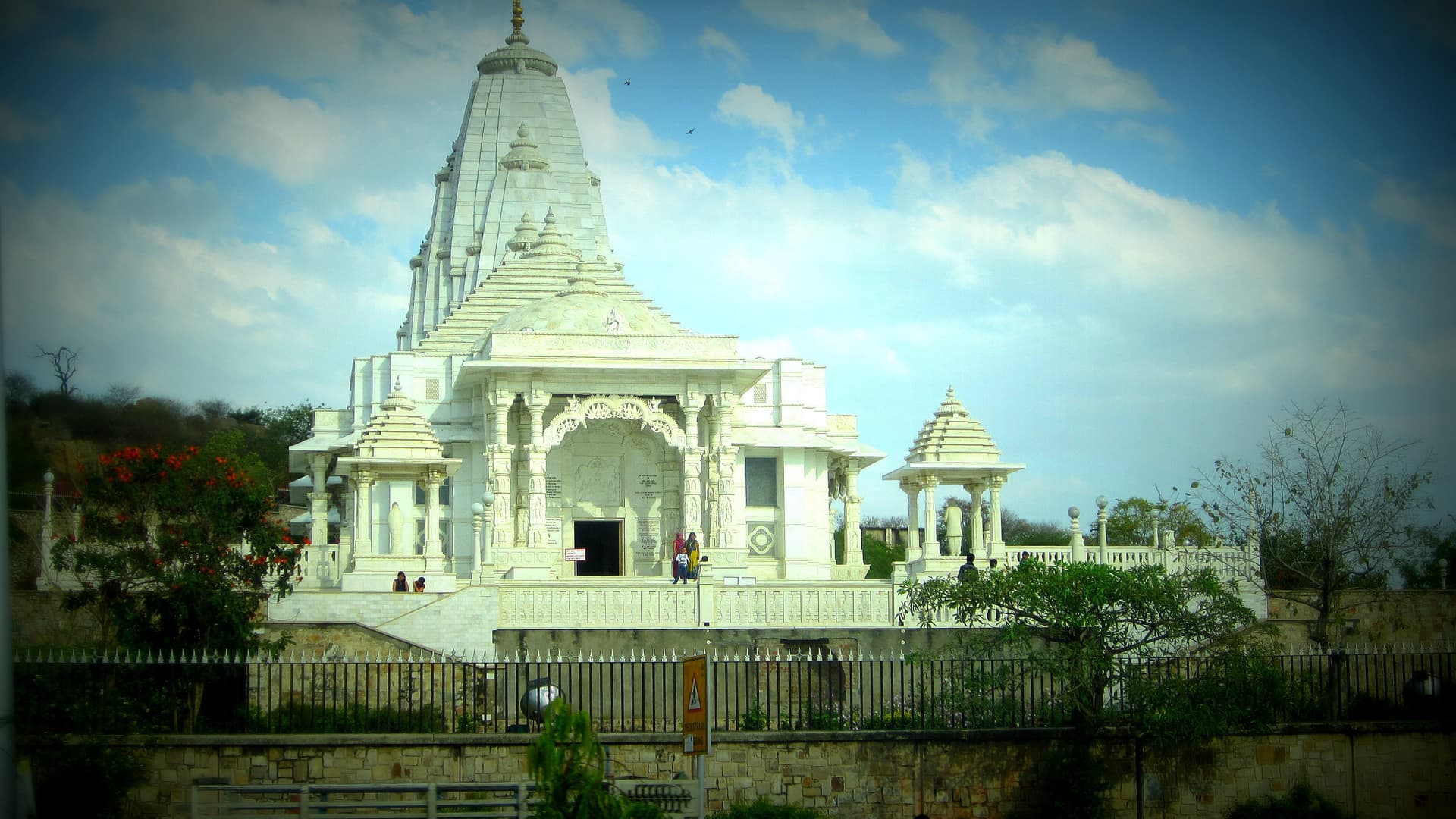
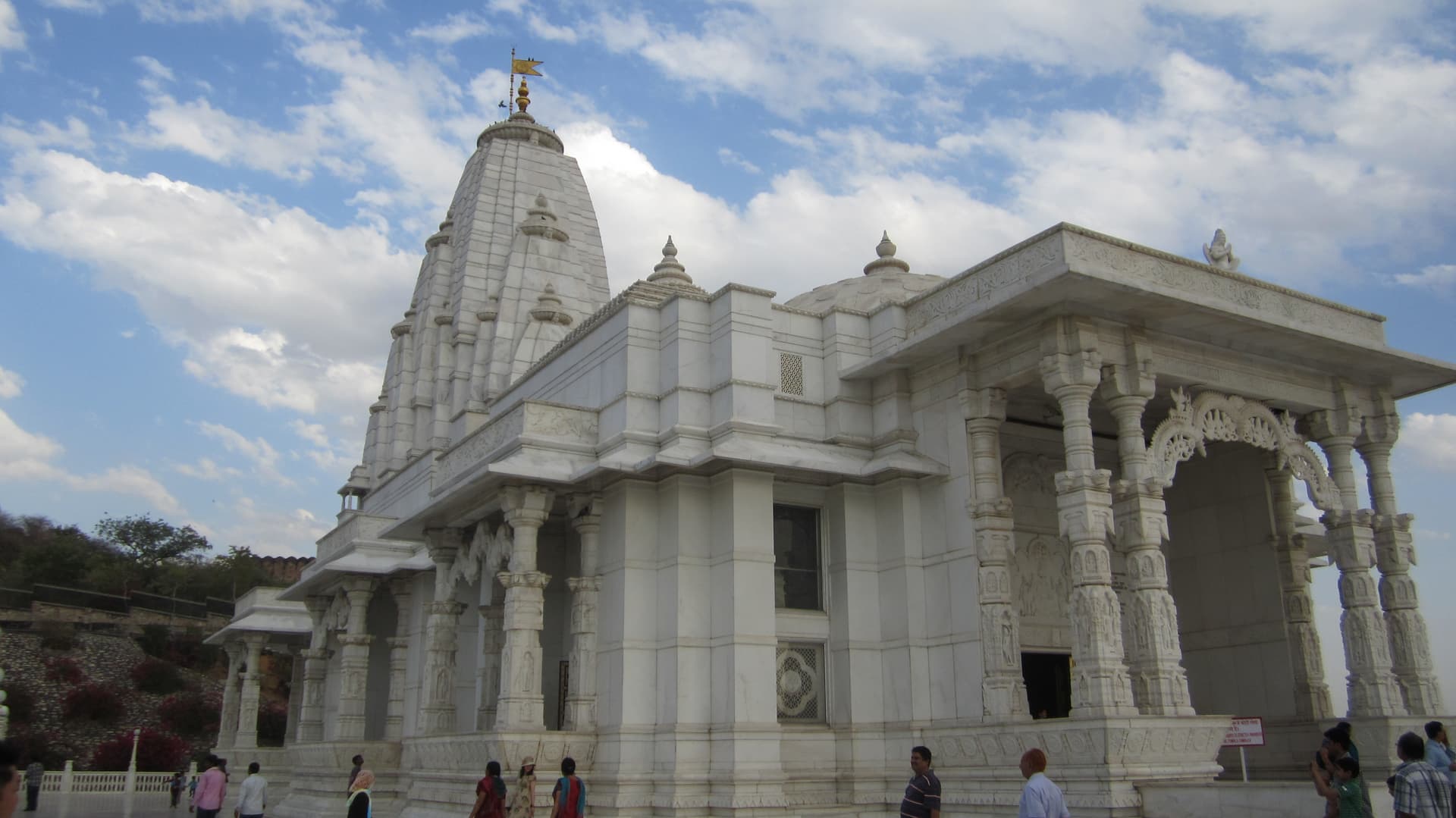
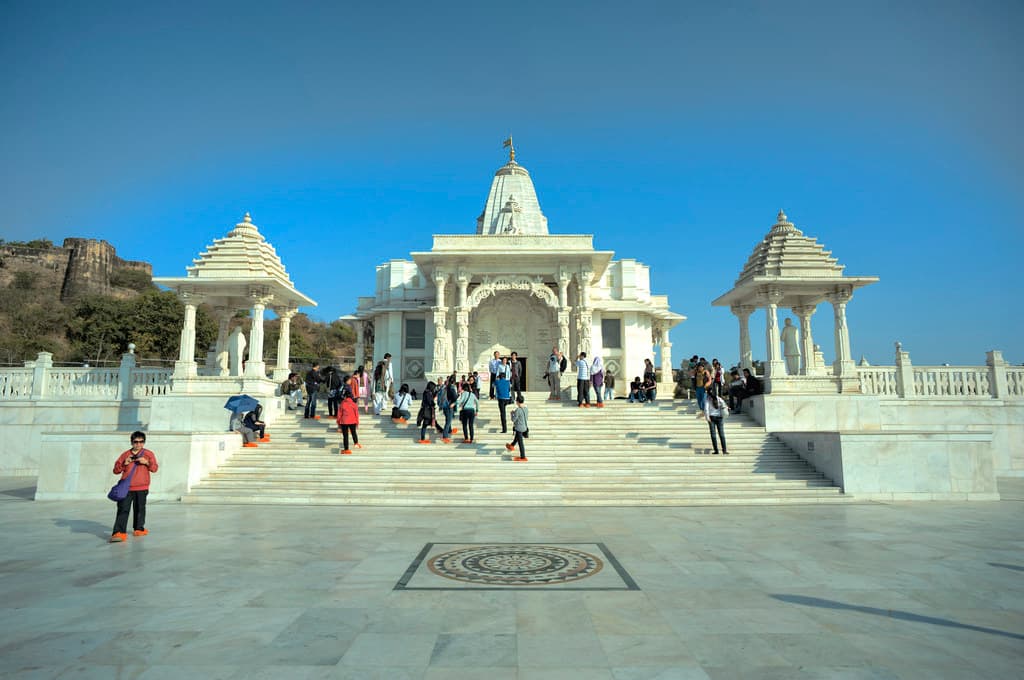
Birla Mandir in Jaipur, also known as the Laxmi Narayan Temple, stands as a significant symbol of modern Hindu architecture. Built in the early 20th century by the Birla family, this temple is dedicated to Lord Vishnu and Goddess Lakshmi. It is distinguished by its striking white marble structure, which gleams against the backdrop of the Aravalli hills. The temple's intricate carvings and detailed sculptures reflect a high level of craftsmanship and devotion. Visitors are often captivated by the peaceful ambiance within its walls, offering a moment of reflection and connection. The surrounding gardens and the panoramic views of Jaipur add to the temple’s appeal, making it a must-visit destination for both spiritual seekers and architecture enthusiasts.
Label: Religious
How to reach: Bike, bus, taxi, auto
Timings: 8:00 AM to 12:00 PM and 4:00 PM to 9:00 PM
Time Required: 1-2 hours
Entry Fee: Free
Key Features and Attractions
Samrat Yantra: The world's largest sundial, this monumental structure stands at a height of 27 meters. It measures time with remarkable precision, down to two seconds. The Samrat Yantra's shadow moves visibly at a rate of about 1 millimeter per second, allowing observers to witness the passage of time.
Jaiprakash Yantra: This instrument consists of two hemispherical bowls with marked marble slabs. It is used to find the positions of celestial objects. Observers can visualize the movement of the sun and stars within the bowls' reflective surfaces.
Rama Yantra: Unique to Jantar Mantar, the Rama Yantra consists of two large cylindrical structures with open tops. It is designed to measure the altitude and azimuth of celestial bodies, providing a direct reading without any complex calculations.
Chakra Yantra: This small yet significant instrument is used to measure the declination of celestial objects. It is notable for its simplicity and accuracy in astronomical observations.
Misra Yantra: This composite instrument combines five different devices used to determine the shortest and longest days of the year, the exact moment of noon in various cities worldwide, and more. It exemplifies the advanced scientific knowledge of the time.
Cultural Heritage
Jantar Mantar is a testament to the scientific and architectural ingenuity of early 18th-century India. It reflects the era's advancements in astronomy and the dedication of Maharaja Sawai Jai Singh II to expanding astronomical knowledge. The observatory serves as an educational and cultural bridge, connecting contemporary visitors with the scientific achievements and cultural practices of historic India.
Nearby Attractions
City Palace: Located adjacent to Jantar Mantar, the City Palace complex includes courtyards, gardens, and buildings that blend Rajasthani and Mughal architecture. The museum within the palace showcases royal costumes, artifacts, and armory.
Hawa Mahal: Also known as the Palace of Winds, this five-story structure is famed for its intricate latticework and 953 small windows. It was designed to allow royal women to observe street festivals while remaining unseen.
Albert Hall Museum: Situated in Ram Niwas Garden, this museum houses an extensive collection of artifacts, including paintings, pottery, jewelry, and sculptures from various periods of Indian history.
Local Cuisine
Jaipur offers a rich culinary experience, with traditional Rajasthani dishes that visitors should not miss:
- Dal Baati Churma: A classic Rajasthani dish consisting of baked wheat balls (baati), lentil curry (dal), and sweetened, crushed wheat (churma).
- Gatte ki Sabzi: Gram flour dumplings cooked in a spicy yogurt-based curry.
- Laal Maas: A fiery meat curry made with mutton, red chilies, and a variety of spices.
- Ker Sangri: A traditional desert vegetable dish made with dried beans and berries, flavored with spices and yogurt.
- Mawa Kachori: A sweet pastry filled with a mixture of mawa (dried milk) and nuts, deep-fried and soaked in sugar syrup.

Leave the planning to a local expert
Tips for Visitors
Best Time to Visit: The ideal time to visit Jantar Mantar is from October to March when the weather is pleasant. Early mornings or late afternoons are preferable to avoid the midday heat.
Guided Tours: Hiring a local guide can enhance the experience by providing detailed explanations of each instrument and its historical context.
Photography: Photography is allowed, but it's advisable to bring a wide-angle lens to capture the vast structures effectively.
Comfortable Footwear: The observatory covers a large area, so comfortable walking shoes are recommended.
Stay Hydrated: Carry water, especially during the hotter months, as exploring the site can be physically demanding.
Conclusion
Jantar Mantar in Jaipur stands as a remarkable fusion of science, history, and architecture. Its well-preserved instruments continue to fascinate visitors, offering a glimpse into the astronomical prowess of ancient India. Combined with nearby attractions, rich local cuisine, and a vibrant cultural backdrop, a visit to Jantar Mantar is a comprehensive and enriching experience that should not be missed when exploring Jaipur.