
City Palace, Jaipur
Overview
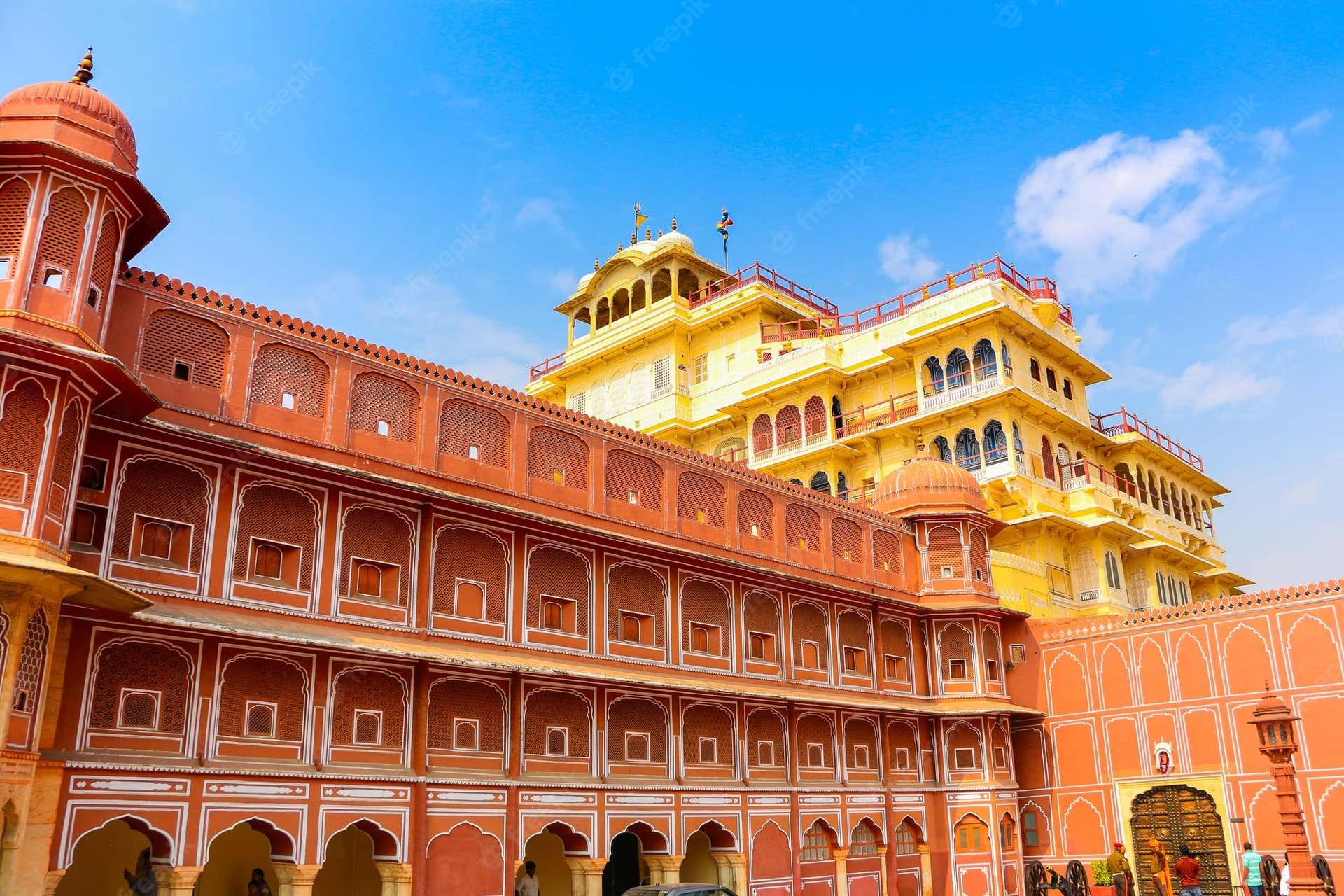
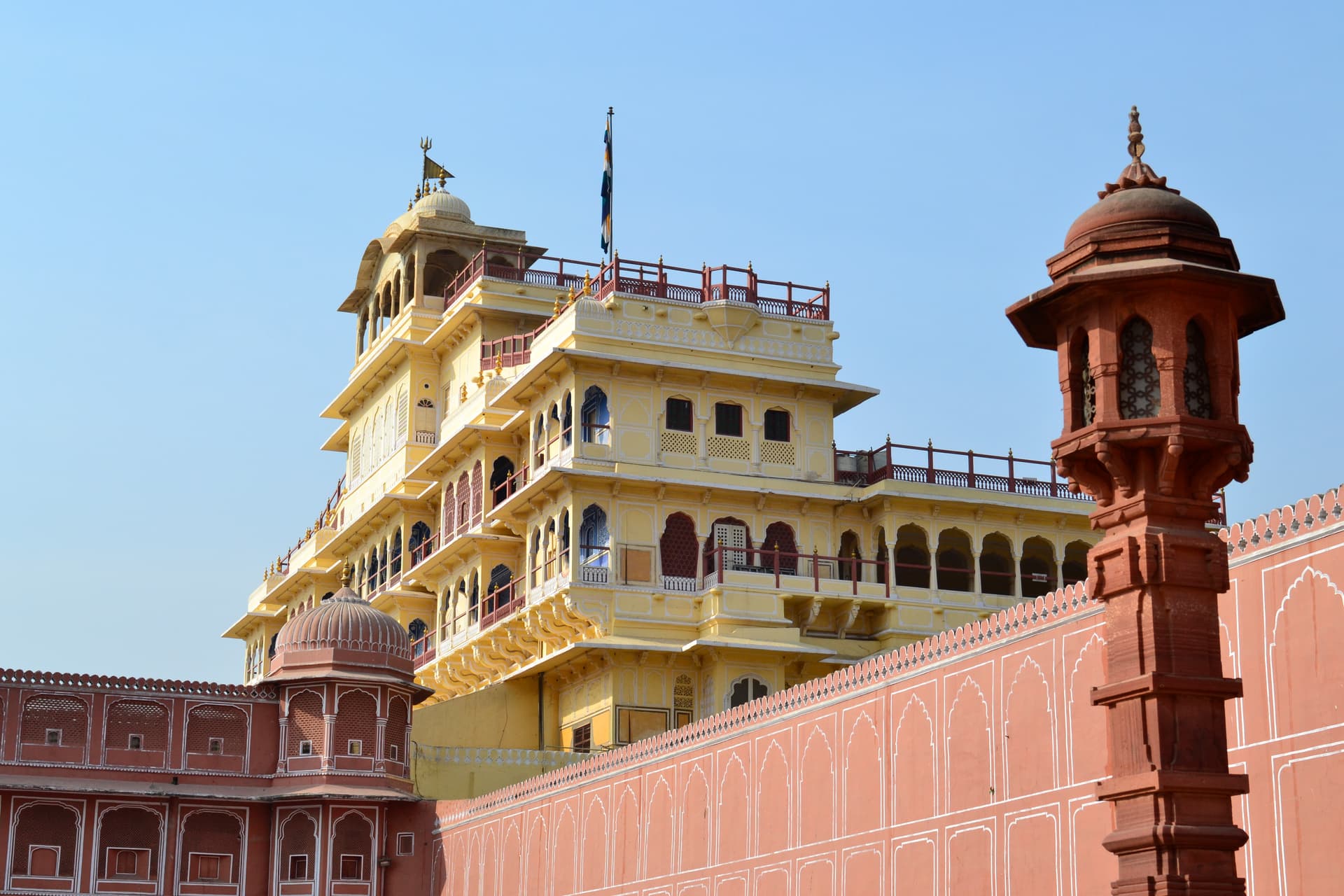
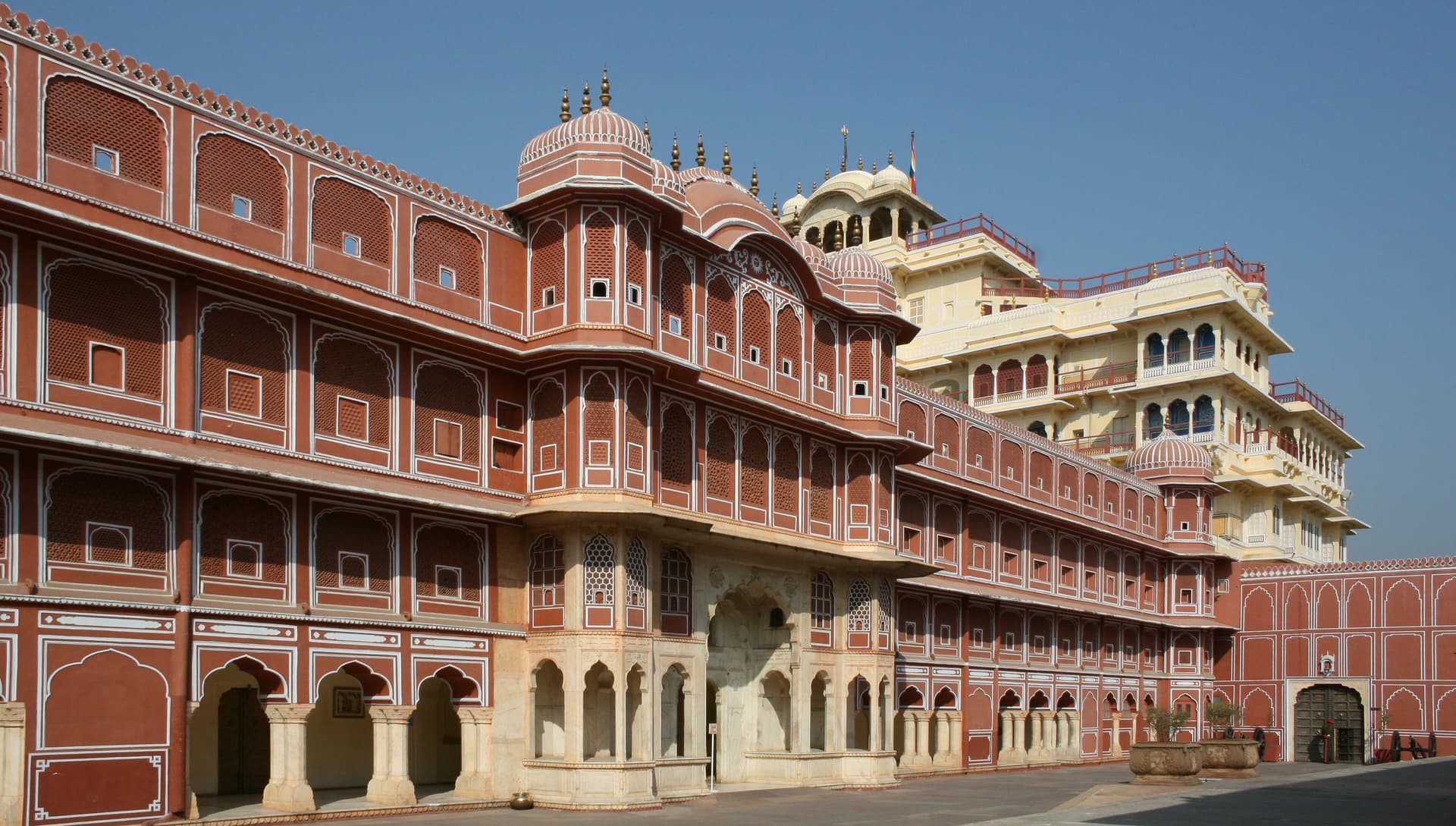
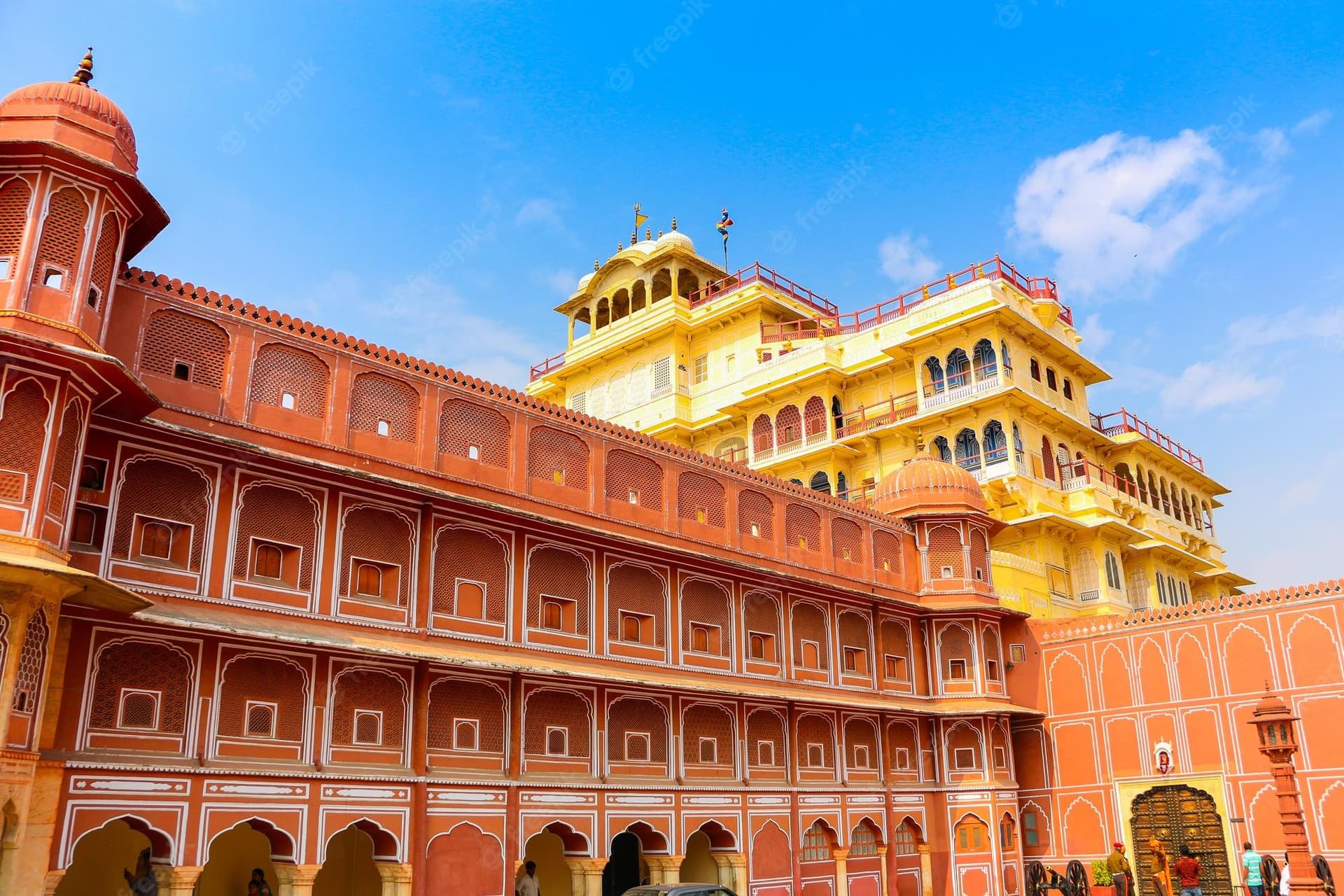
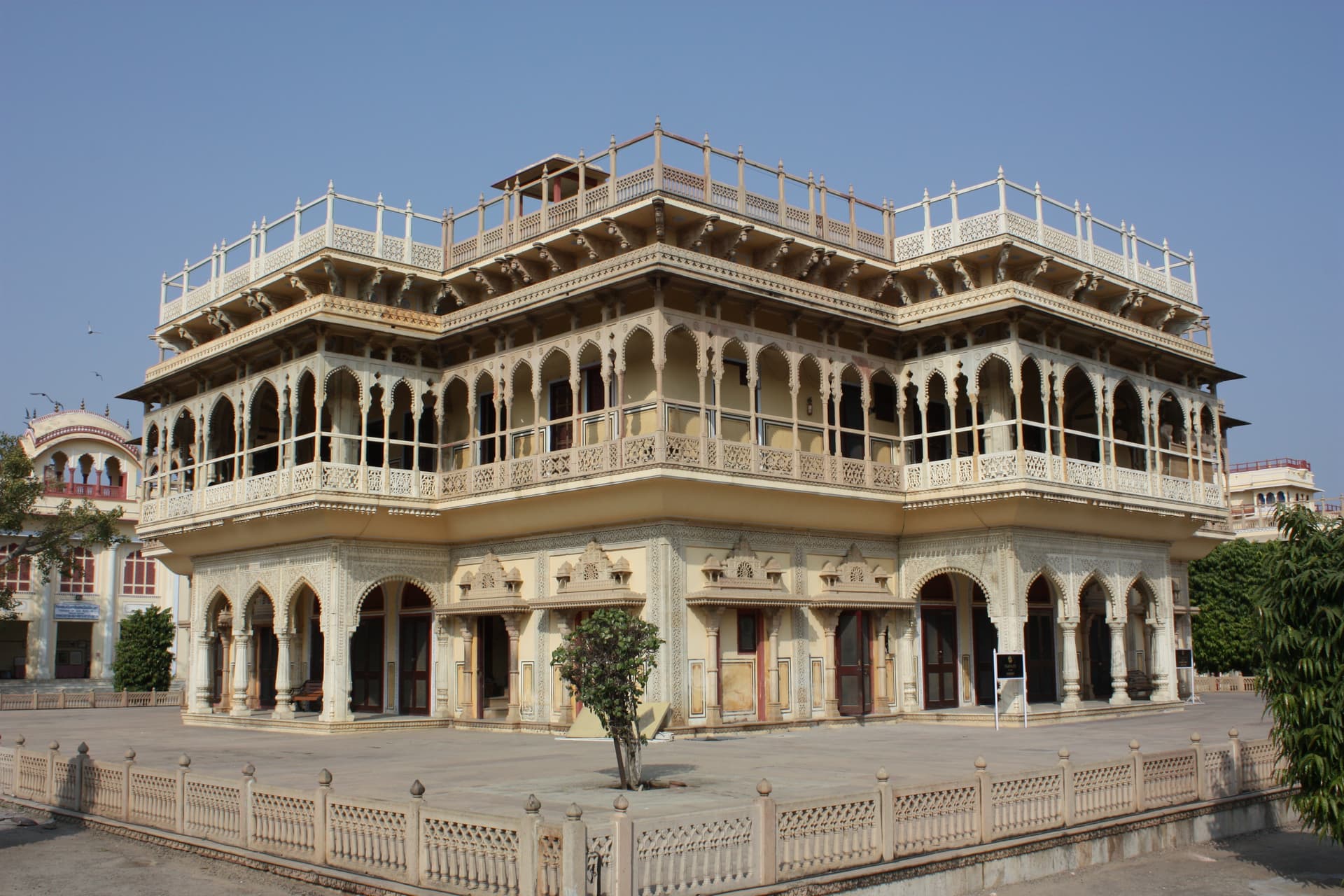
The City Palace in Jaipur is a stunning architectural marvel that seamlessly blends Mughal and Rajput styles. Located in the heart of the Pink City, the palace complex houses a series of courtyards, gardens, and buildings, each more intricate and impressive than the last. The palace's most notable structures include the Chandra Mahal, the Mubarak Mahal, and the Diwan-i-Khas, each adorned with detailed carvings, stunning frescoes, and opulent decor. Visitors can explore the museum housed within the Chandra Mahal, which showcases a fascinating collection of royal costumes, manuscripts, and artifacts, providing a glimpse into the regal history of Jaipur. The City Palace also offers breathtaking views of the surrounding city, making it a must-visit destination for anyone interested in the rich cultural heritage and architectural grandeur of Rajasthan.
Label: Must visit
How to reach: Bus, cab, taxi, rickshaw
Timings: 9:30 AM to 5 PM and 7 PM to 10 PM
Time Required: 2-3 hours
Entry Fee: INR 200 for adults and INR 100 for children
Key Features and Attractions
Chandra Mahal
- The main palace within the complex, Chandra Mahal, spans seven stories and is the most significant structure. Each floor has its own distinct name and purpose, with the topmost floor, known as Mukut Mahal, offering panoramic views of the city. The ground floor houses a museum displaying a range of artifacts, including royal costumes, manuscripts, and weapons.
2. Mubarak Mahal
- This structure was built by Maharaja Madho Singh II in the late 19th century to welcome guests. Today, it serves as a museum showcasing a collection of textiles, including royal formal wear, embroidered shawls, Kashmiri pashminas, and Benaras silk saris.
3. Diwan-i-Khas and Diwan-i-Aam
- The Hall of Private Audience (Diwan-i-Khas) and the Hall of Public Audience (Diwan-i-Aam) are notable for their exquisite decorations and historical significance. Diwan-i-Khas is known for its two sterling silver vessels, which are the largest in the world, while Diwan-i-Aam features intricately painted ceilings and a rich collection of miniature paintings.
4. Pritam Niwas Chowk
- This courtyard is famous for its four ornate gates, each representing a different season. The Peacock Gate symbolizes autumn, the Lotus Gate represents summer, the Green Gate (also known as the Leheriya Gate) signifies spring, and the Rose Gate denotes winter. Each gate is adorned with intricate designs and sculptures.
5. Baggi Khana
- This museum exhibits a variety of old carriages, palanquins, and European cabs used by the royal family, providing insight into the opulent lifestyle of the royals.
Cultural Heritage
The City Palace of Jaipur stands as a testament to the city’s rich cultural and historical legacy. The architecture of the palace complex is a unique blend of Rajput, Mughal, and European styles, reflecting the diverse influences that have shaped Jaipur over the centuries. The palace also serves as a venue for various cultural events, traditional festivals, and royal ceremonies, maintaining its historical significance and cultural relevance.
Nearby Attractions
Jantar Mantar
- Located just a short walk from City Palace, this UNESCO World Heritage site is an astronomical observatory built by Maharaja Jai Singh II, featuring a collection of 19 architectural astronomical instruments.
Hawa Mahal
- Also known as the Palace of Winds, this iconic structure is famous for its unique five-story exterior resembling the honeycomb of a beehive, with 953 small windows called jharokhas.
Jal Mahal
- Situated in the middle of the Man Sagar Lake, this beautiful palace offers a tranquil escape with its stunning reflection in the water, although visitors can only admire it from the shore.
Local Cuisine
Jaipur's culinary scene is a reflection of its rich cultural heritage. Visitors should not miss the opportunity to indulge in traditional Rajasthani dishes, such as:
- Dal Baati Churma: A classic combination of baked wheat rolls, lentil curry, and a sweet crumbled wheat dish.
- Laal Maas: A fiery meat curry cooked with red chilies and spices.
- Ghewar: A traditional sweet made during festivals, consisting of a honeycomb-like cake soaked in sugar syrup.
- Pyaaz Kachori: A deep-fried pastry filled with a spicy onion mixture, often enjoyed with tamarind chutney.

Leave the planning to a local expert
Tips for Visitors
Timing: The best time to visit City Palace is during the cooler months from October to March. The palace is open daily from 9:30 AM to 5:00 PM.
Footwear: Wear comfortable shoes as you will be walking a lot within the palace complex.
Photography: While photography is allowed in most areas, certain sections may have restrictions. Always check the guidelines.
Guided Tours: Hiring a guide or opting for an audio guide can enhance your visit, providing deeper insights into the history and significance of the various structures.
Tickets: Purchase tickets in advance, if possible, to avoid long queues. Combo tickets that include other attractions can be a good value.
Conclusion
City Palace, Jaipur, is not just a historical monument but a living piece of history that continues to fascinate visitors with its grandeur and rich cultural heritage. Whether you are a history buff, an architecture enthusiast, or simply a traveler seeking to experience the royal lifestyle, the City Palace offers a unique and unforgettable experience. From its intricate architectural details to its vibrant museums and cultural significance, the palace stands as a testament to the rich legacy of Jaipur’s royal past.