
Galta Ji Mandir
_img_01.jpg&w=1920&q=75)
_img_02.jpg&w=1920&q=75)
Overview
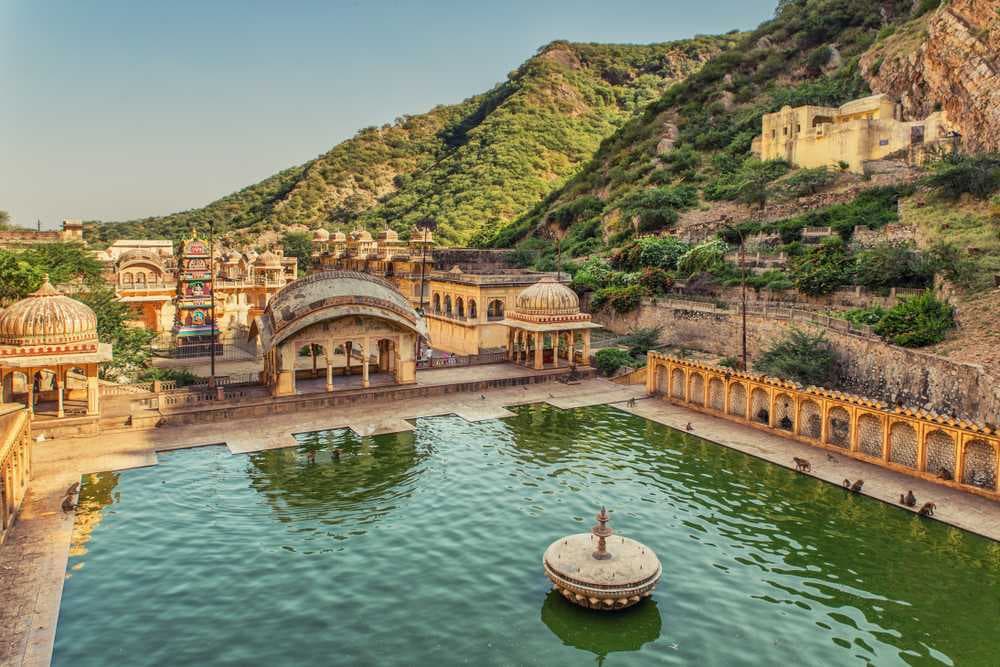
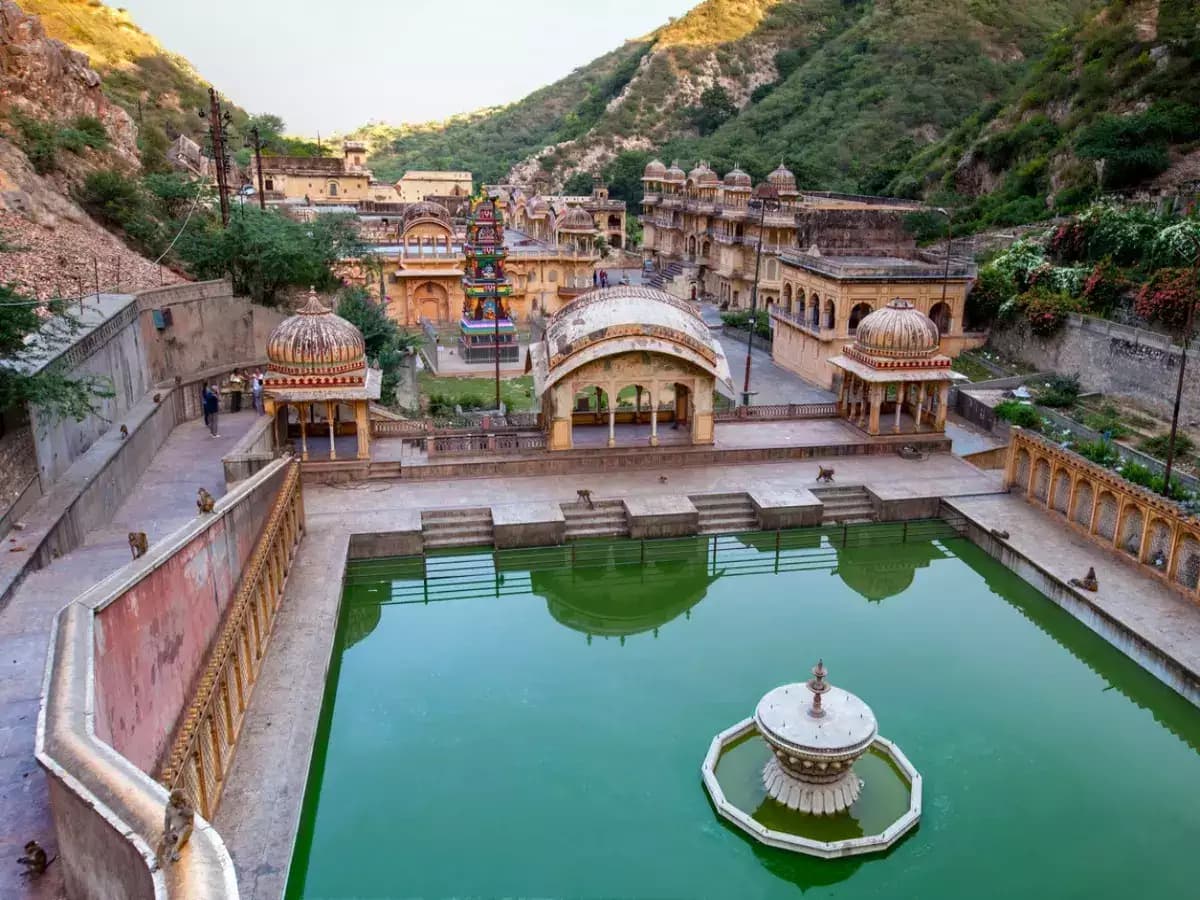
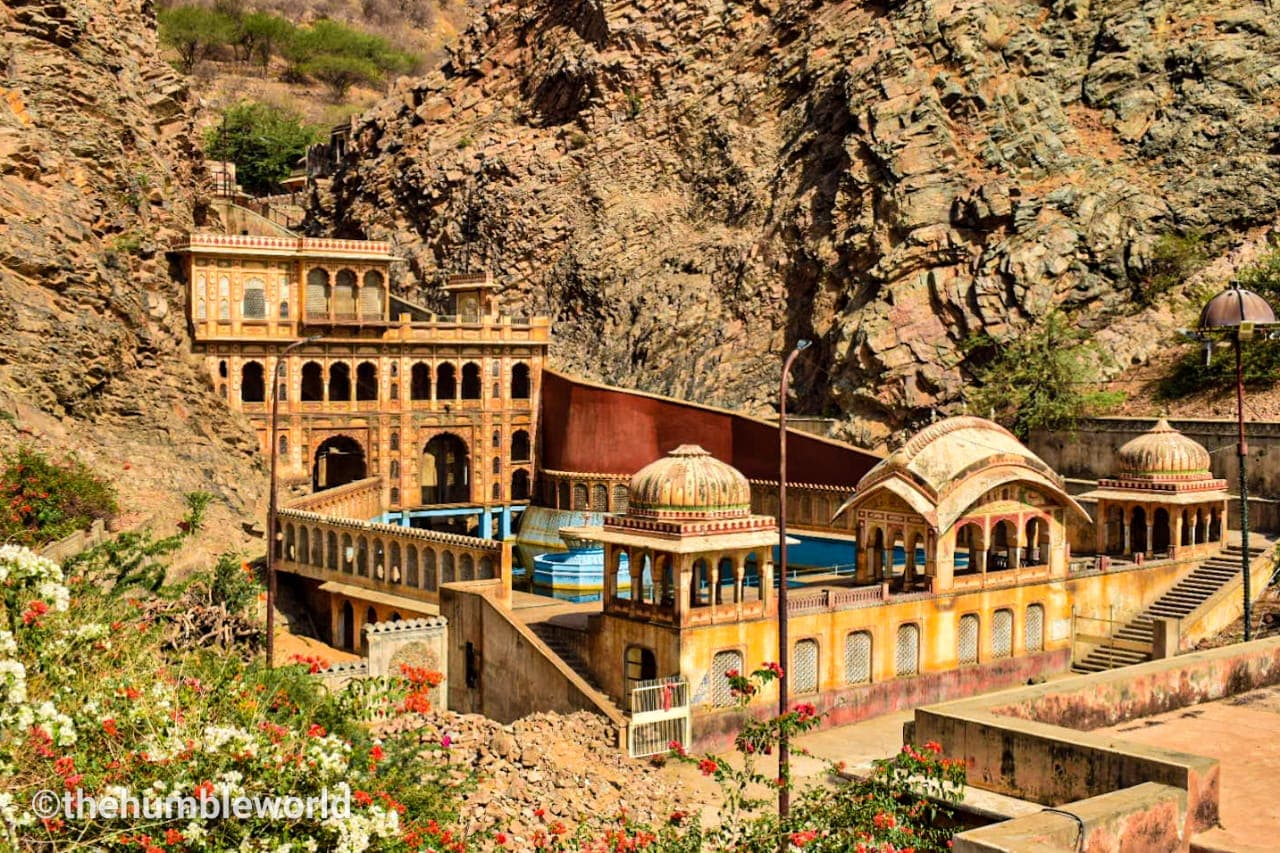
Galta Ji Mandir, nestled in the Aravalli Hills of Jaipur, is a significant pilgrimage site that captivates visitors with its unique blend of natural beauty and architectural grandeur. This ancient Hindu temple complex, often referred to as the Monkey Temple due to the large troop of monkeys that reside there, is dedicated to the Sun God and features a series of intricately carved shrines and pavilions. The temple is famous for its sacred water tanks, known as kunds, which are fed by a natural spring believed to possess curative properties. Pilgrims and tourists alike gather here to take a dip in these holy waters, particularly during the festival of Makar Sankranti. The main temple, perched atop a hill, offers panoramic views of the surrounding landscape, while the vibrant frescoes and detailed artwork within the temples provide a fascinating glimpse into the rich religious and cultural heritage of Rajasthan. The journey to Galta Ji Mandir involves a scenic hike through the hills, adding an element of adventure to this spiritual experience.
Key Features and Attractions
Sacred Water Tanks (Kunds): The temple complex is famous for its seven sacred water tanks, known as 'kunds'. The most significant among them is the Galta Kund, which is never dry and is believed to have healing properties. Devotees take ritual baths in these tanks, especially during the Makar Sankranti festival.
Raghunath Temple: At the heart of Galta Ji is the Raghunath Temple, which houses statues of Lord Rama, Sita, and Hanuman. The temple’s architecture is a fine example of the Rajasthani style, featuring intricate carvings and pink sandstone facades.
Natural Springs: The temple is fed by a natural spring that emerges from the Gaumukh, a rock shaped like a cow’s head. This spring is considered holy and is the source of water for the kunds.
Monkey Population: The temple is home to a large population of monkeys, particularly the rhesus macaque. These monkeys are an integral part of the temple's ecosystem, adding a unique aspect to the visit.
Cultural Heritage
Galta Ji Mandir is not just a religious site but a reflection of the rich cultural and spiritual heritage of Rajasthan. It has been a place of pilgrimage for centuries, drawing devotees from all over the country. The temple complex is adorned with frescoes and paintings depicting various mythological scenes, showcasing the artistic traditions of the region. The rituals, aartis, and festive celebrations at Galta Ji offer insights into the local customs and religious practices.
Nearby Attractions
Sun Temple: Situated on the highest peak of the Aravalli hills, the Sun Temple offers panoramic views of the surrounding landscape and the city of Jaipur. It is dedicated to the Sun God and is known for its architectural beauty.
Sisodia Rani Garden and Palace: Located nearby, this garden and palace were built by Maharaja Sawai Jai Singh II for his second wife, Sisodia Rani. The garden is a blend of Mughal and Rajasthani architectural styles and is adorned with fountains, water channels, and murals depicting scenes from the life of Lord Krishna.
Vidyadhar Garden: This garden is named after Vidyadhar Bhattacharya, the chief architect of Jaipur. It is a well-maintained garden with terraced lawns, flower beds, and pavilions, making it a perfect spot for relaxation.
Local Cuisine
Visitors to Galta Ji can indulge in the local Rajasthani cuisine, known for its rich flavors and variety. Some must-try dishes include:
- Dal Baati Churma: A traditional dish consisting of baked wheat balls served with lentil curry and a sweet mixture of crushed wheat balls and jaggery.
- Gatte Ki Sabzi: Gram flour dumplings cooked in a spicy yogurt-based curry.
- Laal Maas: A spicy mutton curry made with red chilies and traditional spices.
- Pyaaz Kachori: Deep-fried pastry filled with a spicy onion mixture, often enjoyed with tamarind chutney.
- Ghewar: A popular Rajasthani sweet made from flour, sugar, and ghee, typically enjoyed during festivals.

Leave the planning to a local expert
Tips for Visitors
Best Time to Visit: The ideal time to visit Galta Ji is during the cooler months from October to March. The weather is pleasant, making it easier to explore the temple complex.
Dress Code: As it is a religious site, visitors should dress modestly, covering their shoulders and knees. Wearing comfortable footwear is recommended due to the uneven terrain.
Interaction with Monkeys: While the monkeys are generally friendly, it is advisable to avoid feeding them or carrying visible food items to prevent any unwanted encounters.
Guides and Information: Hiring a local guide can enhance your visit by providing historical and cultural insights into the temple and its surroundings.
Photography: The temple offers numerous picturesque spots. However, ensure you respect the sanctity of the place and seek permission before photographing inside the temples.
Conclusion
Galta Ji Mandir is a remarkable destination that offers a blend of spiritual ambiance, historical significance, and natural beauty. Its unique setting, architectural splendor, and cultural heritage make it a must-visit for those exploring Jaipur. Whether you are a devotee seeking spiritual solace, a history enthusiast, or a nature lover, Galta Ji promises an enriching and memorable experience.