
Hawa Mahal
Overview
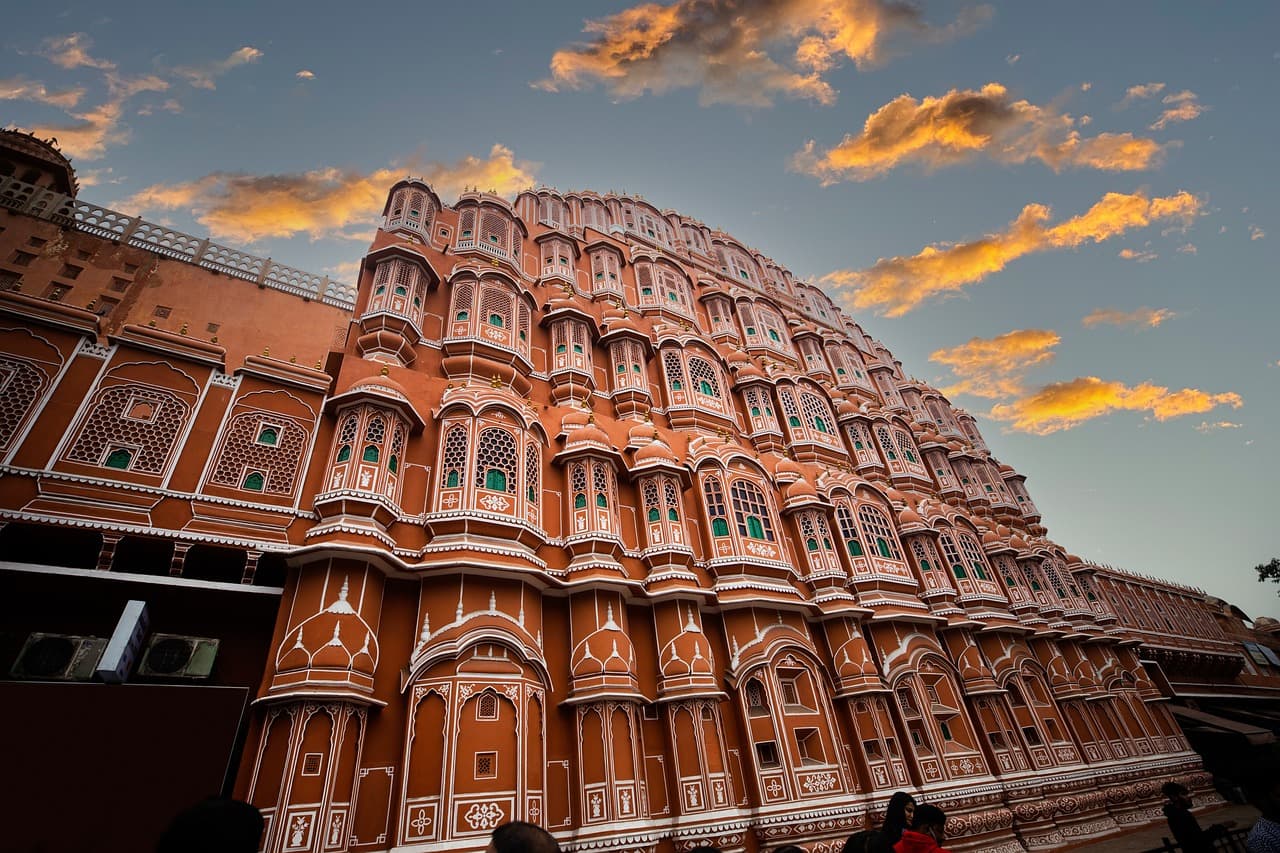
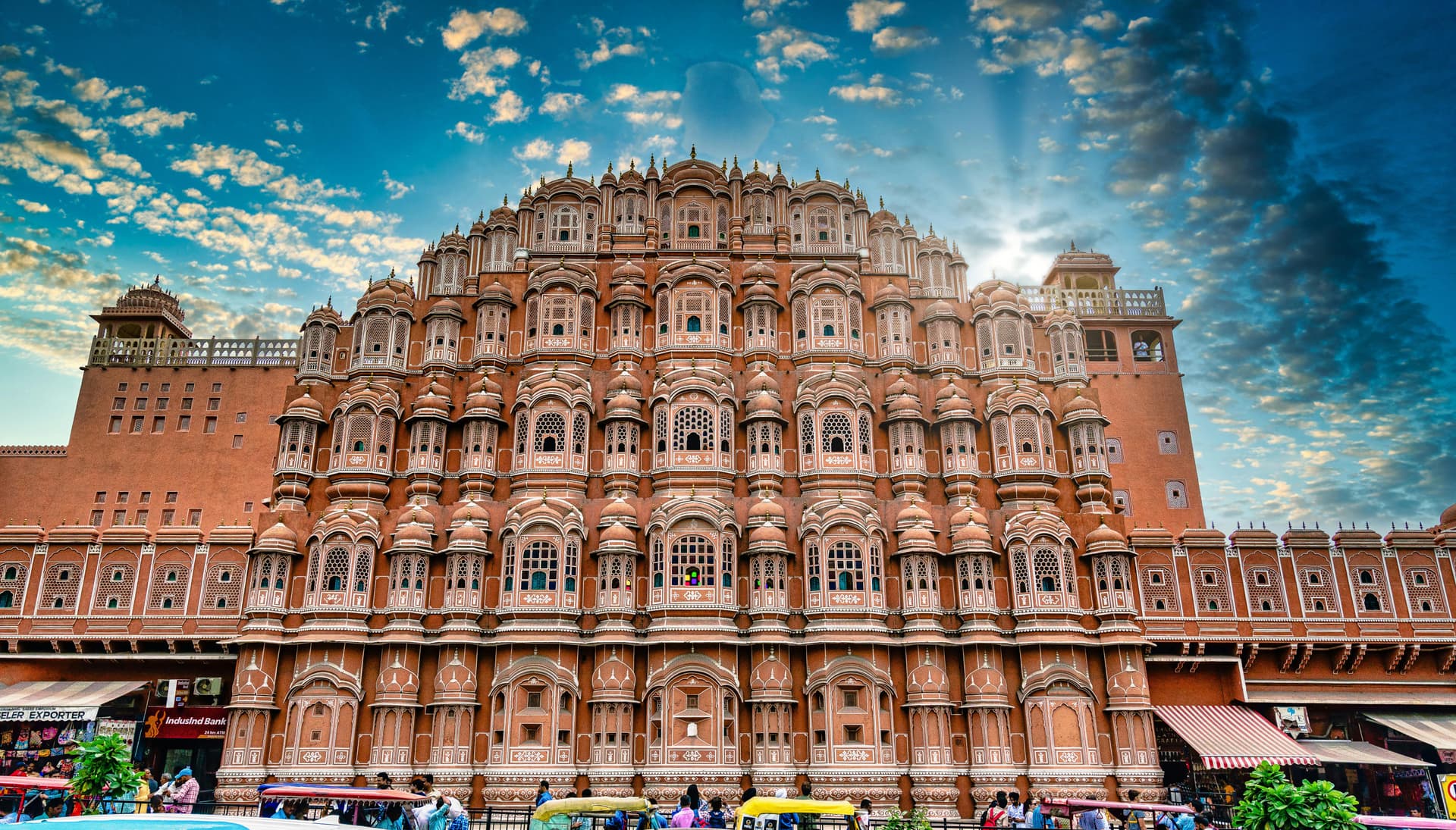
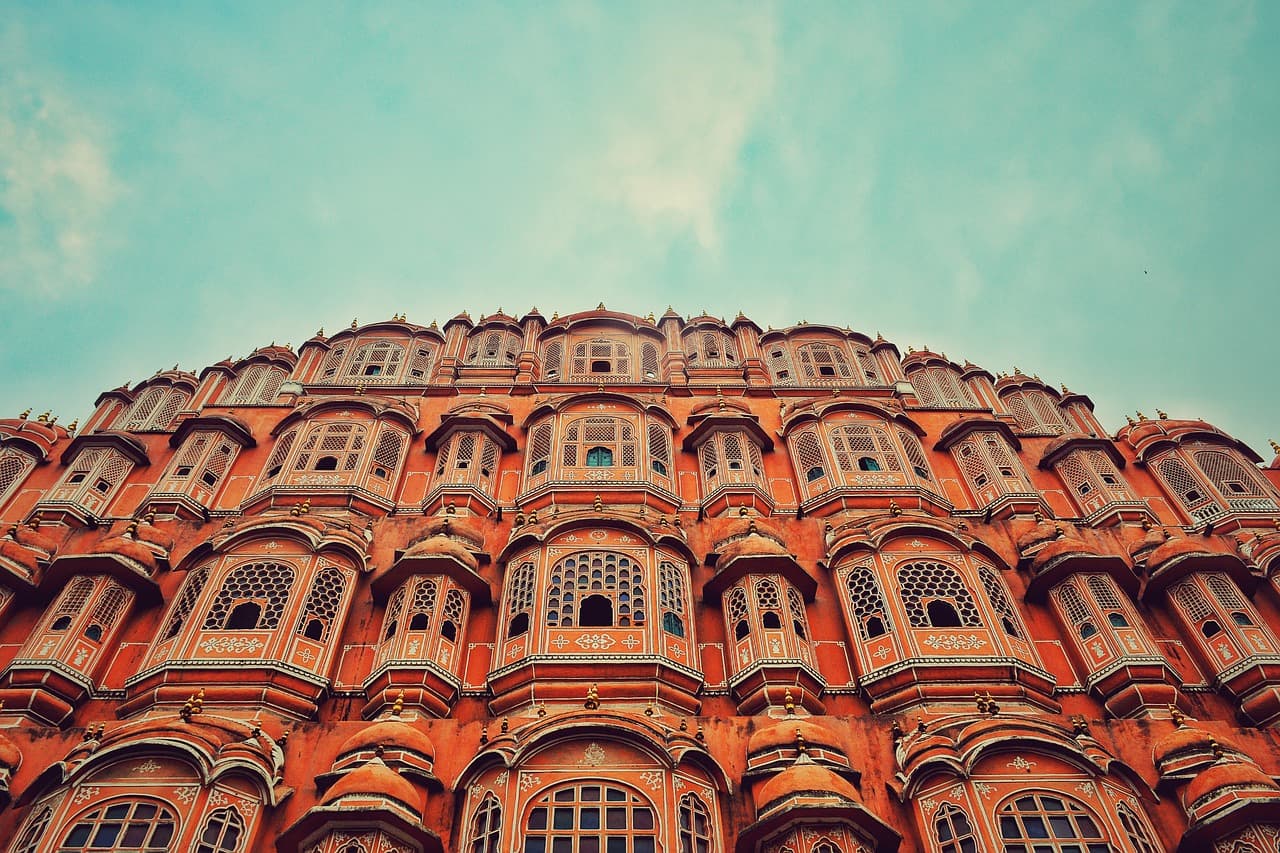
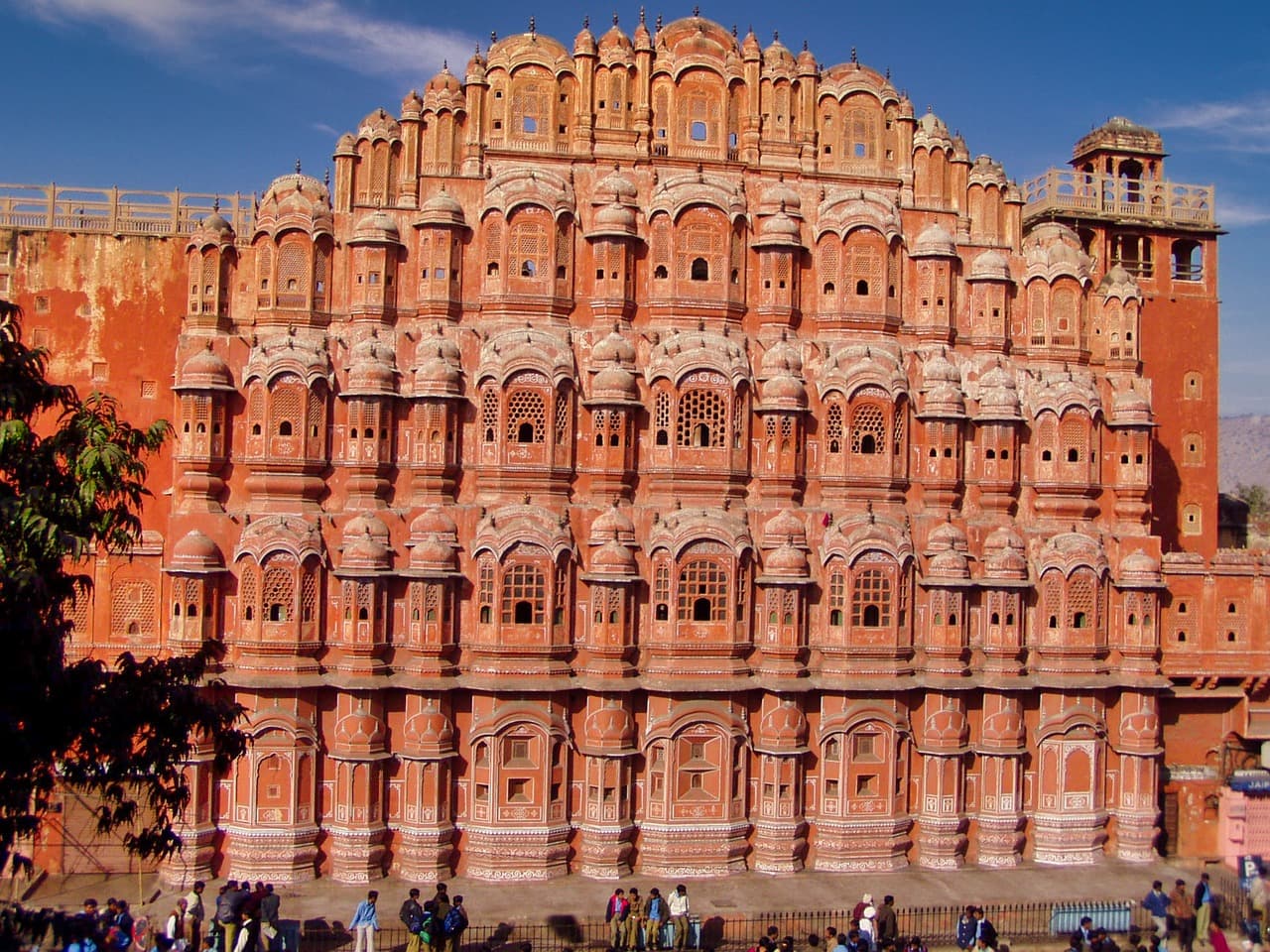
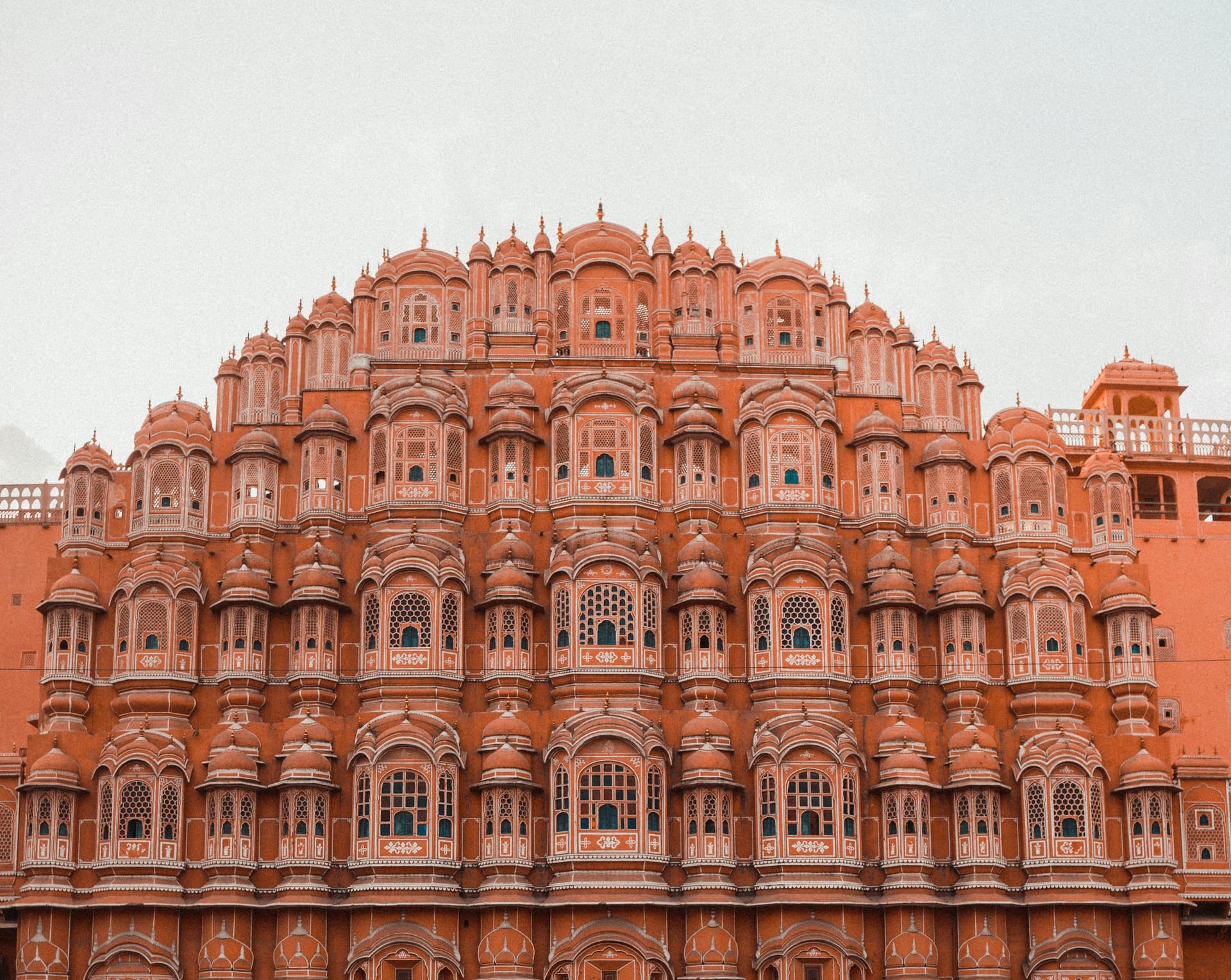
Hawa Mahal, also known as the Palace of Winds, is an iconic architectural marvel located in Jaipur, India. Built in 1799 by Maharaja Sawai Pratap Singh, this five-story palace is crafted from red and pink sandstone and showcases the unique blend of Rajput and Mughal architectural styles. Its most striking feature is the intricately carved façade, which is adorned with 953 small windows, or jharokhas, designed to allow royal women to observe street festivals while remaining unseen from the outside. The palace's design facilitates natural ventilation, keeping it cool even during the sweltering summer months. Visitors can explore the narrow corridors and passages that connect the various levels, each offering stunning views of the bustling city below. Hawa Mahal stands as a testament to Jaipur's rich cultural heritage and continues to captivate tourists with its historical significance and architectural grandeur.
Label: Must visit
How to reach: Car, bus, auto, metro
Timings: 5:00 AM to 11:45 AM and 5:00 PM to 8:45 PM
Time Required: 3-4 hours
Entry Fee: INR 50 for Indians and INR 200 for foreign tourists
Key Features and Attractions
Architectural Design:
- The façade of Hawa Mahal resembles a honeycomb or the crown of Lord Krishna. It is adorned with 953 small windows, or 'jharokhas,' each intricately carved and decorated with latticework. These windows allowed royal women, who followed the purdah system, to observe street festivals and daily life without being seen.
- The palace's unique design allows cool air to pass through, providing natural air conditioning. This is particularly beneficial during the hot summers of Rajasthan.
Panch Mahal:
- Hawa Mahal has five floors, each with its own unique layout and purpose. The top three floors are just a single room thick, while the lower two floors have courtyards.
- The top floor offers a panoramic view of Jaipur city and the surrounding area, making it a popular spot for visitors.
Museum:
- There is a small museum within the Hawa Mahal complex that displays artifacts, miniature paintings, ceremonial armor, and other relics from the royal past of Jaipur.
Cultural Heritage
Hawa Mahal is a testament to the rich cultural heritage of Jaipur and the Rajputana kingdom. The palace reflects the opulence and architectural brilliance of the era, showcasing the skill of local artisans and the patronage of the Rajput rulers. It is not just a monument but a cultural emblem that narrates the story of royal life and traditions of the 18th century.
Nearby Attractions
City Palace: A sprawling complex of courtyards, gardens, and buildings that blend Rajasthani and Mughal architecture. It is located close to Hawa Mahal and houses a museum with a rich collection of royal costumes, armory, and artifacts.
Jantar Mantar: An astronomical observatory built by Maharaja Jai Singh II. It consists of various architectural and astronomical instruments and is a UNESCO World Heritage Site.
Jal Mahal: A palace situated in the middle of the Man Sagar Lake. It offers a stunning view, especially at sunrise and sunset.
Albert Hall Museum: The oldest museum in Rajasthan, displaying an extensive collection of artifacts including paintings, carpets, ivory, stone, and metal sculptures.
Local Cuisine
Jaipur offers a delectable array of Rajasthani cuisine that visitors should not miss. Key dishes include:
Dal Baati Churma: A traditional Rajasthani meal consisting of lentils, baked wheat balls, and a sweet crumbly mixture.
Ghewar: A disc-shaped sweet cake made with flour and soaked in sugar syrup, often flavored with saffron and cardamom.
Laal Maas: A spicy meat curry made with mutton, red chilies, and garlic.
Pyaaz Kachori: Deep-fried pastries filled with spicy onion mixture.

Leave the planning to a local expert
Tips for Visitors
Best Time to Visit: The ideal time to visit Hawa Mahal is during the cooler months from October to March. Early mornings or late afternoons are best to avoid the crowds and heat.
Footwear: Comfortable walking shoes are recommended as the palace involves climbing several narrow stairs.
Photography: Photography is allowed inside Hawa Mahal. The intricate architecture and the views from the top make for excellent photo opportunities.
Guided Tours: Hiring a local guide can enhance the experience by providing deeper insights into the history and architecture of the palace.
Hydration: Carry water, especially during summer visits, to stay hydrated.
Conclusion
Hawa Mahal is more than just an architectural marvel; it is a symbol of Jaipur's royal heritage and cultural richness. Its unique design, historical significance, and cultural relevance make it a must-visit destination in Jaipur. Whether you are an architecture enthusiast, a history buff, or a casual traveler, Hawa Mahal offers a glimpse into the opulent past of the Rajputana kingdom and the enduring legacy of its rulers. Visitors can immerse themselves in the grandeur of the past while enjoying the vibrant culture and cuisine of Jaipur.