
Jal Mahal
Overview
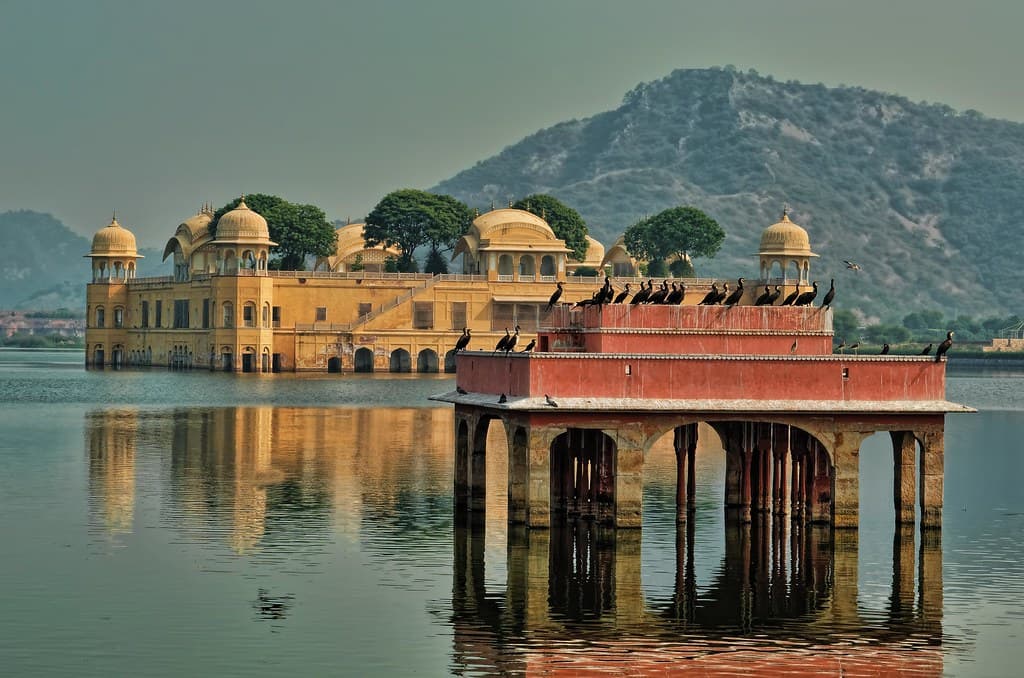
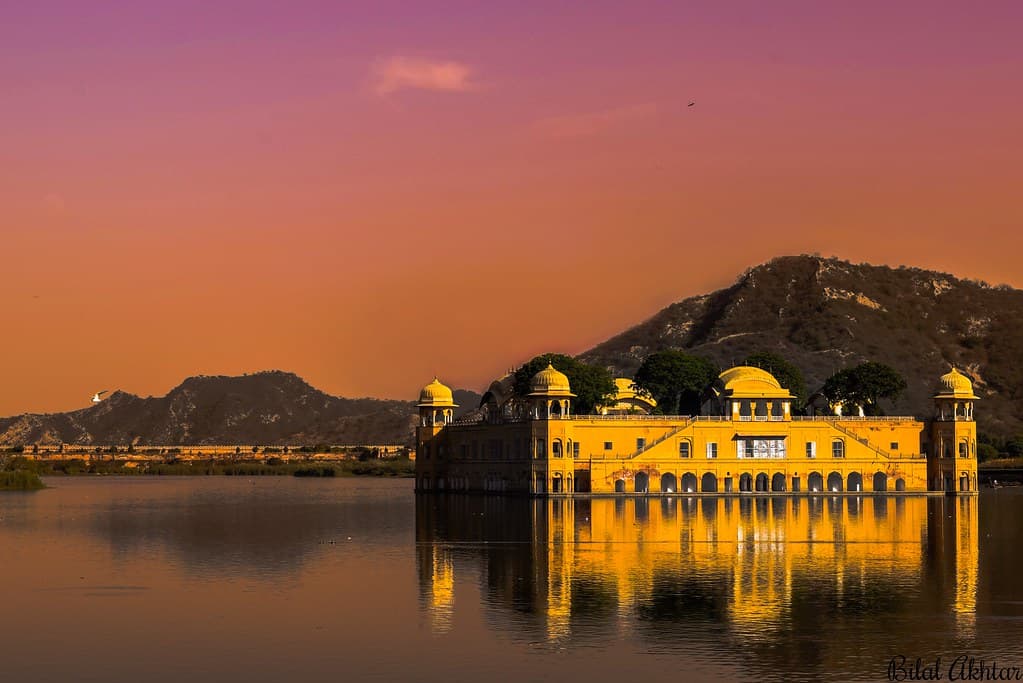
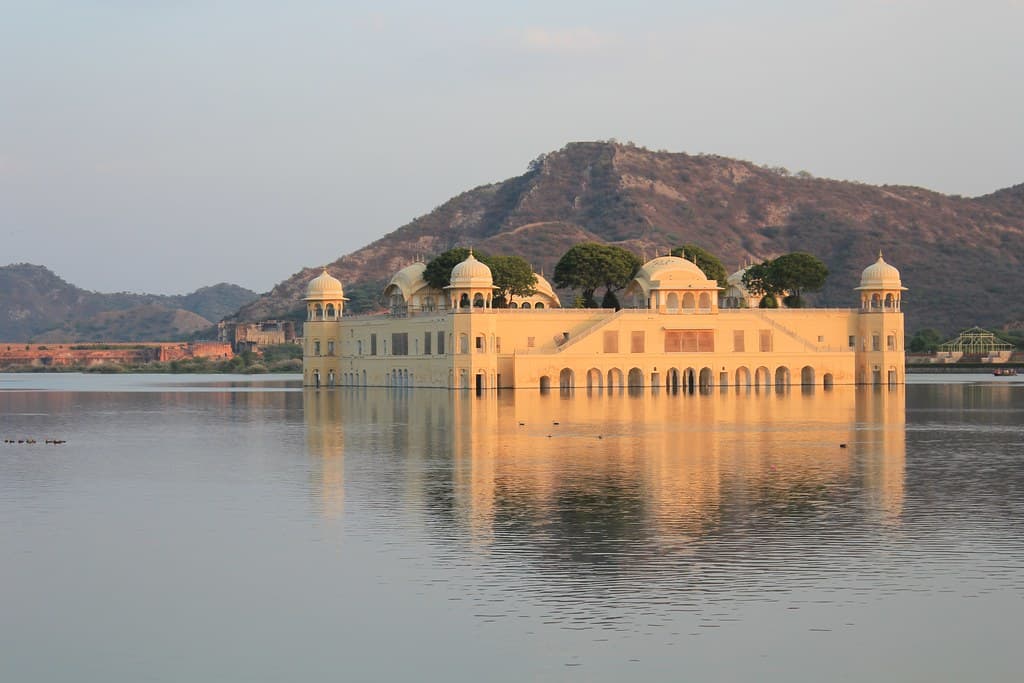
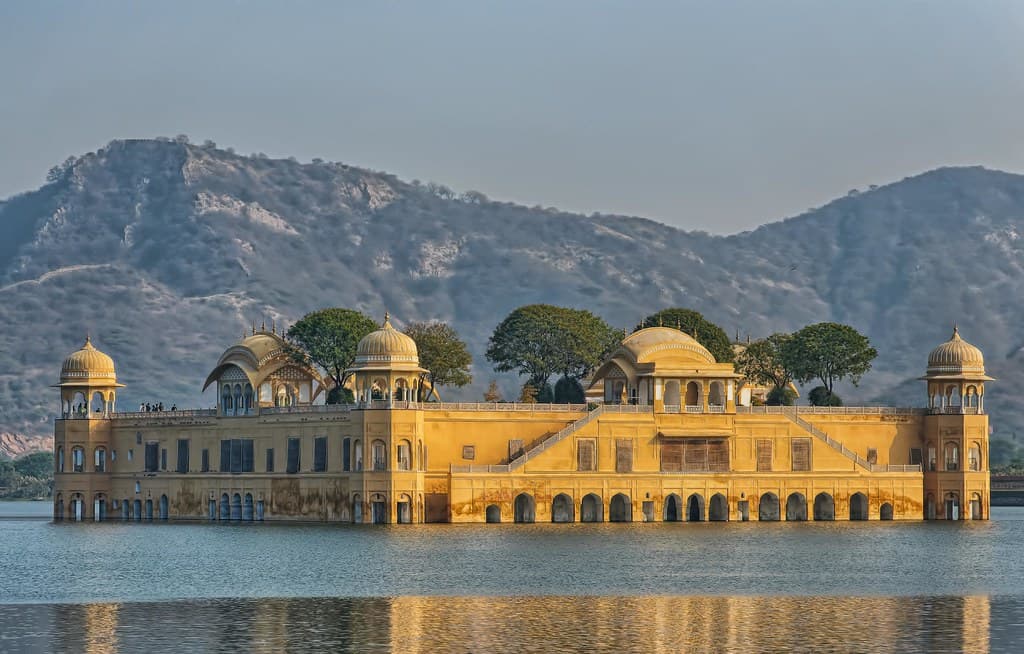
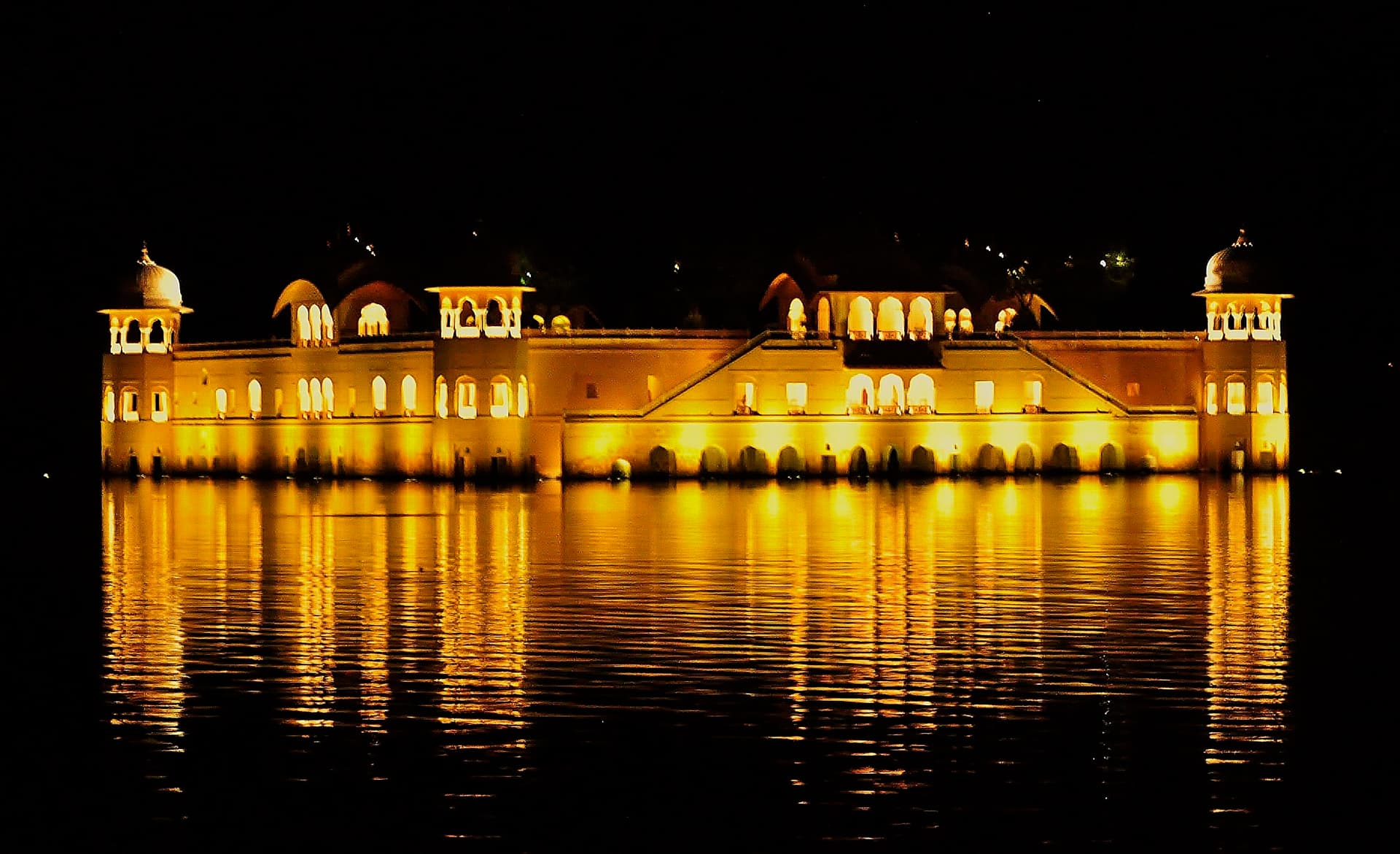
Jal Mahal, situated in the heart of Man Sagar Lake in Jaipur, is a remarkable example of Mughal architecture blended with Rajasthani style. This five-story palace, with its stunning pink and red sandstone facade, appears to float on the lake's surface, offering a captivating view. Originally built as a summer retreat for the royal family, Jal Mahal is renowned for its intricately designed arches, delicate carvings, and symmetrical layout. The palace is partially submerged, with only the upper story visible above the waterline, adding to its distinctive charm. Visitors can enjoy a boat ride to get a closer look at the palace and its surroundings, although access to the interior is restricted. The setting provides a perfect backdrop for appreciating the architectural splendor and the historical significance of this elegant structure.
Key Features and Attractions
Architectural Design: Jal Mahal is renowned for its blend of Rajput and Mughal architectural elements. The palace is a five-story structure, of which only the top story is visible above the water. The building showcases intricately designed arches, domes, and jharokhas (overhanging balconies), which contribute to its elegant and imposing appearance.
Man Sagar Lake: The palace is set against the backdrop of Man Sagar Lake, which not only enhances its beauty but also provides a serene environment. The lake is a key feature of the palace, and during the monsoon season, when the water level rises, the lower floors of the palace are submerged, creating a reflection that amplifies its grandeur.
Decorative Elements: The interiors of Jal Mahal are adorned with traditional Rajasthani and Mughal motifs. The palace features beautiful frescoes, ornate carvings, and decorative mirror work, all of which highlight the craftsmanship of the period.
Gardens and Terraces: The palace complex includes beautifully landscaped gardens and terraces that offer panoramic views of the surrounding landscape and lake.
Cultural Heritage
Jal Mahal holds significant cultural and historical importance. It reflects the grandeur and aesthetic sense of the Rajput kings. The palace served as a retreat and a pleasure pavilion for the royal family, and its design and construction are emblematic of the opulence of Rajasthan’s rulers.
Nearby Attractions
Amber Fort: Located about 11 kilometers from Jal Mahal, Amber Fort is a sprawling hilltop fortress known for its majestic architecture and historical significance. The fort offers impressive views of the surrounding countryside and includes attractions like the Sheesh Mahal (Mirror Palace).
Hawa Mahal: Also known as the "Palace of Winds," Hawa Mahal is a distinctive palace with a façade featuring numerous small windows or 'jharokhas'. It’s situated about 6 kilometers from Jal Mahal and is an excellent example of Rajput architecture.
City Palace: Situated in the heart of Jaipur, the City Palace is a complex of palaces and courtyards that showcase the blend of Mughal and Rajput styles. It houses a museum with royal artifacts and is a key site for understanding Jaipur's royal heritage.
Local Cuisine
Jaipur is renowned for its rich and flavorful Rajasthani cuisine. Near Jal Mahal, you can explore various local dishes such as:
Dal Baati Churma: A traditional Rajasthani dish consisting of lentil curry (dal), round wheat rolls (baati), and a sweet crushed wheat dish (churma).
Gatte ki Sabzi: A curry made with gram flour dumplings (gatte) simmered in a spicy yogurt-based gravy.
Pyaaz Kachori: A deep-fried pastry filled with spiced onions, commonly enjoyed as a snack or breakfast.
Lassi: A refreshing yogurt-based drink often flavored with various fruits or spices.

Leave the planning to a local expert
Tips for Visitors
Timing: Visit Jal Mahal early in the morning or late in the afternoon to avoid the heat and to capture the best photographs.
Photography: While taking photos of the palace and lake from the shore is allowed, ensure you respect any restrictions and avoid using drones.
Dress Code: Wear comfortable clothing and shoes suitable for walking, as you might need to walk around the lake and explore nearby areas.
Local Guides: Consider hiring a local guide to gain deeper insights into the history and architectural details of Jal Mahal and its surroundings.
Transportation: Arrange for local transportation, such as taxis or auto-rickshaws, to explore Jaipur and visit nearby attractions efficiently.
Conclusion
Jal Mahal stands as a testament to the architectural ingenuity and aesthetic sensibilities of the Rajput rulers. Its unique location amidst Man Sagar Lake, combined with its historical and cultural significance, makes it a must-visit landmark in Jaipur. Whether you're interested in historical architecture, picturesque settings, or exploring the rich local cuisine, Jal Mahal offers a captivating experience that blends history with natural beauty.