
Nahargarh Fort
Overview
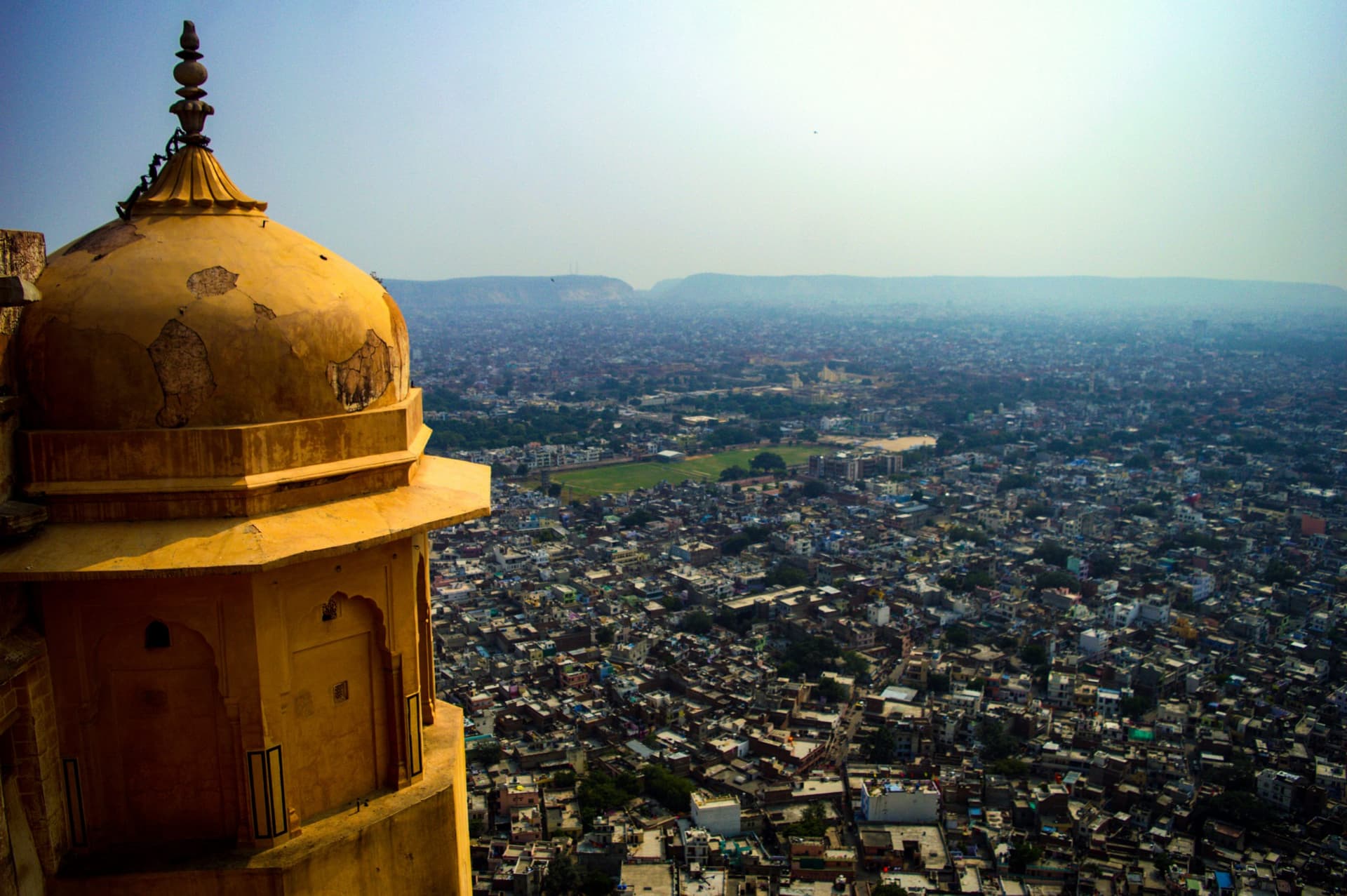
Nahargarh Fort, perched on the Aravalli hills overlooking Jaipur, offers a captivating glimpse into the past. Built in 1734 by Maharaja Sawai Jai Singh II, the fort served as a retreat for the royal family and a strategic watchtower. Its unique architectural style blends Indian and European elements, reflected in its ornate rooms and grand halls. Visitors can explore the well-preserved interiors, including the palace area and the charming frescoes that adorn the walls. The fort's elevated position provides expansive views of the city below, making it a popular spot for sunset views and a leisurely walk. With its rich history and distinctive design, Nahargarh Fort provides a fascinating experience for those interested in Rajasthan's royal heritage.
Key Features and Attractions:
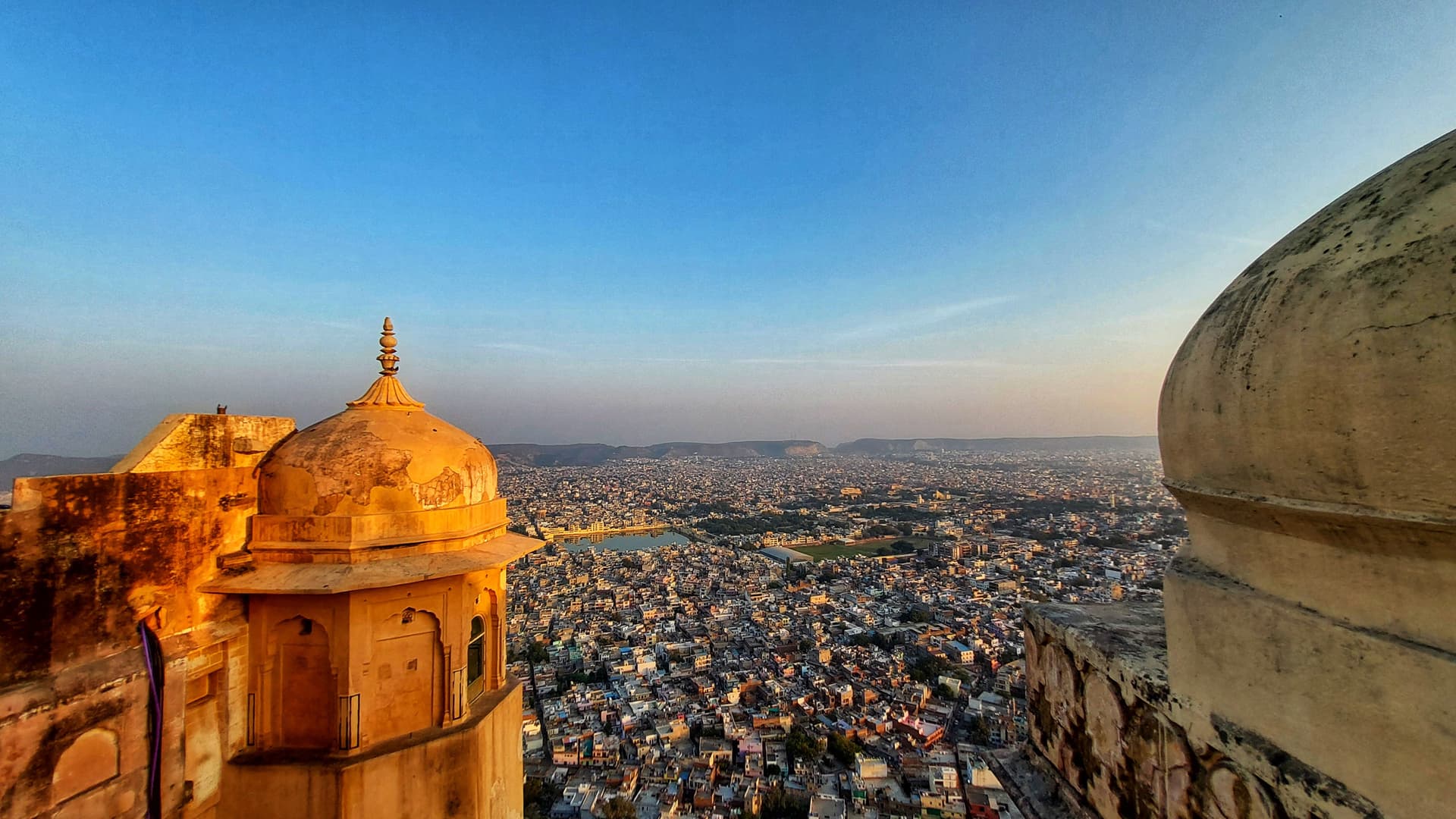
Architectural Design: The fort exhibits a unique blend of Indian and European architectural styles. Its ornate interiors are characterized by frescoes, intricate stucco work, and beautifully designed windows and arches. The primary structures include the main palace with several rooms, including the queen’s quarters, adorned with vibrant murals and elaborate tile work.
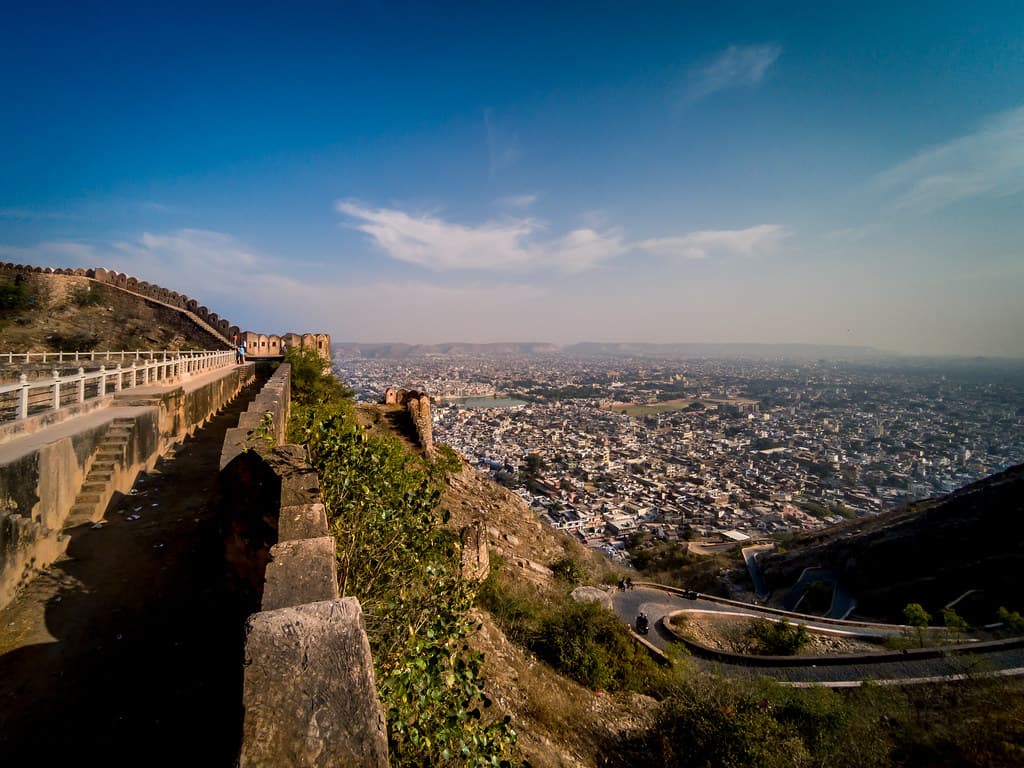
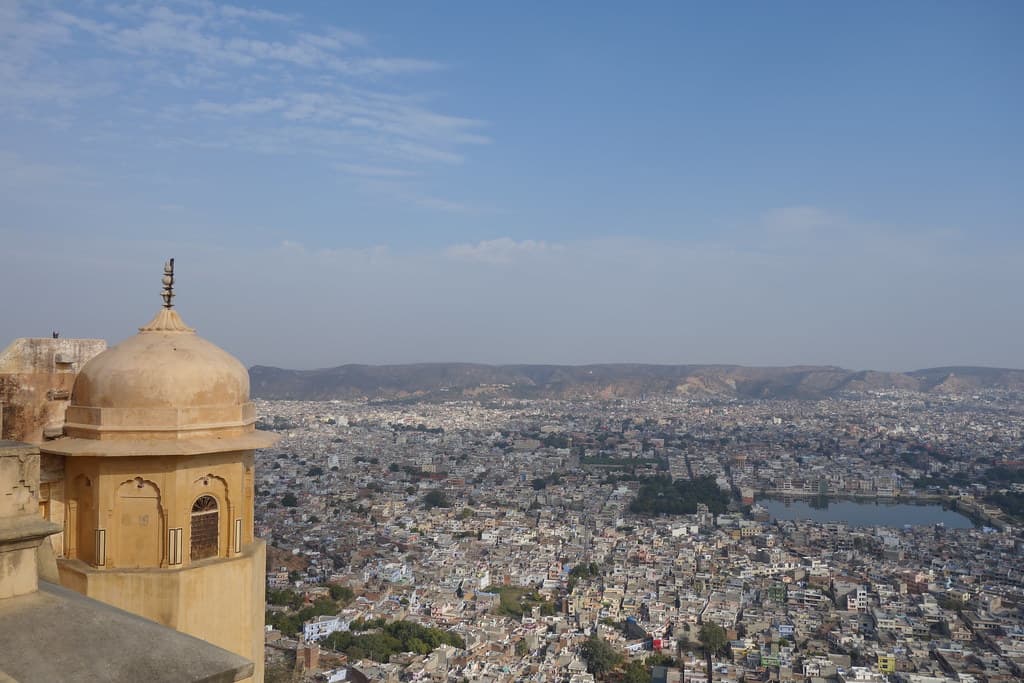
Viewpoints: One of the fort’s most compelling features is its panoramic view of Jaipur and the surrounding landscape. The vantage points offer a breathtaking perspective of the city, particularly during sunrise and sunset, providing a stark contrast to the urban sprawl below.
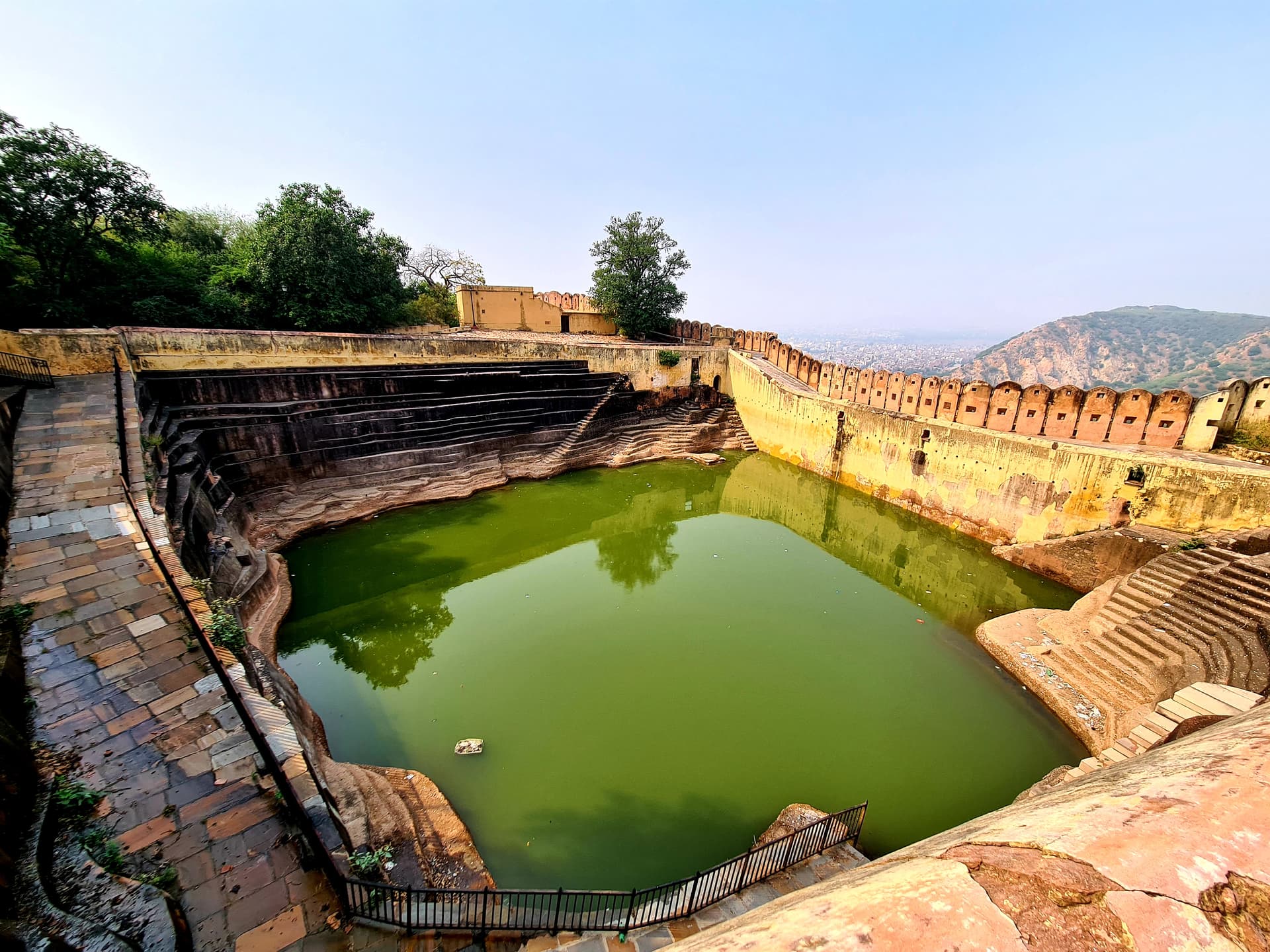
Gardens and Courtyards: The fort is surrounded by well-maintained gardens and courtyards that add to its charm. These areas were designed for leisurely strolls and relaxation, reflecting the fort’s original purpose as a retreat.
Observatory: Within the fort’s premises is an observatory, which was used by Maharaja Sawai Jai Singh II for astronomical observations. Though not as prominent as other observatories built by the Maharaja, it adds to the historical intrigue of the site.
Cultural Heritage
Nahargarh Fort is not only an architectural marvel but also a symbol of Rajasthan’s regal past. It reflects the era's lifestyle and the Maharaja’s inclination towards European-style architecture combined with traditional Rajasthani elements. The fort's interiors showcase the opulence of royal life, with rooms designed for the comfort and leisure of the Maharaja and his court.
Nearby Attractions
Amber Fort: A major attraction located about 11 kilometers from Nahargarh Fort. Amber Fort, with its grand architecture and historical significance, is a must-visit for those interested in Jaipur's royal history.
Jaigarh Fort: Positioned nearby, Jaigarh Fort is renowned for its massive cannon and panoramic views of the Aravalli hills. It is linked to Amber Fort through an underground passage.
Hawa Mahal: Located in the city center, Hawa Mahal, or the Palace of Winds, is famous for its façade with intricately designed windows, which allowed royal women to observe street life without being seen.
Local Cuisine
Jaipur offers a rich culinary experience. Local eateries and restaurants near Nahargarh Fort serve traditional Rajasthani dishes. Key specialties include:
- Dal Baati Churma: A quintessential Rajasthani dish featuring lentil curry, baked wheat balls, and sweet crushed wheat.
- Gatte Ki Sabzi: Spicy curry made with gram flour dumplings.
- Ker Sangri: A unique Rajasthani dish made from desert beans and berries, reflecting the region’s traditional flavors.

Leave the planning to a local expert
Tips for Visitors
Best Time to Visit: The cooler months from October to March are ideal for exploring Nahargarh Fort. The weather is pleasant, making the visit more enjoyable.
Dress Code: Comfortable clothing and shoes are recommended, as the fort requires some walking and climbing. Traditional attire can also enhance the experience and photo opportunities.
Timing: The fort is open from 10:00 AM to 5:30 PM. Arriving early or late in the day can provide a quieter experience and better light for photography.
Guided Tours: Consider hiring a guide to gain deeper insights into the fort’s history and architectural significance.
Conclusion
Nahargarh Fort is a captivating destination that offers a glimpse into the regal past of Jaipur through its unique architecture, panoramic views, and historical ambiance. Its proximity to other significant forts and cultural sites makes it a valuable addition to any Jaipur itinerary. Whether you’re interested in history, architecture, or simply enjoying the scenic vistas, Nahargarh Fort promises a memorable experience.