
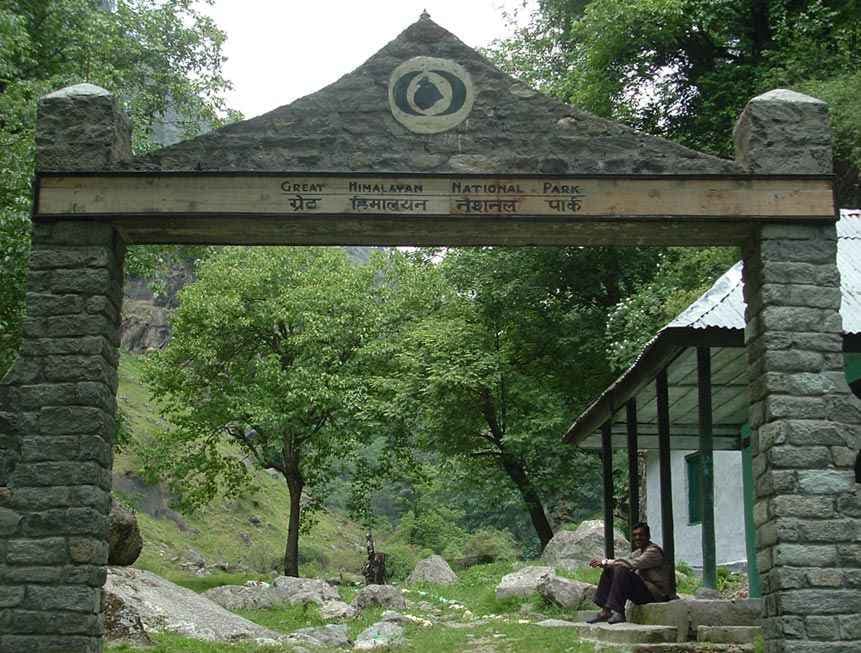
Great Himalayan National Park
Overview
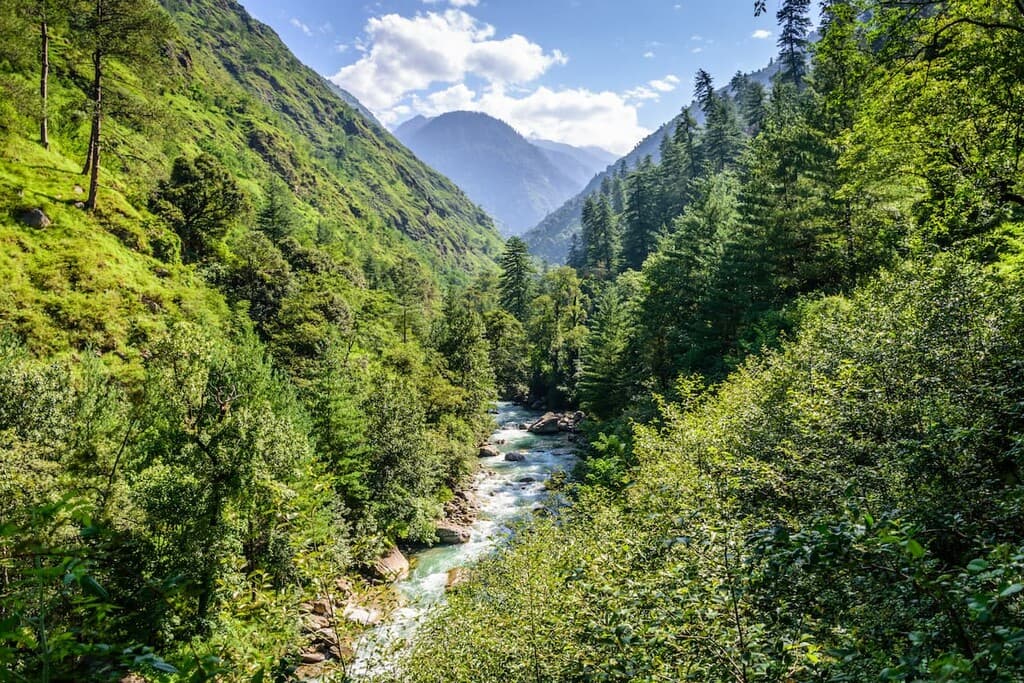
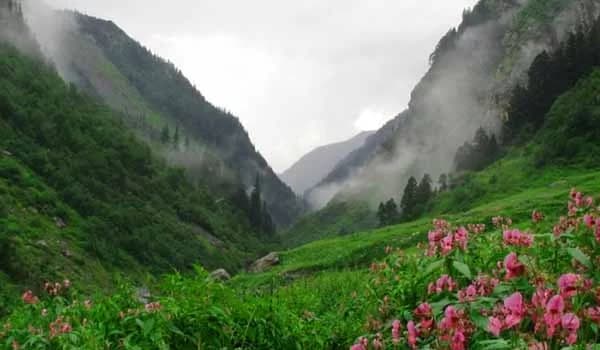
The Great Himalayan National Park (GHNP), located in the Kullu region of Himachal Pradesh, is a paradise for nature lovers and adventure enthusiasts. Spanning over 1,171 square kilometers, this UNESCO World Heritage site is renowned for its stunning landscapes, rich biodiversity, and pristine wilderness. Established in 1984, the park aims to protect the unique flora and fauna of the Western Himalayas, offering visitors an unparalleled experience of nature in its purest form.
Label: Must Visit
How to reach: By road
Timings: 10 AM to 6 PM
Time Required: 1 Hour
Entry Fee: -
The GHNP is characterized by its varied topography, ranging from dense forests and alpine meadows to lofty peaks and river valleys. This diverse landscape supports a wide array of ecosystems, making the park a biodiversity hotspot. The park is home to over 375 species of fauna, including some rare and endangered species. Among the mammals, the elusive snow leopard, Himalayan brown bear, and the blue sheep (bharal) are the star attractions. Birdwatchers can also delight in spotting over 180 species of birds, including the western tragopan, cheer pheasant, and Himalayan monal.
One of the most remarkable features of the GHNP is its flora. The park boasts over 1,000 species of plants, including medicinal herbs, alpine flowers, and dense forests of oak, deodar, and rhododendron. During the spring and summer months, the park's meadows burst into a riot of colors with blooming wildflowers, creating a breathtaking spectacle. The rich plant diversity also supports a variety of insects and butterflies, adding to the park's ecological richness.
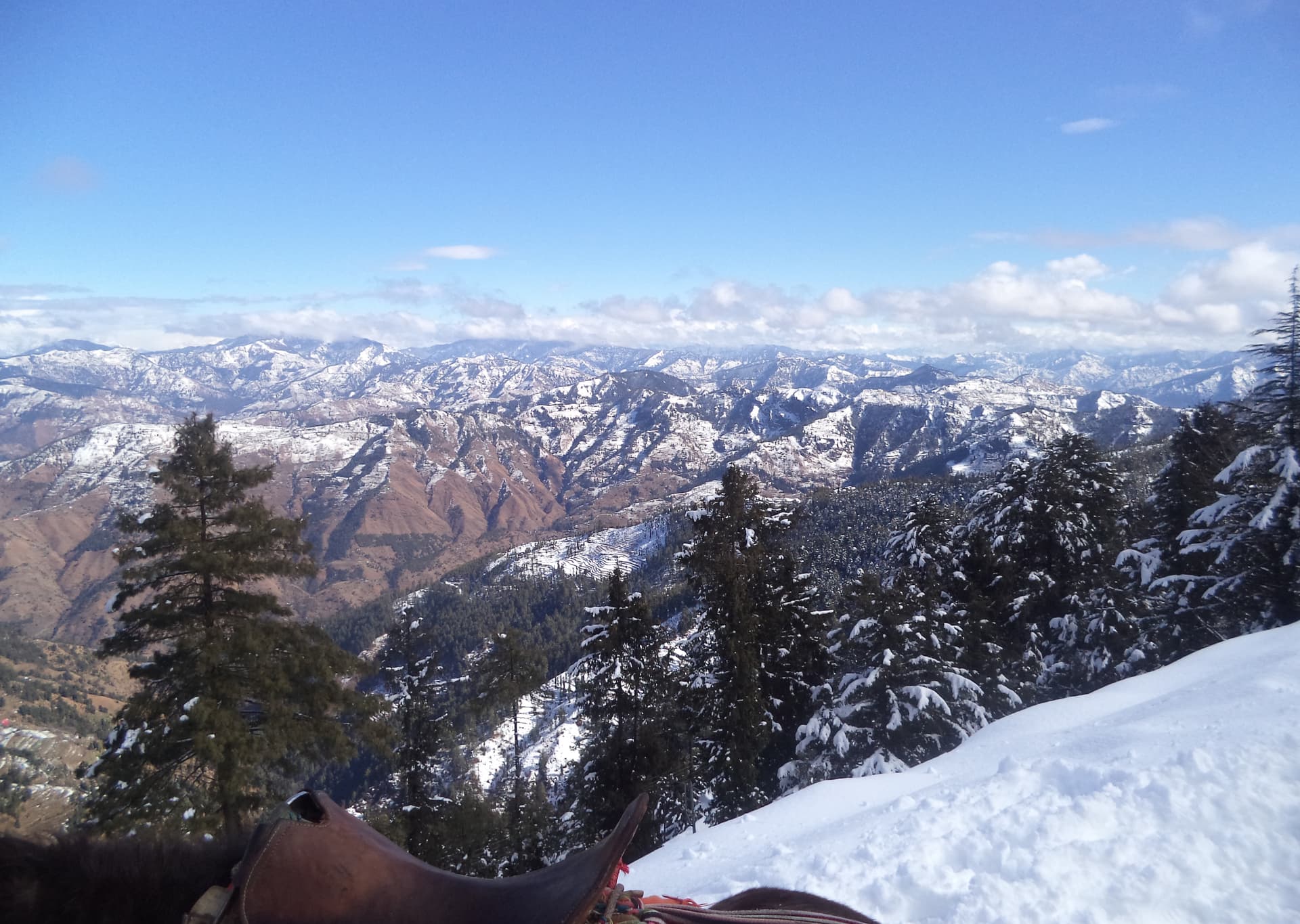
Exploring the Great Himalayan National Park is a dream come true for trekkers and adventure seekers. The park offers several trekking routes, each providing a unique glimpse into its natural beauty. Popular treks include the Rakti-Sar, Sainj Valley, and the Tirthan Valley treks. These trails take visitors through dense forests, across gushing streams, and up to high-altitude meadows, offering stunning views of the surrounding peaks. Trekkers can also visit remote villages, where they can experience the local culture and hospitality.

Leave the planning to a local expert
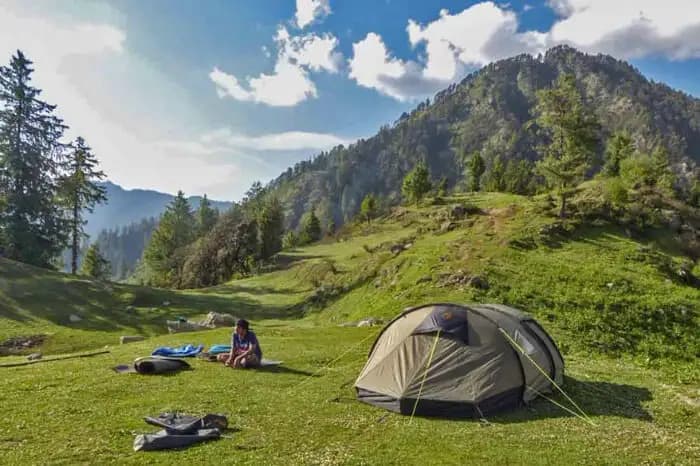
For those seeking a less strenuous experience, the park's numerous trails and pathways are perfect for leisurely walks and birdwatching. The serene environment, coupled with the chance to spot wildlife in their natural habitat, makes these walks truly rewarding. The park also offers opportunities for camping, providing a unique way to experience its wilderness. Camping under the starlit sky, with the sounds of nature as your lullaby, is an experience that stays with you long after you leave.