
Mandore Garden

Overview
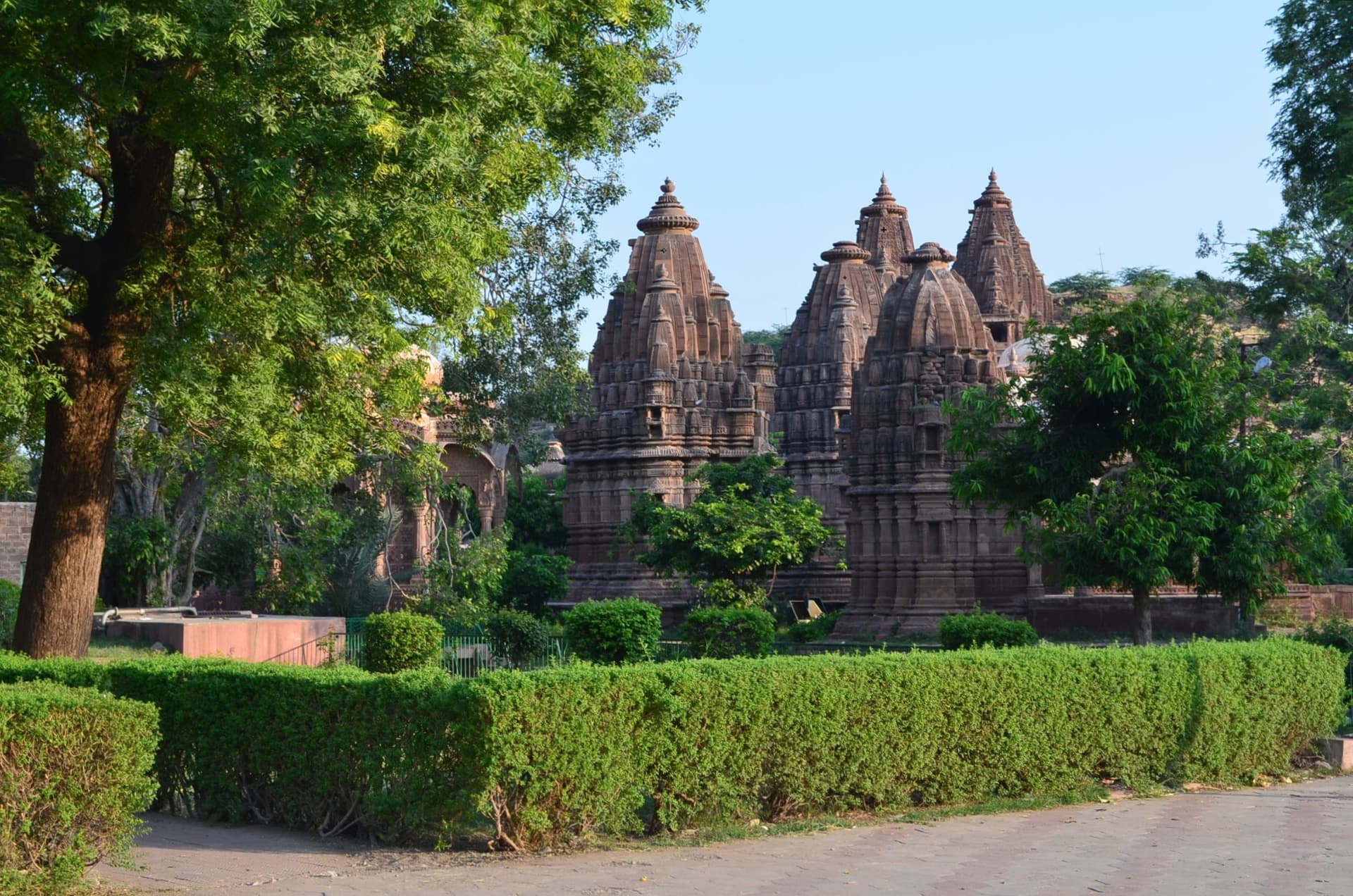
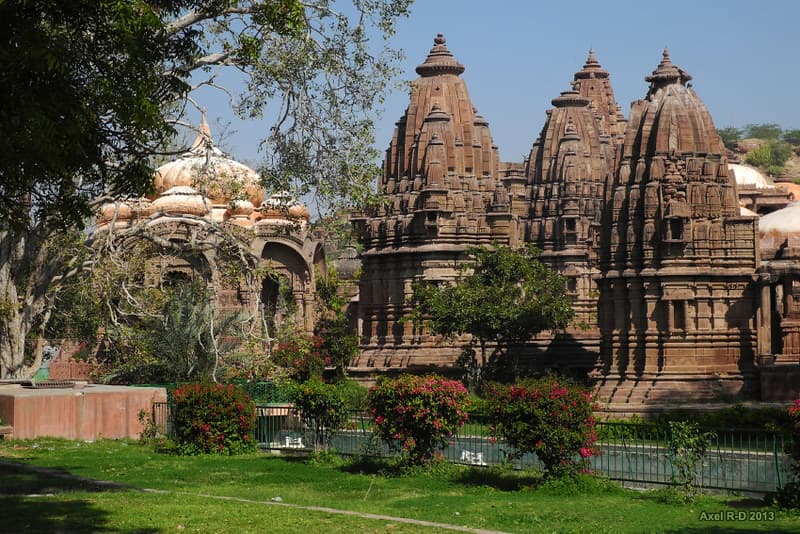
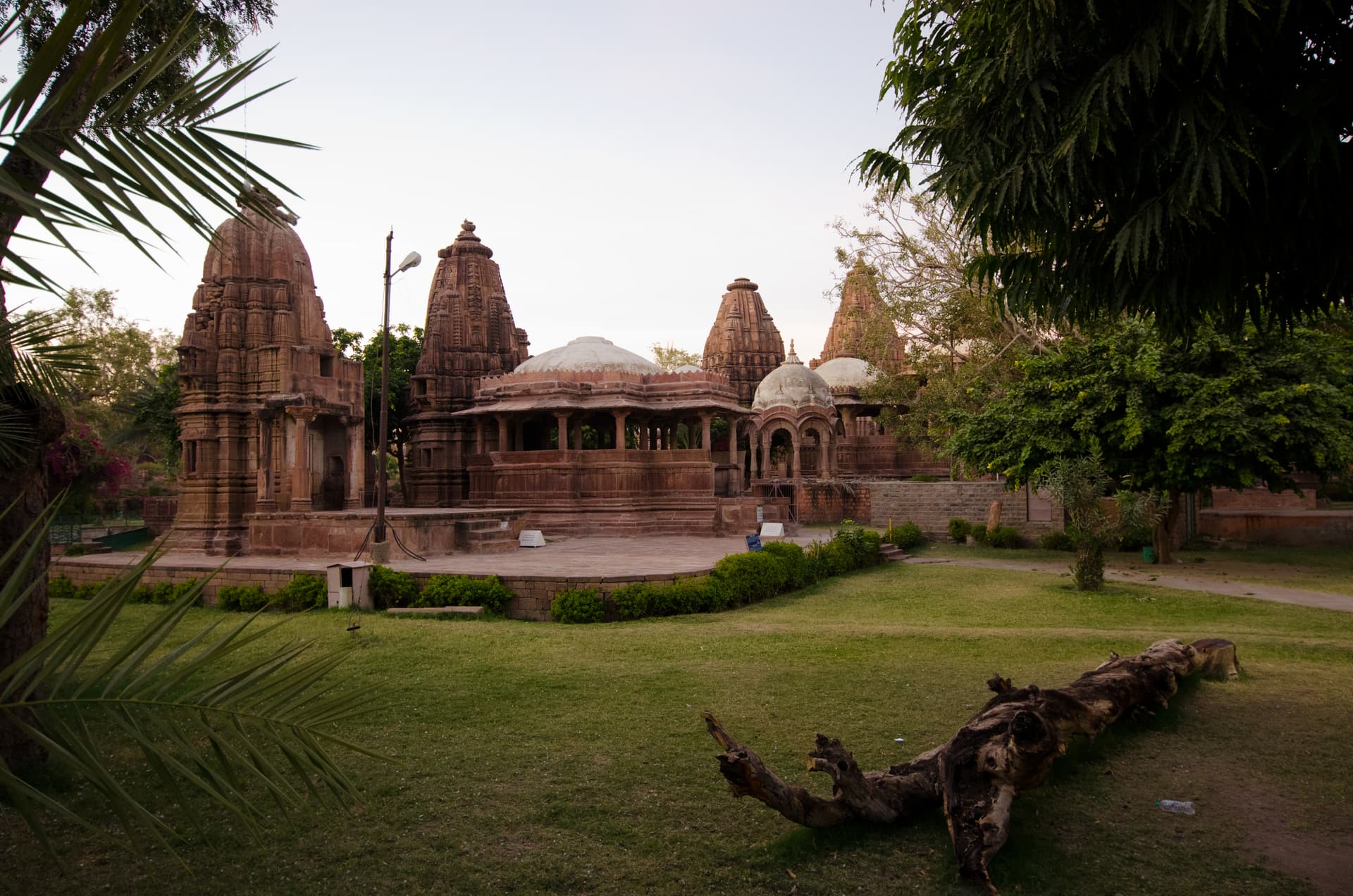
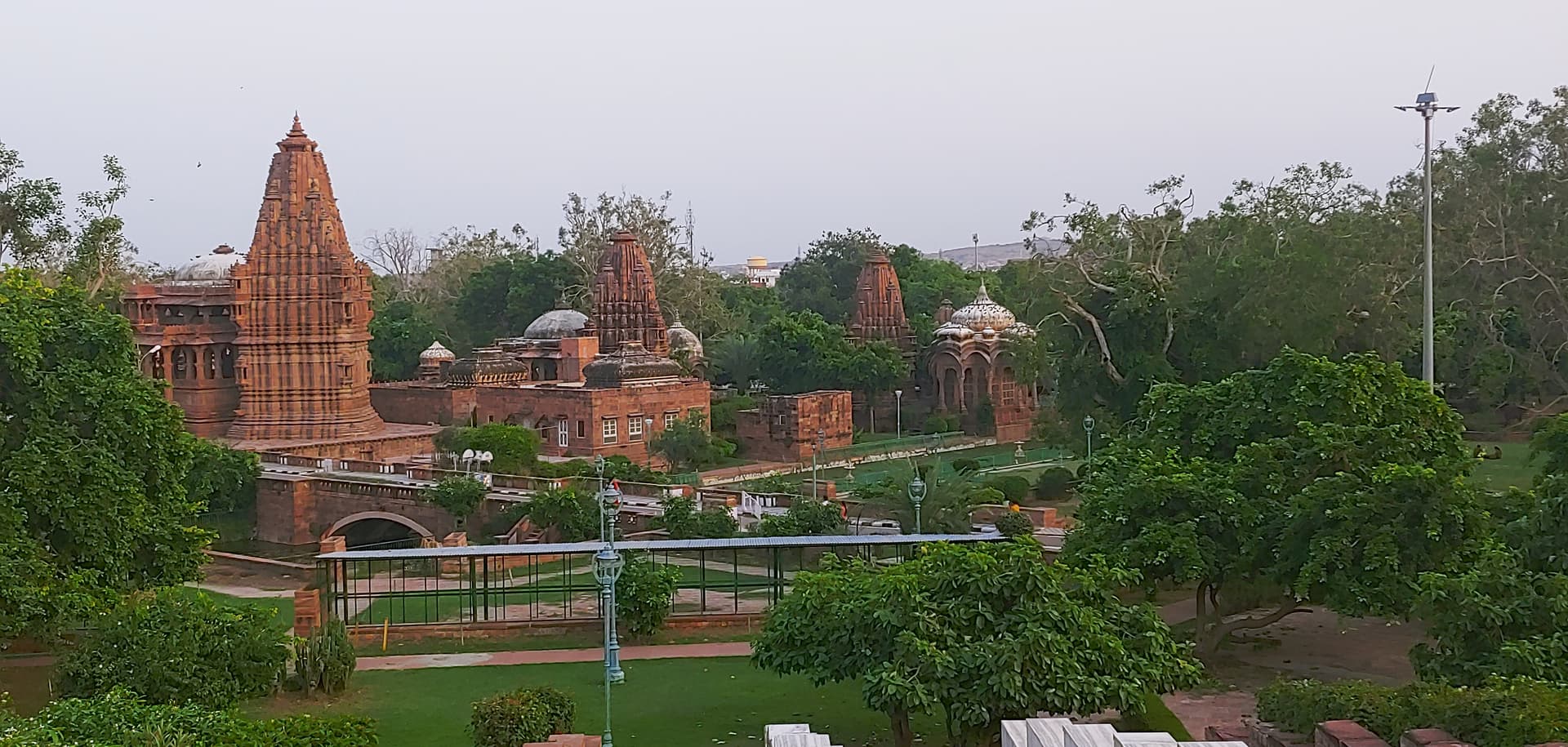
Mandore Garden in Jodhpur is a historical site that dates back to the 6th century, serving as the capital of the Marwar region before the establishment of Jodhpur. The garden is renowned for its extensive collection of cenotaphs or 'chhatris,' which are the royal memorials dedicated to the former rulers of Marwar. These cenotaphs, unlike typical domed structures, resemble temples and are intricately carved with fine detailing, showcasing the grandeur of ancient Rajput architecture. Among the notable cenotaphs is the one dedicated to Maharaja Ajit Singh, which stands out with its impressive height and intricate design. The garden also features the Hall of Heroes, a rock wall carved with statues of various deities and local heroes, honoring the valor and bravery of the region's warriors. Adjacent to this is the shrine of the 33 crore gods, a unique temple that pays homage to the multitude of deities in Hindu mythology. Mandore Garden is not just about its historical and architectural significance; it also houses a museum that displays artifacts, sculptures, and relics from the bygone era, providing visitors with a deeper understanding of the rich cultural heritage of Marwar. Adding to the garden’s appeal are the terraced lawns, the plethora of trees, and a variety of flowering plants that create a vibrant atmosphere. The garden serves as a popular spot for locals and tourists alike to explore the historical remnants and enjoy leisurely walks. Mandore Garden also offers a glimpse into the daily life of Jodhpur residents, as it is a favored place for family outings and social gatherings. With its blend of history, culture, and nature, Mandore Garden provides a comprehensive experience that captivates the essence of Rajasthan's regal past.
Key Features and Attractions
Cenotaphs of Marwar Royals
- The highlight of Mandore Gardens is the collection of cenotaphs (chhatris) dedicated to the Marwar royal family. These elaborate structures, built in honor of various kings and queens, showcase intricate carvings and architectural designs typical of the 17th and 18th centuries. The cenotaph of Maharaja Ajit Singh, one of the most prominent, features a striking façade with ornate detailing.
Rani's Mahal
- Also known as the Queen's Palace, this building is an excellent example of Rajput architecture, with its delicate carvings and arches. It once served as a residence for the queens of the Marwar kingdom.
Hall of Mirrors
- This architectural marvel features a beautifully decorated hall adorned with mirrors and glasswork, reflecting the opulence of the Marwar court.
Temple Complex
- The gardens also house several temples, including the Mandore Temple dedicated to the Hindu deity Shiva. These temples are known for their exquisite carvings and tranquil atmosphere.
Mandore Fort
- Though mostly in ruins, the Mandore Fort adds to the historical charm of the site. Its strategic location and ancient walls offer a sense of the fortifications that once protected the area.
Cultural Heritage
Mandore Gardens are steeped in the cultural heritage of the Marwar region. The cenotaphs and temples represent the architectural and artistic achievements of the Marwar rulers. The site reflects the integration of Hindu and Rajput styles, illustrating the region's rich history and the significant role it played in the history of Rajasthan.
Nearby Attractions
Mehrangarh Fort: Located about 9 kilometers south of Mandore Gardens, this massive fort offers stunning views of Jodhpur and houses a museum with a vast collection of artifacts.
Umaid Bhawan Palace: Situated approximately 6 kilometers from Mandore Gardens, this grand palace is now a luxury hotel and museum, showcasing the royal legacy of Jodhpur.
Clock Tower and Sardar Market: In the heart of Jodhpur, this bustling market is known for its vibrant atmosphere and local crafts.
Local Cuisine
Jodhpur is famous for its rich and flavorful cuisine. Nearby eateries and food stalls offer a range of Rajasthani dishes, such as:
- Pyaaz Kachori: A spicy, deep-fried pastry filled with onion and spices.
- Mirchi Vada: Green chilies stuffed with spicy potato filling, coated in gram flour batter and deep-fried.
- Dal Baati Churma: A traditional meal consisting of round wheat rolls (baati) served with lentil curry (dal) and sweet crushed wheat (churma).

Leave the planning to a local expert
Tips for Visitors
Best Time to Visit: The ideal time to explore Mandore Gardens is during the cooler months, from October to March, to avoid the intense heat of Rajasthan's summers.
Dress Code: Wear comfortable clothing and footwear, as there is a fair amount of walking involved. It's also respectful to dress modestly when visiting religious sites.
Photography: While photography is generally allowed, it's best to check for any restrictions, particularly in temple areas.
Guides: Consider hiring a local guide to gain deeper insights into the historical and cultural aspects of the site.
Conclusion
Mandore Gardens is a captivating destination that provides a window into the opulent past of the Marwar kingdom. With its impressive cenotaphs, architectural wonders, and serene gardens, it offers a rich historical and cultural experience. Whether you're a history enthusiast or simply looking to explore the artistic heritage of Rajasthan, Mandore Gardens is a must-visit attraction that complements the broader tapestry of Jodhpur's royal legacy.