Mehrangarh Fort
Overview
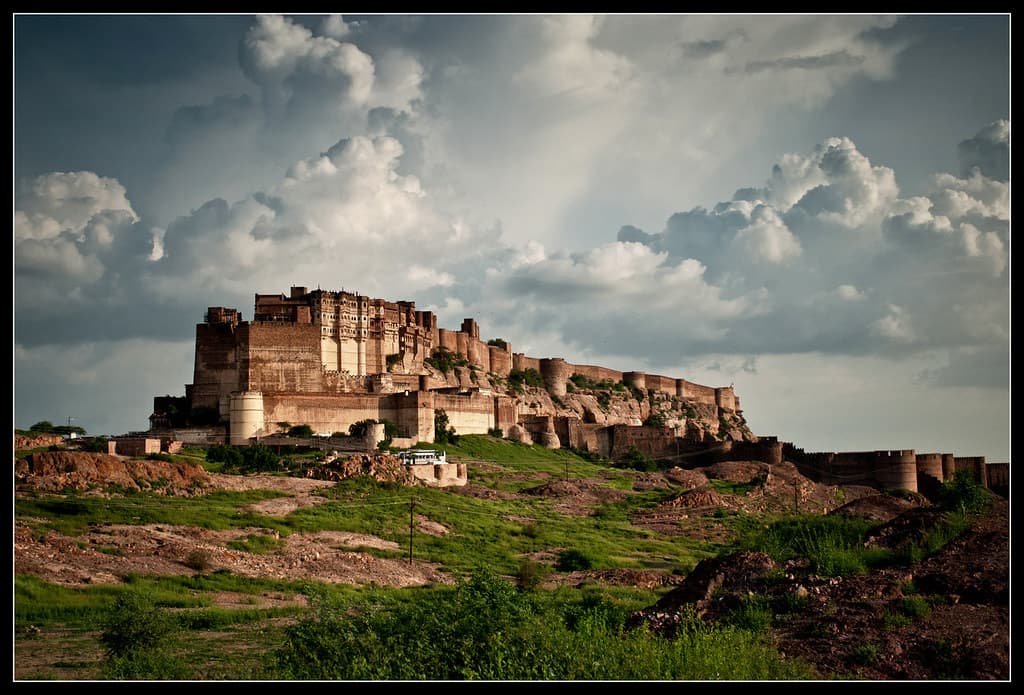
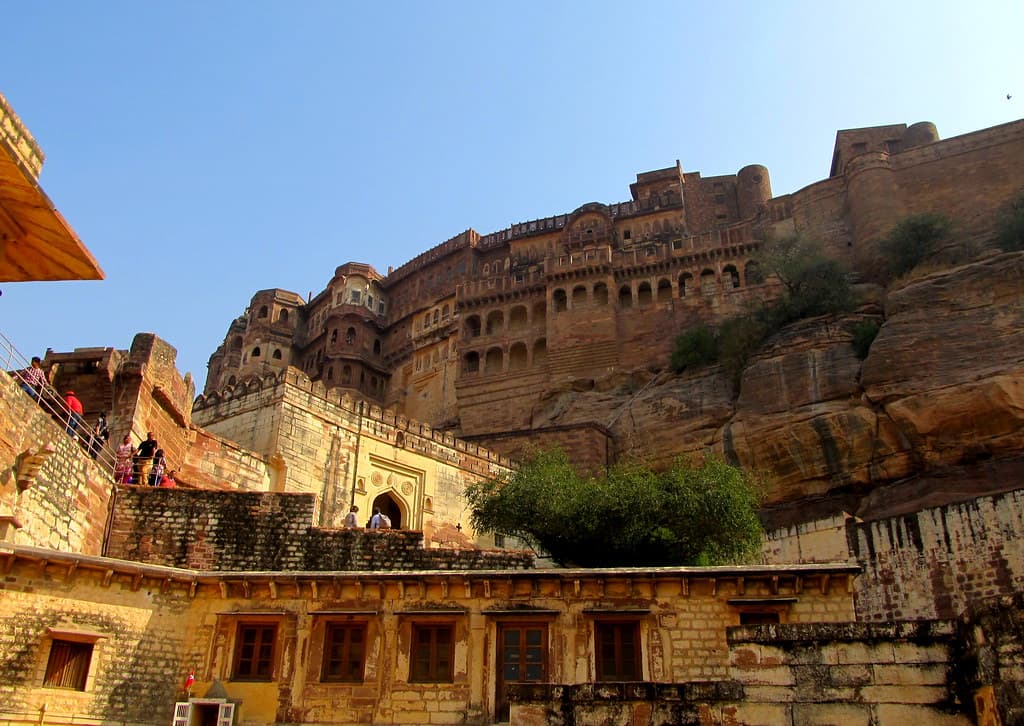
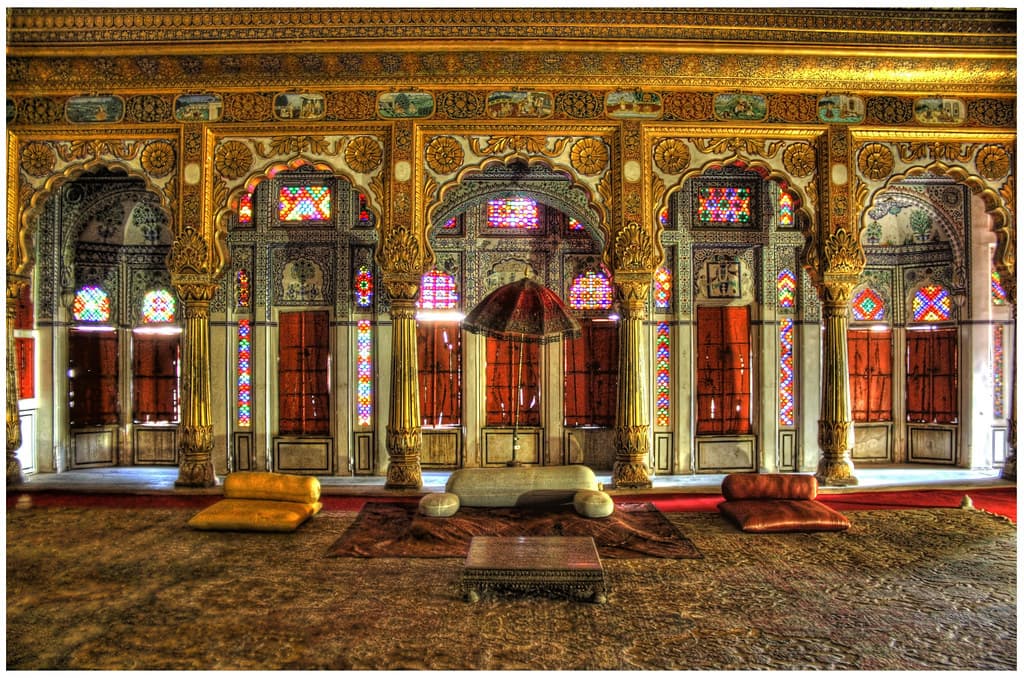
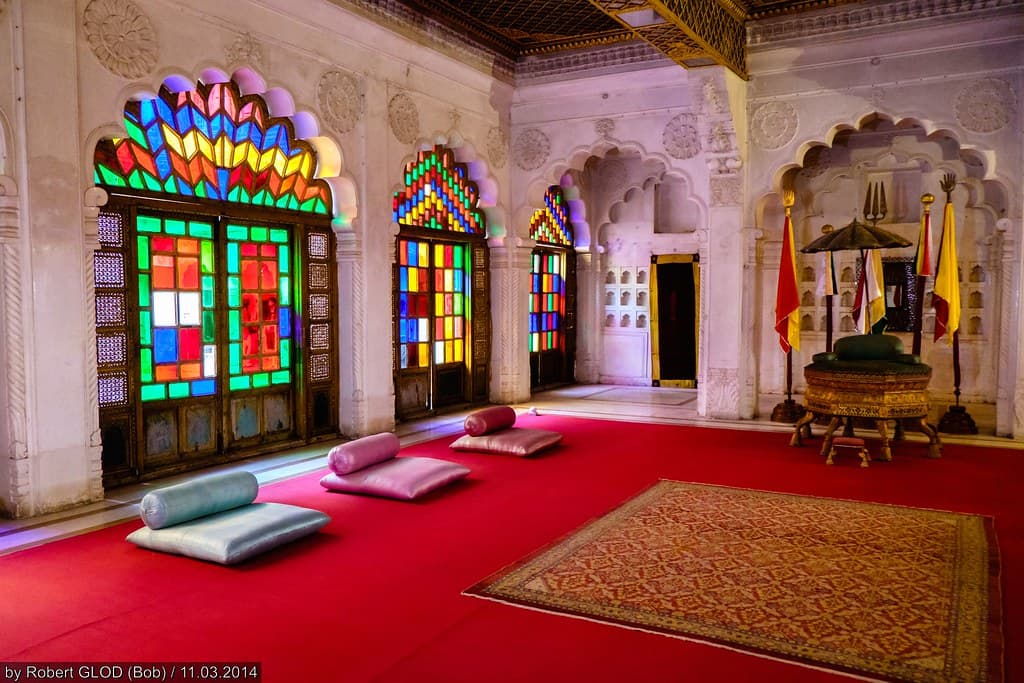
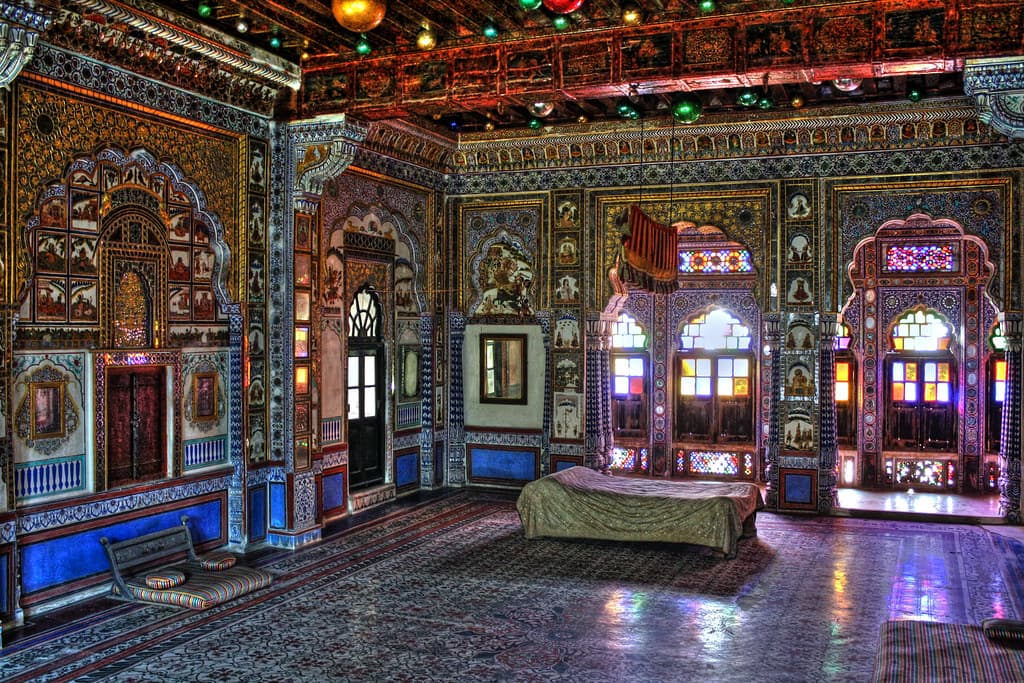
Mehrangarh Fort, towering over Jodhpur, is a monumental testament to India's regal history and architectural prowess. Established in 1459 by Rao Jodha, the fort is one of the largest and most well-preserved forts in India. Its imposing walls, constructed from red sandstone, encircle a sprawling complex of palaces, temples, and courtyards, each narrating a chapter of the region’s storied past. The fort’s architecture showcases intricate carvings and elaborate courtyards, including the exquisite Phool Mahal (Palace of Flowers), which was used for royal celebrations. The museum within Mehrangarh Fort offers a glimpse into royal artifacts, including armor, paintings, and musical instruments, reflecting the opulence of the Marwar dynasty. From the fort’s vantage points, visitors can enjoy sweeping views of Jodhpur’s blue-painted buildings, offering a striking contrast against the arid landscape. The fort’s defensive structures, including bastions and cannons, highlight its strategic significance. Mehrangarh Fort stands as a magnificent symbol of Jodhpur's heritage, blending historical grandeur with architectural brilliance.
Key Features and Attractions
Entrance and Fortification:
- The fort is accessed through a series of massive gates, each with intricate carvings. The main entrance, the “Jayapol” (Victory Gate), commemorates the victories of Maharaja Man Singh over the Mughal Empire.
Palaces Within the Fort:
- Moti Mahal (Pearl Palace): Known for its ornate decorations and stunning frescoes. It was used for royal ceremonies and audiences.
- Phool Mahal (Flower Palace): A lavish palace with intricate designs, once used as a pleasure palace by the Maharajas.
- Zenana Deodi (Queen's Palace): Home to the queens of the Rathore dynasty, featuring elegant courtyards and living quarters.
Museum and Artifacts:
- The fort houses a museum with a rich collection of artifacts, including armor, weapons, and textiles. The museum provides insights into the opulent lifestyle of the Marwar rulers and their artistic achievements.
Rao Jodha Desert Rock Park:
- This park, located adjacent to the fort, showcases the region's unique desert flora and rock formations. It offers guided tours and educational exhibits about the local ecosystem.
Temples and Chapels:
- Inside the fort complex, there are several temples dedicated to Hindu deities, including the Chamunda Mata Temple. These religious sites add a spiritual dimension to the fort’s historical narrative.
Cultural Heritage
Mehrangarh Fort reflects the rich cultural and historical heritage of Rajasthan. It is a testament to the architectural prowess of the Rathore dynasty and their patronage of the arts. The fort has been a backdrop for numerous historical events and continues to play a significant role in Jodhpur's cultural identity.
Nearby Attractions
Umaid Bhawan Palace:
- Located in Jodhpur, this palace is a blend of Indian and Western architectural styles and serves as a luxury hotel, museum, and residence.
Jaswant Thada:
- This white marble cenotaph, located near Mehrangarh Fort, serves as a memorial to Maharaja Jaswant Singh II and features beautiful gardens and intricate carvings.
Clock Tower and Sardar Market:
- Explore the bustling market area near the clock tower to experience local crafts, textiles, and spices.
Local Cuisine
Pyaaz Kachori:
- A deep-fried pastry filled with spiced onions, popular as a savory snack.
Dal Baati Churma:
- A traditional Rajasthani dish consisting of baked wheat balls (baati) served with lentil curry (dal) and a sweet, crumbly mixture (churma).
Mirchi Vada:
- A spicy, deep-fried chili stuffed with a potato filling.
Gatte ki Sabzi:
- A curry made with gram flour dumplings in a spicy yogurt-based sauce.

Leave the planning to a local expert
Tips for Visitors
Timing:
- The fort is open to visitors from morning until evening. It is best to visit early in the day to avoid crowds and to take advantage of cooler temperatures.
Dress Code:
- Dress modestly and comfortably. It is advisable to wear light, breathable clothing due to the hot climate.
Photography:
- Photography is allowed in most parts of the fort, but be mindful of the guidelines and restrictions in certain areas.
Guided Tours:
- Consider hiring a local guide to enrich your visit with historical context and stories about the fort.
Hydration:
- Carry water, as exploring the fort can be physically demanding, especially during hot weather.
Conclusion
Mehrangarh Fort stands as a monumental symbol of Jodhpur’s royal heritage and architectural brilliance. Its towering walls, grand palaces, and extensive museum offer a comprehensive glimpse into the grandeur of the Rathore dynasty. The fort's historical significance, combined with its cultural richness and proximity to other key attractions in Jodhpur, makes it an essential destination for anyone exploring the history and culture of Rajasthan.