Phool Mahal
.jpg&w=1920&q=75)
Overview
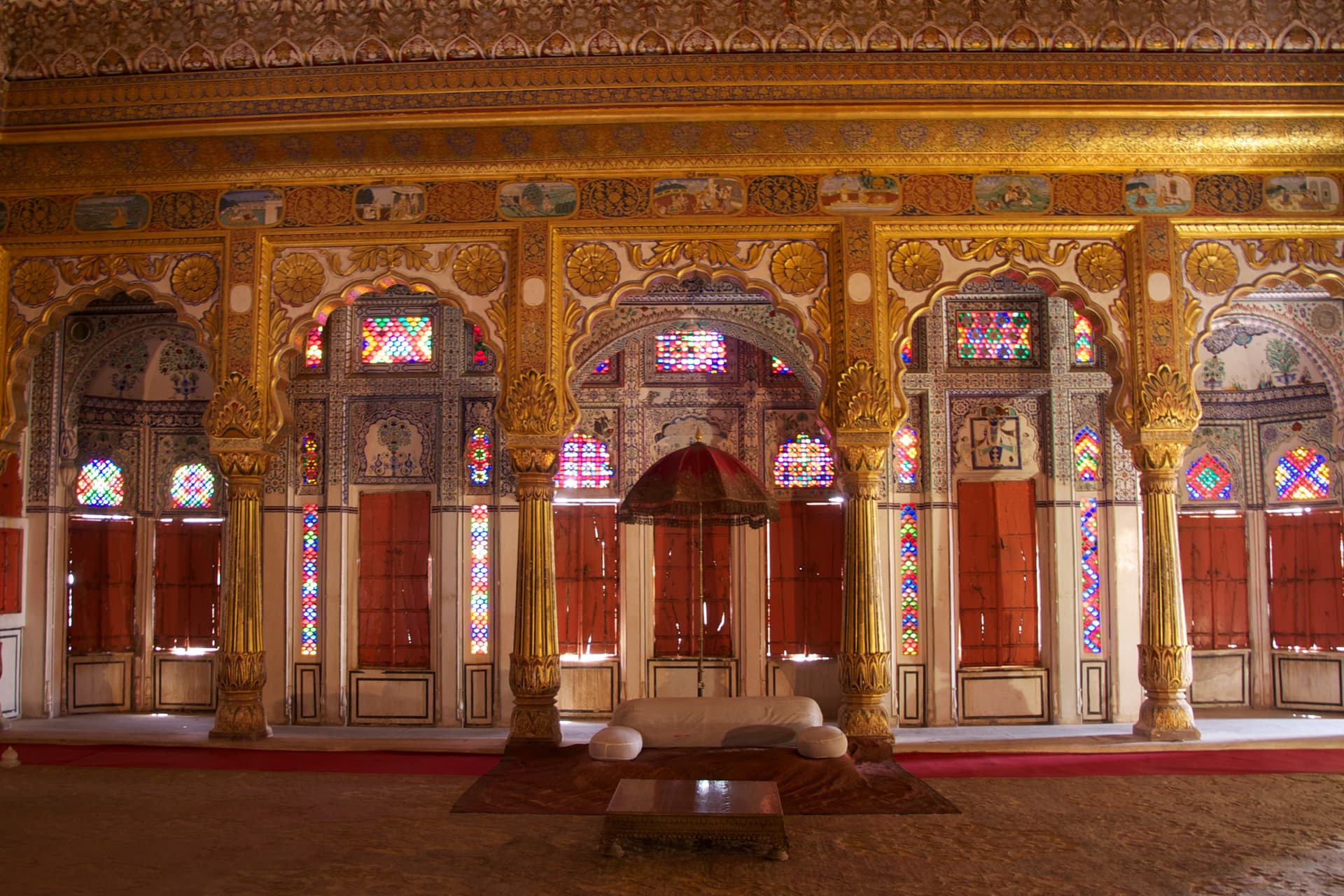
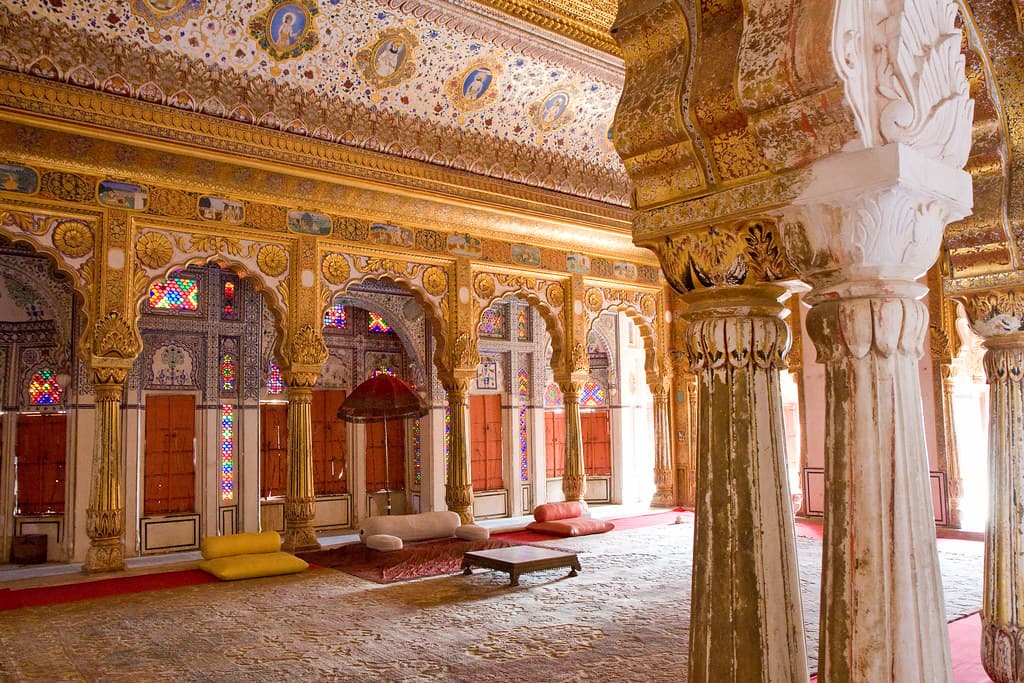
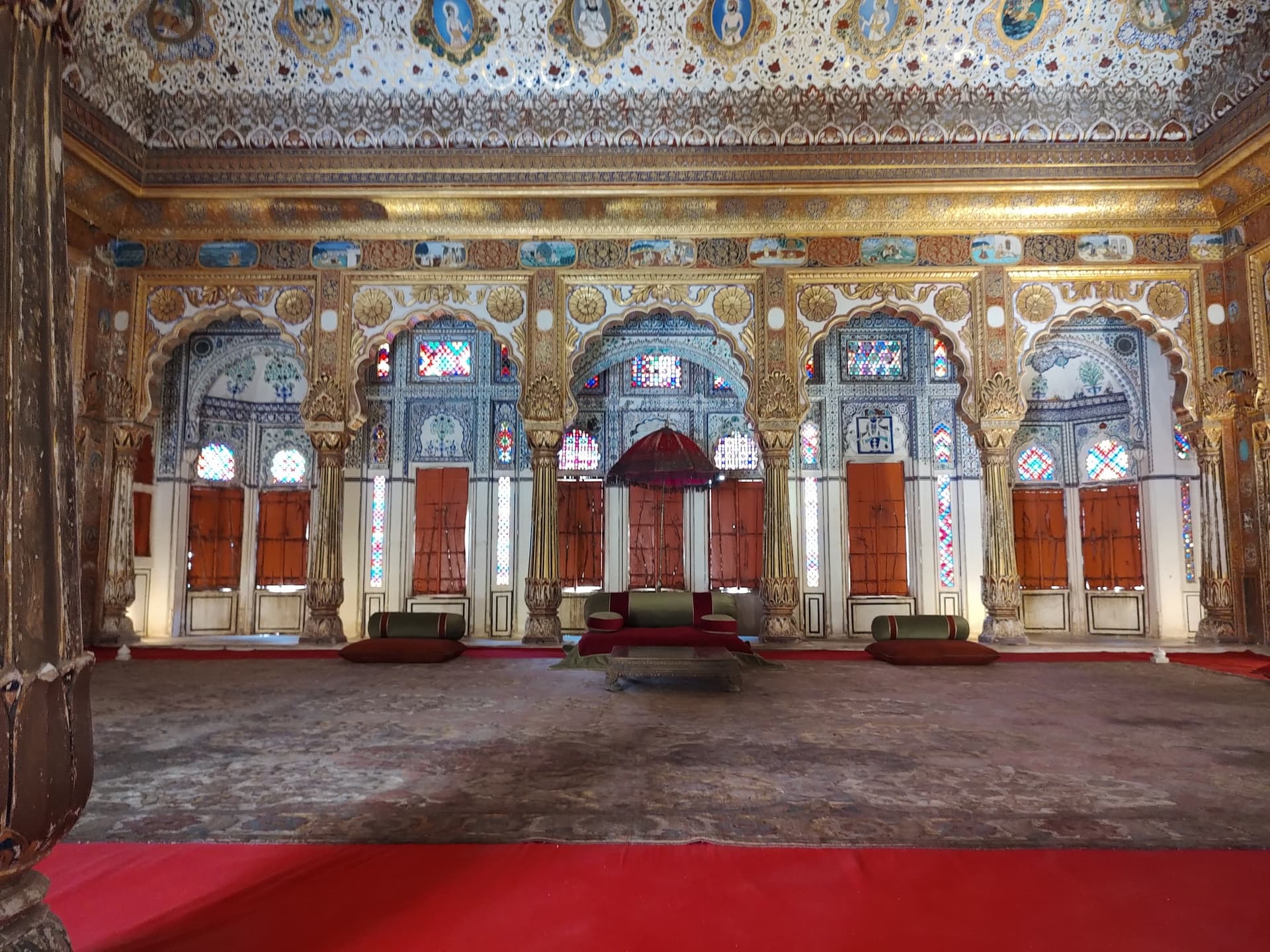
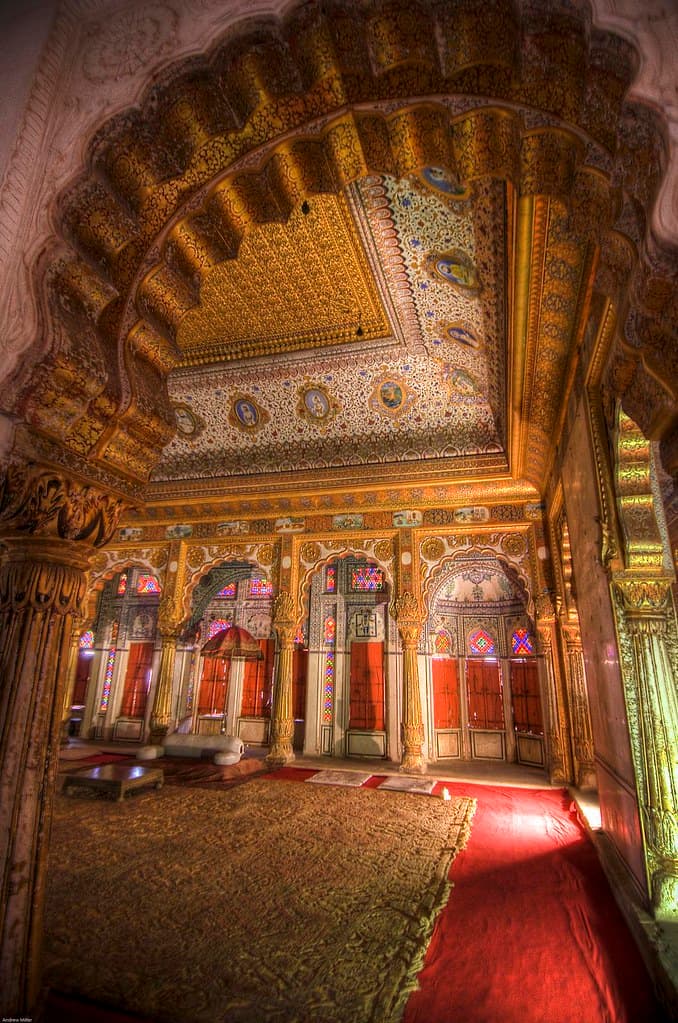
Phool Mahal, or the "Flower Palace," is one of the most opulent and historically significant rooms within the Mehrangarh Fort in Jodhpur. Constructed during the 18th century under the reign of Maharaja Abhaya Singh, this grand palace exemplifies the grandeur of Rajput architecture and artistry. The interior of Phool Mahal is renowned for its extravagant decoration, featuring intricate frescoes, elaborate carvings, and richly colored wall paintings that depict royal life and traditional motifs. The palace was used for various royal functions and private gatherings, reflecting its role as a hub of courtly life.
Visitors to Phool Mahal are struck by the lavish use of gold and marble, which adds to its regal ambiance. The room’s design includes stunning jali work, or lattice screens, which not only enhance its beauty but also allow for ventilation and privacy. The palace's grand hall, adorned with beautiful chandeliers and detailed mirror work, further emphasizes the opulence of the era.
Phool Mahal is situated within the Mehrangarh Fort, a massive fortress offering sweeping views of Jodhpur. As part of a broader exploration of the fort, visitors can also explore other remarkable sections, such as the museum and the various courtyards, which together provide a comprehensive glimpse into the royal heritage and architectural splendor of the region. For those interested in the local cuisine, numerous dining options are available in the vicinity of the fort, offering a range of traditional Rajasthani dishes. To fully appreciate Phool Mahal, it's recommended to take a guided tour to gain deeper insights into its history and significance.
Key Features and Attractions
Architecture and Design
- Interior Décor: Phool Mahal features intricate wall paintings and ornate decorations, with floral motifs that give the palace its name. The interiors are adorned with rich textiles, vibrant colors, and delicate woodwork.
- Ceilings and Floors: The ceilings are embellished with intricate designs and the floors are made of polished marble, showcasing the craftsmanship of the artisans of the time.
Art and Artifacts
- Exquisite Art: The palace is known for its collection of artworks, including frescoes and murals that depict various aspects of royal life and traditional motifs.
- Antique Furnishings: The rooms are furnished with antique pieces, adding to the historic charm and elegance of the palace.
Cultural Heritage
Phool Mahal reflects the cultural heritage of Rajasthan, representing the artistic and architectural brilliance of the Rajput period. The palace's design and decor incorporate traditional Rajasthani art forms, including frescoes and intricate wood carvings, highlighting the rich artistic traditions of the region. The use of floral patterns and vibrant colors in the palace's interiors showcases the luxurious lifestyle of the Maharajas.
Historical Significance
Built during the reign of Maharaja Umaid Singh, Phool Mahal was designed as a retreat for the royal family, a place of relaxation and leisure. Its construction was part of a broader effort to create a grand palace that could serve both administrative and residential purposes. The palace also stands as a symbol of the Maharaja's vision of blending traditional Rajasthani architecture with modern amenities of the early 20th century.
Nearby Attractions
Umaid Bhawan Palace: A major landmark in Jodhpur, the Umaid Bhawan Palace houses a museum, a luxury hotel, and the residence of the current Maharaja. Its architecture and gardens are worth exploring.
Mehrangarh Fort: This imposing fort offers stunning views of the city and houses a museum with an extensive collection of artifacts, including armor and weapons.
Jaswant Thada: A memorial dedicated to Maharaja Jaswant Singh II, this cenotaph is known for its beautiful marble work and serene surroundings.

Leave the planning to a local expert
Tips for Visitors
Best Time to Visit: The ideal time to visit Phool Mahal and Jodhpur is between October and March when the weather is pleasant and conducive to sightseeing.
Dress Code: As Phool Mahal is a historical site, it's advisable to dress modestly and comfortably. Light, breathable clothing is recommended due to the region's warm climate.
Guided Tours: Consider hiring a local guide to gain deeper insights into the history and significance of Phool Mahal and the Umaid Bhawan Palace complex.
Photography: Check the photography rules before visiting, as some areas may have restrictions on photography.
Conclusion
Phool Mahal stands as a remarkable example of Rajput luxury and artistry, encapsulating the opulence of the early 20th century. Its architectural beauty, rich interiors, and historical significance make it a noteworthy attraction in Jodhpur. Visiting Phool Mahal offers a unique glimpse into the royal lifestyle of the Maharajas and the artistic heritage of Rajasthan.