Rao Jodha Desert Rock Park
.jpg&w=1920&q=75)
Overview
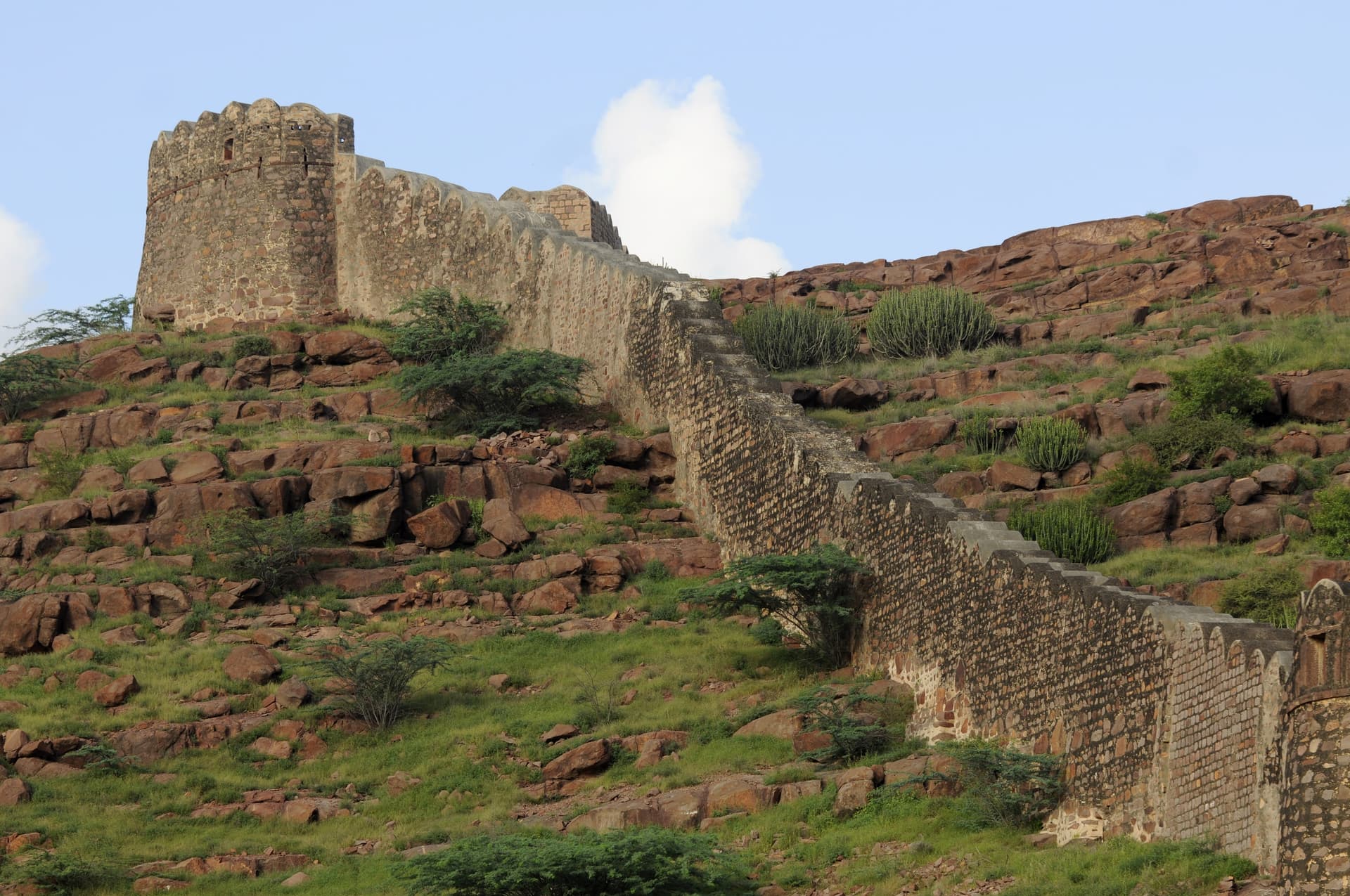
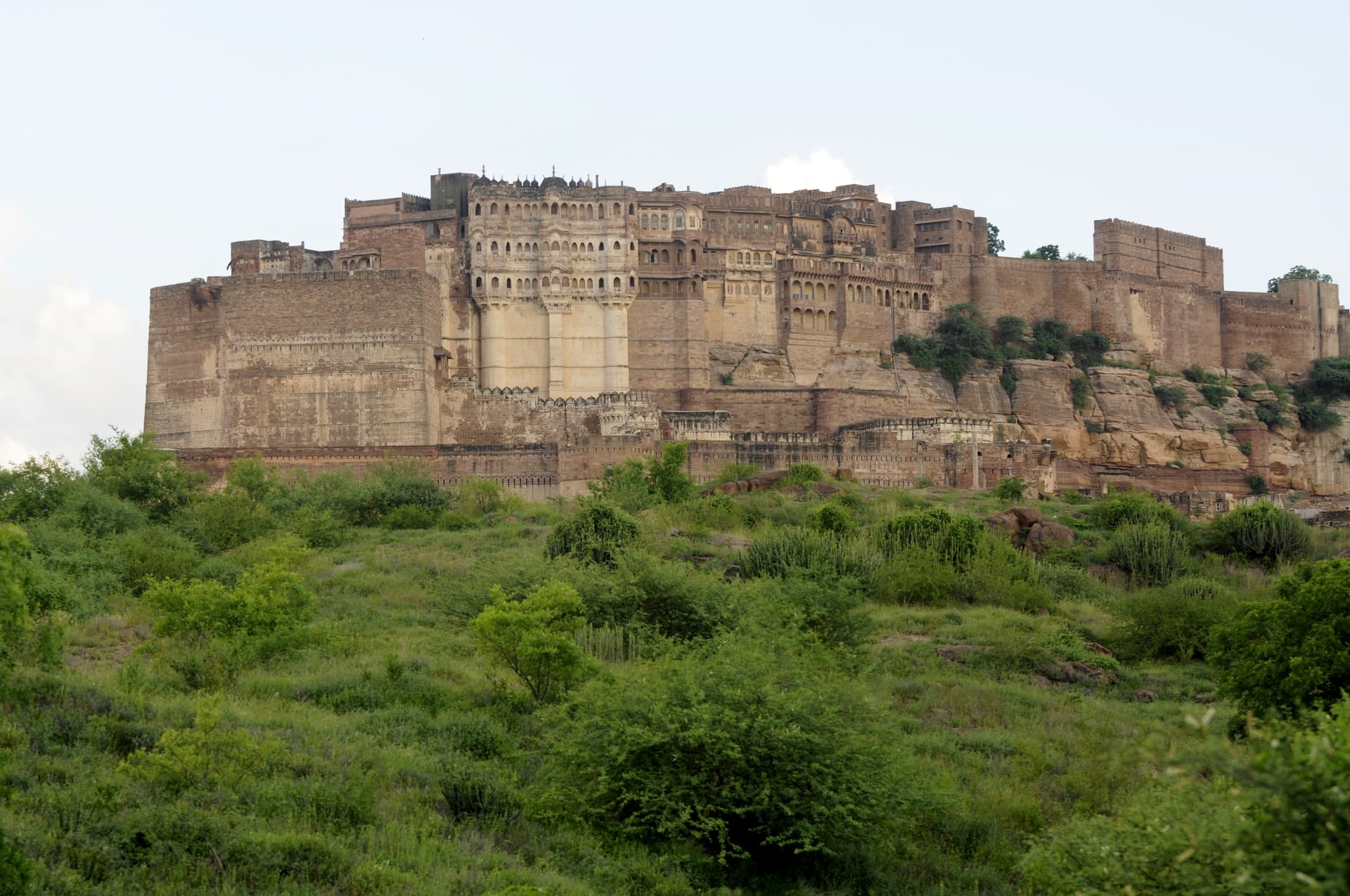
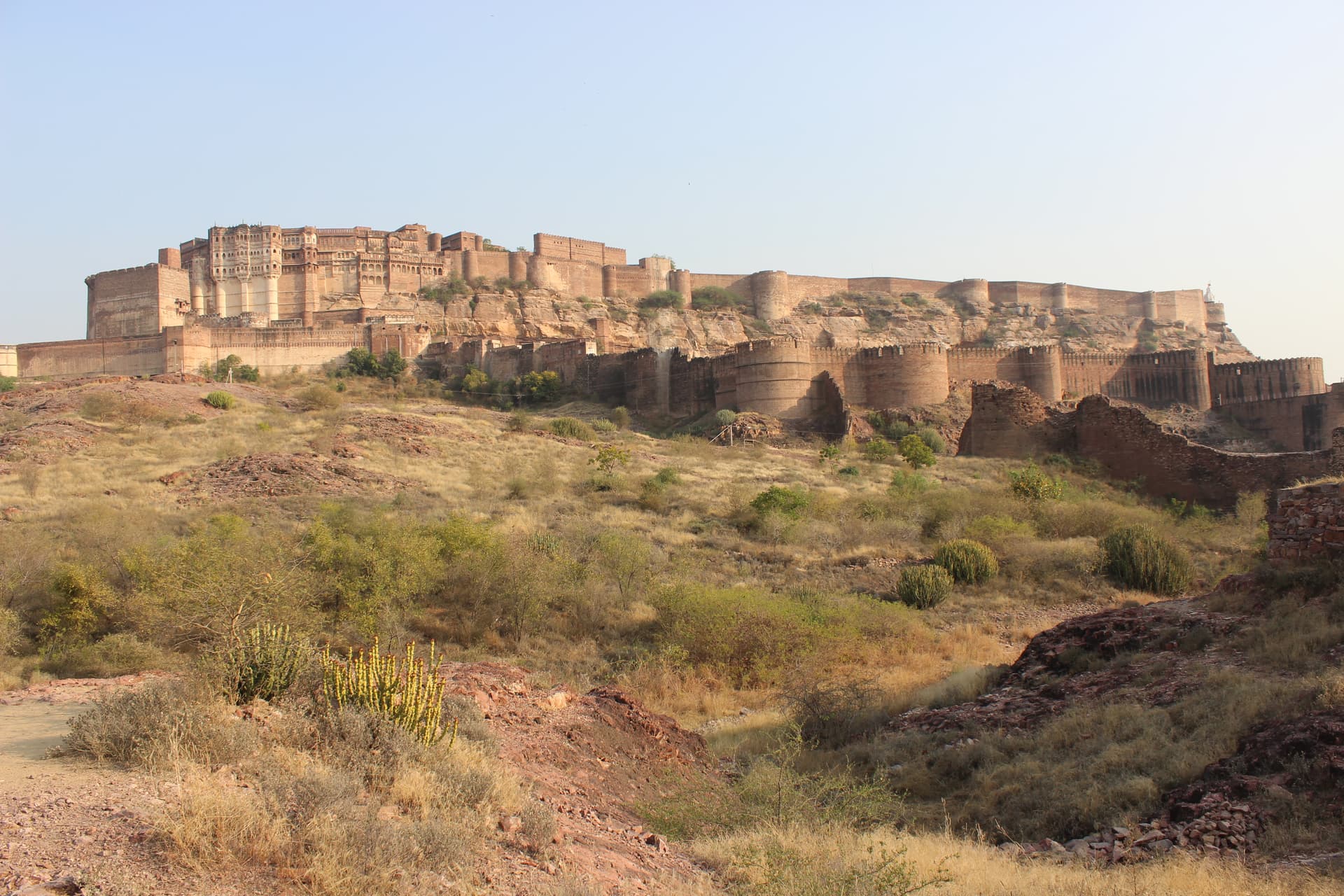
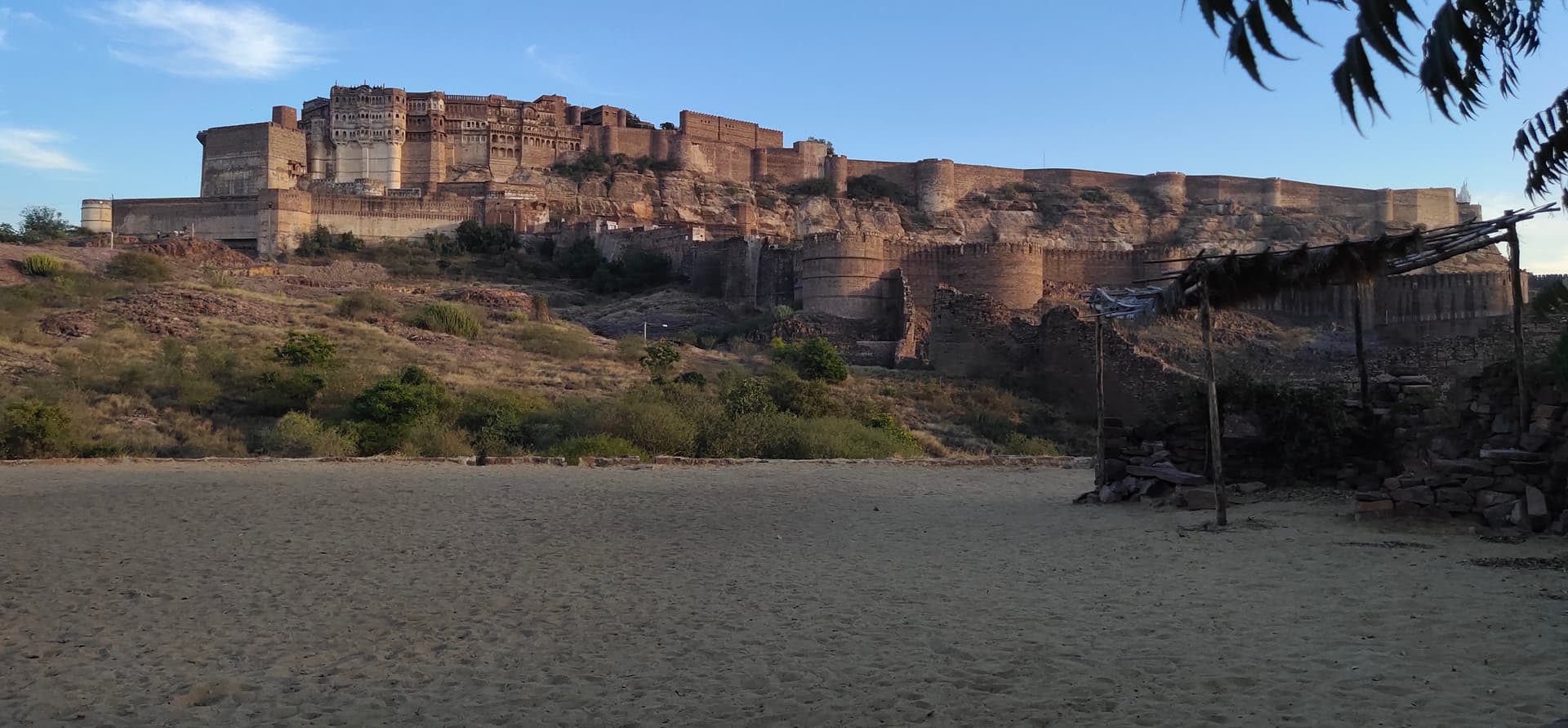
Rao Jodha Desert Rock Park, located at the foot of the Mehrangarh Fort in Jodhpur, is a remarkable ecological restoration project that showcases the unique flora of the Thar Desert. Spanning over 200 acres, the park was established in 2006 with the aim of reviving the natural ecology of a rocky wasteland. It features an array of indigenous plant species, including hardy grasses, shrubs, and trees that thrive in the arid conditions. Visitors can explore several walking trails that wind through the park, providing an opportunity to experience the diverse plant life and geological formations up close. Informative signboards along the trails offer insights into the native flora and the park's restoration efforts. The park also includes a visitors' center that provides detailed information about the desert ecosystem and the significance of conservation efforts. In addition to its ecological importance, Rao Jodha Desert Rock Park offers stunning views of the Mehrangarh Fort and the Blue City of Jodhpur, making it a must-visit destination for nature enthusiasts and history buffs alike.
Key Features and Attractions
Ecological Restoration: The primary goal of the park was to restore the natural vegetation of the area, which had been overrun by the invasive mesquite plant (Prosopis juliflora). Efforts included the removal of this species and the reintroduction of native plants. Today, the park boasts over 80 native plant species, including hardy shrubs, grasses, and trees adapted to the rocky, arid terrain.
Walking Trails: The park features several walking trails that guide visitors through different ecological zones. These trails are well-marked and provide informative signages about the flora and fauna. The Green Route and the Red Route are popular paths that offer varying degrees of difficulty and insights into the park’s biodiversity.
Volcanic Rock Formations: The geological aspect of the park is significant, with volcanic rock formations dating back to around 745 million years. These formations provide a fascinating backdrop to the plant life and offer insights into the ancient geological history of the region.
Native Plant Nursery: The park houses a nursery dedicated to the propagation of native plant species. This initiative supports the ongoing restoration efforts and provides educational opportunities for visitors interested in the flora of the Thar Desert.
Bird Watching: The park is a haven for bird watchers, with numerous species of resident and migratory birds. The diverse habitat supports a variety of avian life, making it an excellent spot for ornithologists and nature enthusiasts.
Cultural Heritage
Rao Jodha Desert Rock Park is named after Rao Jodha, the founder of Jodhpur, reflecting the historical significance of the area. The park is located at the foot of the Mehrangarh Fort, one of India's largest and most historically important forts, which adds a rich cultural layer to the natural environment. The restoration project itself is a nod to the traditional knowledge and practices of the local communities who have long interacted with this harsh landscape.
Nearby Attractions
Mehrangarh Fort: Overlooking the park, this fort is a must-visit for its imposing architecture, museum, and panoramic views of Jodhpur. The fort's history is deeply intertwined with that of the park, making a combined visit highly enriching.
Jaswant Thada: A short distance from the park, this marble cenotaph built in memory of Maharaja Jaswant Singh II is renowned for its intricate carvings and peaceful gardens.
Umaid Bhawan Palace: This opulent palace, now a luxury hotel and museum, offers insights into the royal heritage of Jodhpur.
Local Cuisine
Jodhpur's culinary scene is vibrant and offers a range of local delicacies that reflect the region's cultural heritage. Some must-try dishes include:
- Dal Baati Churma: A traditional Rajasthani dish featuring lentils, baked wheat balls, and a sweet crumble.
- Mawa Kachori: A sweet pastry filled with mawa (sweetened condensed milk) and nuts.
- Pyaaz Kachori: A spicy, deep-fried pastry filled with onions and spices.
- Laal Maas: A spicy red meat curry made with mutton and a blend of local spices.
- Ghewar: A traditional sweet, especially popular during the festival of Teej.

Leave the planning to a local expert
Tips for Visitors
Best Time to Visit: The best time to visit Rao Jodha Desert Rock Park is during the cooler months from October to March. The temperatures are more manageable, and the flora is in full bloom.
Footwear: Wear comfortable, sturdy shoes suitable for walking on rocky terrain.
Hydration: Carry ample water, as the park's arid environment can be dehydrating.
Guided Tours: Consider taking a guided tour to gain deeper insights into the park’s ecology and history.
Sun Protection: Use sunblock, hats, and sunglasses to protect yourself from the intense sun.
Conclusion
Rao Jodha Desert Rock Park is a testament to the resilience of nature and the dedication of those who strive to restore it. Its unique blend of geological wonders, native flora, and historical context offers visitors a rare and enriching experience. Whether you are a nature enthusiast, a history buff, or simply seeking a serene escape, the park provides a profound connection to the natural and cultural heritage of Jodhpur.