Toorji Ka Jhalra
_12.jpg&w=1920&q=75)
_13.jpg&w=1920&q=75)
.jpg&w=1920&q=75)
Overview
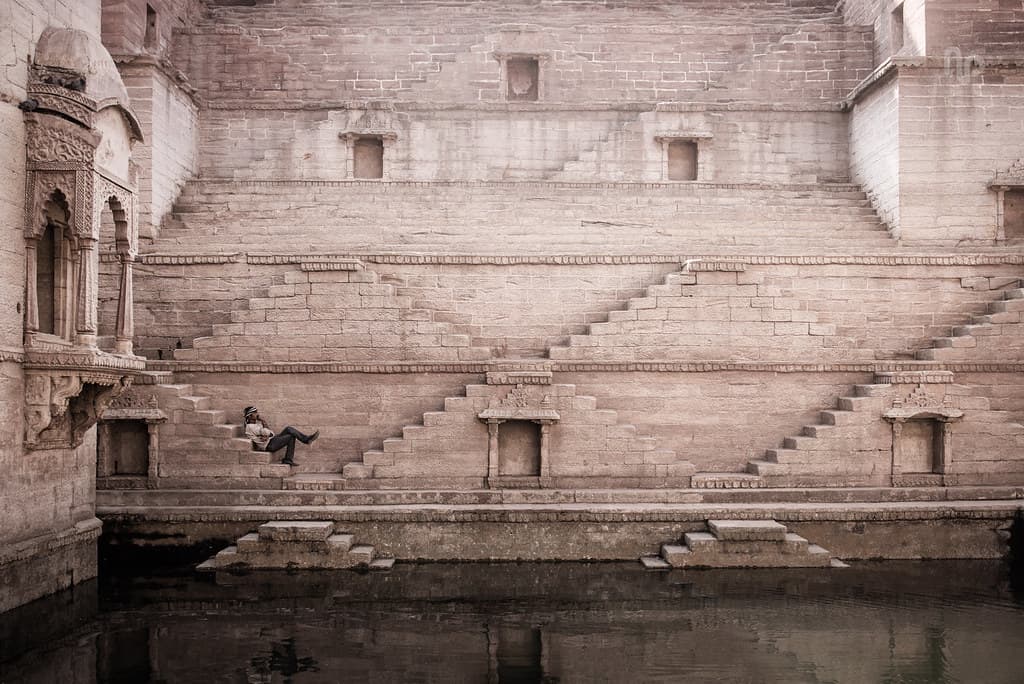
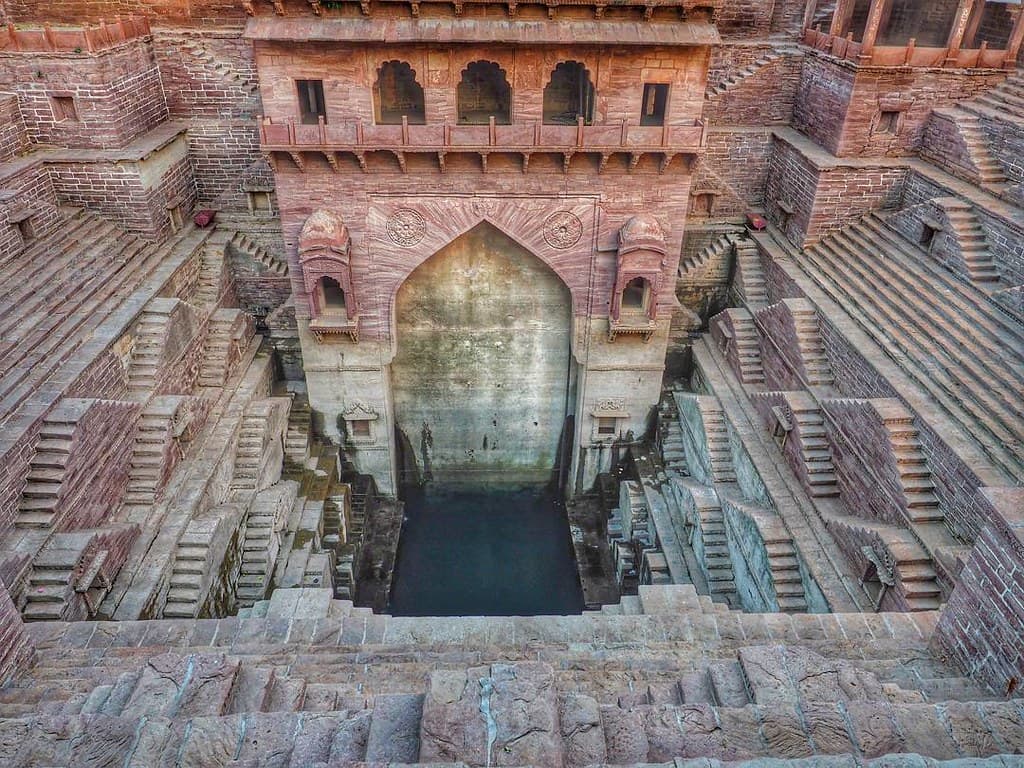
Toorji Ka Jhalra, an impressive stepwell in Jodhpur, is a fine example of the architectural ingenuity and water management practices of Rajasthan. Built in the 1740s by Maharaja Abhay Singh’s consort, it is an engineering marvel with its intricate design and elaborate carvings. The stepwell plunges deep into the earth, with a series of steps leading down to the water level, showcasing the meticulous craftsmanship of the era. Each step and landing is adorned with ornate carvings of deities, animals, and geometric patterns, reflecting the rich artistic heritage of the region. Over the centuries, this structure has served as a vital water source for the community, highlighting its practical significance beyond its aesthetic appeal. Recently restored, Toorji Ka Jhalra has become a popular spot for both locals and tourists, offering a glimpse into the historical and cultural fabric of Jodhpur. Its surroundings are often bustling with activity, providing a lively atmosphere that contrasts with the cool, shaded depths of the stepwell itself. Nearby, visitors can explore vibrant markets and local eateries, adding to the immersive experience of visiting this remarkable historical site.
Key Features and Attractions
Architectural Design: The stepwell is a marvel of architecture, featuring intricate carvings and a multi-tiered structure that descends deep into the ground. The symmetrical steps and elaborate stone carvings depict scenes of gods, goddesses, and various daily activities, showcasing the artistic craftsmanship of the time.
Restoration Efforts: In recent years, Toorji Ka Jhalra has undergone significant restoration to preserve its historical integrity and to make it accessible to tourists. The restoration has revived the stepwell, making it a popular tourist attraction in Jodhpur.
Water Management System: The design of the stepwell is a testament to the ingenious water management systems of ancient India. It was built to collect and store water, ensuring a reliable water supply throughout the year, especially in the arid region of Rajasthan.
Photography: The Stepwell's unique architecture and historical significance make it a popular spot for photography. Visitors can capture stunning images of the stepwell's intricate design and the play of light and shadow.
Cultural Heritage and Historical Significance
Toorji Ka Jhalra holds immense cultural significance as it represents the traditional water conservation techniques of Rajasthan. Stepwells were not only functional structures but also served as social and cultural hubs where people gathered for various activities. The stepwell is a reflection of the community-centric lifestyle of the past and the importance of water in the daily lives of the people of Rajasthan.
In recent years, Toorji ka Jhalra has undergone significant restoration efforts to preserve its historical and cultural integrity. These efforts have helped in reviving the stepwell, making it a popular tourist attraction and a symbol of Jodhpur’s rich heritage. The restoration has also brought attention to the importance of conserving such historical structures for future generations.
Nearby Attractions
Mehrangarh Fort: One of the largest and most magnificent forts in India, Mehrangarh Fort offers panoramic views of Jodhpur and houses a museum showcasing the royal history of Rajasthan.
Jaswant Thada: This beautiful marble cenotaph is located near Mehrangarh Fort and serves as a memorial to Maharaja Jaswant Singh II. It is known for its serene surroundings and intricate marble lattice work.
Clock Tower and Sardar Market: Located in the heart of Jodhpur, this bustling market area is perfect for experiencing the local culture, shopping for handicrafts, and tasting local street food.
Local Cuisine
Jodhpur is renowned for its rich and flavorful cuisine. Some must-try dishes include:
Dal Baati Churma: A traditional Rajasthani dish consisting of baked wheat balls served with lentil curry and a sweet crushed wheat mixture.
Mirchi Vada: Spicy chili fritters stuffed with a tangy potato filling, a popular street food in Jodhpur.
Makhaniya Lassi: A creamy and refreshing yogurt-based drink flavored with cardamom and saffron.
Ghewar: A traditional Rajasthani sweet, particularly popular during festivals, made from flour and soaked in sugar syrup.

Leave the planning to a local expert
Tips for Visitors
Best Time to Visit: The best time to visit Toorji Ka Jhalra is during the cooler months from October to March.
Early Morning Visits: To avoid the crowds and the heat, visiting early in the morning is recommended.
Guided Tours: Consider hiring a local guide to gain deeper insights into the historical and cultural significance of the stepwell.
Safety: Be cautious while navigating the steps, especially if visiting with children or elderly individuals, as the steps can be steep and uneven.
Respect the Heritage: Ensure to respect the site by not littering and following any guidelines provided for visitors.
Conclusion
Toorji Ka Jhalra is a testament to the ingenuity and artistry of ancient Rajasthan. Its architectural beauty, historical significance, and cultural heritage make it a must-visit attraction in Jodhpur. Exploring the stepwell offers a unique glimpse into the past, highlighting the importance of water conservation and community life in the region. Whether you're an architecture enthusiast, history buff, or simply a curious traveler, Toorji Ka Jhalra provides a captivating experience that enriches your understanding of Jodhpur's rich heritage.