Umaid Bhawan Palace
.jpg&w=1920&q=75)
Overview
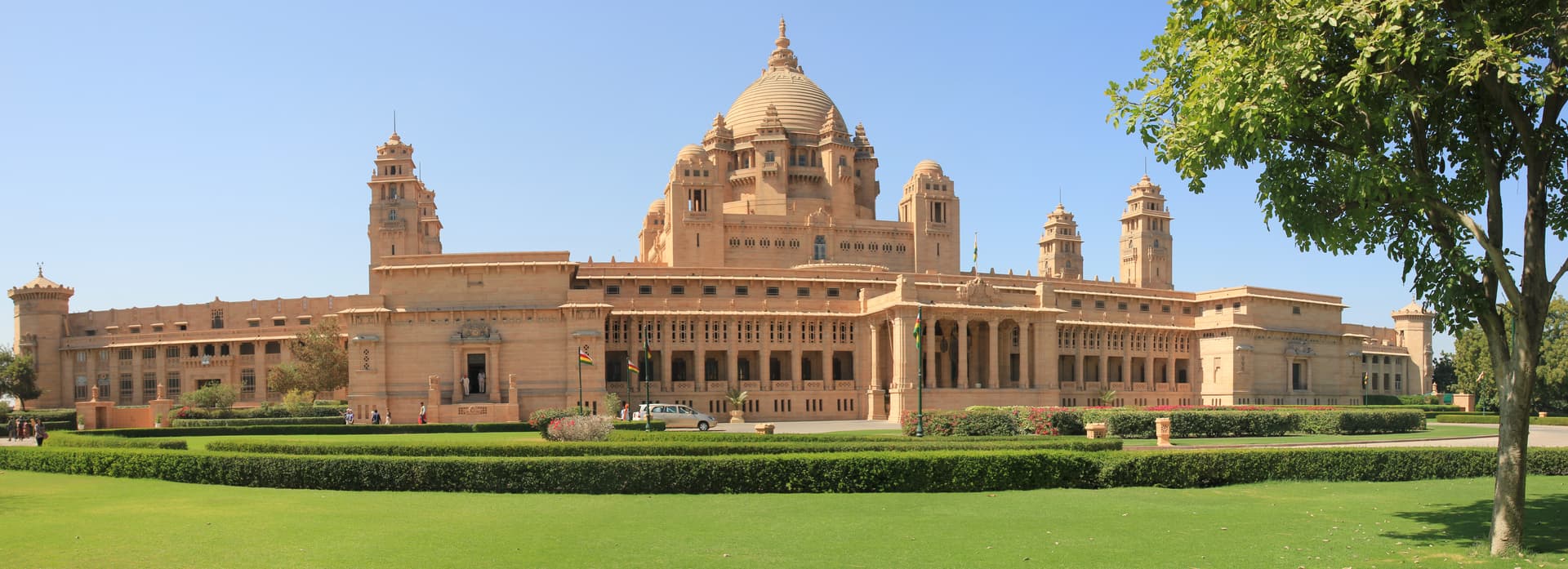
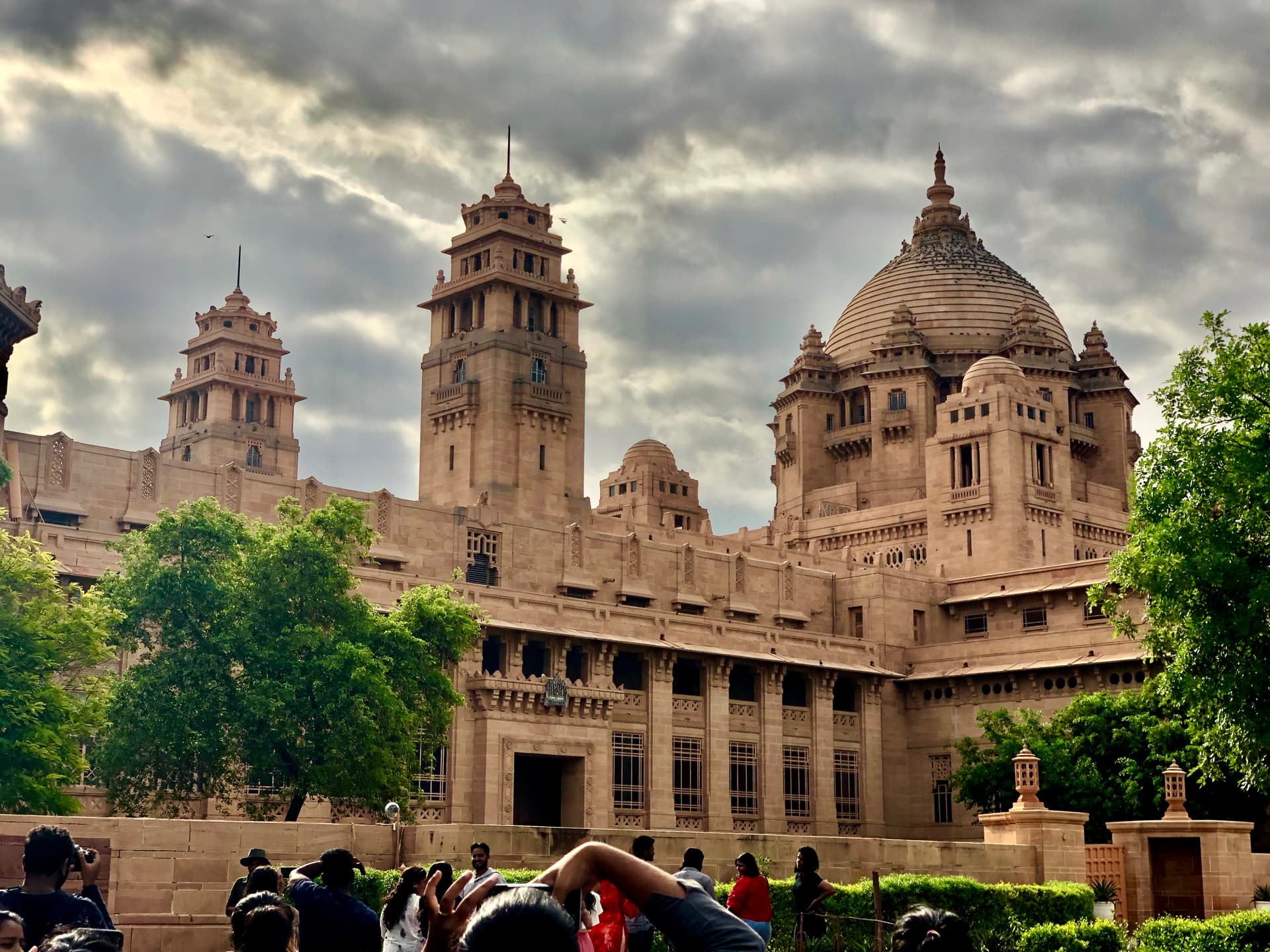
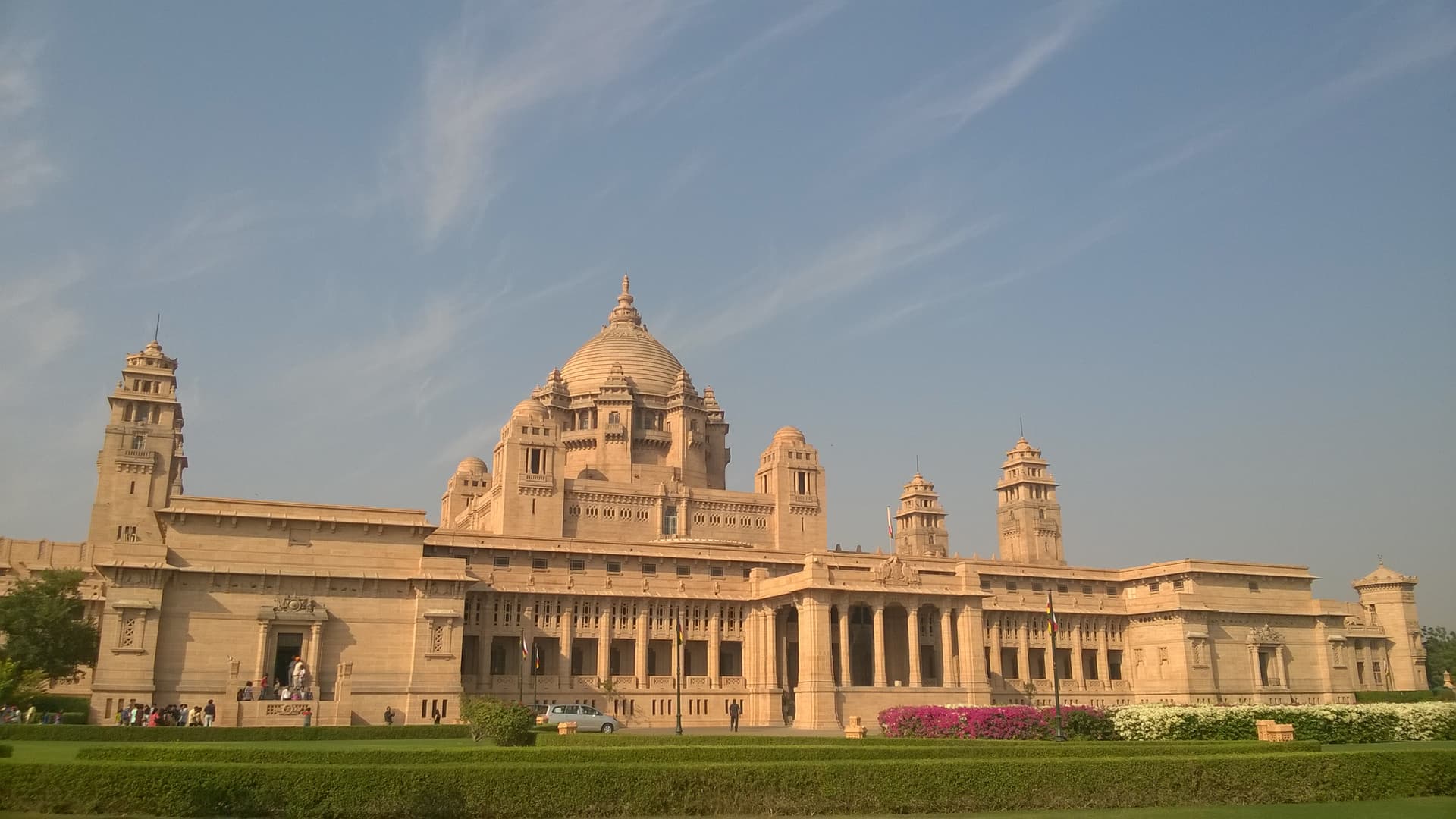
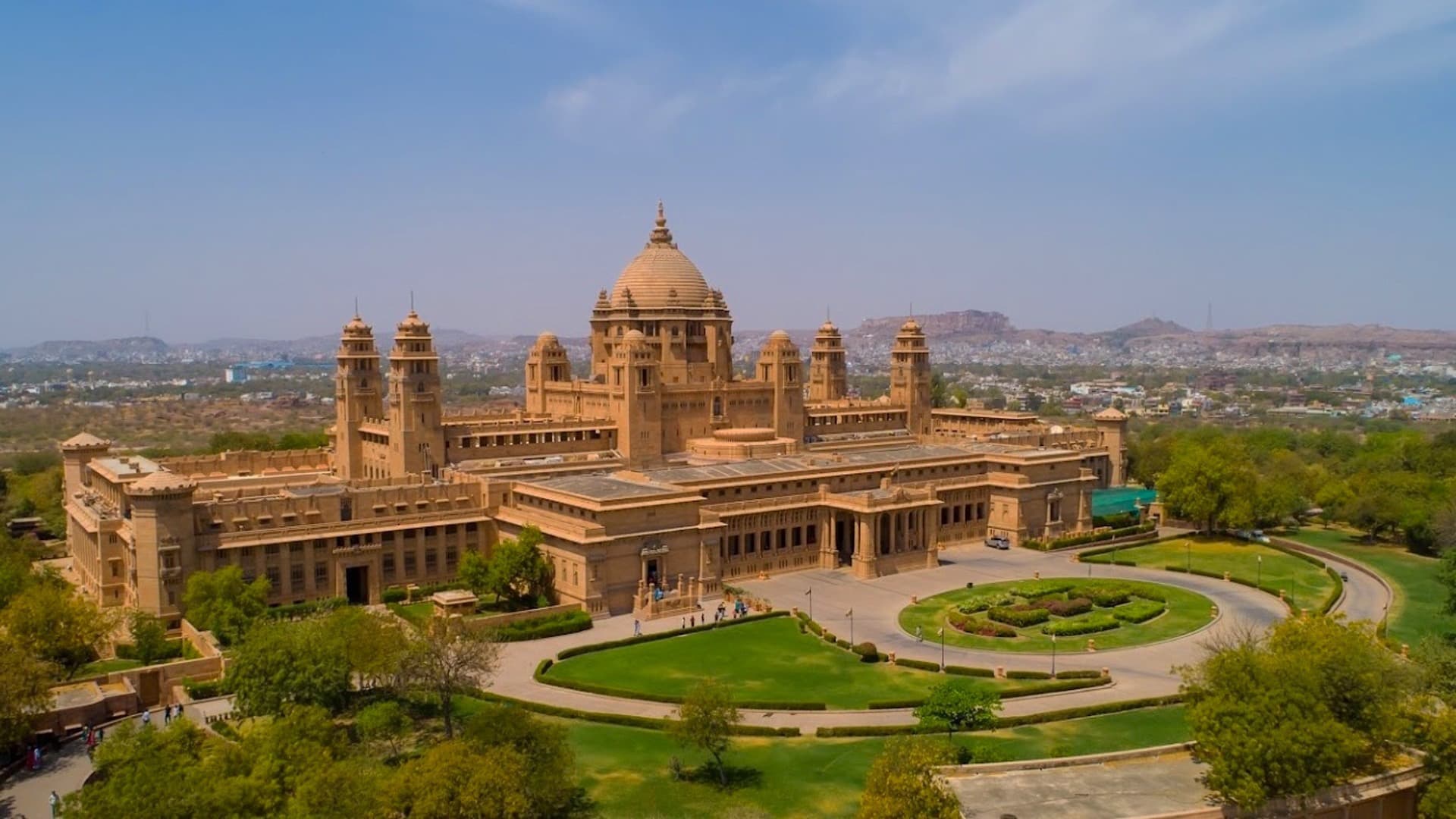
The Umaid Bhawan Palace in Jodhpur stands as a grand testament to early 20th-century Indian architecture and royal opulence. Constructed between 1928 and 1943 under the patronage of Maharaja Umaid Singh, this palace is a stunning example of Indo-Saracenic design, blending elements of Eastern and Western architectural styles. Designed by the renowned architect Henry Vaughan Lanchester, the palace features a blend of Art Deco and Renaissance influences, with its high domes, expansive courtyards, and intricate marble and sandstone carvings. The palace is not only a majestic residence but also houses a luxurious hotel and a museum. The museum showcases a rich collection of artifacts and historical memorabilia related to the Jodhpur royal family. The sprawling gardens and the palace's impressive façade make it a significant landmark and a symbol of the grandeur and historical depth of Rajasthan.
Key Features and Attractions
Architecture: Umaid Bhawan Palace is one of the largest private residences in the world. Its design incorporates the use of sandstone with elaborate carvings and expansive domes. The palace’s façade is adorned with intricate detailing, while the interiors feature luxurious decor, including a lavish ballroom, a grand dining hall, and a variety of opulent suites.
Museum: The palace houses a museum that exhibits a rich collection of artifacts from the royal era. Visitors can explore a range of historical items, including vintage automobiles, armory, and textiles. The museum offers insight into the history and lifestyle of the Maharajas of Jodhpur.
Hotel: Part of the palace has been converted into a luxury hotel, offering an exclusive stay experience. Guests can enjoy the grandeur of the palace while experiencing modern amenities and impeccable service.
Gardens: The palace is surrounded by well-maintained gardens that reflect the royal taste and provide a space for leisurely walks and relaxation.
Cultural Heritage
Umaid Bhawan Palace holds significant cultural value as a representation of the last great palace built in India before independence. Its construction symbolizes the transition from traditional Indian princely states to a more modern, independent India. The palace is a testament to the Marwar dynasty’s commitment to modernization while preserving cultural heritage.
Nearby Attractions
Mehrangarh Fort: A must-visit for history enthusiasts, this imposing fort offers panoramic views of Jodhpur and a deep dive into the region’s history through its extensive collection of artifacts and exhibits.
Jaswant Thada: A beautiful marble cenotaph built in memory of Maharaja Jaswant Singh II, this monument features intricate marble latticework and is set in a tranquil garden.
Clock Tower and Sardar Market: The bustling market near the Clock Tower is perfect for experiencing local culture and shopping for traditional Rajasthani handicrafts, textiles, and spices.
Mandore Gardens: Located a bit farther from the city center, these gardens house the ruins of ancient temples and cenotaphs of the Marwar rulers, set amidst a lush landscape.
Local Cuisine
Rajasthani Cuisine: Jodhpur offers a variety of traditional Rajasthani dishes. Try local specialties like Dal Baati Churma (lentils with round bread and sweet crushed wheat), Gatte ki Sabzi (gram flour dumplings in curry), and Ker Sangri (a unique vegetable dish made from desert beans and berries).
Street Food: Sample local street food such as Pyaaz Kachori (spicy onion-filled pastries) and Mirchi Vada (chili fritters), which are popular snacks among locals.

Leave the planning to a local expert
Tips for Visitors
Best Time to Visit: The ideal time to visit Jodhpur is between October and March when the weather is more pleasant and suitable for sightseeing.
Dress Code: While exploring the palace and other attractions, dress modestly to respect local customs and cultural sensitivities.
Photography: Photography is allowed in most areas, but it’s best to check specific restrictions before taking photos, especially in the museum and certain parts of the palace.
Booking: If you plan to stay at the palace hotel, book well in advance to secure a room and experience the royal hospitality.
Local Transportation: Consider hiring a local guide or using reputable taxi services to navigate the city and its attractions efficiently.
Conclusion
Umaid Bhawan Palace stands as a monumental symbol of Jodhpur’s regal heritage and architectural prowess. Its combination of historical significance, architectural beauty, and modern luxury makes it a remarkable destination. Whether exploring the palace’s opulent rooms, immersing in its historical exhibits, or enjoying the surrounding attractions and local cuisine, visitors are sure to have an unforgettable experience in Jodhpur.