
Adinath Temple
Overview
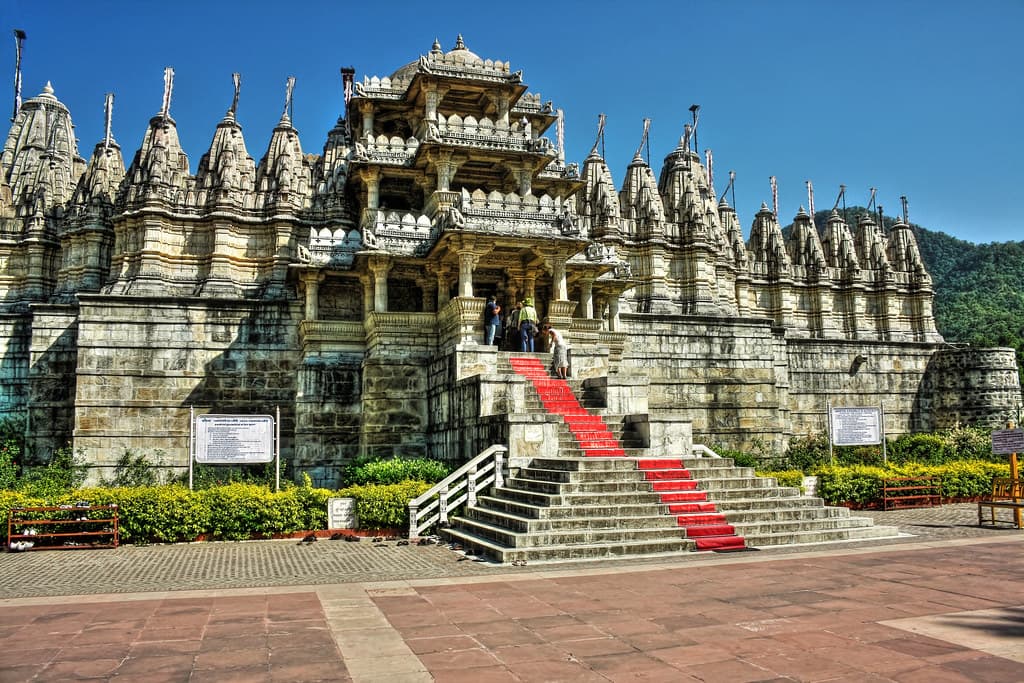
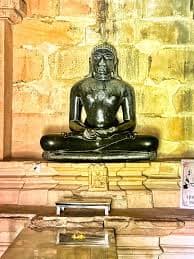
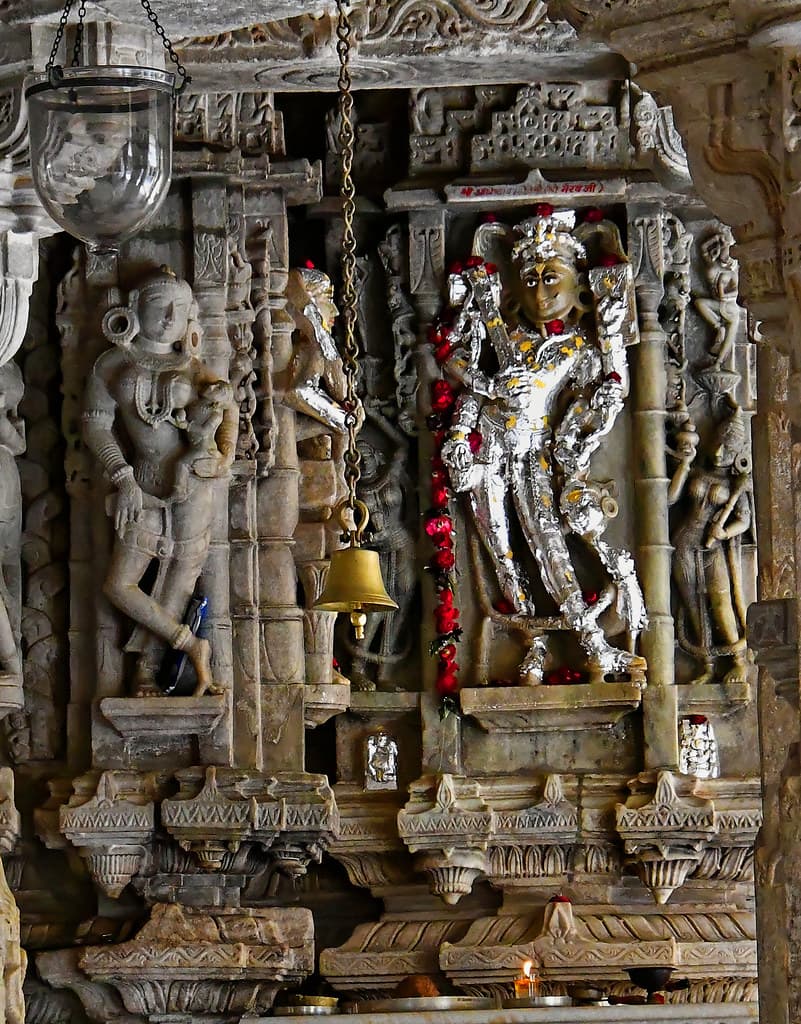
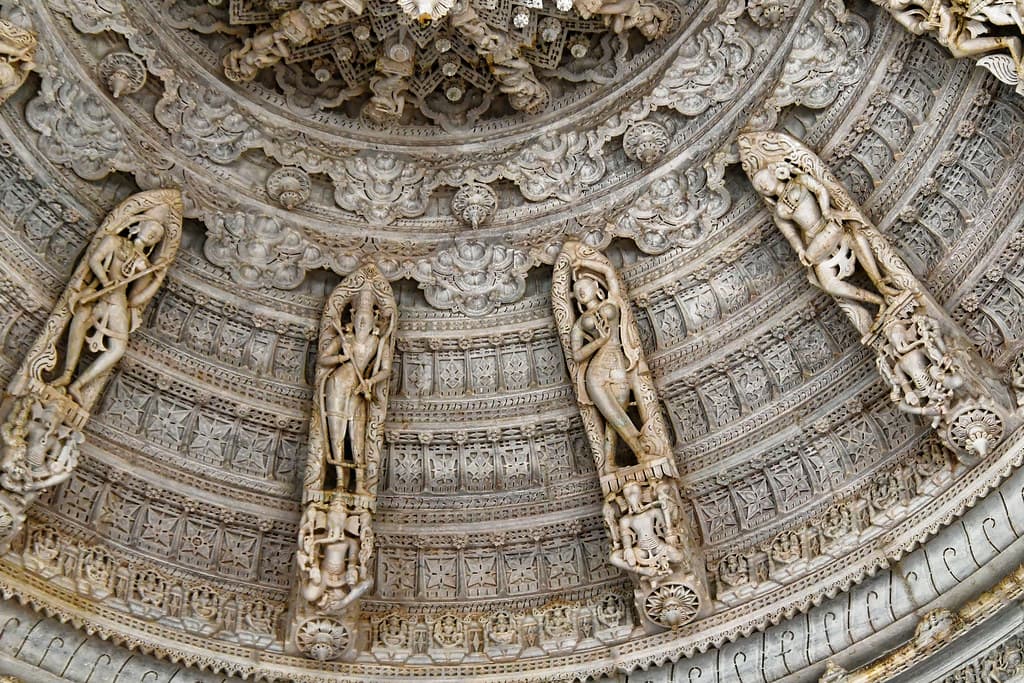
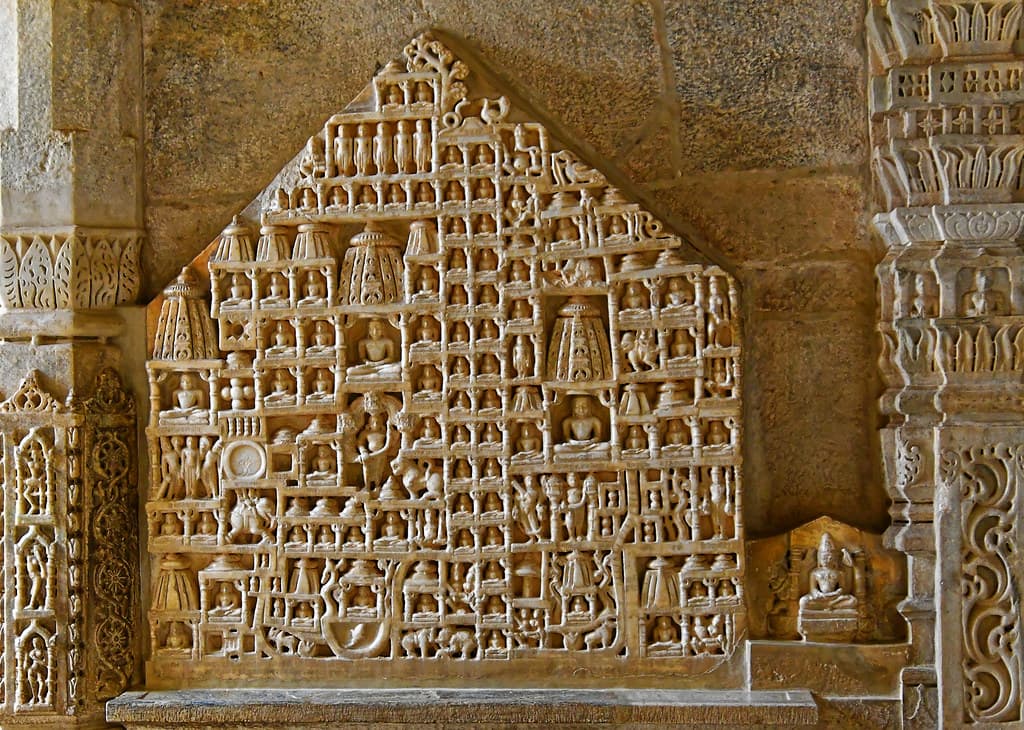
Adinath Temple, located in the Khajuraho temple complex in Madhya Pradesh, is a significant Jain temple dedicated to Lord Adinath, the first Tirthankara of Jainism. Constructed in the 10th century during the Chandela dynasty, this temple is part of the eastern group of Khajuraho temples and is renowned for its detailed architectural features and intricate carvings. The temple follows the Nagara architectural style, with a sanctum, a vestibule, and an entrance porch. The outer walls are adorned with elaborate sculptures depicting various Jain deities, celestial beings, and intricate patterns. The sanctum houses a central idol of Lord Adinath, flanked by images of other Tirthankaras. Adinath Temple stands out for its artistic representation and religious significance within the Jain community. It is part of the UNESCO World Heritage site of Khajuraho, reflecting the rich cultural and spiritual heritage of the region. The temple's detailed carvings and historical importance make it a key attraction for visitors interested in Jain architecture and ancient Indian art.
Key Features
Historical Significance: Built in the 10th century by the Chandela dynasty.
Jain Dedication: Dedicated to Lord Adinath, the first Tirthankara.
Nagara-Style Architecture: Features typical Nagara design elements.
Intricate Carvings: Adorned with detailed sculptures of Jain deities and celestial beings.
UNESCO World Heritage Site: Part of the Khajuraho temple complex.
Tips for Travelers!
Wear Comfortable Footwear: Essential for exploring the temple grounds.
Carry Water: Stay hydrated while visiting.
Respect Local Customs: Dress modestly and follow temple guidelines.
Hire a Guide: Gain insights into the temple’s history and artistic features.
Photography: Capture the intricate details but check for any restrictions.
Adinath Temple in Khajuraho is a notable example of Jain architecture and artistic excellence from the Chandela dynasty. Its detailed carvings and dedication to Lord Adinath highlight its religious and cultural significance. As part of the UNESCO World Heritage site, the temple attracts visitors interested in ancient Indian art and Jain heritage. By respecting local customs and taking the time to appreciate the intricate carvings, travelers can gain a deeper understanding of the temple's historical and spiritual importance, making their visit both informative and enriching.