
Javari Temple
Overview
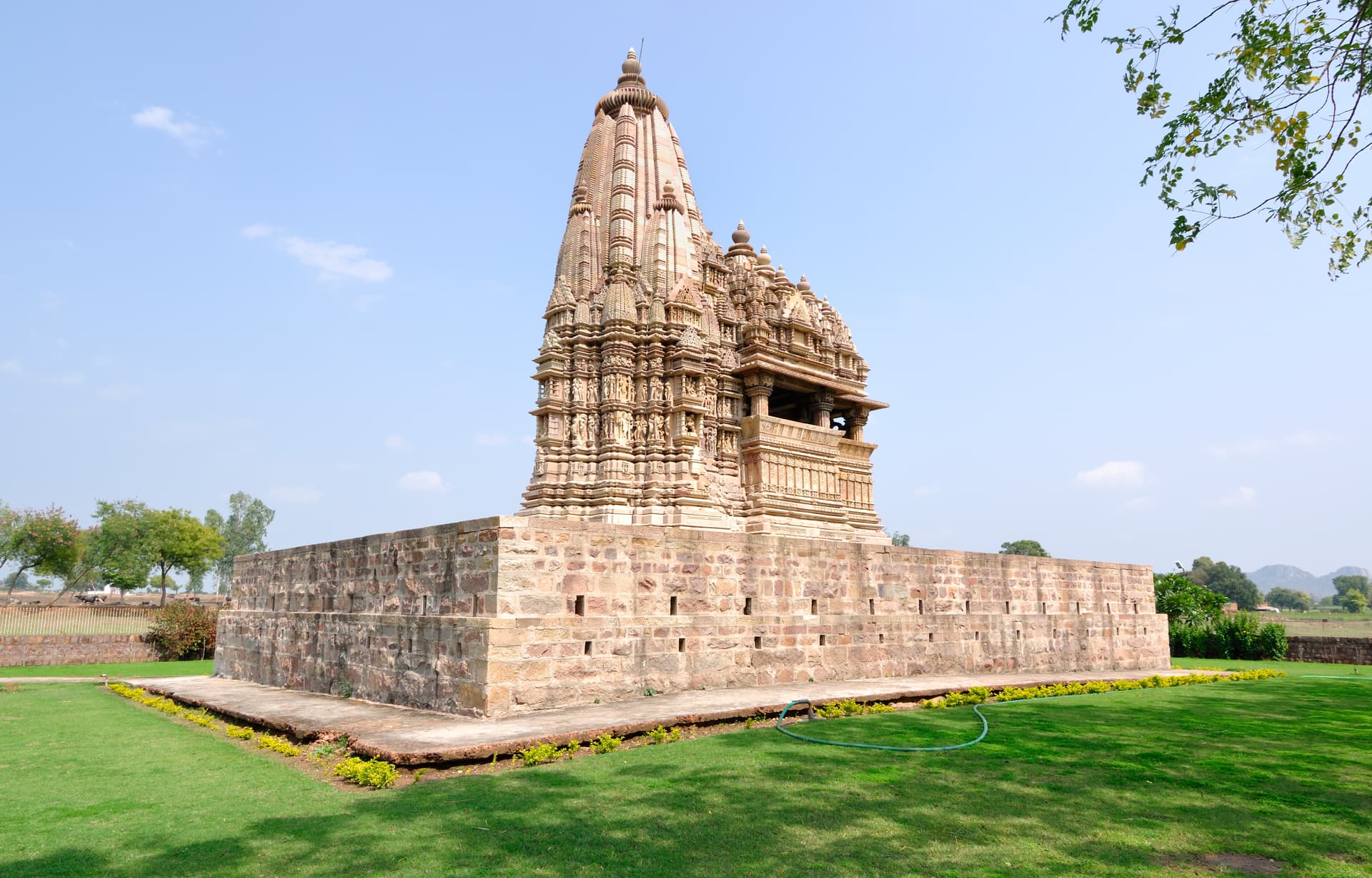
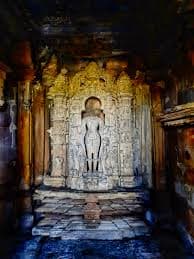
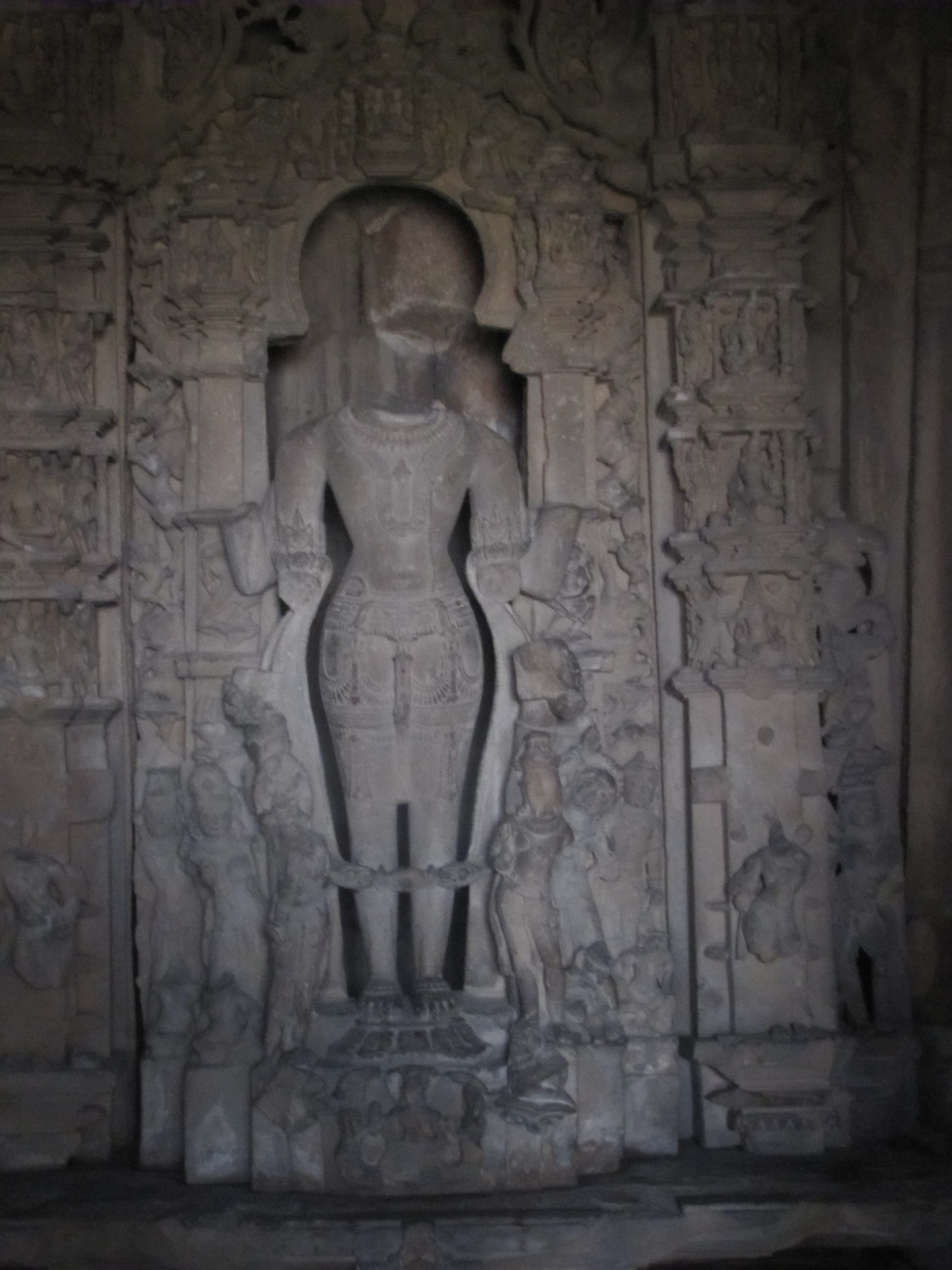
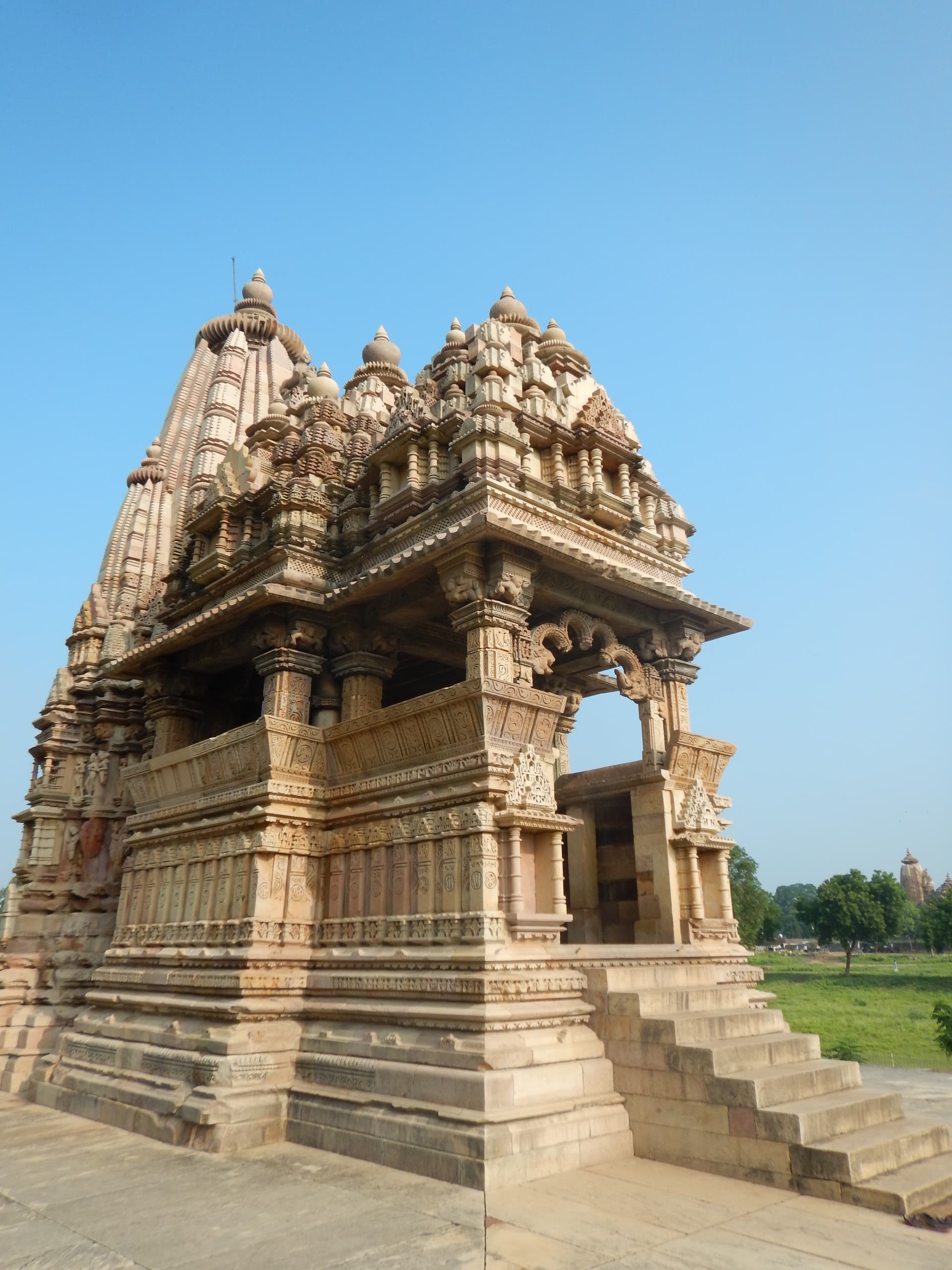
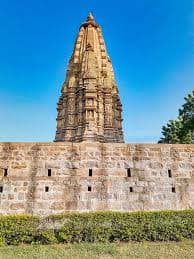
Javari Temple, located in the Khajuraho complex in Madhya Pradesh, is a small yet significant Hindu temple dedicated to Lord Vishnu. Constructed between the 10th and 11th centuries by the Chandela dynasty, the temple is an excellent example of the Nagara-style architecture that characterizes the Khajuraho group of monuments. Though smaller in scale compared to other temples in Khajuraho, Javari Temple is noted for its well-proportioned design and intricate carvings. The temple features a sanctum, a vestibule, a mandapa (hall), and a porch. The entrance porch is adorned with exquisite sculptures and ornamental details, including intricate figures of deities, apsaras (celestial maidens), and other mythological characters. The sanctum houses an idol of Vishnu, though the original deity's head is missing. The temple's outer walls are richly decorated with carvings, showcasing the artistic excellence of the period. Javari Temple, part of the UNESCO World Heritage site, offers a unique glimpse into the religious and architectural heritage of medieval India.
Key Features
- Historical Significance: Built between the 10th and 11th centuries by the Chandela dynasty.
- Nagara-Style Architecture: Features classic elements of Nagara design.
- Vishnu Dedication: The temple is dedicated to Lord Vishnu.
- Intricate Carvings: Adorned with detailed sculptures of deities, apsaras, and mythological characters.
- UNESCO World Heritage Site: Part of the Khajuraho temple complex.
Tips for Travelers!
- Wear Comfortable Footwear: Essential for walking around the temple complex.
- Carry Water: Important for staying hydrated while exploring.
- Respect Local Customs: Dress modestly and follow guidelines for temple visits.
- Hire a Guide: To gain detailed insights into the temple's history and architectural features.
- Photography: Capture the intricate details, but be mindful of any restrictions.
Javari Temple, though smaller than some of its counterparts in the Khajuraho complex, offers an insightful glimpse into the architectural and artistic achievements of the Chandela dynasty. Its intricate carvings and elegant design make it a noteworthy destination for visitors interested in India's rich cultural heritage. By respecting local customs and taking the time to explore the temple's detailed sculptures and architectural features, travelers can deeply appreciate the historical significance and artistic excellence embodied in Javari Temple.