
Karla & Bhaja Caves
Overview
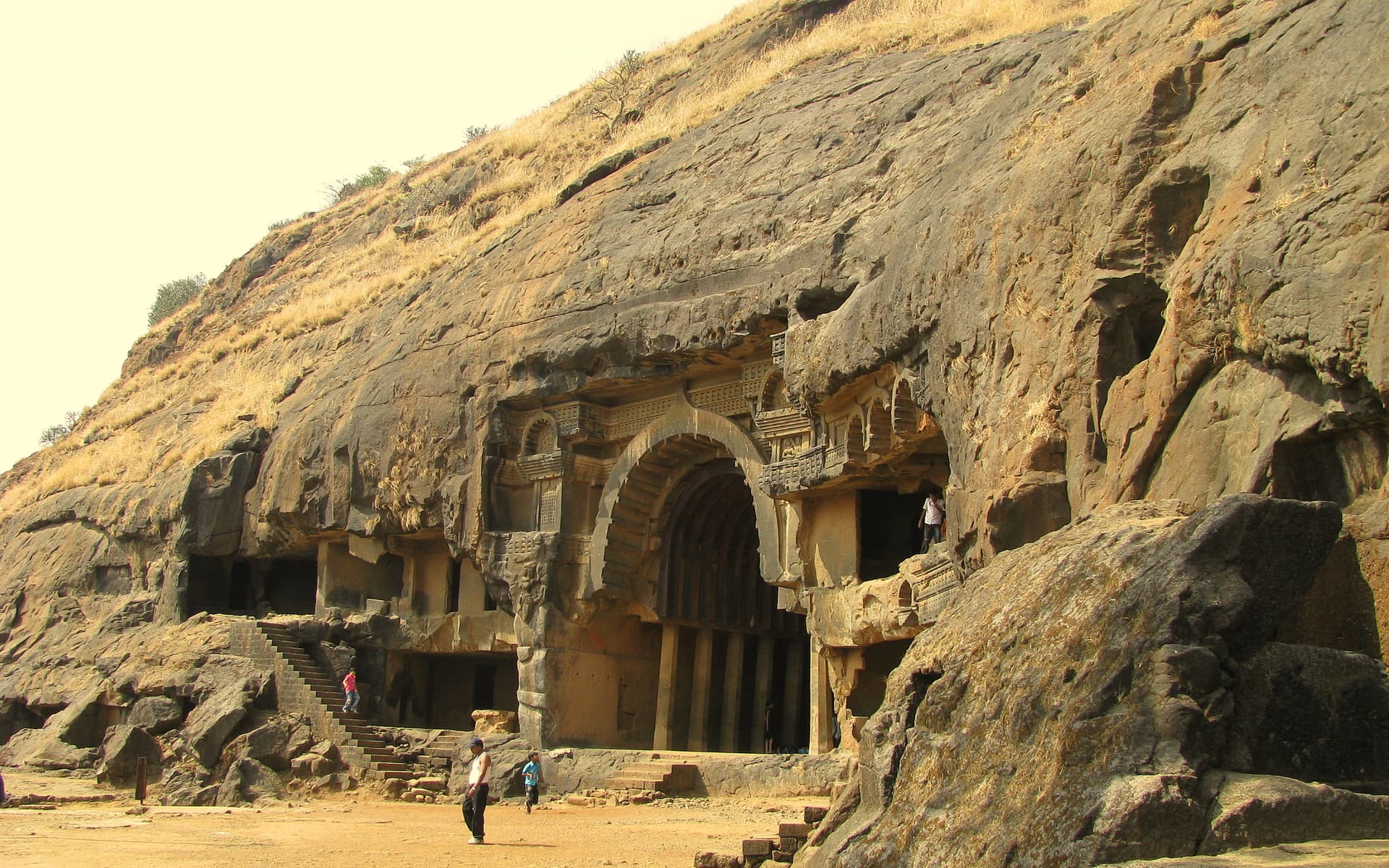
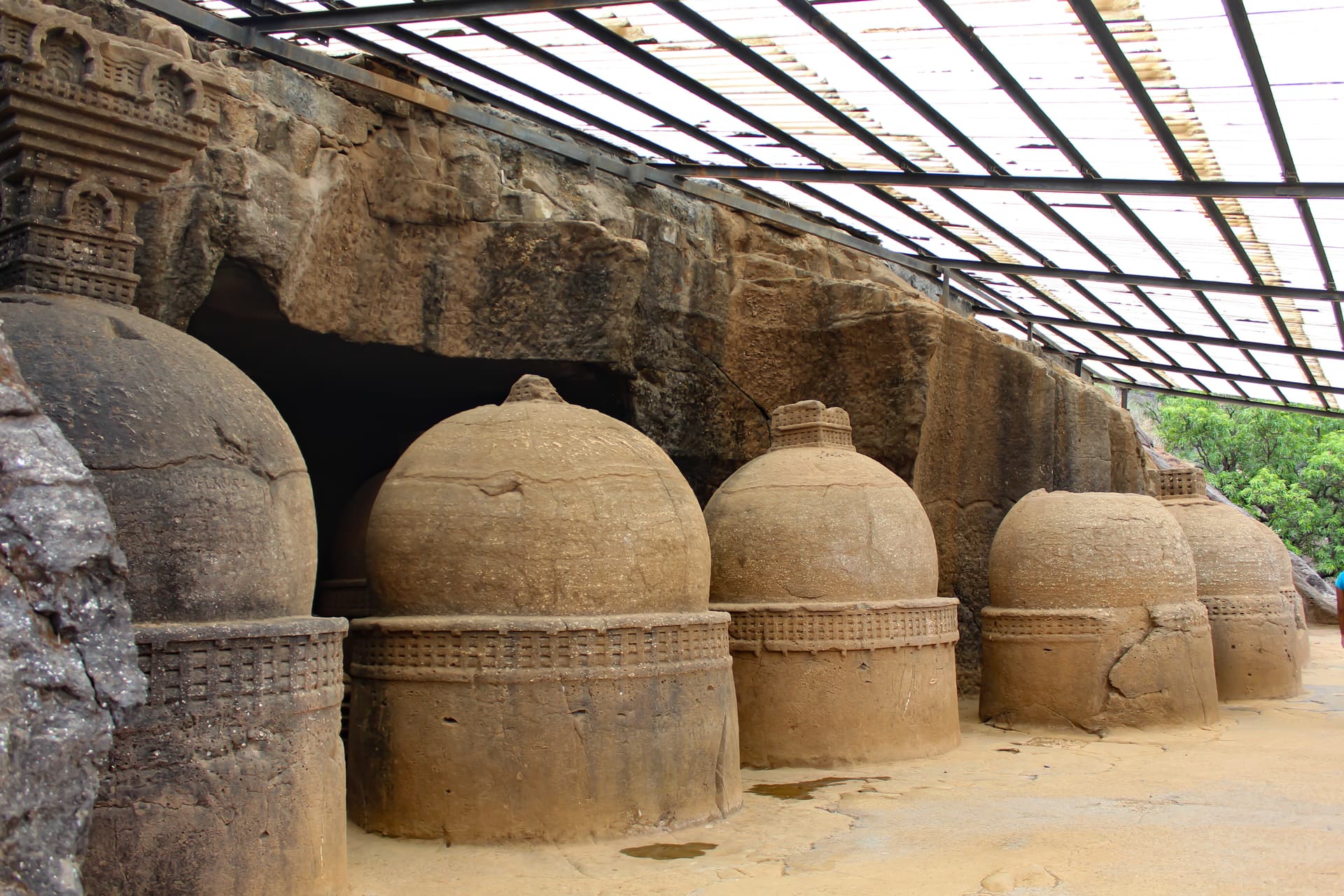
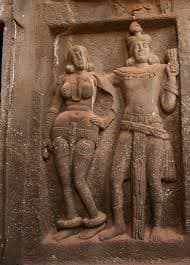
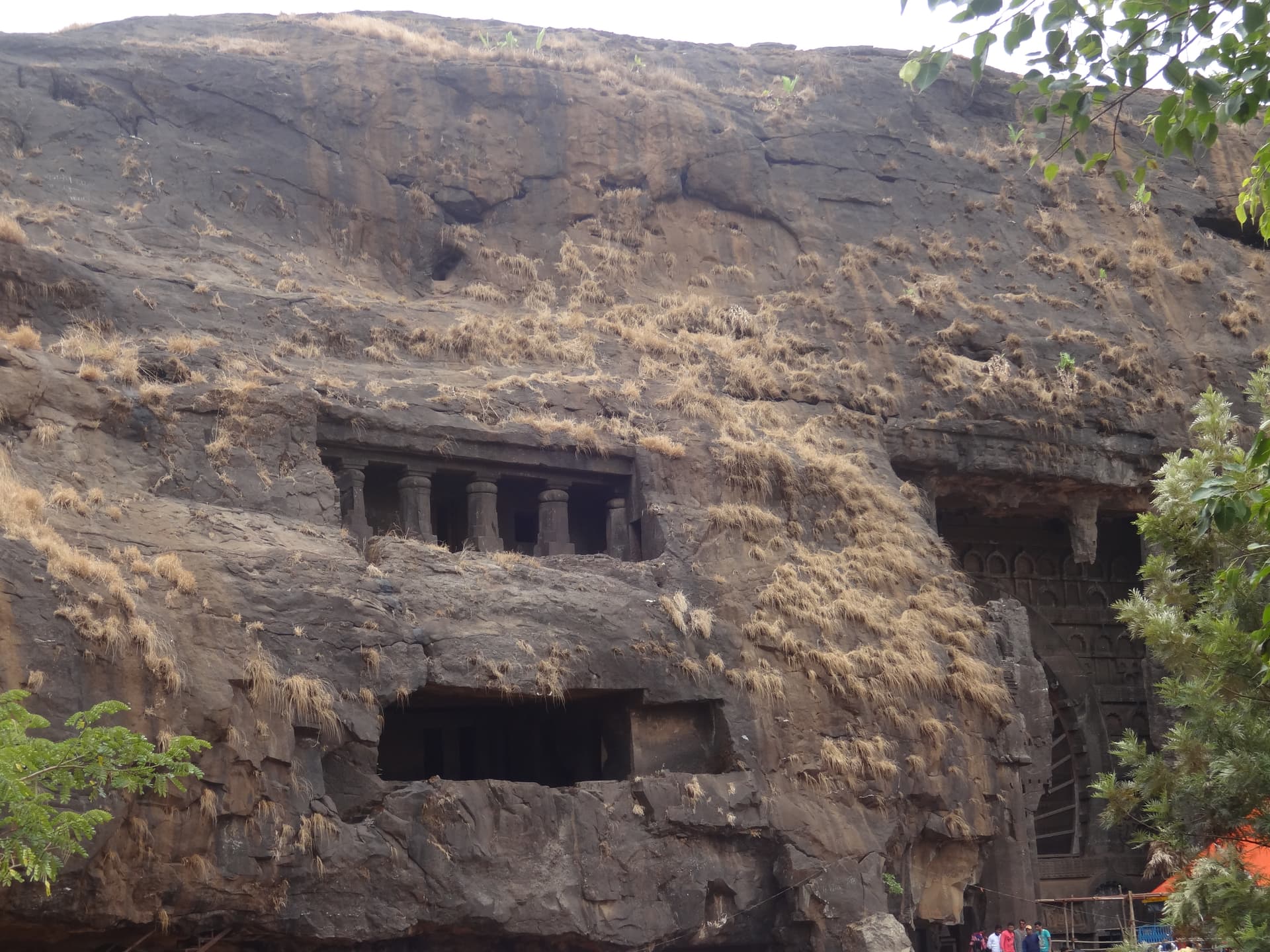
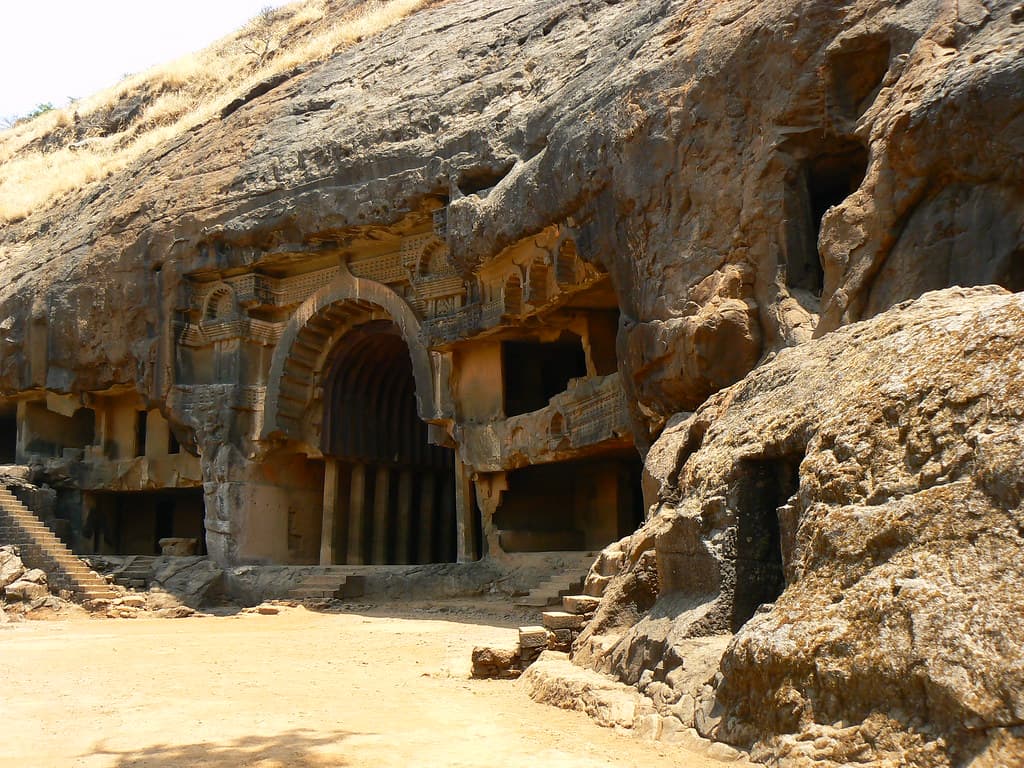
Karla and Bhaja Caves, located near Lonavala in Maharashtra, are ancient Buddhist rock-cut caves dating back to the 2nd century BCE to the 5th century CE. These caves are significant examples of early Buddhist architecture in India. The Karla Caves are renowned for their grand chaitya hall, which is one of the largest rock-cut prayer halls in India, featuring intricate carvings and a large stupa. The Bhaja Caves, situated a few kilometers away, are smaller but equally impressive, with a series of 22 rock-cut caves containing viharas (monasteries) and chaityas (prayer halls). Both cave complexes are adorned with sculptures depicting scenes from daily life, animals, and mythological figures. The caves provide a glimpse into the life and artistry of ancient Buddhist monks and artisans. These historical sites attract tourists, history enthusiasts, and scholars who seek to explore the rich cultural heritage and architectural marvels of ancient India.
Key Features
Ancient Origins: Dating back to the 2nd century BCE to the 5th century CE.
Buddhist Architecture: Showcases early Buddhist rock-cut architecture.
Grand Chaitya Hall: Karla Caves feature one of India's largest prayer halls.
Intricate Carvings: Detailed sculptures and carvings in both cave complexes.
Cultural Heritage: Offers insights into ancient Buddhist monastic life.
Tips for Travelers!
- Wear Comfortable Shoes: Expect a bit of climbing and walking.
- Visit Early: Mornings are less crowded and cooler.
- Hire a Guide: To better understand the historical and cultural significance.
- Carry Water and Snacks: Limited facilities available on-site.
- Respect the Site: Maintain cleanliness and avoid touching carvings.
Karla and Bhaja Caves offer a fascinating journey into India's ancient Buddhist history. These rock-cut caves, with their impressive architecture and intricate carvings, are a testament to the skill and devotion of early Buddhist communities. Accessible from Lonavala, they make for an enriching day trip, providing valuable insights into the cultural and architectural heritage of the region. With proper preparation and respect for the site, visitors can have a memorable and educational experience exploring these historical wonders.