
Culture
Cultural Spots in Kochi that are a Must Visit in 2024
5 minutes
16th July 2024
 by Malayanur Rohit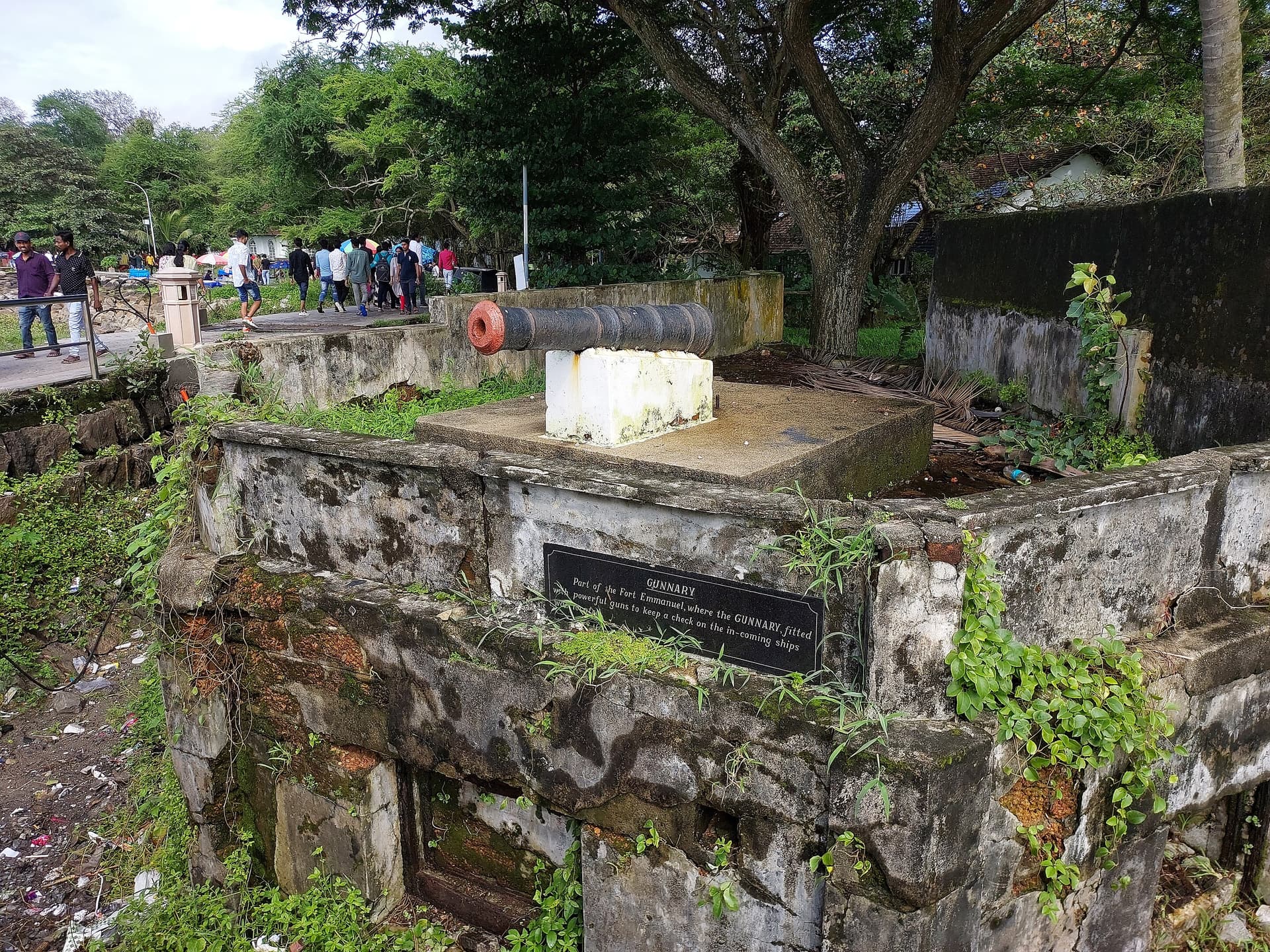
The Cultural Kochi Chronicles
Exploring Kochi is like stepping into a tapestry woven with centuries of cultural richness and diversity. Nestled along Kerala's southern coast, this dynamic city has long been a cultural melting pot, moulded by influences from all over the world, including historic maritime trade routes, colonial legacies, and current creative movements. In 2024, Kochi will continue to entice visitors with its unique blend of cultural attractions that provide an insight into its legendary past and vibrant present.
Kochi's cultural attractions are as broad as they are compelling, from ancient buildings like Fort Kochi, which has Portuguese, Dutch, and British influences in its architecture, to Mattancherry's lively street art scene and the calm tranquilly of the Paradesi Synagogue. Art venues such as the Kerala Folklore Museum and the bustling Kochi-Muziris Biennale, which celebrates contemporary art, contribute to the city's cultural scene.
Join me as we travel around Kochi's must-see cultural attractions in 2024, each providing a unique glimpse into the city's legacy and current artistic expression. Whether you're a history buff, an art lover, or simply inquisitive about Kerala's cultural tapestry, Kochi guarantees an engaging experience that will linger long after you've gone home.
Fort Emmanuel
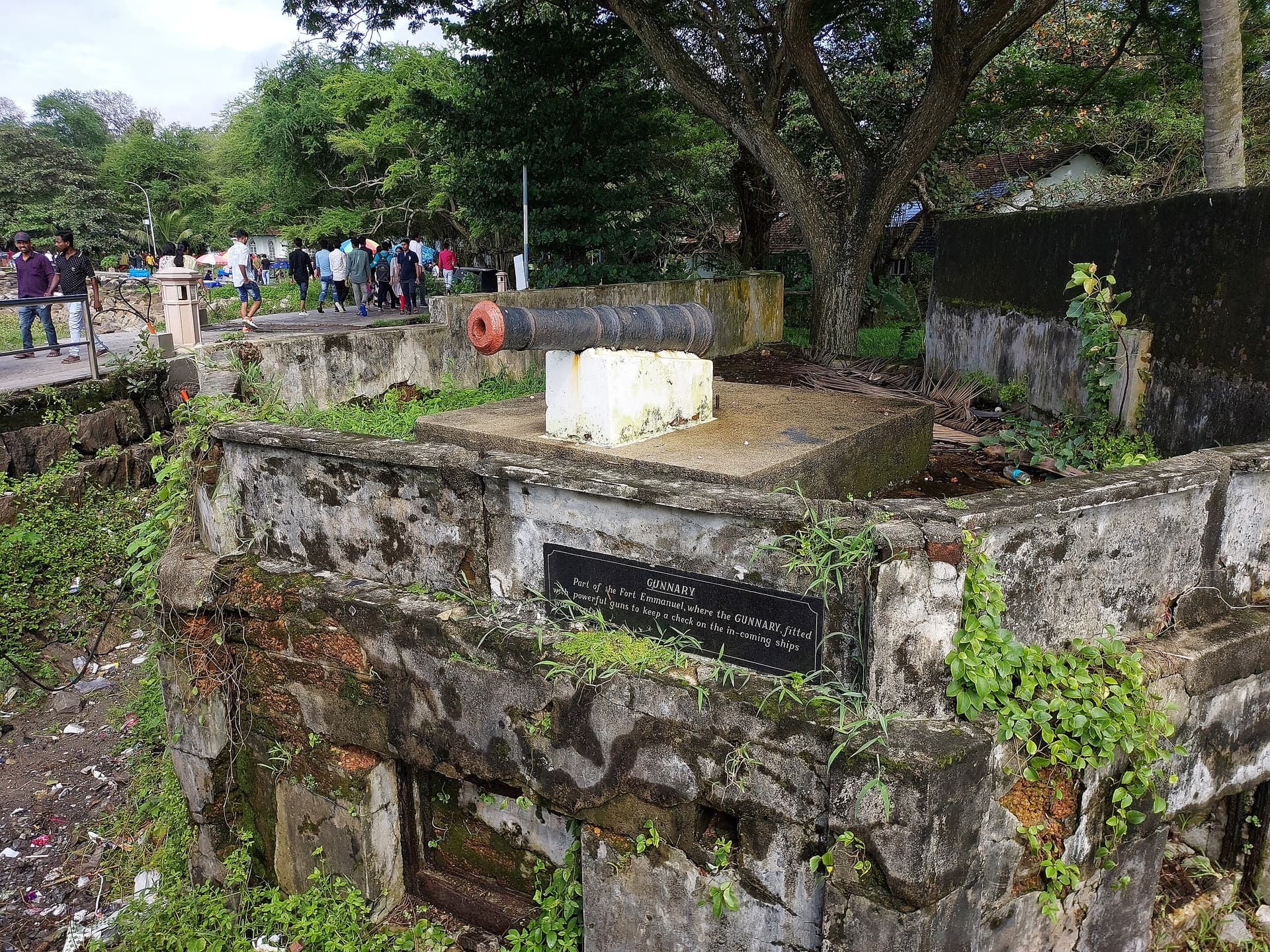
Fort Emmanuel - Courtesy of Photographer
Located in Fort Kochi, Kerala, India, Fort Emmanuel, also called Fort Immanuel, is a mediaeval fort. One of the earliest European forts in India, it was constructed in 1503 by the Portuguese under Afonso de Albuquerque's leadership, signalling the start of Portuguese colonial dominance in the area. The fort, which bears the name Manuel I of Portugal, was a tactical fortification built to safeguard Portuguese interests in the spice trade.
Fort Emmanuel changed hands several times over the ages, first coming under the Dutch and then the British rule, each leaving their own unique cultural and architectural marks. Even though the fort's walls and bastions are now all that are left, visitors and history buffs alike are drawn to these remains.
In addition to seeing the neighbouring ancient buildings and taking in the peaceful environment of Fort Kochi, visitors may stroll along the picturesque beach promenade. The remnants of the fort provide evidence of Kochi's illustrious colonial past and shed light on the city's importance as a principal commerce hub in the past.
Paradesi Synagogue
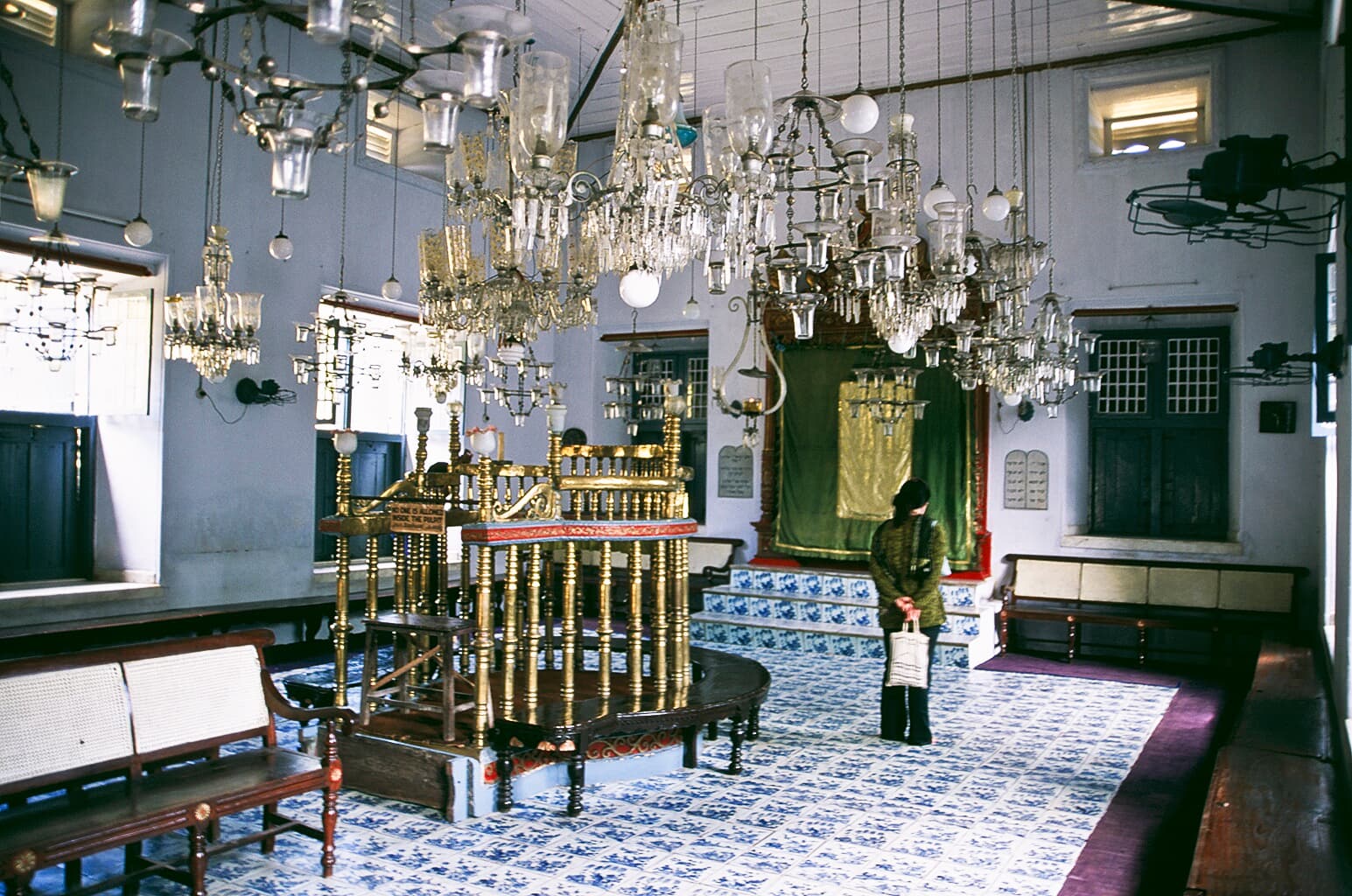
Paradesi Synagogue - Courtesy of Photographer
One of the oldest continuously operating synagogues in the Commonwealth of Nations is the Paradesi Synagogue, which is situated in the Jew Town neighbourhood of Mattancherry in Kochi, Kerala. Constructed in 1568 by the Malabar Yehudan community, it serves as evidence of the enduring Jewish influence in the area. In several Indian languages, the word "Paradesi" (meaning "foreigners") refers to the Sephardic Jews who founded the synagogue after escaping persecution in Spain and Portugal.
The synagogue is well known for its superb interior design, which includes elaborate hand-painted Cantonese tiles, a magnificent gold pulpit, and chandeliers made of Belgian crystal. Its rich legacy is further enhanced by the ancient Torah scrolls and the antique copper plates bearing donations from the local lords.
The Paradesi Synagogue is a popular tourist destination because of its historical significance in addition to its stunning architecture. It is a historic monument that provides insight into Kochi's history of peaceful coexistence and a rich religious tapestry.
Dutch Cemetery
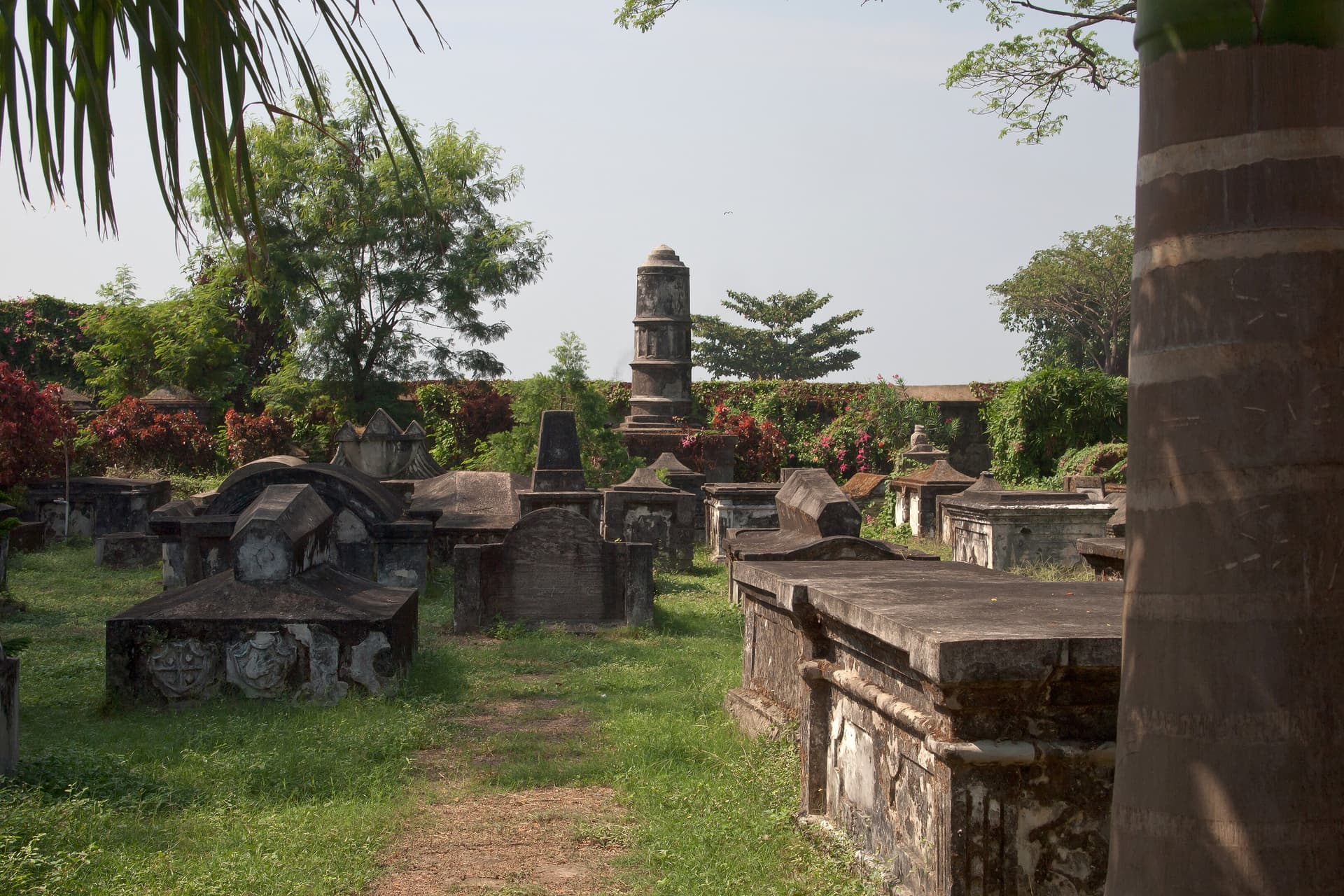
Dutch Cemetery - Courtesy of Photographer
Situated in Fort Kochi, Kerala, the Dutch Cemetery is a noteworthy historical site that showcases the rich legacy of the colonial era. Several Dutch and British citizens who were influential in the colonial history of the area are buried at this cemetery, which was founded in 1724 and is the oldest European cemetery in India.
The cemetery has 104 graves that display the fusion of Dutch and British influences, each with a unique inscription and architectural style. With worn gravestones and tombs surrounded by beautiful flora, the site is distinguished by its tranquil and solemn ambiance that evokes a feeling of reverence and history.
The Dutch Cemetery, which is run by the Church of South India, is a sombre window into the lives of the European settlers in the area and a mute testament to Kochi's colonial past. For history buffs and those interested in learning more about Kochi's eclectic past, it is a must-visit.
SNC Maritime Museum
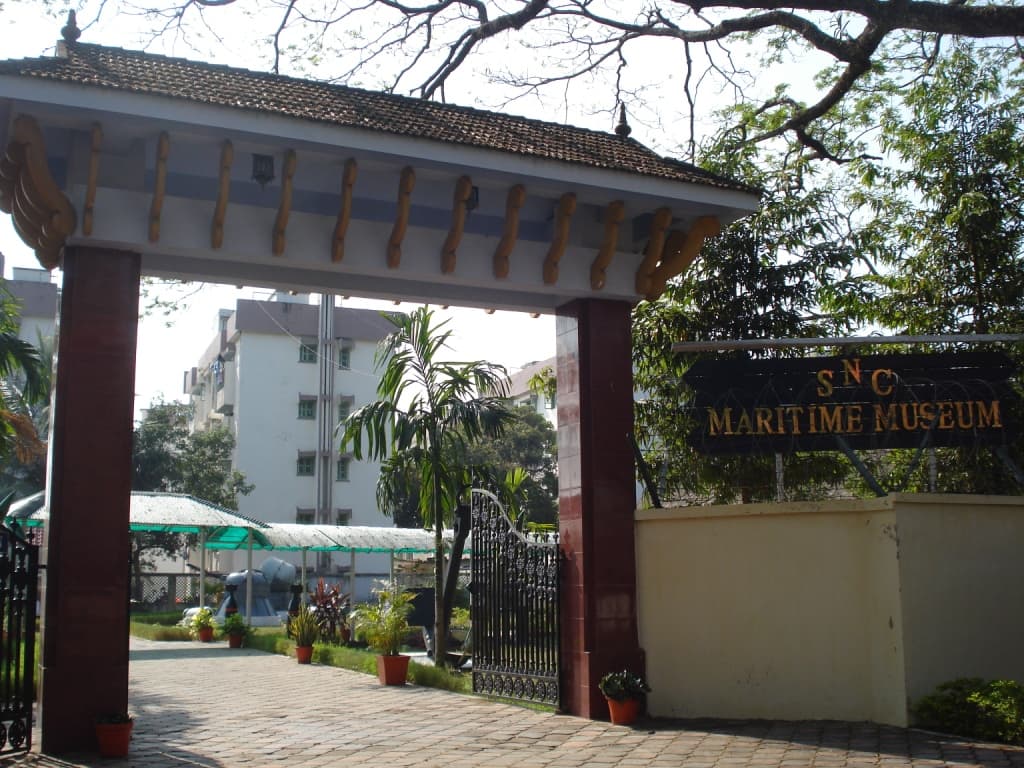
SNC Maritime Museum - Courtesy of Photographer
Situated in Kochi, Kerala, the SNC Naval Museum is an intriguing venue that highlights the extensive nautical legacy of the Indian Navy. Located on the grounds of the venerable INS Dronacharya, the museum provides a thorough examination of India's maritime customs and naval heritage.
Explore a variety of exhibits at the SNC Maritime Museum, including model ships, weaponry, uniforms, and naval artefacts that illustrate the growth of the Indian Navy from antiquity to the present. Additionally, the museum has educational exhibits on shipbuilding methods, naval operations, and the Indian Navy's crucial involvement in several war conflicts.
All ages will find the educational experience captivating thanks to interactive exhibits and video presentations. History fans and military enthusiasts should not miss the SNC nautical museum, which honours the valiant men and women who have served in the Navy in addition to celebrating India's nautical legacy.
Palliport Fort
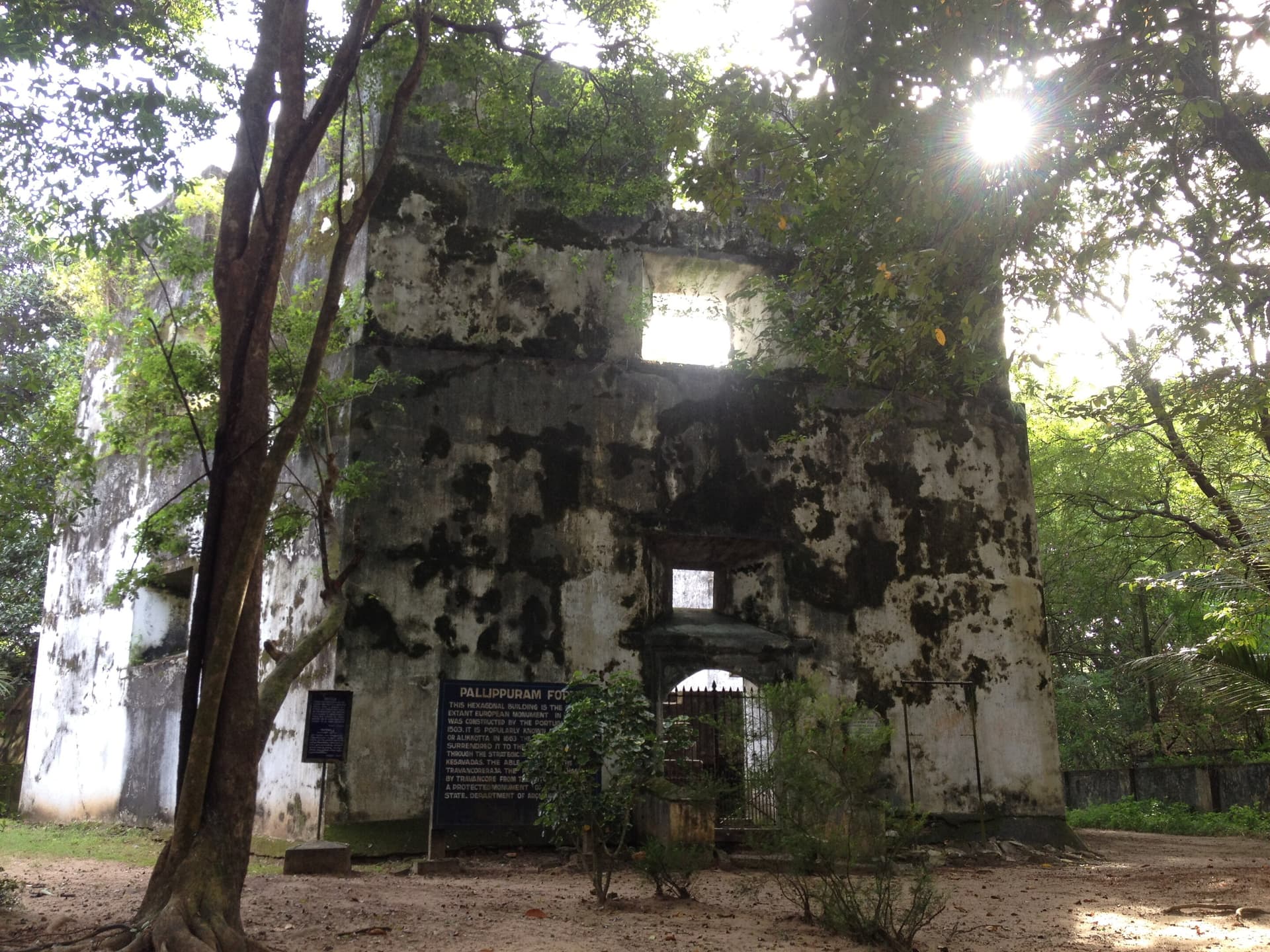
Palliport Fort - Courtesy of Photographer
Located on Vypin Island, close to Kochi, Kerala, Palliport Fort, also called Pallipuram Fort, is a historically significant building. Constructed by the Portuguese in 1503, this European fort is among the oldest that still stands in India. Designed as a hexagon, this structure protected Portuguese economic interests in the area by acting as a key military station.
The fort's construction features, such as its strong laterite walls, subterranean stores, and watchtowers that formerly provided commanding views over the surroundings, make it a superb example of Portuguese military architecture. The fort is exceptionally well preserved considering its antiquity, providing tourists with a window into colonial history.
Palliport Fort has a rich history, having been ruled by the Dutch, the Travancore Kingdom, and finally the British. It now serves as a reminder of the various colonial influences that have moulded Kerala's past. For those who love history and want to learn more about Kochi's rich architectural and cultural legacy, the fort is a tranquil location.

Leave the planning to a local expert
Mattancherry Palace
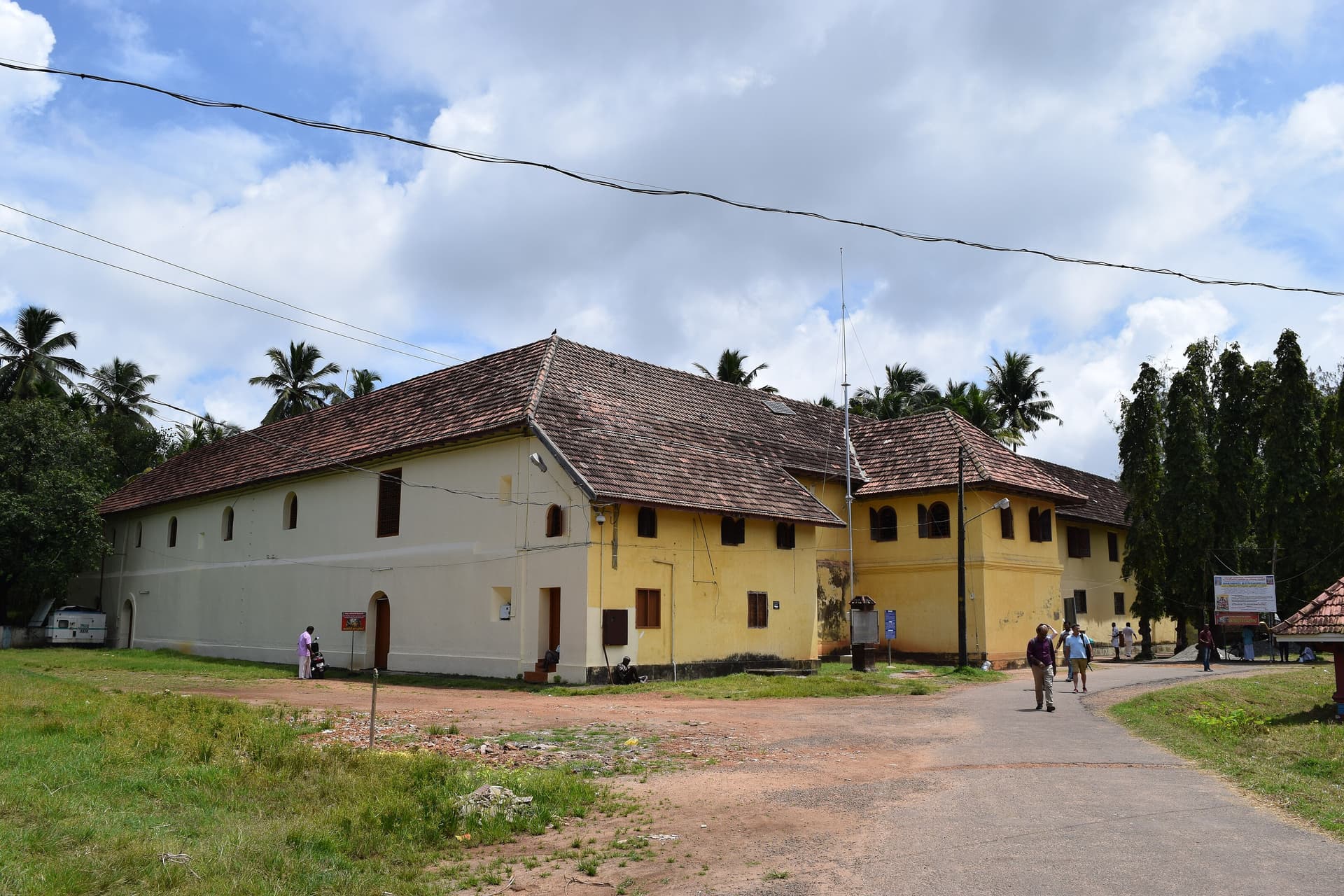
Mattancherry Palace - Courtesy of Photographer
In Kochi, Kerala, Mattancherry Palace, popularly referred to as the Dutch Palace, is a noteworthy historical and architectural site. Constructed by the Portuguese in 1555 as a present for the Kochi Raja, the Dutch subsequently refurbished it, thus the term "Dutch Palace." This striking two-story building, which combines native and colonial architectural components, is a prime example of Kerala's traditional architectural style.
The palace is also known for its magnificent paintings, which include several Hindu gods and goddesses as well as events from Hindu epics including the Ramayana and Mahabharata. These colourful murals are among the outstanding representations of traditional Keralan art.
The palace is home to a magnificent collection of artefacts, including swords, palanquins, royal regalia, and antique furniture, in addition to the murals. The god of the royal family, Pazhayannur Bhagavathy, is honoured at a modest temple located in the palace courtyard.
A must-visit for history aficionados and art enthusiasts, Mattancherry Palace provides a unique peek into Kerala's royal past and cultural legacy.
Jew Town
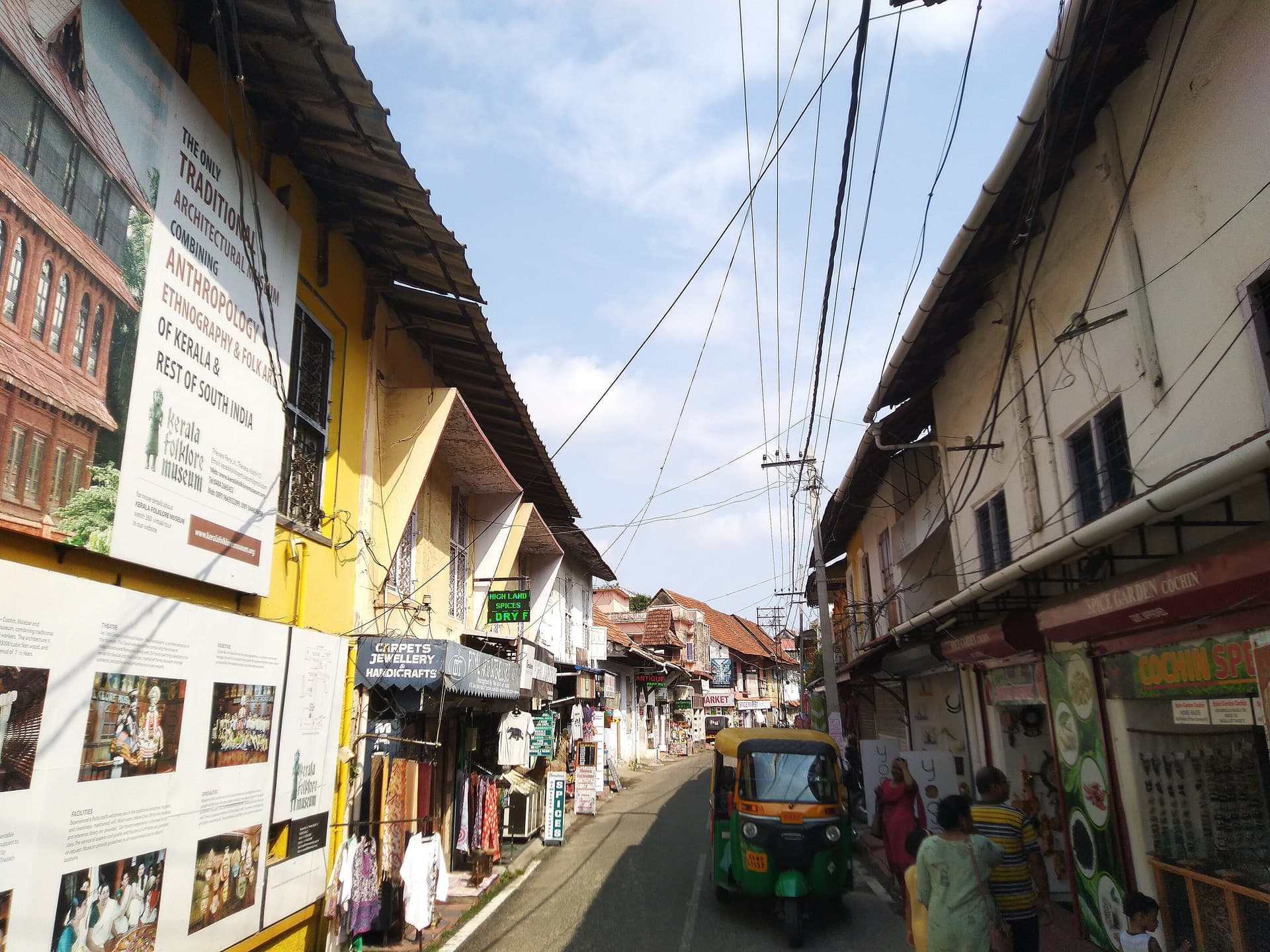
Jew Town - Courtesy of Photographer
A neighbourhood rich in history and culture, Jew Town in Kochi, Kerala, highlights the colourful past of the Jewish community in India. This neighbourhood, which is famous for its winding lanes filled with antique stores, spice markets, and quaint cafés that create a distinctive and nostalgic ambiance, is situated between Mattancherry Palace and the Paradesi Synagogue.
The Paradesi Synagogue, one of the oldest continuously operating synagogues in the Commonwealth, is located in Jew Town and was founded by the Sephardic Jews who immigrated to Kochi in the sixteenth century. The elaborate interiors of the synagogue, which feature hand-painted Chinese tiles and Belgian chandeliers, bear witness to the area's lengthy history.
Discover the diverse range of stores in Jew Town that provide artisan jewellery, spices, antiques, and traditional clothing—all of which provide insight into the diverse influences that have defined Kochi. For those interested in Kerala's rich cultural diversity, Jew Town is a must-visit location because of its historical significance and bustling marketplace.
Conclusion
These places hold a significant place in the heart of the city, shaping it to what we know it today. Kochi, a city that was once a fishing town, got its influence from Portuguese, Dutch and British settlers, becoming a cultural hub for the state. Kochi has a history that needs to be explored. So the next time you visit Kochi, make sure to visit these places and witness their impact on local life and we at Backpackers United are here to help you plan that next trip to Kochi.