Culture
Exploring the two major Tribes of Kodaikanal - The Paliyars & Puliyars
2 min 47 sec
22nd May 2024
 by Shethana P
Introducing the Natives of Kodaikanal - The Paliyars & Puliyars
The blog explores the cultural and spiritual heritage of Kodaikanal's indigenous tribes, the Paliyars and Puliyars. These tribes, deeply connected to nature, worship elements like forests, sky, and rain as divine. The Paliyars, historically significant in Tamil Sangam literature, live in the upper hills, while the Puliyars reside in the lower regions. Their harmonious coexistence with nature and communal rituals underscore their deep-rooted traditions. Kodaikanal's transformation began with British and American missionaries in 1845, turning it into a summer retreat and leading to constructions like Tamara Kodai. Despite disruptions from technological advancements and urban migration, the Paliyars and Puliyars maintain their roles as skilled guides for treks and village tours. The blog raises concerns about the adverse effects of modernization on Kodaikanal's environment and heritage, advocating for balanced development. It stresses the importance of preserving cultural and natural legacies and integrating technology with tradition for future generations.
Introduction
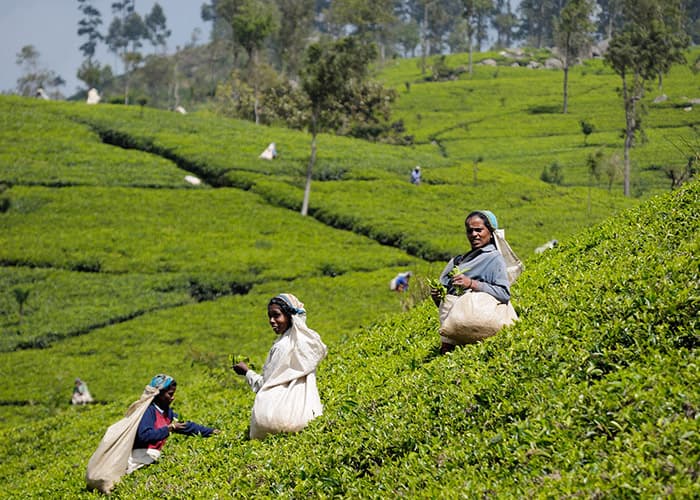
Women in coffee plantation - Courtesy of Photographer
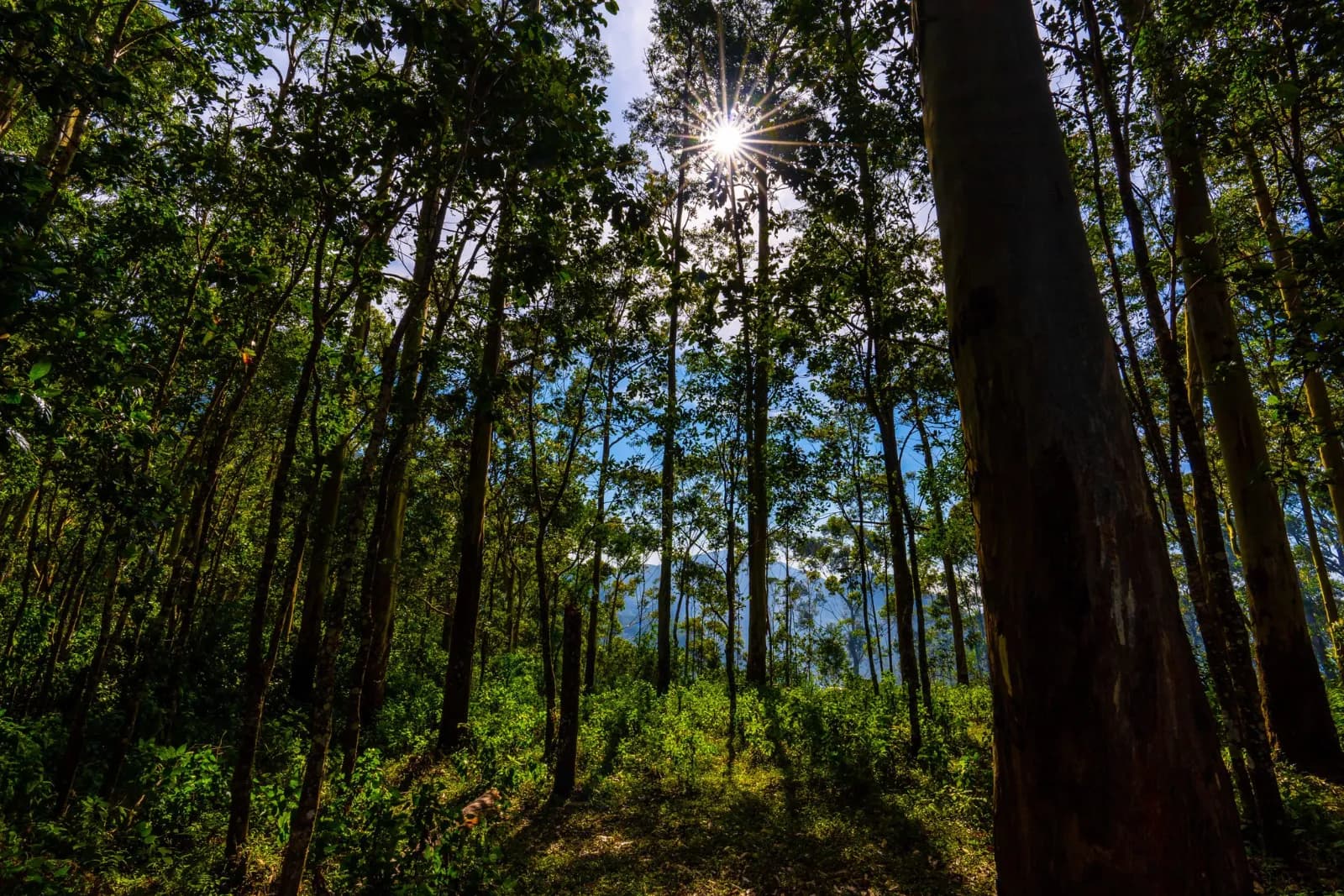
The native people of Kodaikanal are the - Paliyars and Puliyars who live together in the wildness of Kodai forests and hills. The earliest folks among them are the Paliyans who hold a greater history in the Tamil Sagam Literature. These two tribes of Tamil Nadu have been worshipping all the elements of nature i.e., forests, sky, and rainfall. These elements are considered to be gods or property that god guards. People describe the connection between themselves and nature as ‘oneness’ - meaning the tribes don’t own the forest instead they take care and preserve all the life forms residing as a part of their family. The Paliyars occupy the upper region of the hills and the Puliyars in the lower stretch. Both believe they share a common ancestor - the forest and honor the woods during festivals and celebrations.
Understanding their History
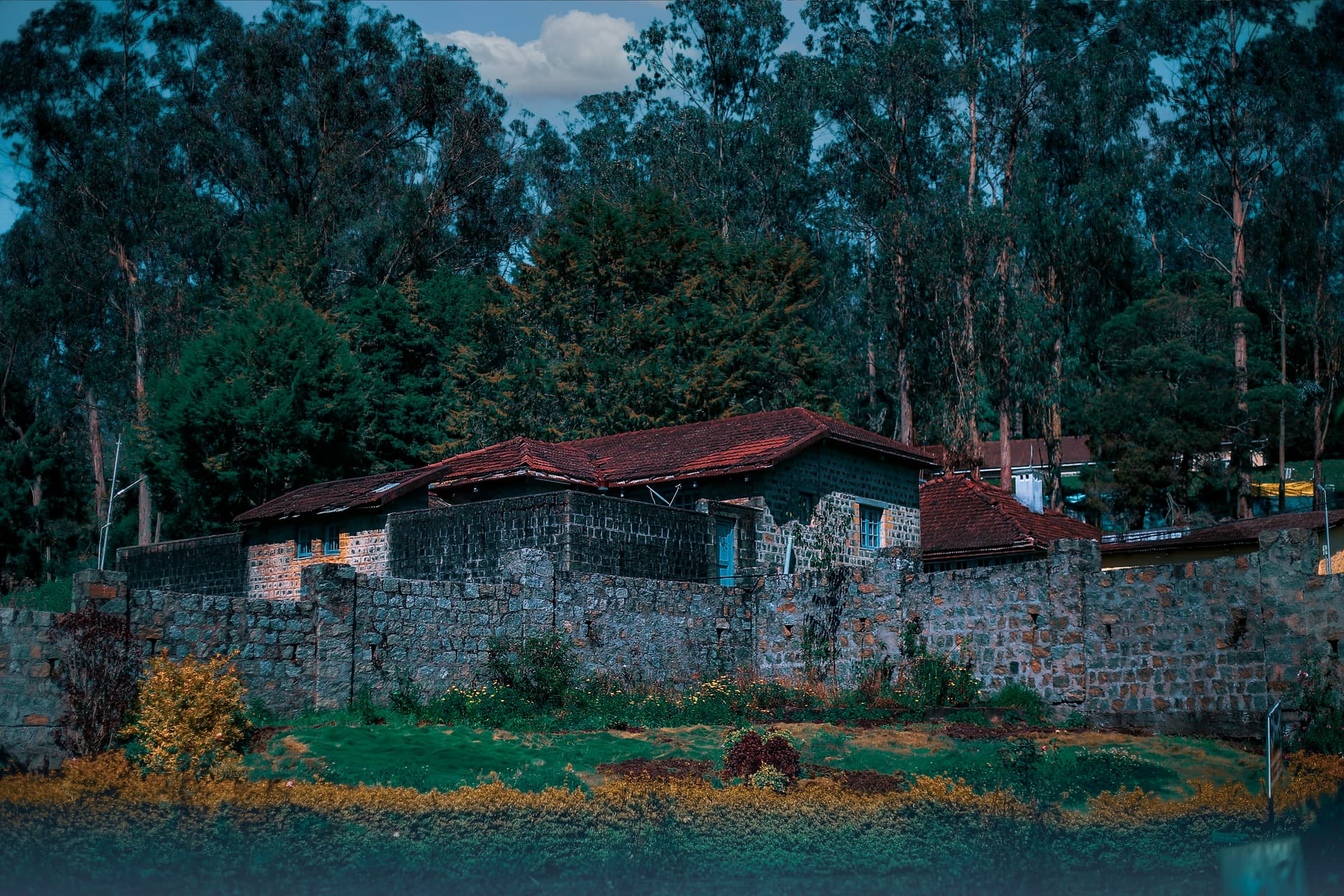
Temple in Kodaikanal - Courtesy of Photographer
These tribes were unknown to people down the hills until the Britishers and US missionaries established the place in 1845. The Englishmen identified this place as the best spot to chill and relax during the blazing summer in Tamil Nadu. This place owns beautiful and luxurious bungalows till date and the most known place is the ‘Tamara Kodai’ also called ‘Baynes Bungalow’ which was built by Mr. Baynes and later renovated by Louis Cyr in 1860 and now the visitors of Kodai own it.
People in Koadi stayed connected despite being described as two tribes during the late 90s and early 2000s. Due to technological evolution and financial urge the native people of Kodai started moving to cities and towns. This migration broke the connectivity between culture, nature, and people. The Paliyars are the best captains who can accompany the visitors for treks and hikes as they master the routes through the hills and rocks and the Puliyars are expertise in guiding people through the streets and villages of Kodaikanal - Poombarai, Mannavanur, etc.
Temples & Gods
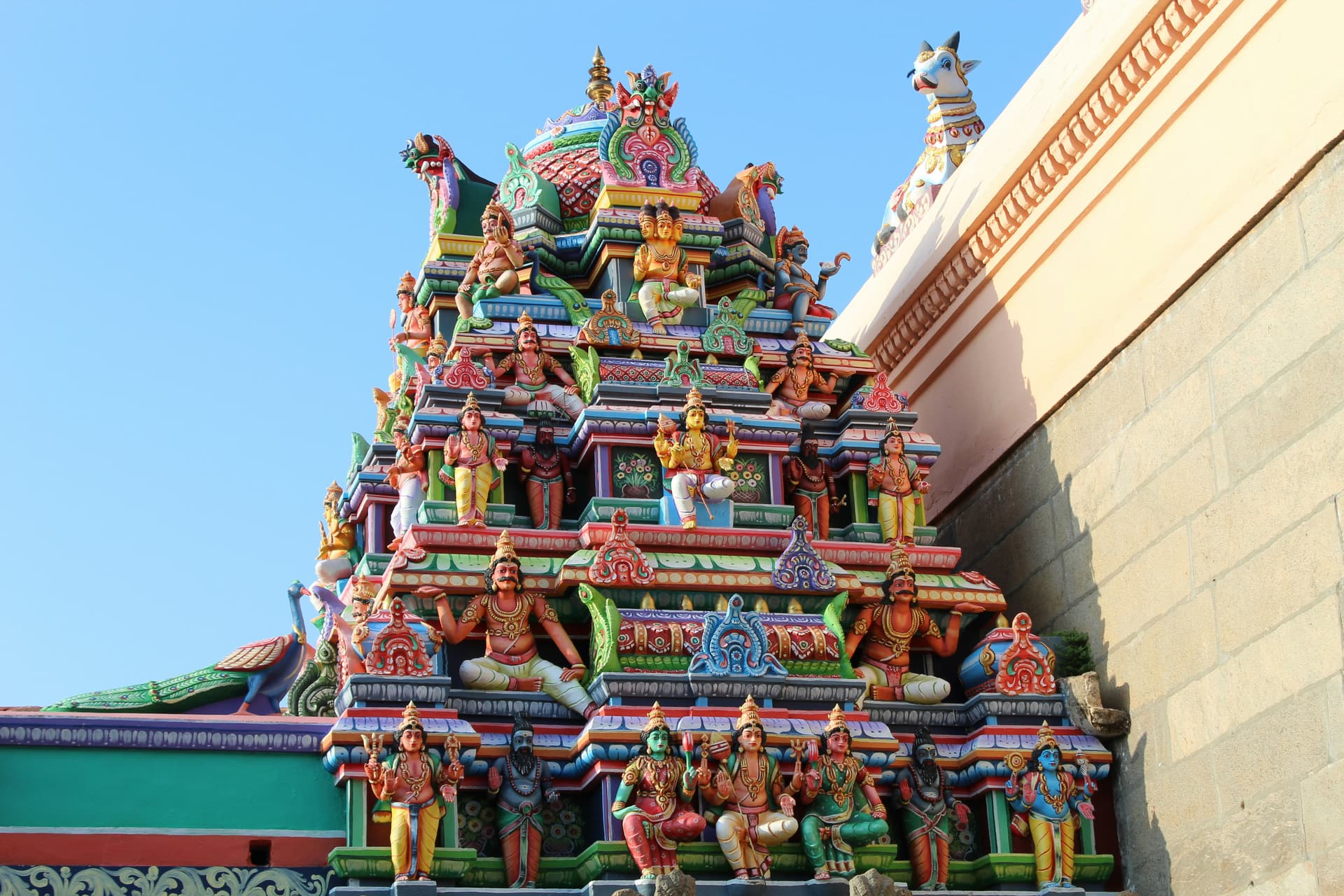
Idol of Lord Ganesh - Courtesy of Photographer
The famous gods worshipped by Paliyars and Puliyars are Lord Muruga, Ayyapan, and Ganapathi while each god holds a mesmerizing history. Kodai is known for its elevated hills while Lord Murga’s favorite spots are hills and mountains, the Kurinji Temple which was built on the foothills is one of the famous temples dedicated to Murga and many people visit this place to seek blessing.
Followed by there is another mysterious temple called Kuzhanthani Velappar temple which is located in the Poombarai Village. This temple is known to have the most disturbing face in Muruga's idol because it is believed that the sculpture was created using the ‘Navapashanam’ meaning nine poisons. This idol attracts the crowd's attention.
Lord Ayyapan is commonly known in Palani since Kodaikanal is a part of the Palani hills people worship Ayya Swamy as well, there are idols of him in Subrahmanya Temple and a few other Murugan temples.
Apart from these lord Ganapathi is worshipped in almost all the temples in Kodai. Here connects the bond between the brothers Murga and Ganapathi, most of the temples in Kodai are built for the elder brother Murga while the Lake Side Temple is specially constructed for the younger brother Ganapathi. Since this temple is near Kodai Lake adults can keep them occupied in devotion while children can actively participate in activities near the lake.
The tribes worship the gods with different musical instruments and songs from the local language embracing the beauty and power of these Gods. This music is not only dedicated to gods but is also composed for the forests and hills. The amazing part about these composers is they have used twelve different instruments to tune twelve music tracks dedicated to twelve hill ranges of Kodai.
Leave the planning to a local expert
Wrapping up with
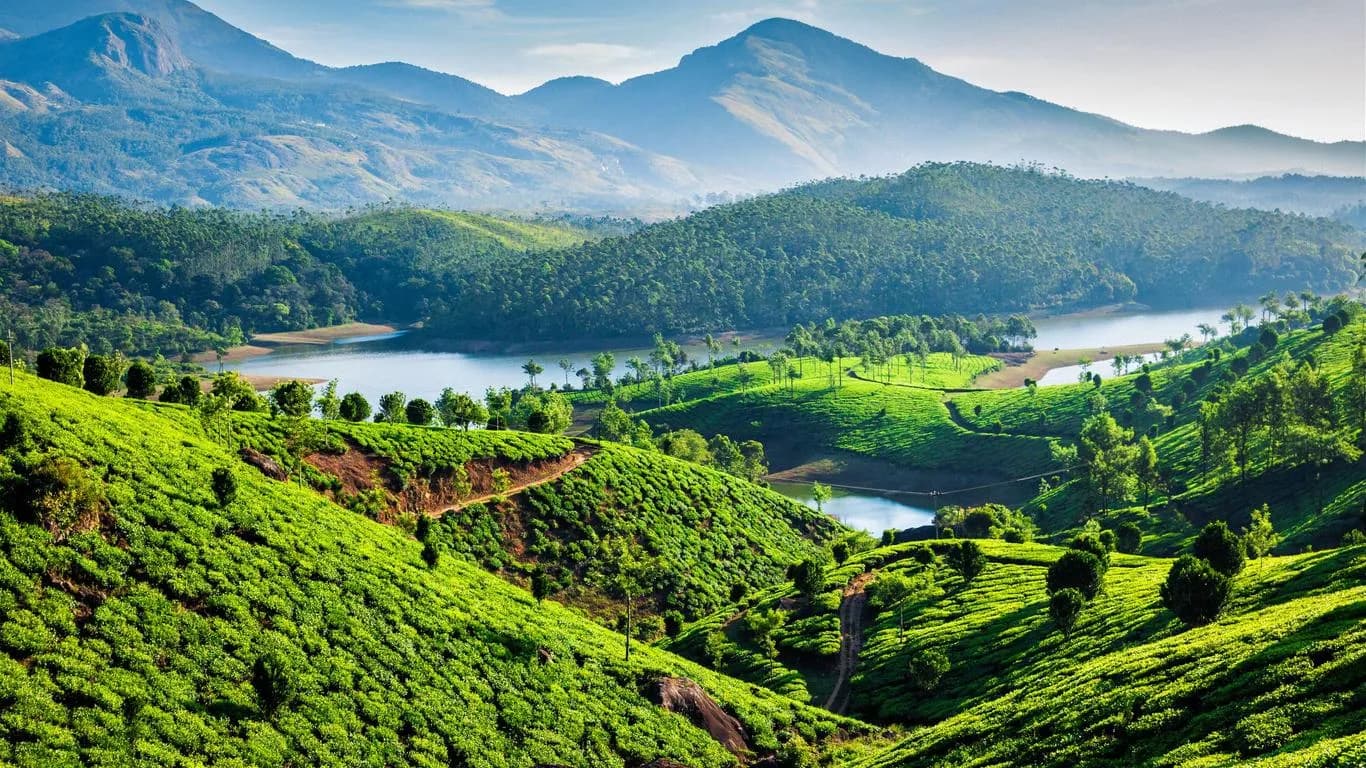
Historically these tribes lived with these cultures, temples, and nature but now people lost interest due to the external pressure of development that hugely impacts the well-being of people in Kodai. Most of the lands are occupied for coffee plant cultivation and the majority of the woods are harvested for commercial purposes.
Ideally, forests are meant for all the life forms on earth but people are exploiting the resources for “development” How is this being a development with no backup plans for plant/animal species that are on the verge of extinction? The history, culture, habitats, languages, and much more information that we google currently are brought to us by people who lived and practiced them. But losing interest in carrying forward these legacies might lead to the deletion of our identity. Therefore, it's important to evolve with technology while preserving our traditional practices for the benefit of future generations.
“Technology is best when it brings culture, tradition, and people together” - Matt Mullenweg