Culture
The unknown culture and rituals of Kodaikanal
3 min
22nd May 2024
 by Shethana P
The Rain Ritual of Kodaikanal
In the rapidly evolving technology era, the Paliyars of Kodaikanal maintain a deep connection to nature through their ancient rain rituals. Celebrated annually in Bharathi Annanagar during the peak summer month of Chitirai (mid-April to mid-May), this festival honors Bhootha Naachchi Amman to protect the forests and water resources. The ritual involves a pre-ceremony offering of fruits, vegetables, and cereals, followed by the main event where a designated Thevarradi performs a ceremonial dance, believed to invoke the goddess's blessings. The festival highlights the Paliyars' reverence for nature and their efforts to safeguard their environment from summer fires and droughts. Despite modern pressures, these rituals continue, underscoring the tribe's commitment to their traditions. The blog emphasizes the importance of preserving such cultural practices, reflecting on their significance and the need to carry forward these legacies for future generations, blending respect for nature with the advancements of modern society.
The Rain Ritual of Kodaikanal
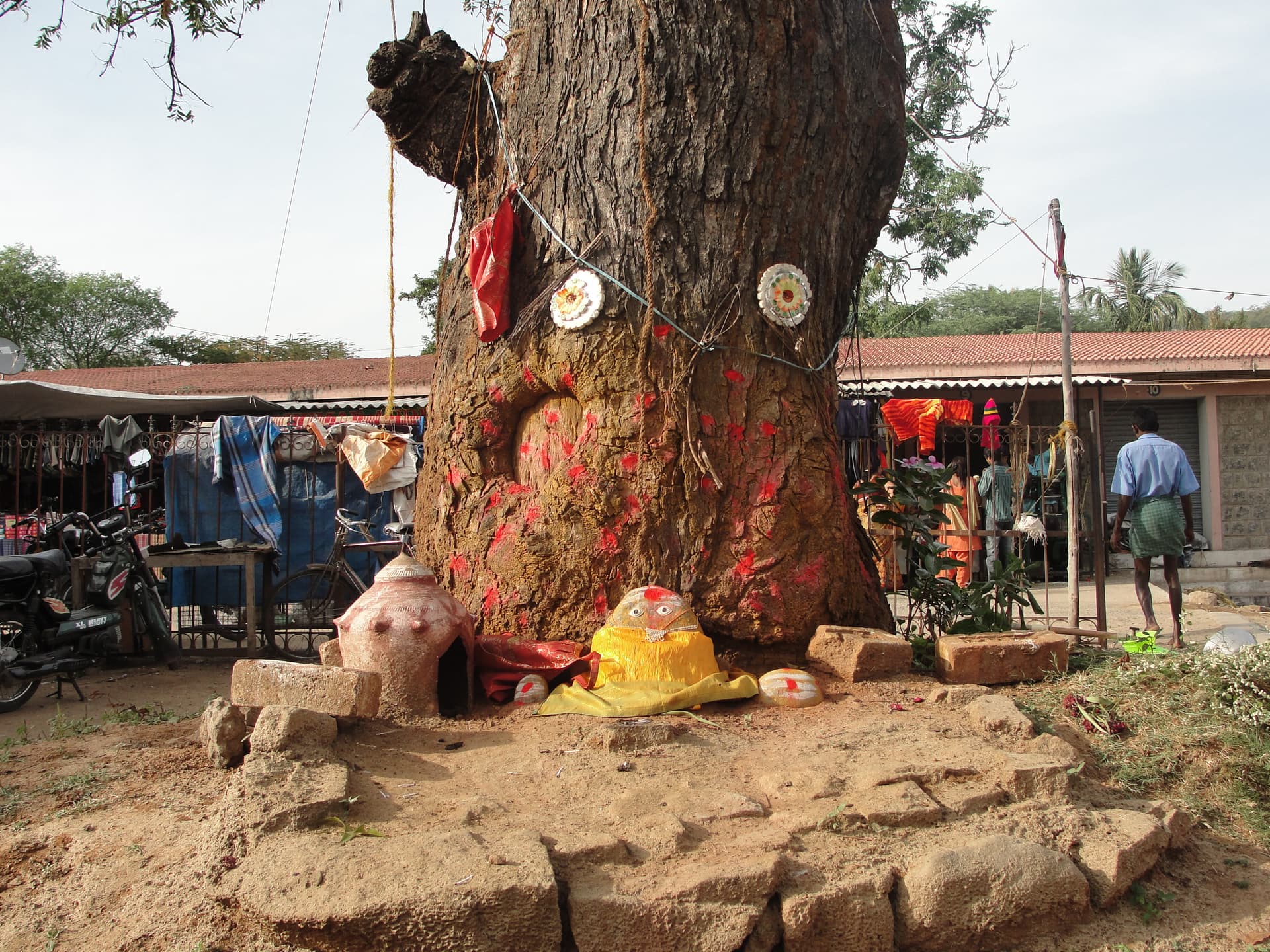
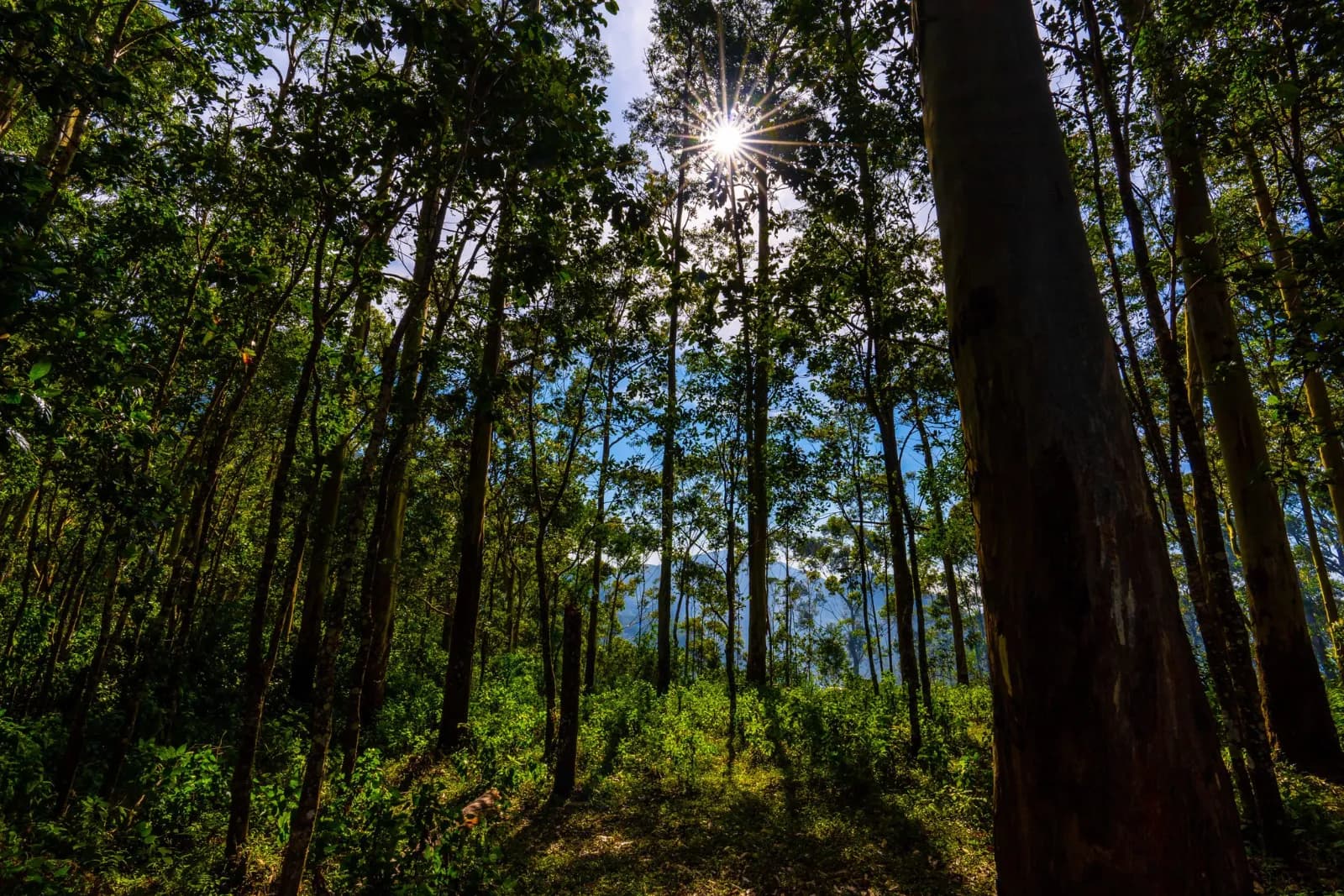
The tree workship - Courtesy of Photographer
In the rapidly evolving technology era, people are still connected to nature and pray for its well-being. It sounds astonishing to hear the long tales of rain rituals in Kodai that are unknown and are performed by the Palaiyars - the tribes of Kodaikanal. Bharathi Annanagar a small village located within Kodai worships goddess Bhootha Naachchi Amman for the wellness of the forest and the natural water resources. Every year this festival is celebrated to seek the blessing of Amman to protect forests from the fiercest summer that might lead to forest fires and dries up the water streams leaving the woods infertile and land barren. This ritual is called the rain rituals of Kodai forest.
Usually, this festival is celebrated in the month of Chitirai i.e., between mid-April and mid-May while the summer is at its peak. The festival is hosted only for one day a year and people visit the temple in the Kodai forest. There are many other festivals celebrated throughout the year, women exclusively handle some except during the menstrual period but the Palaiyar men take over the Bhootha Naachchi as the rituals are conducted deep inside the forest overnight.
The meaning Bhootha Naachchi Amman - ‘Bhootha’ - means five elements - Air, water, fire, sky, and earth ‘Naachchi’ refers to the God of the forest and Amman to a great mother. As per mythological scripts, the goddess is described as calm and composed for disciplined people who respect all life forms and turn out to be aggressive if anything is harmed.
The Ritual Procedure
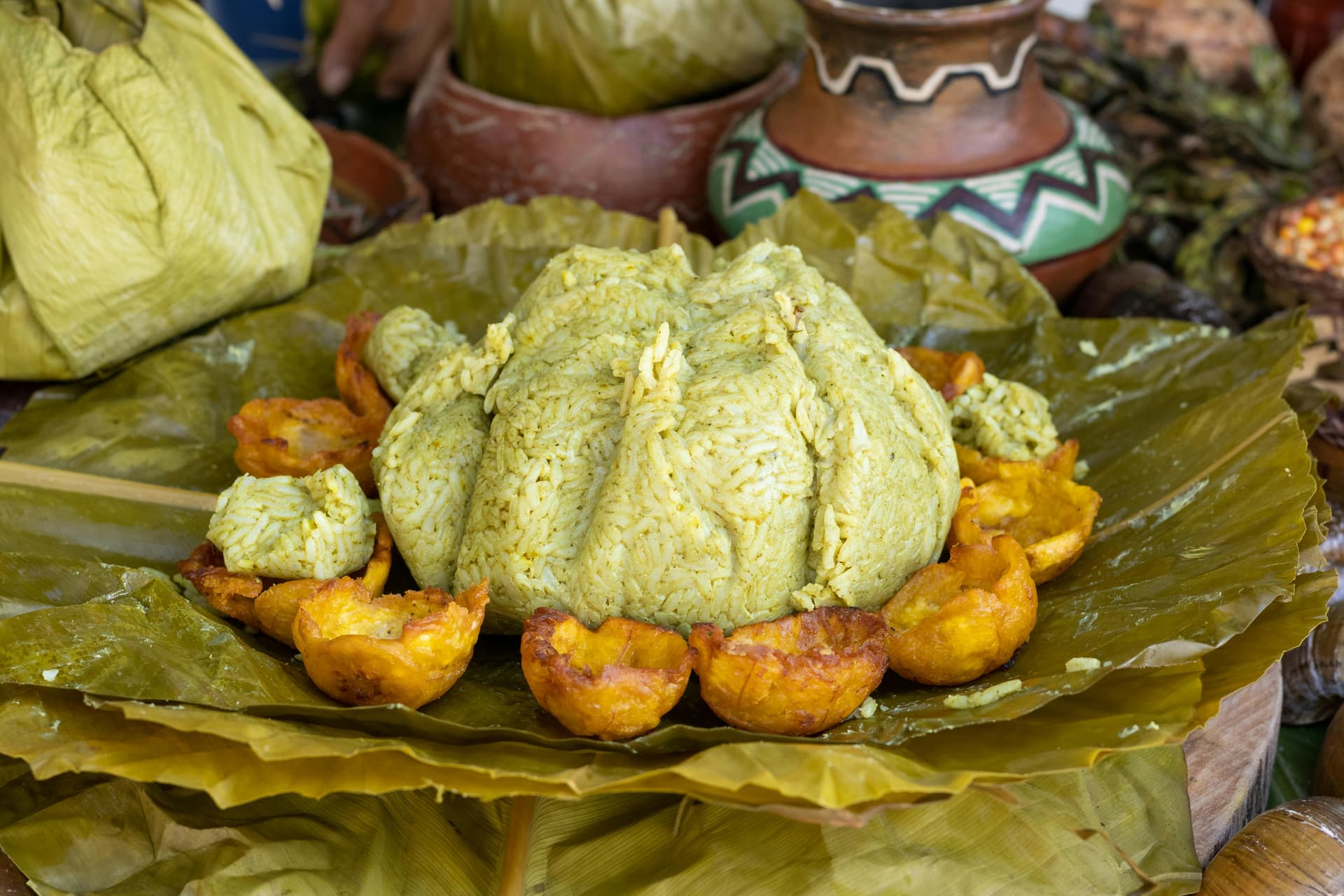
Food served in banana leaf - Courtesy of Photographer
The two major families of Palaiyars take ownership of conducting the ritual - One person from a family becomes a ‘Thevarradi’ while the other family offers clothes for Thevarradi to wear called - ‘Satan’. The goddess resembles to be both masculine and feminine so the person chosen as Thevarradi grows long hair but is tied up with clothes like a turban and loses the hair only during the ritual. There is a pre-ritual performed before the actual festival which takes place one month before summer. The ritual is considered a sign to welcome the Goddess to participate and reward her blessings for the Kodai forest and people.
The elderly men from Palaiyar’s family offer five different kinds of fruits, vegetables, and cereals grown and harvested on their land for the pre-ritual ceremony. All these are served on the pachchai plant leaf which is called ‘pachchai poduthal’.
As mentioned womenfolk of Palaiyars are not allowed to participate in the rituals but they are allowed to worship Amman for the per-rituals.
On the day of the occasion, the Thevarradi wraps up a white dhoti and applies turmeric all over the face and body along with some medicinal herbs. The young man plunged into the river for a ritual bath in this outfit and carried out the ceremony. He starts the ritual by singing, he mentions all the hills, rivers, and the forest of Kodai in his songs. He continues to dance while singing along with the music played by the villagers using flute and drums. The Thevarradi dances as if he is possessed and the Paliyars believe that the Goddess Bhootha Nachchi has manifested his body, people pray to protect the forest from the fire and initiate sufficient rains. Once the dance is over the rituals end, and people return home with peace and harmony.

Leave the planning to a local expert
Final Insight!
The unknown rain ritual has been practiced for centuries carried forward through ancestors and recognized by families. The crowd and the participants are reducing over time due to external pressures of finance, education, and lifestyle. Besides all these factors the rituals are conducted all year by the Paliyars without any discrepancy. In general, many places in India have unique and meaningful rituals performed for the welfare of humans and nature. And it is our due responsibility to take it forward to the forthcoming generations.
“Let’s firmly believe that nature brings solace in all troubles.” –Anne Frank