
Thiruvananthapuram Zoo

Overview
Trivandrum Zoo, officially known as the Thiruvananthapuram Zoological Park, is one of the oldest and most well-maintained zoos in India. Established in 1857 by the Maharaja of Travancore, it is located in the heart of Thiruvananthapuram (Trivandrum), Kerala. The zoo is part of a larger complex that includes the Napier Museum and Sree Chithra Art Gallery, making it a significant cultural and educational attraction.
The Trivandrum Zoo holds historical importance as one of the first zoos in India. It was originally established to complement the Napier Museum and to house animals and birds for educational and recreational purposes. Over the years, the zoo has evolved, adopting modern practices in animal care and conservation.
Architectural Details:
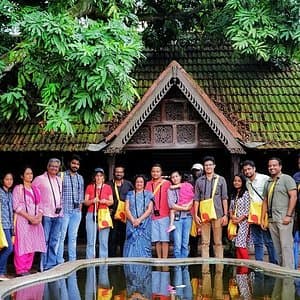
Colonial Architecture: The zoo’s architecture reflects colonial influences, particularly visible in the design of its entrance and some older structures.
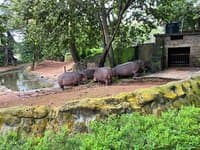
Natural Enclosures: The zoo is known for its spacious and well-maintained enclosures that mimic the natural habitats of the animals. This approach emphasizes the well-being and comfort of the zoo’s inhabitants.
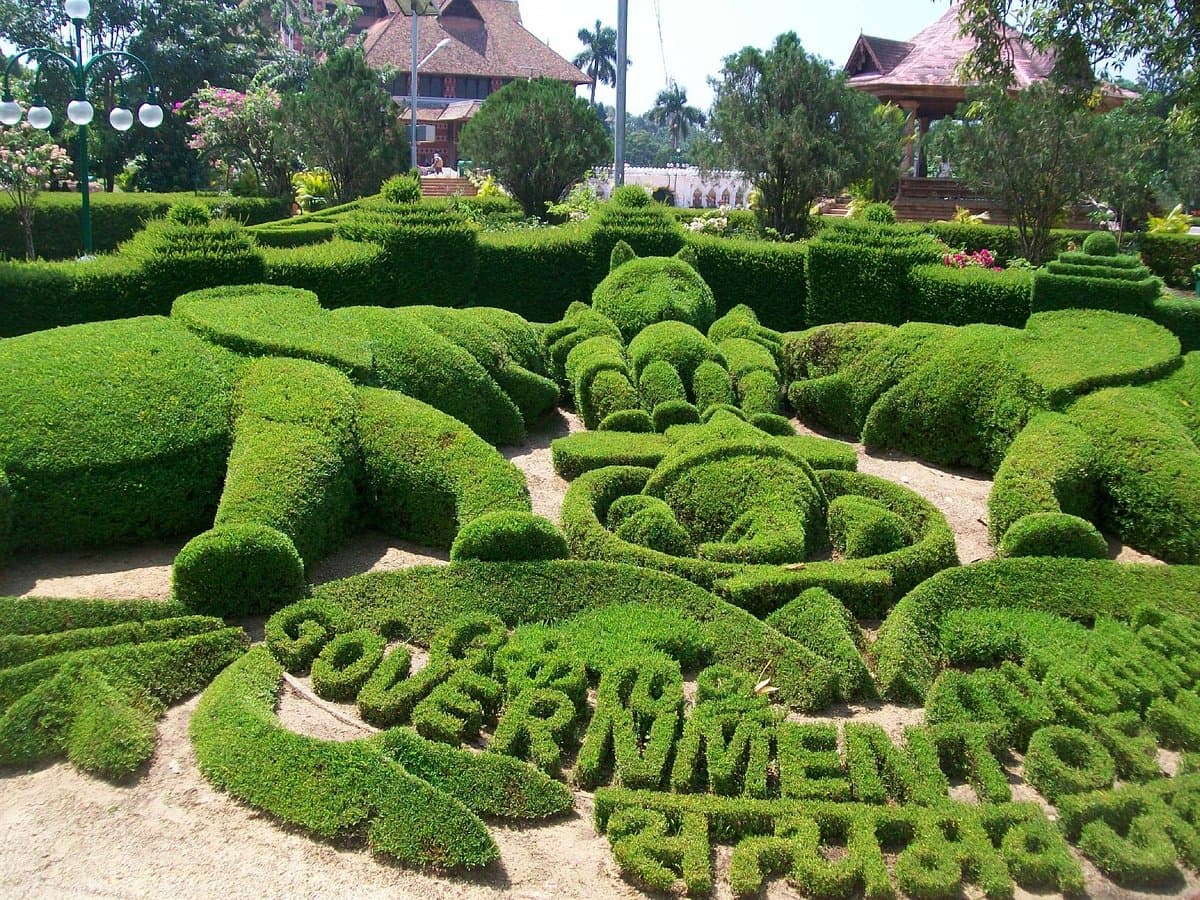
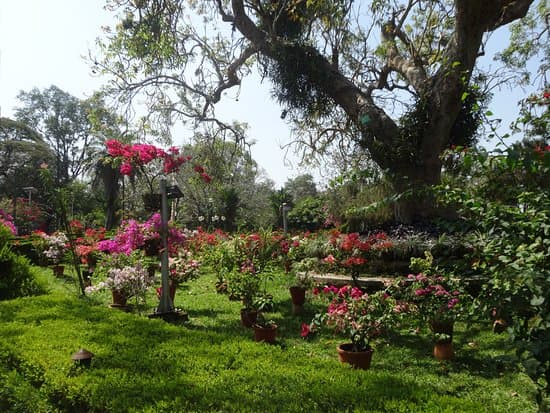
Landscaping: The zoo features lush green landscapes, with a variety of trees, plants, and water bodies that enhance the aesthetic appeal and provide a serene environment for both visitors and animals.
Architectural Details:
Colonial Architecture: The zoo’s architecture reflects colonial influences, particularly visible in the design of its entrance and some older structures.
Natural Enclosures: The zoo is known for its spacious and well-maintained enclosures that mimic the natural habitats of the animals. This approach emphasizes the well-being and comfort of the zoo’s inhabitants.
Landscaping: The zoo features lush green landscapes, with a variety of trees, plants, and water bodies that enhance the aesthetic appeal and provide a serene environment for both visitors and animals.
Key Features and Attractions:
Diverse Wildlife: The zoo houses a wide range of animals, including tigers, lions, leopards, elephants, hippos, zebras, and various species of deer and antelope. It also has a significant collection of birds, reptiles, and amphibians.
Reptile House: This section features an extensive collection of snakes, lizards, and other reptiles, offering educational insights into these fascinating creatures.
Primate Enclosures: Various species of monkeys and primates can be seen in well-designed enclosures that provide ample space for climbing and playing.
Aquarium: The zoo includes an aquarium that showcases a variety of freshwater and marine fish species.
Nearby Attractions:
Napier Museum: Located within the same compound, this museum showcases a rich collection of artifacts, including bronze idols, ancient ornaments, and traditional musical instruments.
Sree Chithra Art Gallery: Also within the complex, this gallery features works by Raja Ravi Varma and other notable artists.
Kanakakunnu Palace: A short distance away, this historic palace is a popular venue for cultural events and festivals.

Leave the planning to a local expert
Sustainability and Conservation:
The Trivandrum Zoo is committed to sustainability and conservation:
- Breeding Programs: The zoo participates in breeding programs for endangered species to ensure their survival and genetic diversity.
- Eco-Friendly Practices: Efforts are made to reduce the zoo’s environmental footprint through waste management, water conservation, and the use of renewable energy sources.
- Public Awareness: The zoo conducts awareness campaigns to educate visitors about the importance of wildlife conservation and sustainable living.
Tips for Visitors:
Best Time to Visit: The ideal time to visit is from October to March when the weather is pleasant.
Guided Tours: Consider taking a guided tour to gain deeper insights into the animals and the zoo’s conservation efforts.
Photography: Photography is allowed, but visitors should respect the animals and avoid using flash.
Safety: Follow all safety guidelines and avoid feeding or disturbing the animals.
Facilities: The zoo provides facilities such as restrooms, drinking water, and food stalls for the convenience of visitors.
Conclusion:
The Trivandrum Zoo is a must-visit destination for nature and wildlife enthusiasts. Its rich history, diverse wildlife, and commitment to conservation make it an educational and enjoyable experience for visitors of all ages. Whether you are exploring the animal exhibits, enjoying the lush landscapes, or visiting the nearby cultural attractions, the Trivandrum Zoo offers a memorable and enriching experience.