Culture
Explore Ladakh like never before
5 minutes
18th April 2024
by Rohit
A guide to Monasteries and its History
Ladakh is known for its amazing bike tours, vast landscapes spreading across miles, lakes that remain so calm and still, like a giant mirror on the ground. On the contrary, Ladakh has a deeply rooted history, heritage and culture which is mostly unseen. Places that are remote yet have a story to tell, history that needs to be explored. On this guide, I will be taking you on a expedition like never before, where tradition meets history.
Indus Valley to Hemis
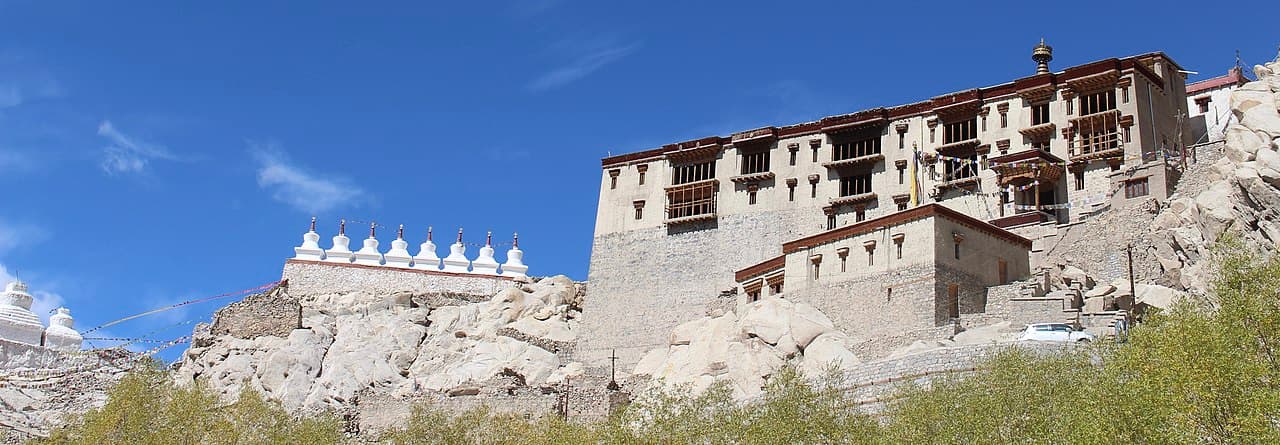
shey palace - Courtesy of Photographer
This one day trip will follow the Indus river up to Hemis, the largest monastery in Ladakh which also acts a spiritual centre for the Durkpa Buddhists. Along the way, you will come across beautiful monasteries, whitewashed chortens (Stupas) which is surrounded by lush greenery and Ladakhi farmhouses. Key highlights of the tour are:
- Hemis Monastery: A 17th century monastery, a spiritual place for the Drukpa Buddhists. Situated 45 kilometers far from Leh, this monastery acts as a home for around 500 monks.
- Stanka Monastery: This monastery has a direct connection to Bhutan as it showcases Bhutanese influence on its architecture and murals inside the Gompa. Lies on a rocky hill above the Indus river.
- Thiksey Monastery: Located at 15 Kilometers east of Leh town with a motorable road which connects straight to the Gompa, this monastery is the most visited and recognisable gompas in Ladakh. A statue of the future Buddha (chamba) which sits at an height of 15 meters tall, is one of the key attractions.
- Shey Palace: Being an heritage site, Shey was once the capital of Upper Ladakh. A giant statue of the Shakyamuni Buddha is made out of copper with gilded gold. The palace overlooks the Indus river, granting some of its best views.
- Stok Palace: This palace is situated on the other side of the river, 15 kilometers to the south of Leh. It is the home for the royal Ladakhi Family since they fled Leh and Shey due to the attack of the Dogras almost 200 years ago. The palace was renovated and turned it into a heritage hotel by King Jigmet Wangchuk Namgyal.
Indus Valley to Lamayuru
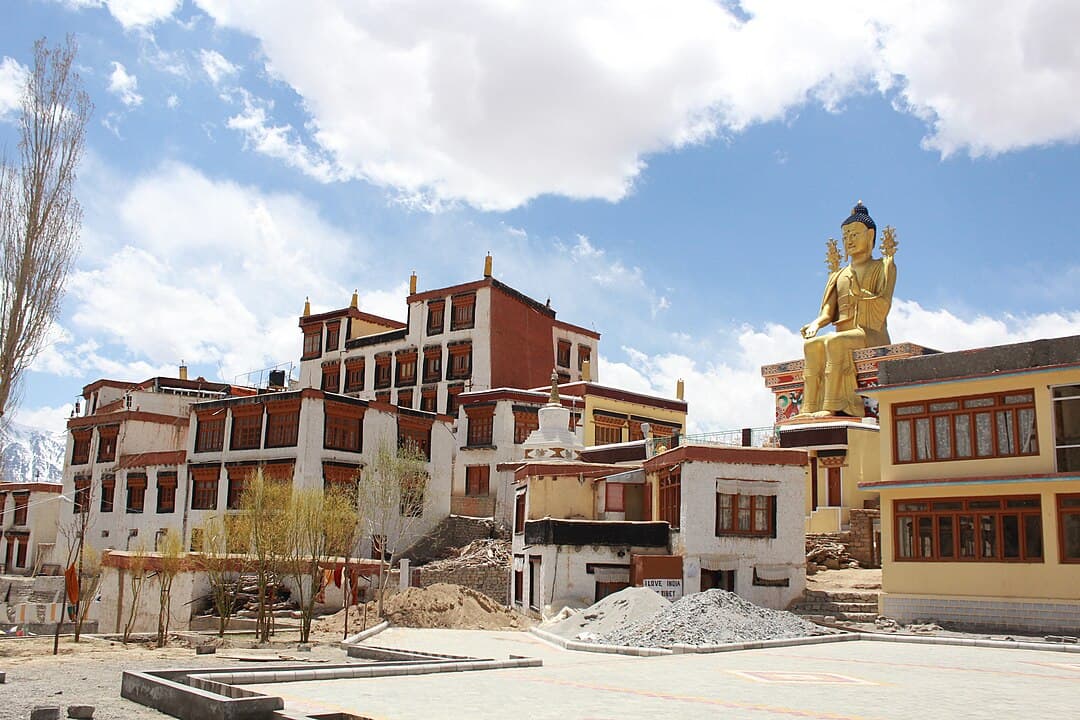
likir palace - Courtesy of Photographer
This region is one the highest populated areas of Ladakh. The tour follows the Indus river all the way to the west of Lamayuru. The Sham region is highly known for its agricultural activities, where many villages practise organic farming. Fruits like Apple, Apricot and Walnut are grown due to its favourable temperatures. Key highlights are as follows:
- Lamayuru Monastery: Also known as Yungdrung Monastery, the prayer hall houses a cave which the Indian scholar-saint Naropa used for meditation in the 11th century. This villages lies in between Leh(115 Kms) and Kargil 105 Km). Lamayuru is also known for its “moonland”, a lunar landscape with extraordinarily odd geological formations.
- Rizong Monastery: Standing on a rocky hill, this monastery was built by Lama Tsultim Nima in 1831. Rizong gompa belongs to the Gelugpa order and it is famous among meditation practitioners. It is home to 40 monks and is known for its strict rules and standards.
- Alchi Monastery: Most of its art is from the Ladakh’s Indo-Tibetan art. Built in the 11th century, the gompa is famous for its interior murals and ancient wood sculptures. The wall paintings at Alchi gompa are some of the oldest surviving murals in Ladakh.
- Likir Monastery: 60 Kilometers from Leh, Likir Gompa was founded in 1065 by Lama Duwang Chosje who constructed the Gompa. The monastery, surrounded by old chortens and barley fields, is well-known for the 23m-high Maitreya Buddha statue completed in 1999 and located just outside the gompa complex.
- Basgo Monastery: The monastery at Basgo is situated at a distance of around 40km from Leh. Historians claim the monastery was built for the rulers from the Namgyal dynasty in the 1680s, but the castle itself was constructed in the 15th century. Basgo served as the capital of lower Ladakh for around two centuries.
- Phyang Monastery: The white gompa is situated on a hilltop above Phyang village, 20 km from Leh. Phyang monastery, established in the 16th century, mesmerises visitors with its grandeur structures and its rich history. One of the major attractions of Phyang gompa is its 900-year-old museum.
- Spituk Monastery: This is the first monastery visible to the naked eyes after touchdown at the Leh airport. The monastery festival, Spituk Gustor, is held every year in the month of January. People from across Ladakh flock in large numbers to attend the festival. The gompa is famous for the statue of protector deity Palden Lhamo.

Leave the planning to a local expert
Conclusion
Leh Ladakh has a lot to offer apart from its adventurous rides and scenic valleys. Its culture and heritage can be seen from every corner of the city. So, if you are someone who wants to know about Buddhism and its history, Leh Ladakh has to be on your bucket list.