Culture
Festivals of Ladakh
5 minutes
18th April 2024
by Rohit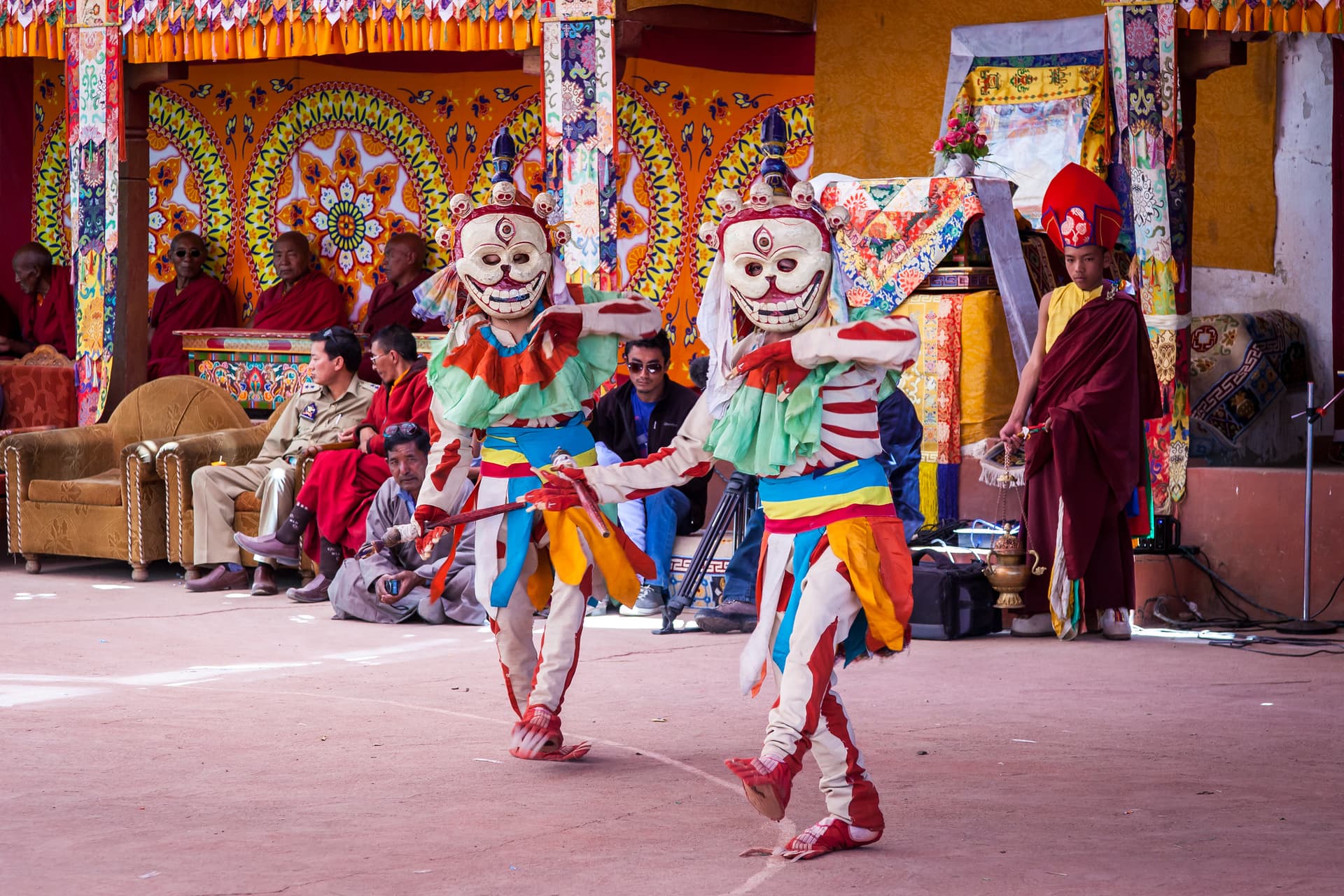
Celebrating the rich culture and diversity of Leh
Ladakh's festivals are like bright stars lighting up the night sky, each one shining with its own unique charm. From the spirited dances of the Hemis Festival to the joyous gatherings of Losar, these events bring communities together in a whirlwind of happiness and camaraderie.
Rooted deeply in Buddhism, the main religion of the region, these festivals take place in ancient monasteries and temples, where monks and locals join hands to honor their beliefs and heritage. But beyond religion, Ladakh's festivals also reflect its diverse cultural influences, blending elements from Tibetan, Indian, and Central Asian traditions into a harmonious celebration of life.
Whether you're a visitor or a local, attending a Ladakhi festival is an opportunity to immerse yourself in the rich tapestry of Ladakh's culture, to witness ancient rituals come to life, and to be swept away by the infectious joy that fills the air. So come along as we journey through the kaleidoscope of festivals in Ladakh, where every moment is a treasure to behold.
Hemis Festival
monks dancing - Courtesy of Photographer
Llamas perform the Chhams, where people wear masks and the dance is symbolic of good winning over bad. The festival takes place in the month of July. Marking the birth of Guru Padmasambhava, Hemis Festival is not only one of the most important Buddhist celebration in Ladakh but is also the most popular festival amongst tourists.
Matho Nagrang Festival
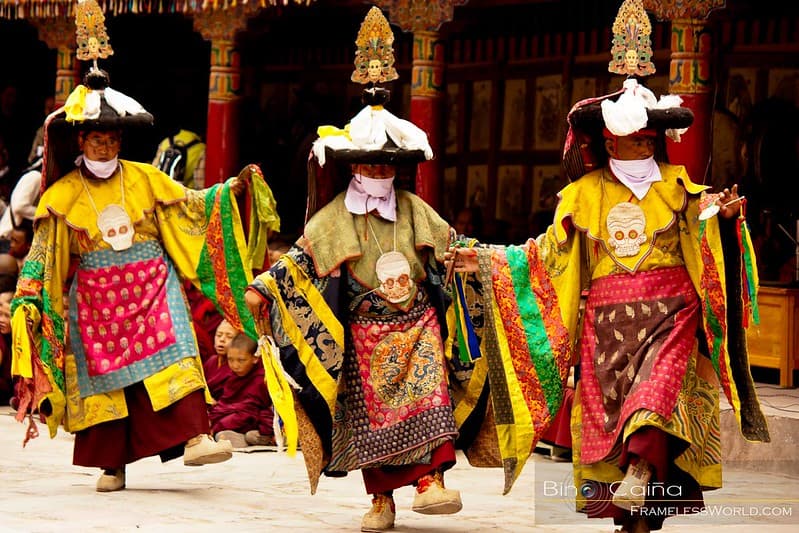
matho festival - Courtesy of Photographer
It is called as the festival of Oracles. It is celebrated on 15th of the 1st month of the Tibetan Calendar. The monks perform masked dances with colorfull silk robes depicting various Gods. The oracles predict the future, of the locals as well as the tourists.
Guru- Tse- Chu Festival
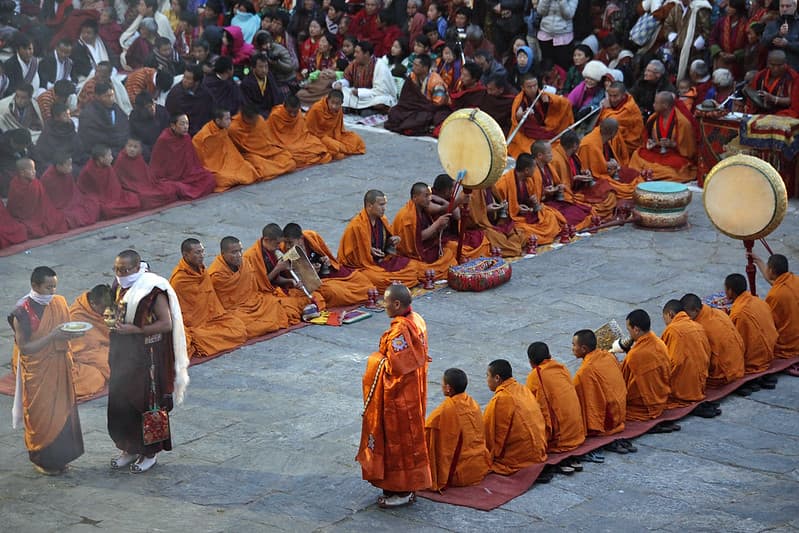
Monks starting to pray - Courtesy of Photographer
Stok Monastry attracts thousands of people each year in its famous Guru – Tse – Chu Festival. Dance, music and festive foods make the celebration a memorable event. On the day of the festival, the oracles go into a trance and dance along the rooftops of the monastery in flowing white costumes. The villagers bow their heads in prayer, offer Chang (locally brewed rice beer) and Tsampa (roasted barley flour), and await the predictions for the year ahead.
Annual Gustor Festival
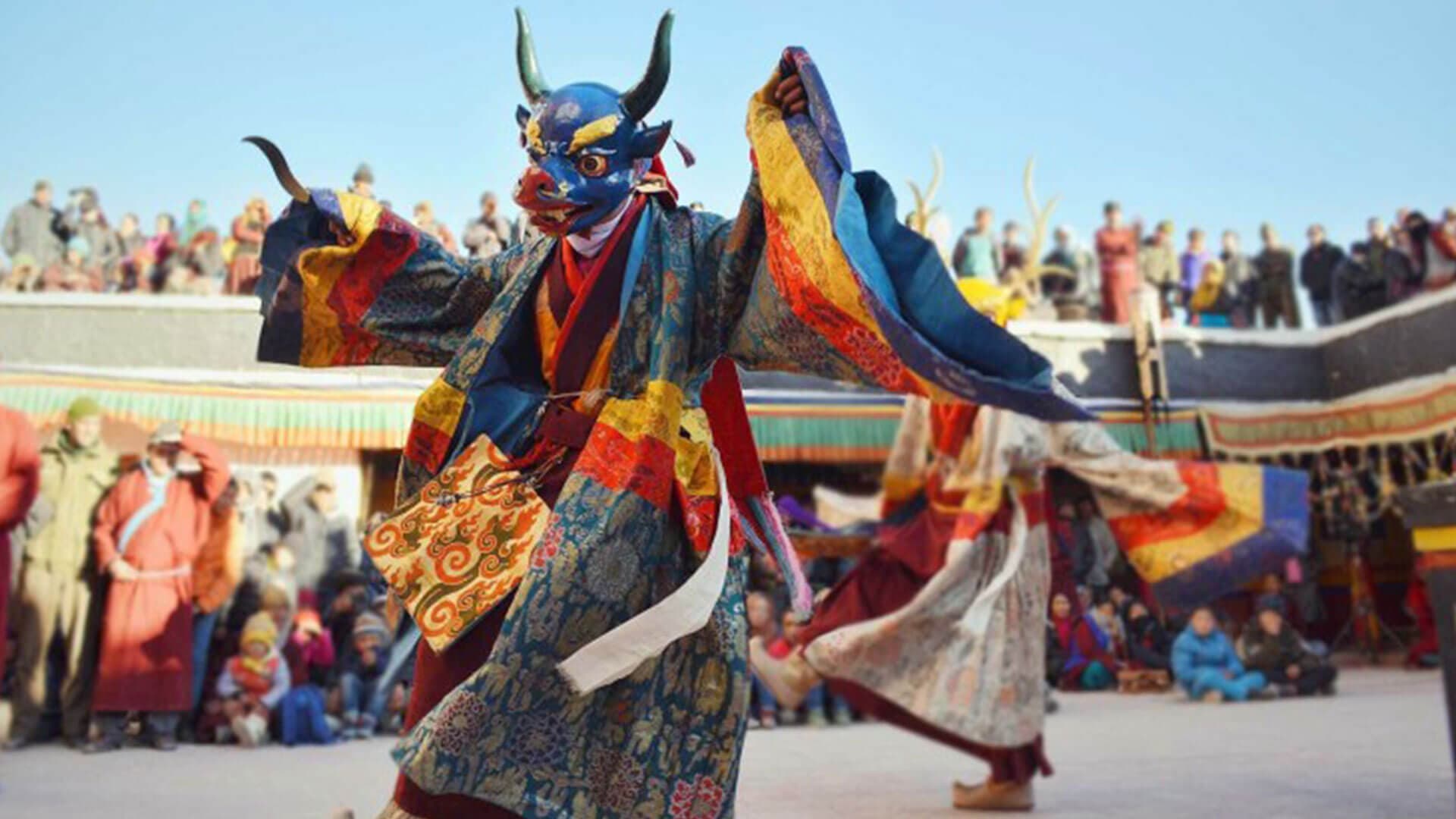
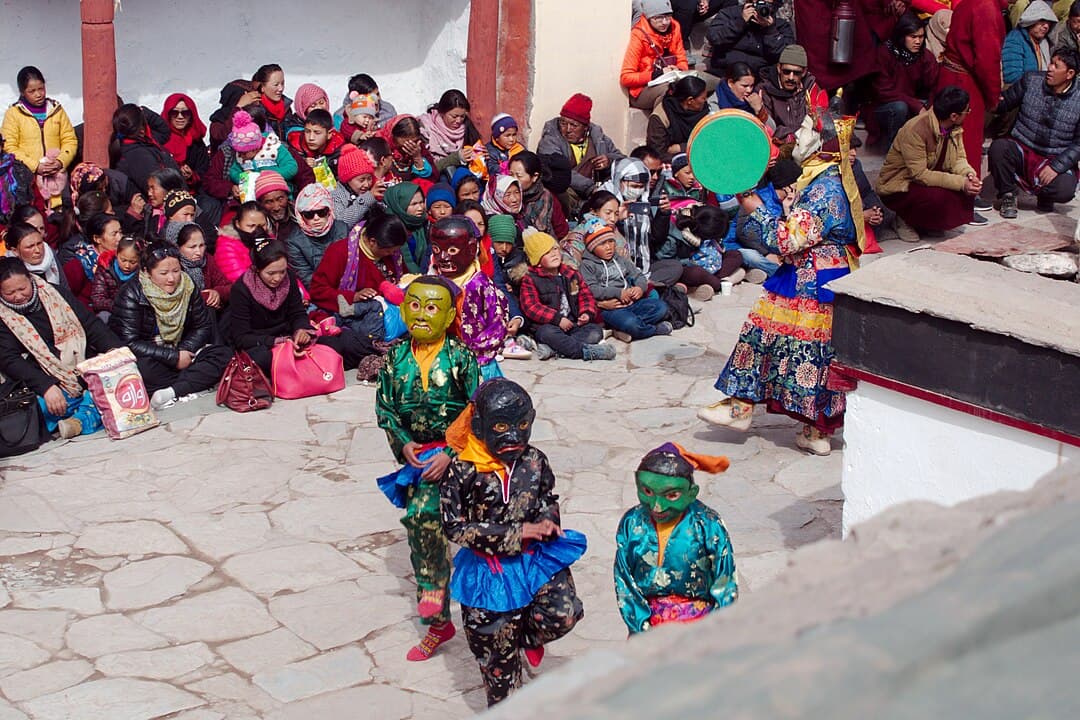
gustor festival - Courtesy of Photographer
It is held on 17th, 18th & 19th day on 9th month of the Tibetan Calendar. It is a traditional festival conducted in the monasteries of Gelukpa order of Tibetan Buddhism. During these days of festival mask dances are performed by monks of the monastery wearing colorful silk brocaded robes and mask in different forms of Gods and Goddesses.
Sand Mandala
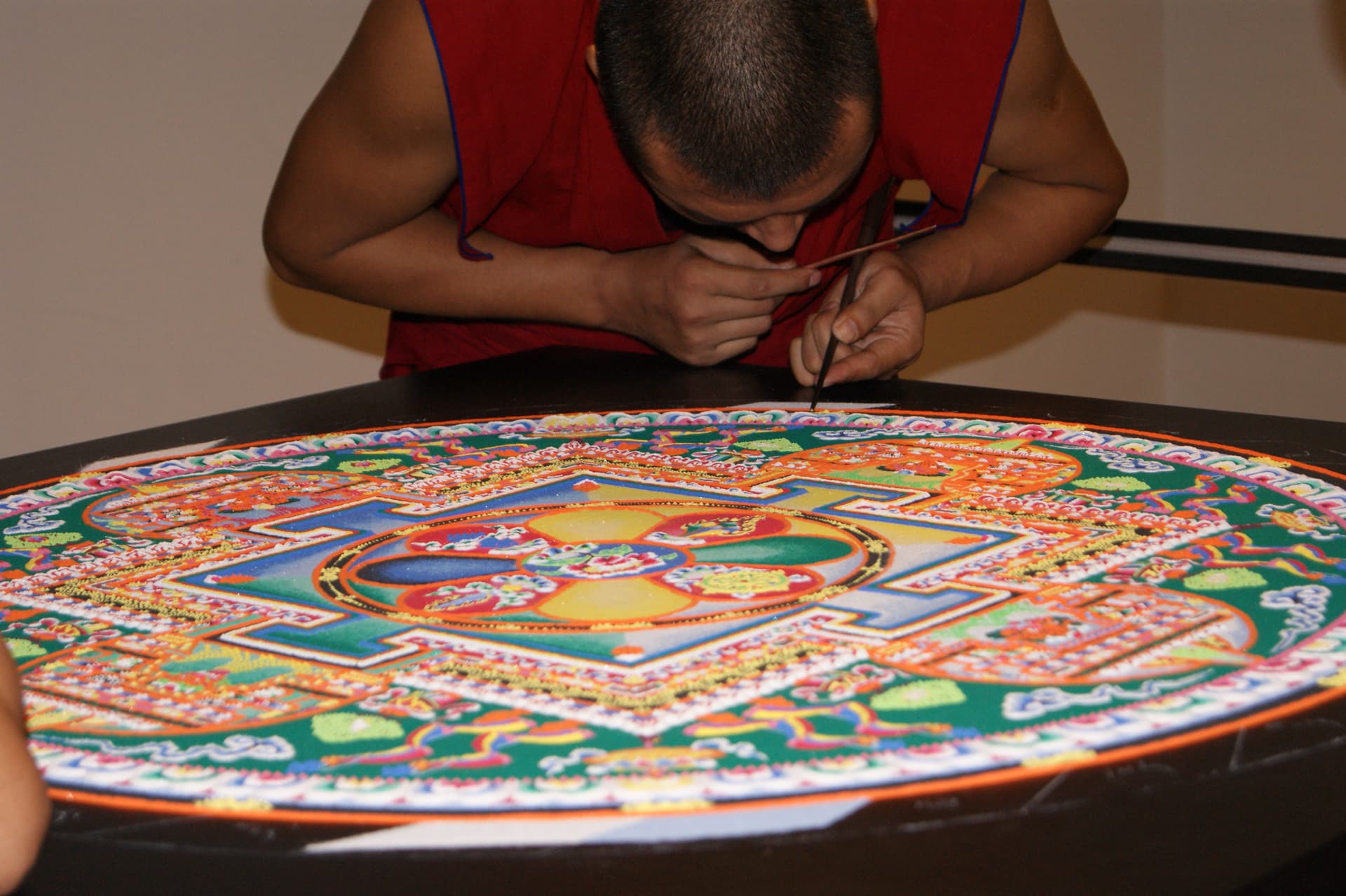
sand mandala - Courtesy of Photographer
Sand mandalas of Guyusamaja, Chakrasamvara, Vajravairava are made every year. Sand mandalas are made inside the Main Temple in the Fourth, Sixth and Eight months of the Tibetan calendar representing the abodes of these deities. Sand Mandalas are made using millions of grains of coloured ‘sand’ made from powdered stone placed painstakingly into intricate designs using hollow metal funnels called chagpurs. Mandalas are used as an aid to meditation, during which the monks visualise transforming themselves into the deities represented in the design. Once the initiation and meditation is complete, the mandala is destroyed illustrating the principle of the impermanence of all things.
Leave the planning to a local expert
Dosmoche Festival
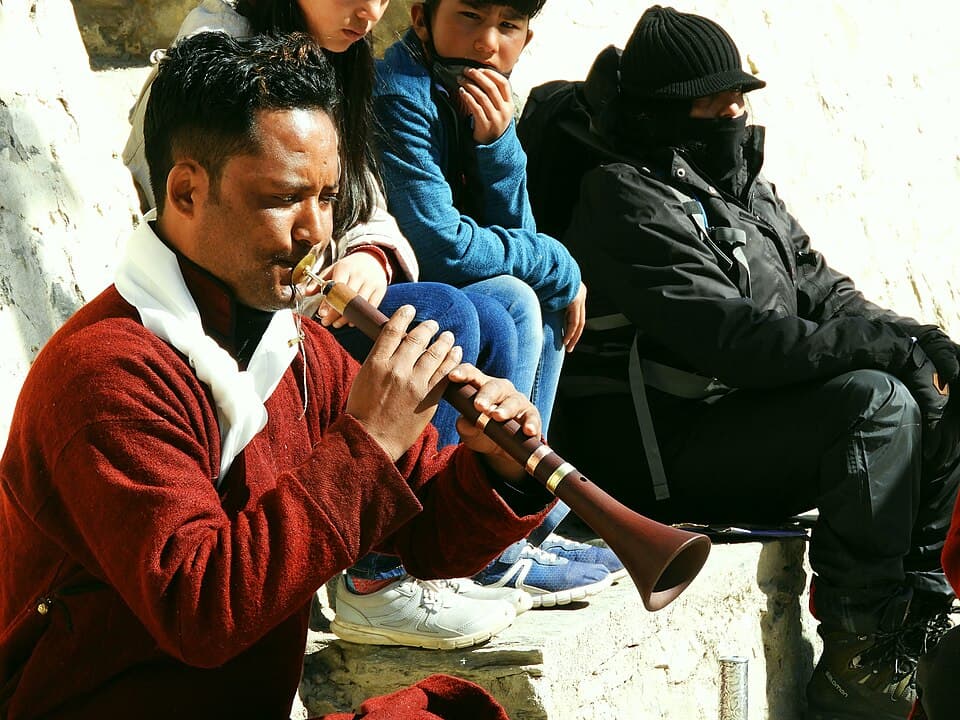
Flute being played at the festival - Courtesy of Photographer
It is celebrated in the month of February at the Diskit Monastery where the Cham dance is performed. It is a masked dance performed by the monastery monks which depicts good over evil. During the festival, the heads of the deity statues are uncovered, and images made of dough are thrown out to avoid any disaster occurring and to open the door of fortune and peace to the people.
Losar Festival
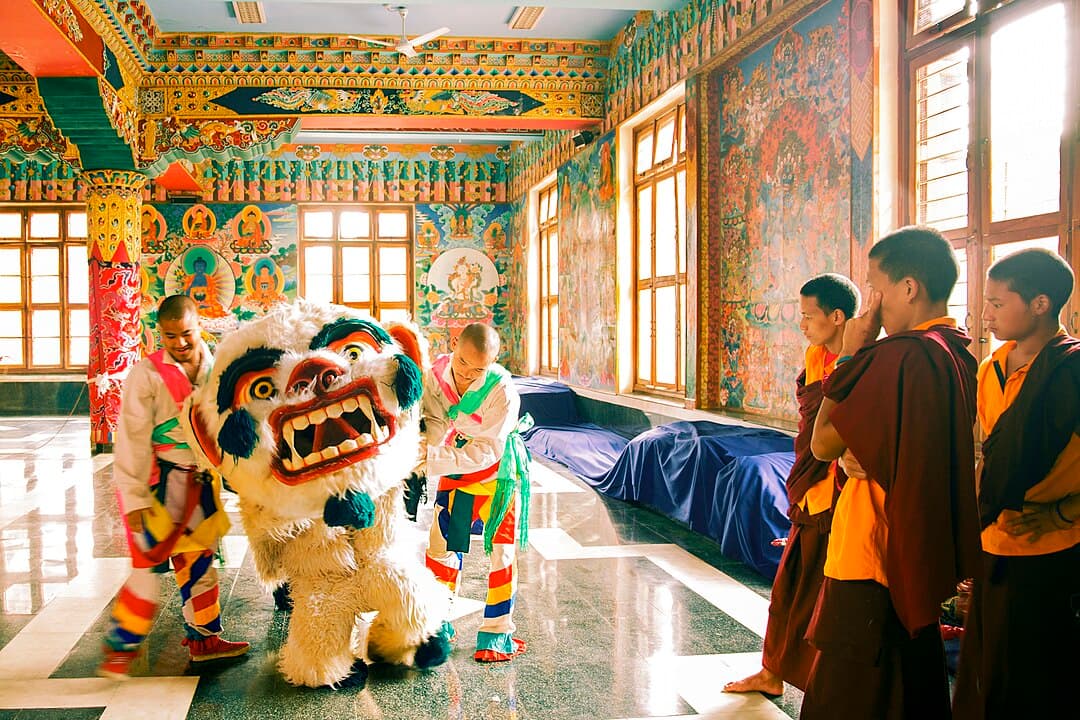
losar festival - Courtesy of Photographer
Also known as Tibetan New Year, is a very significant festival that is celebrated in the Tibetan Buddhist communities. It includes rituals, prayers, feasting and various cultural performances like dance and music. It marks the beginning of a New Year, with fresh beginnings, renewals and an opportunity for personal growth. The festivals falls in February according to the Gregorian Calendar.
Conclusion
These were some of the famous festivals in Leh Ladakh that are celebrated with a sense of joy and bringing the whole community together. So, if you are a tourist or a native, these festivals have a story behind them which needs to told and witness it, to be a part of something special and talks about its history and culture of the land.